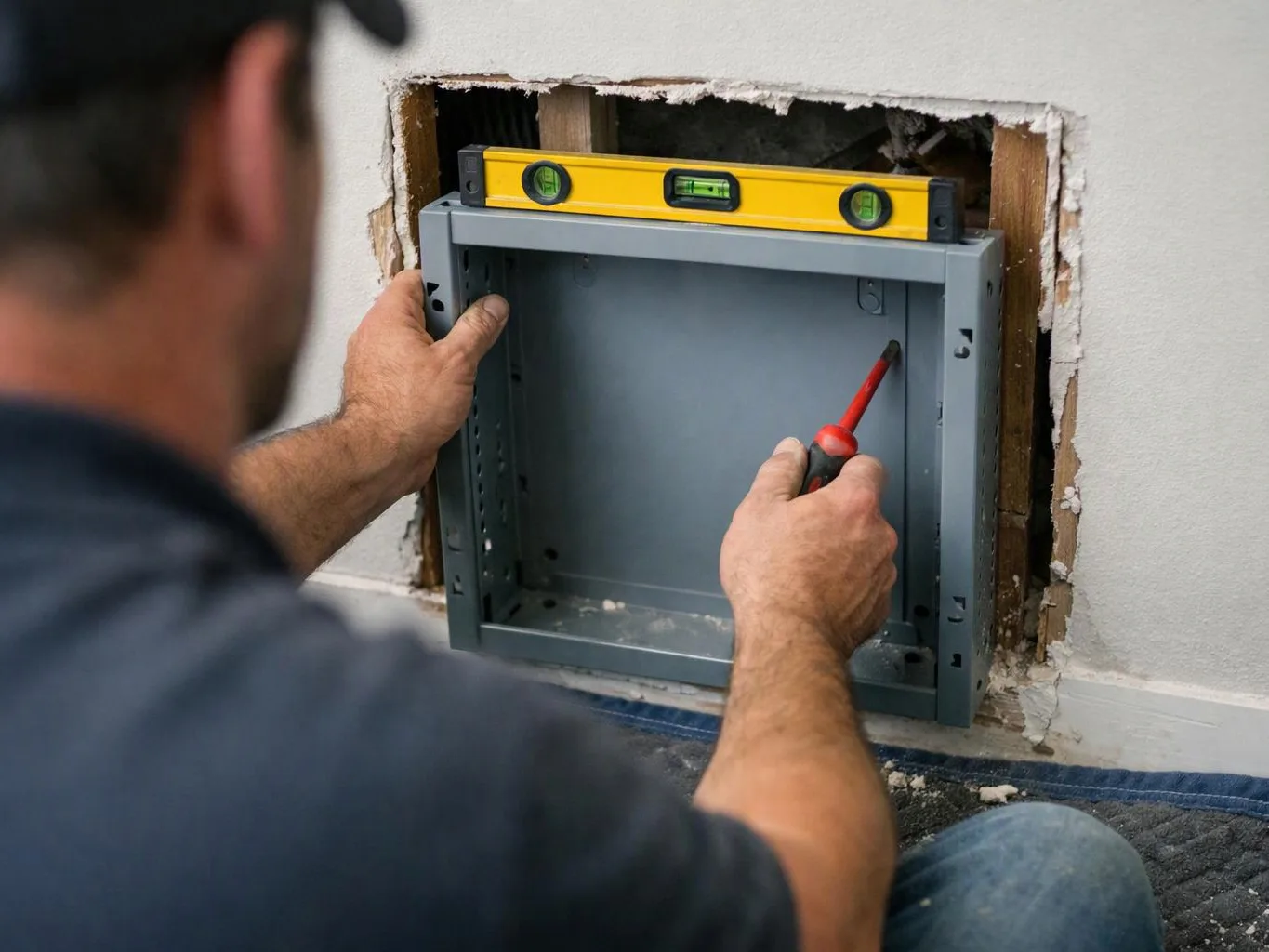
Preparing for Home Generator Installation and Backup Power
Home generator installation requires assessing essential circuits, choosing a safe location, confirming fuel and transfer equipment, preparing permits and electrical connections, and planning outage procedures; Santa Ana Electrician handles the electrical checks, installation, and backup power troubleshooting.
Get a Free EstimateWhat Should You Plan Before Home Generator Installation?
Home generator installation planning starts with identifying essential loads, selecting compatible equipment, confirming a safe location, and preparing the electrical and fuel connections. Santa Ana Electrician reviews these conditions so the backup power system fits the home electrical system.
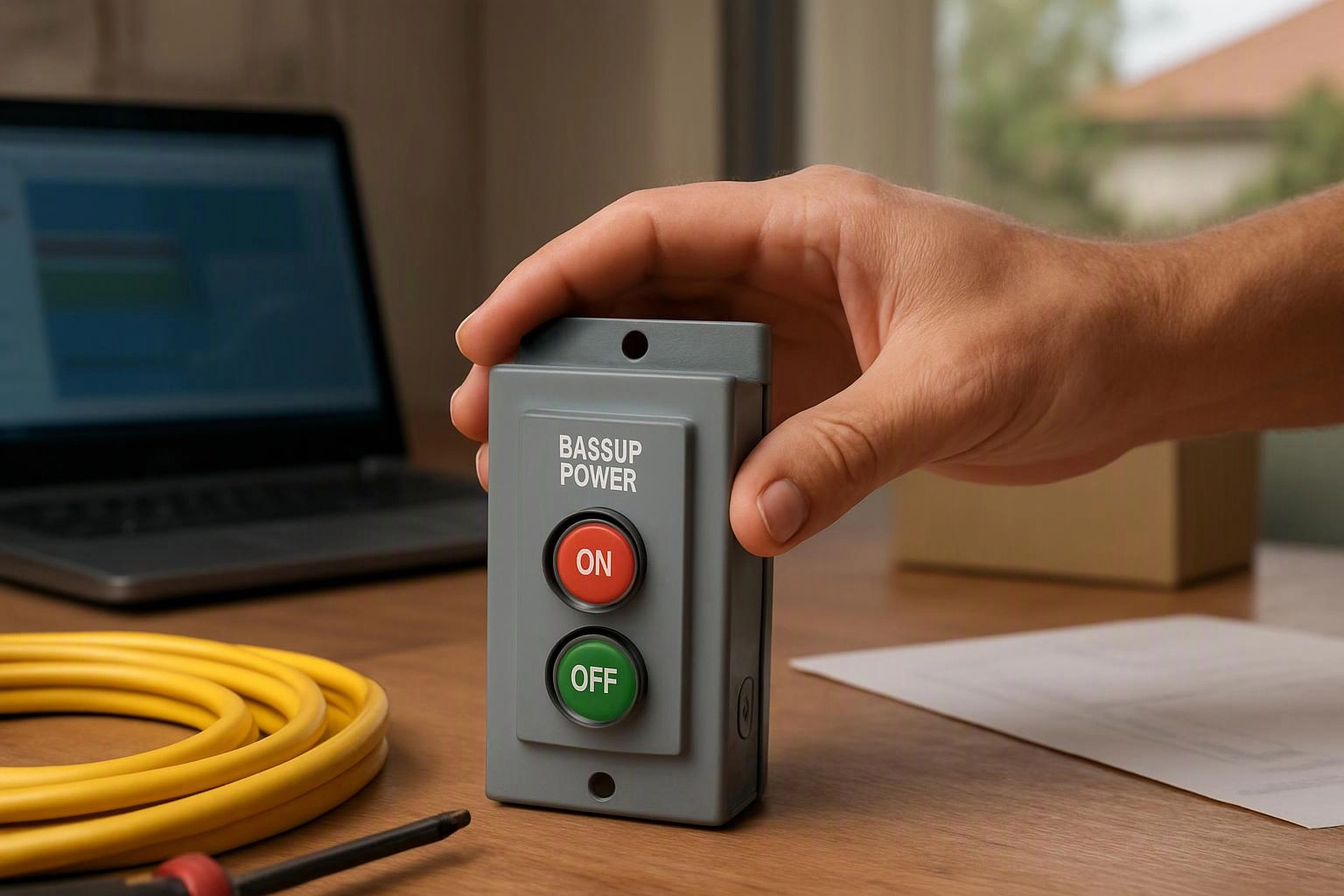
A standby generator can supply selected circuits automatically when utility power fails. A portable generator may support selected loads through approved connection equipment, but it must never connect to a home through an unsafe backfeed.
We review the electrical load, essential circuits, transfer switch, fuel supply, generator location, and local permitting needs. Our team also checks whether the electrical panel can accept an automatic transfer switch, manual transfer switch, or generator interlock.
For installation planning, you can review our Generator Installation service to understand how we handle the electrical connection and testing.
Create a Backup Power Needs Checklist
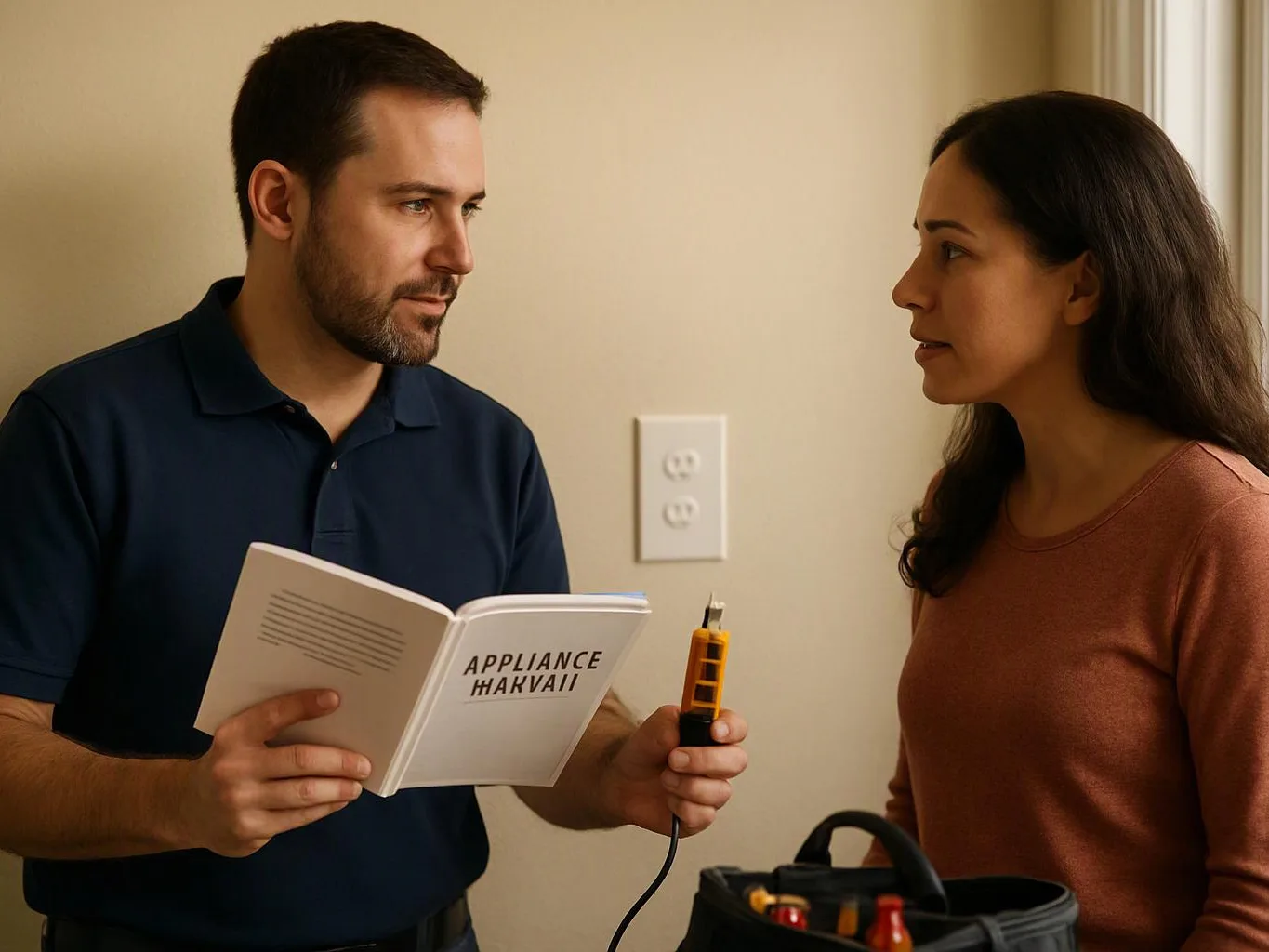
A backup power checklist identifies which home systems matter during an outage. We use the list to support load calculation and generator capacity planning.
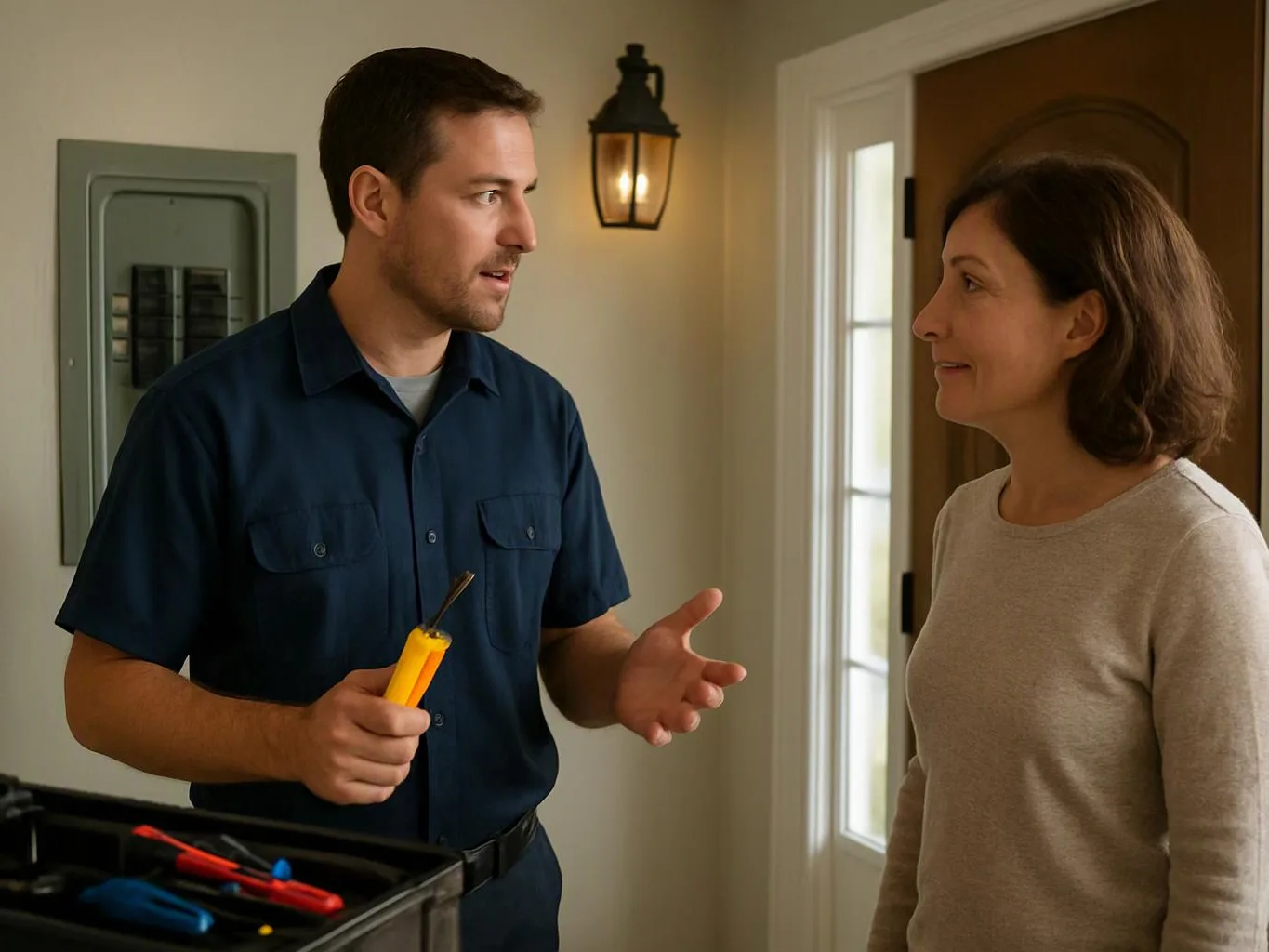
Walk through the electrical panel with our team so each selected circuit is clear before equipment is chosen.
Choose the Generator Location and Connection Method
Generator location and connection depend on ventilation, carbon monoxide safety, access, electrical panel compatibility, and the equipment manufacturer's requirements. We assess the site before selecting the connection method.
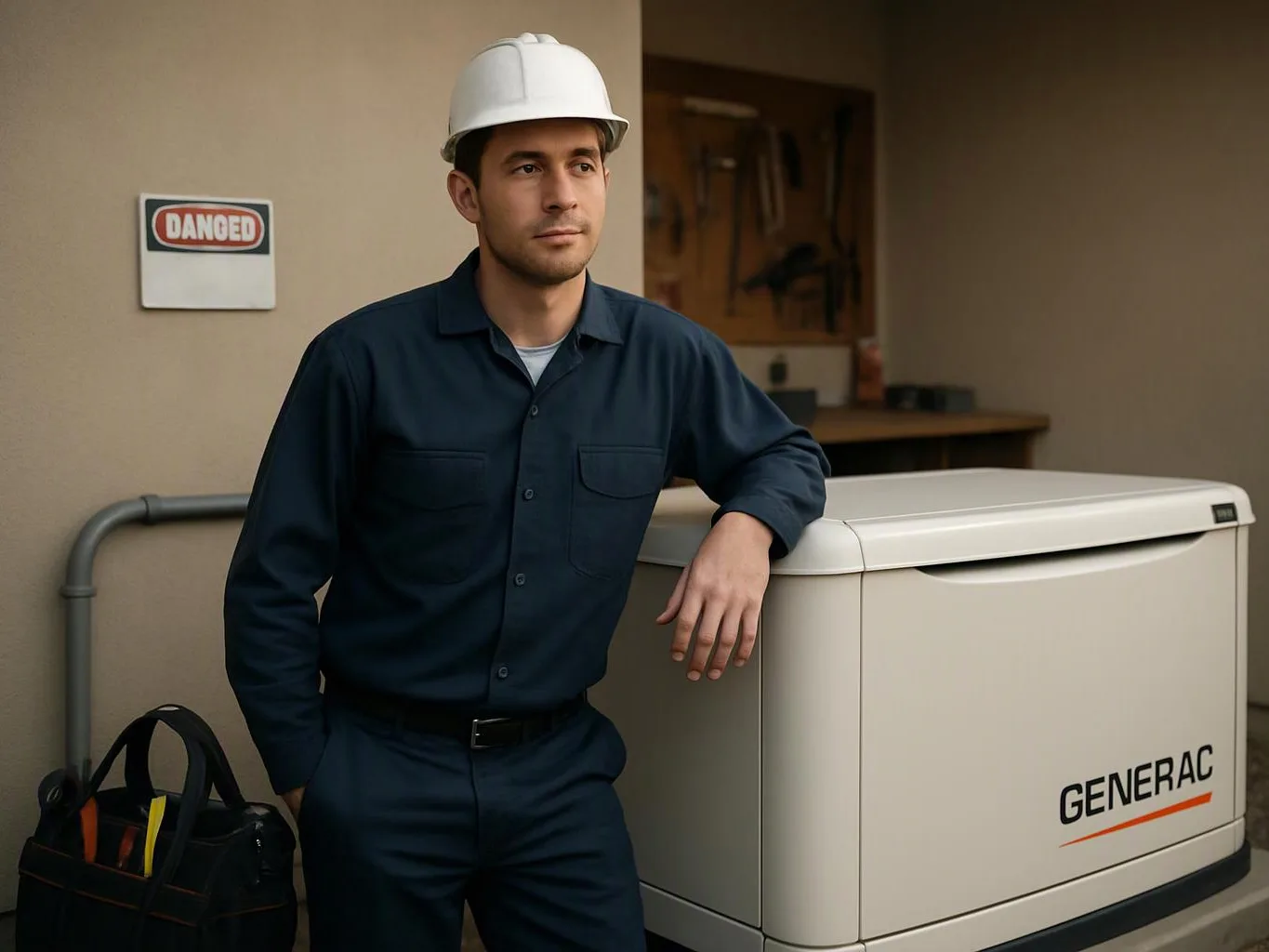
Outdoor generator placement must allow safe airflow and protect the equipment from conditions that could interfere with operation. Our crew checks clearance, ventilation, weather protection, and access for inspection and maintenance.
Carbon monoxide can collect in enclosed or poorly ventilated areas. We keep the generator outside and away from openings as required by the equipment instructions and applicable electrical rules.
A transfer switch or approved generator interlock isolates household circuits from the utility supply. We connect the selected device to the electrical panel and verify backfeed protection during testing.
Prepare Your Home for the Electrical Work
Home preparation gives our crew a clear path to inspect the electrical service and complete the generator connection safely. We confirm the work area, circuit information, and access before installation begins.
Clear access to the electrical panel and proposed generator area helps us inspect each connection. We explain any repair scope before combining it with the installation scope.
When Do Generator Installation and Power Outage Troubleshooting Work Together?
Generator installation and power outage troubleshooting work together when backup power does not transfer, selected circuits stay off, or the system reports an electrical fault. We use the installation details to guide outage diagnosis.
How Do Installation and Outage Troubleshooting Support Each Other?
Installation and outage troubleshooting support each other through shared circuit information, transfer equipment checks, and system testing. We connect the original installation scope with the repair scope so the fault is not treated as an isolated symptom.
What Happens During Generator Installation and Testing?
Generator installation includes reviewing the site and loads, connecting the generator and transfer equipment, checking electrical safety, and testing backup operation. Santa Ana Electrician handles the electrical checks, connection work, and owner handoff.
Our team begins with a site assessment and load review. We confirm generator placement, access, ventilation, the fuel connection, and the route for conduit and wiring.
We install or connect the transfer equipment, generator connection, grounding conductor, and bonding points. We then check the electrical panel and confirm that utility power and generator power remain properly separated.
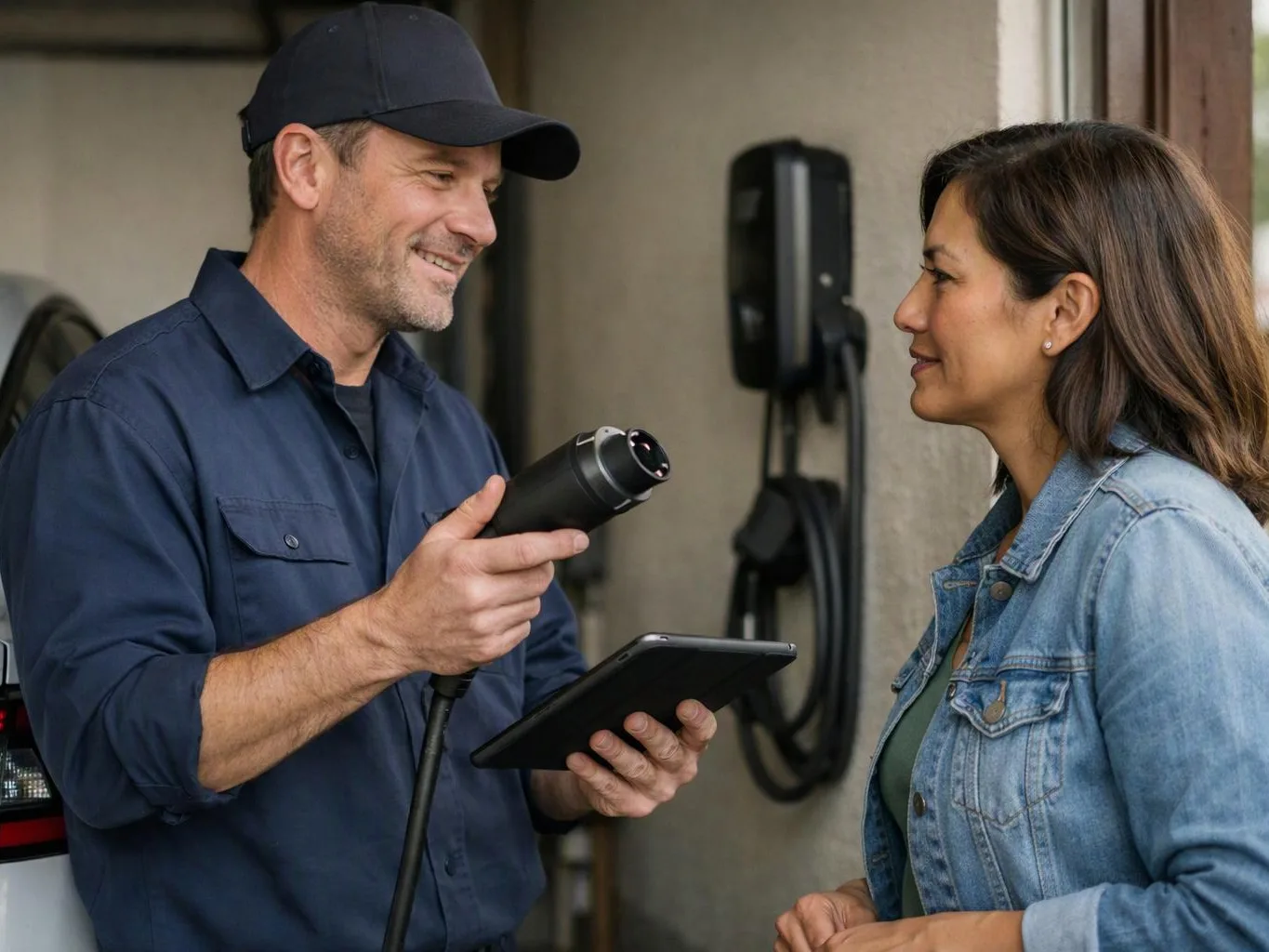
System testing verifies transfer operation, circuit response, alarms, and selected loads. During the owner handoff, we explain transfer switch operation, safe load use, and the basic outage procedure.
What Affects the Cost of Preparing a Generator Installation?
The cost of preparing a generator installation depends on the generator type, existing electrical equipment, wiring route, fuel connection, site conditions, and required inspections; we review those factors and provide a quote.
Generator type affects the transfer equipment, controls, fuel system, and connection method. Electrical panel condition can affect whether the existing panel supports the planned equipment or needs related work.
Wiring distance, conduit route, site accessibility, and fuel connection requirements also affect the work involved. Permit requirements and inspection steps can change the preparation needed for the project.
Our team explains what the quote includes, such as site assessment, electrical connections, grounding and bonding checks, system testing, and required installation work. Free Estimates Available helps you request a project review before work begins.
How Can You Use Backup Power Safely During an Outage?
Backup power is safest when the generator remains properly ventilated, household circuits are isolated from the utility supply, and loads stay within the system's capacity. We verify these protections during installation and system testing.
Keep the generator outdoors with clear ventilation and follow carbon monoxide safety practices. Never use a portable generator in a home, garage, enclosed patio, or other space where exhaust can collect.
Backfeeding can energize utility wiring and create a serious hazard. We use an approved transfer switch or generator interlock to isolate the utility connection before generator power reaches the electrical panel.
Use extension cords only when they are suitable for the load and kept away from wet conditions. Keep fuel storage safe, avoid electrical overload, and operate the transfer switch according to the system instructions.
What Should You Check When Backup Power Fails?
When backup power fails, check for obvious operating warnings and tripped controls without opening energized equipment, then contact Santa Ana Electrician for electrical troubleshooting.
Power restoration may require testing the transfer switch, generator controls, circuit wiring, and panel connections. Our crew identifies the electrical fault and explains whether the needed work falls within repair scope or installation scope.
Questions About Home Generator Installation and Backup Power
Can a home generator power every circuit in the house?
Home generator capacity determines whether every circuit can receive backup power. Santa Ana Electrician reviews the electrical load, generator capacity, transfer equipment, and circuit priorities before connecting the system.
Can a portable generator be connected directly to a home's electrical panel?
No, a portable generator should not connect directly to a home's electrical panel without approved transfer equipment and backfeed protection. We install or verify the compatible connection method and test the isolation between utility power and generator power.
What should be turned off before a generator is connected?
Nonessential and high-demand loads should be turned off before generator connection when the system instructions require load reduction. We identify the essential circuits and explain the correct transfer switch procedure for the installed system.
Why does a generator run but fail to power the home?
A generator can run without powering the home when the transfer switch, circuit breaker, wiring, control system, or load management has a fault. We test the generator connection, transfer equipment, electrical panel, and essential circuits to locate the problem.
Home generator installation is safest when load planning, placement, permits, electrical connections, and outage procedures are handled as one process. Santa Ana Electrician can review your backup power needs, complete the electrical work, and troubleshoot transfer or circuit problems.
Contact Santa Ana Electrician to request a project review and quote for your generator installation or power outage troubleshooting needs.
Related Resources
Generator Installation Timeline: How Long It Takes in Santa Ana, CA
How Long It TakesHow Long Does Emergency Electrical Repair Take?
What It CostsHome Generator Installation: Cost, Timeline, and What the Electrician Handles
What It CostsHow Much Does Emergency Electrical Repair Cost After Hours?