
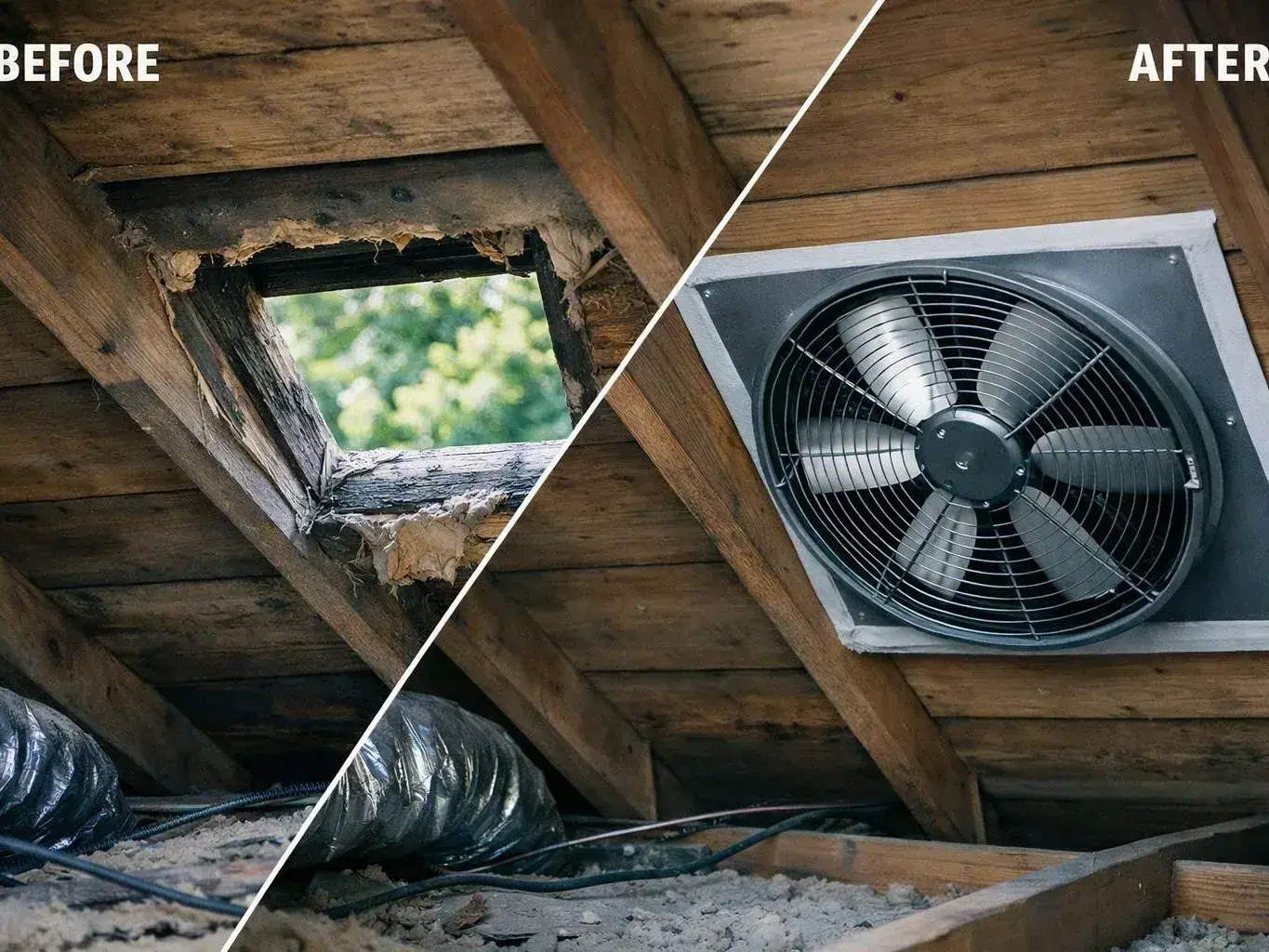
Attic Vent Path Survey
We inspect intake vents, exhaust vents, insulation, framing, and roof access. This shows where the fan can move air safely.
Attic fan work can reduce trapped summer heat in older Santa Ana homes. We check the roof path, wiring, and attic access first.
Moves trapped summer heat from the attic.
Protects the fan circuit with load testing.
Matches fan placement to the roof vent path.
Helps older Santa Ana homes avoid unsafe add-on wiring.
Accounts for wet winter roof conditions before installation.
Supports homes, offices, shops, and apartment properties.
According to U.S. Bureau of Labor Statistics (2024), U.S. electricians had a median annual wage of $62,350, a labor-cost benchmark for electrically wired attic-fan installation work.
Source: U.S. Bureau of Labor Statistics·Year: 2024
Data from U.S. Bureau of Labor Statistics (2024) shows that employment of electricians in the United States.818,700 jobs in 2024, indicating the size of the core trade workforce for residential electrical installations such as hardwired attic fans.
Source: U.S. Bureau of Labor Statistics·Year: 2024
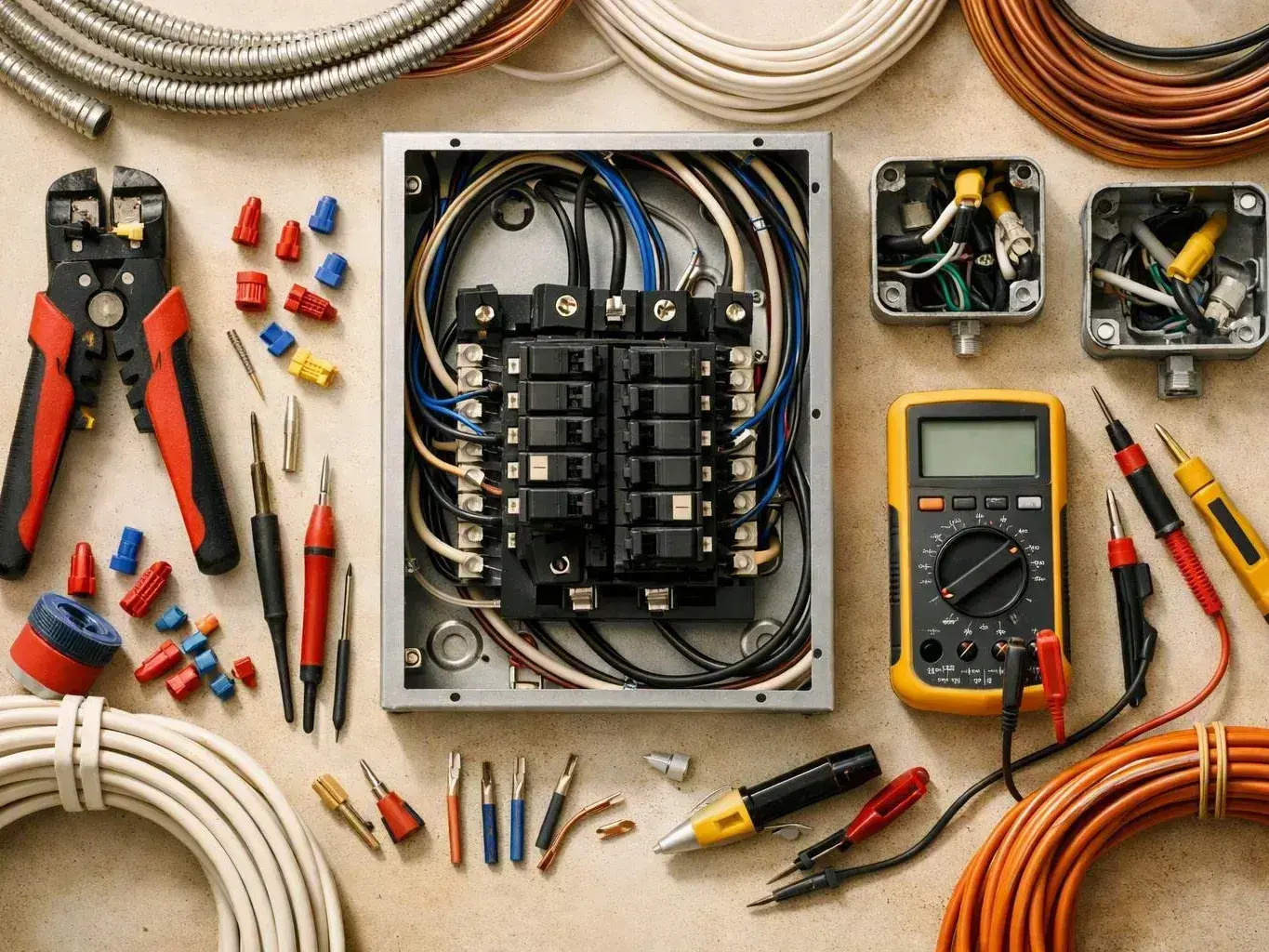
Attic Fan Installation is a ventilation upgrade that moves hot attic air outside. Attic Fan Installation differs from whole-house fans because it targets attic air, not indoor room air. In Santa Ana, older homes need attic fans checked against hot summers, roof vents, and panel capacity.
We inspect intake vents, exhaust vents, insulation, framing, and roof access. This shows where the fan can move air safely.
We trace nearby circuits and calculate added load before wiring. You receive a suitable power path instead of a guess.
We match the fan, thermostat, switch, and mounting method to the attic. This avoids poor control placement and weak air flow.
We install the branch wiring and fan mount under the National Electrical Code. The fan stays secure and the wiring stays protected.
We test voltage, controls, motor operation, and air movement. You receive practical notes about vents, noise, and future checks.
Santa Ana Electrician holds every Attic Fan Installation engagement to the same standard—from first inquiry through completed work. Here is what guides our process.
Every Attic Fan Installation case is reviewed against our own checks before sign-off, so you receive exactly what was agreed.
Clear documentation at every stage—what we reviewed, what we found, and what happens next.
Dedicated communication throughout the process—from your first inquiry to completed Attic Fan Installation.
These steps help the attic inspection stay safe and focused.
Attic Fan Installation moves air from the attic outdoors, while a whole-house fan moves indoor air into the attic.
Santa Ana attic fan wiring must follow the National Electrical Code and local permit rules.
We confirm the proper authority before work starts.
A professional inspection checks attic access, roof vents, framing, insulation, wiring, controls, and panel load.
Attic Fan Installation moves hot attic air through a powered roof or gable vent.
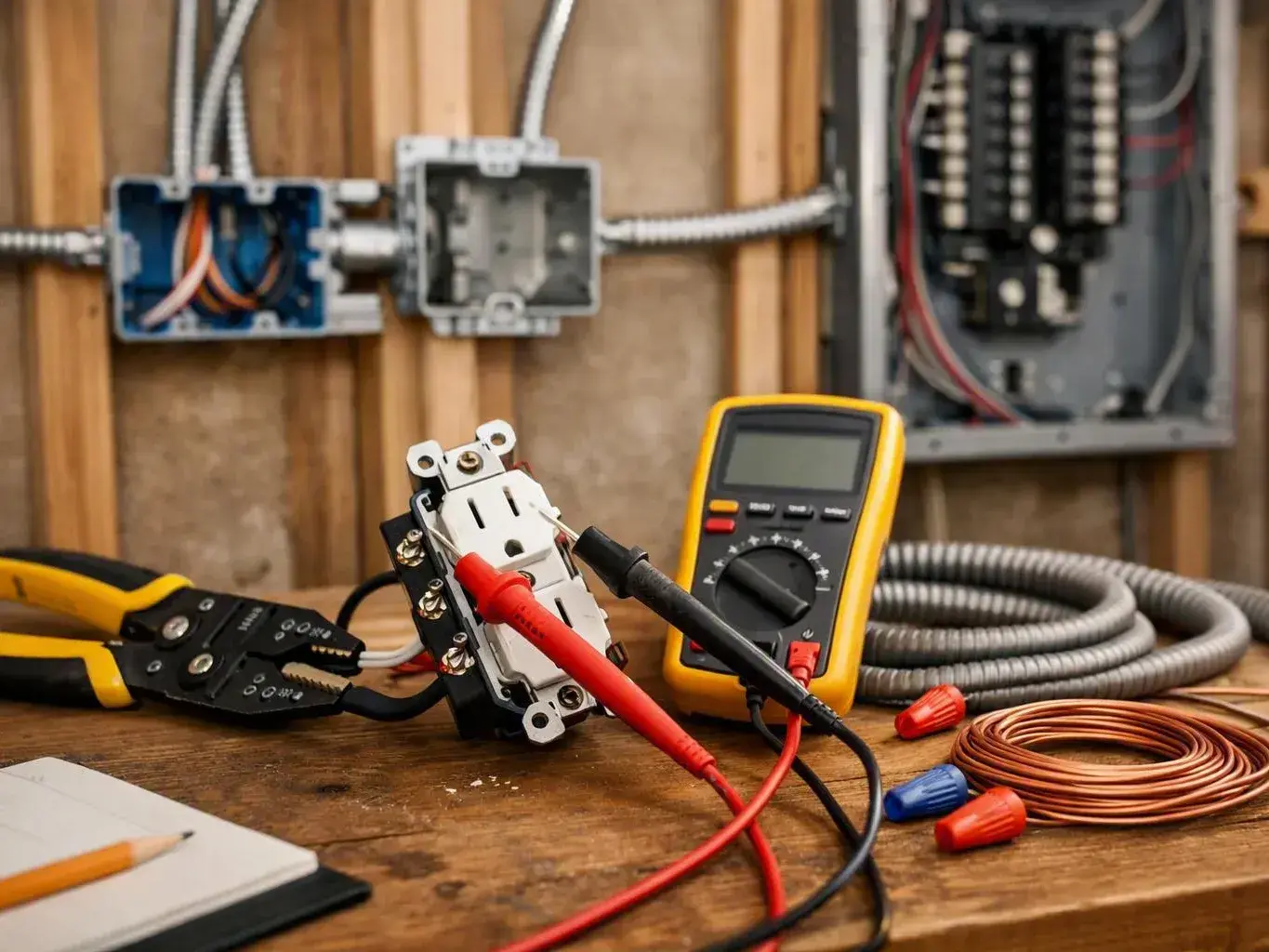
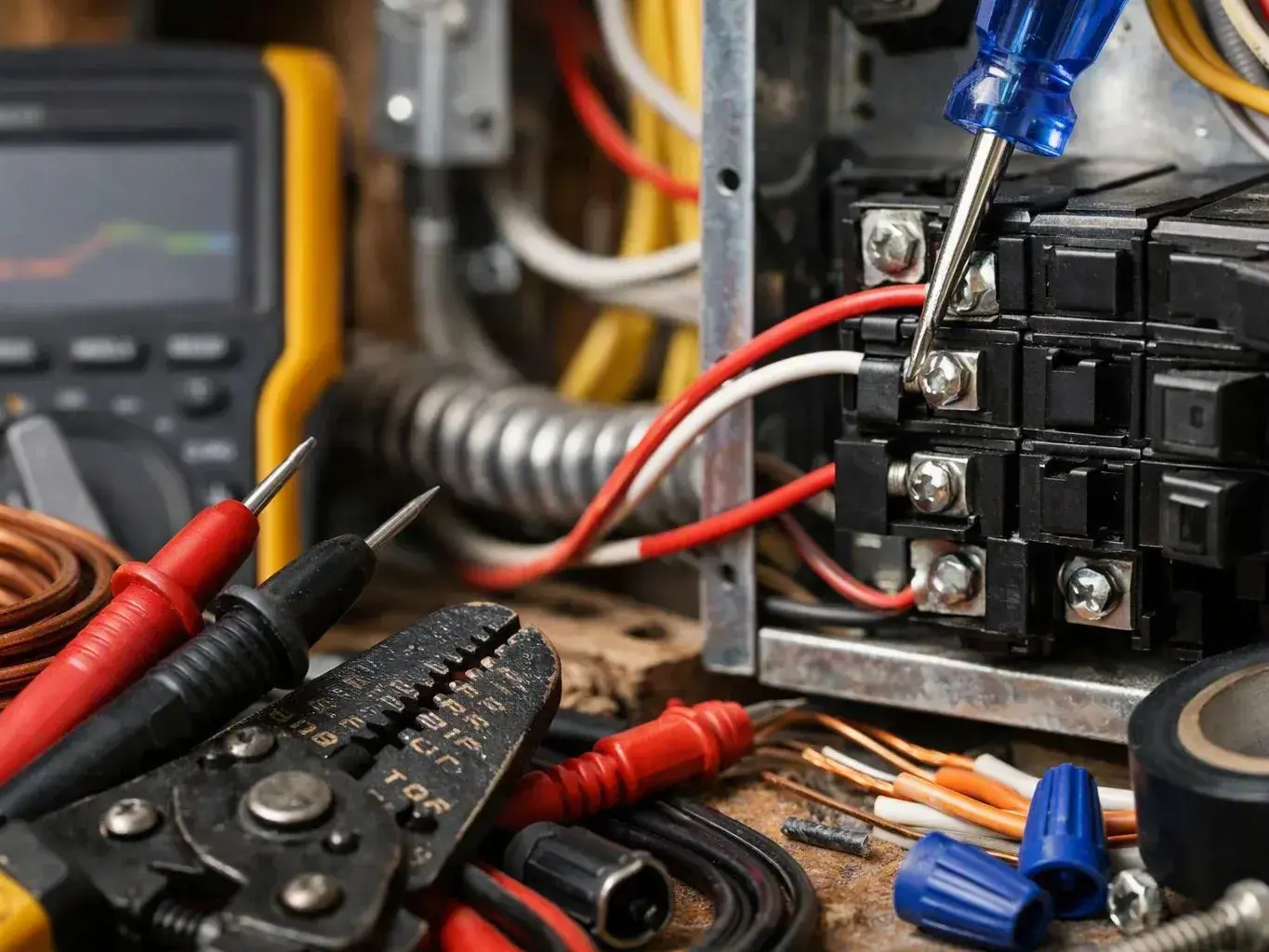
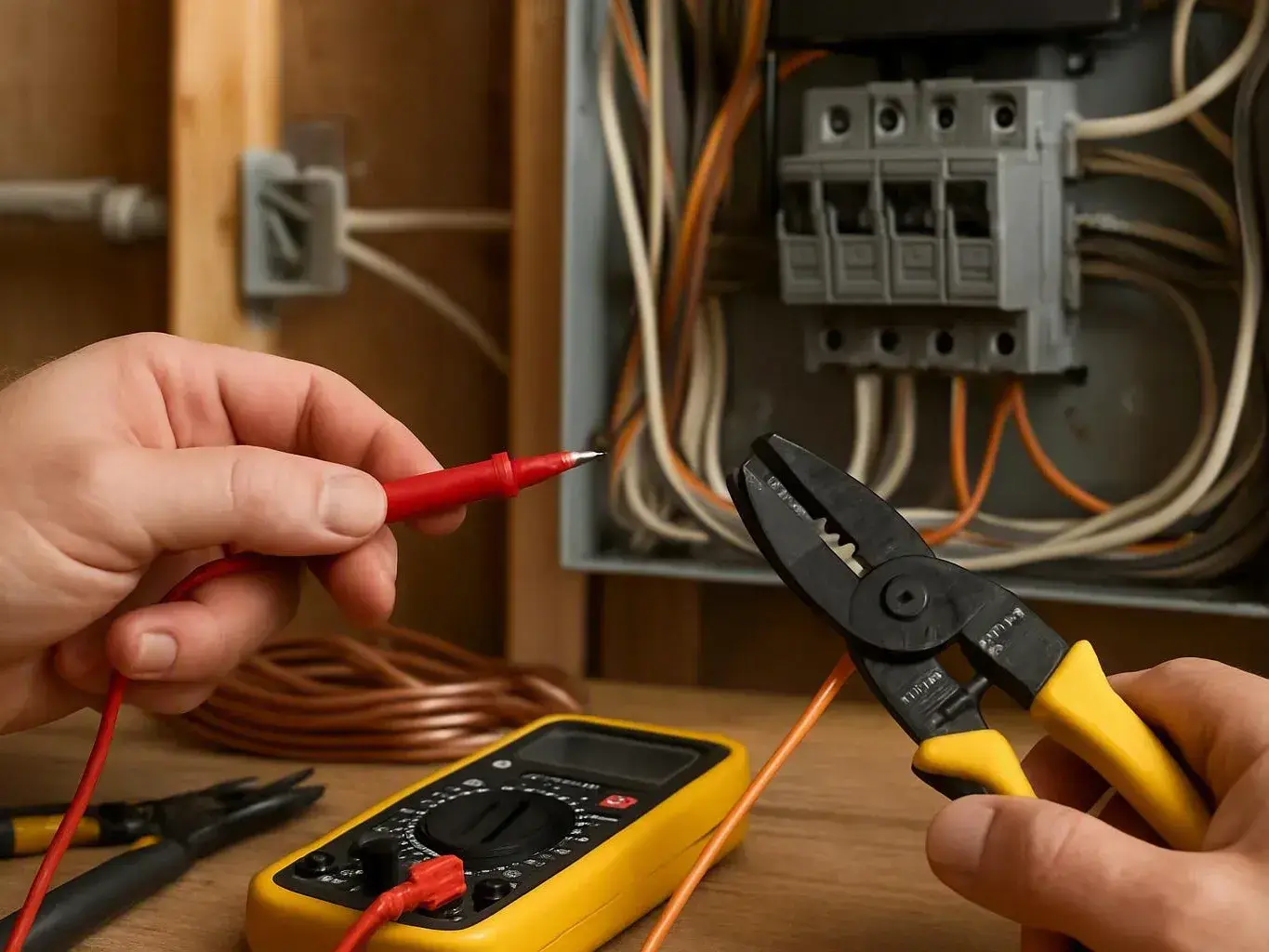
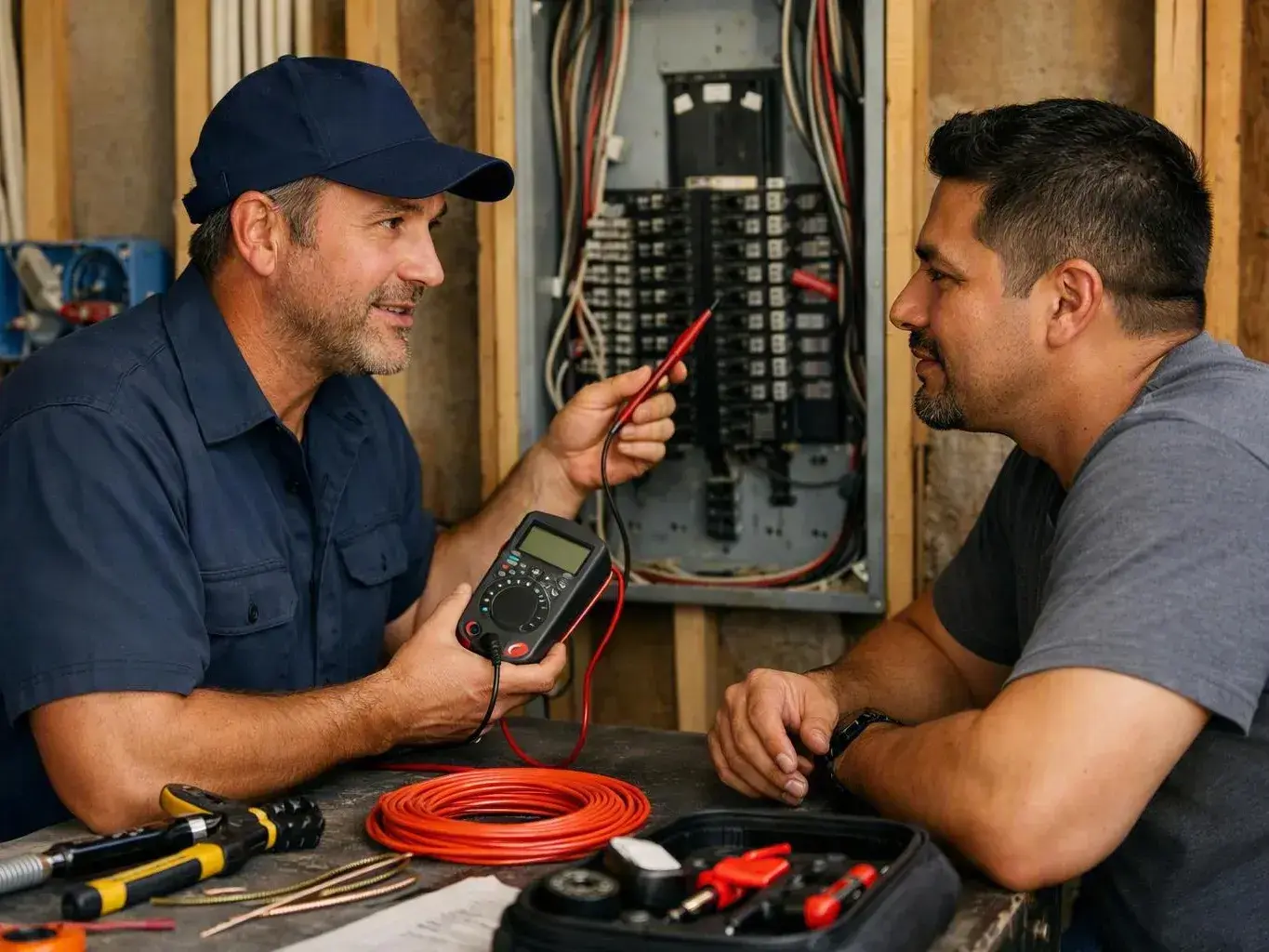
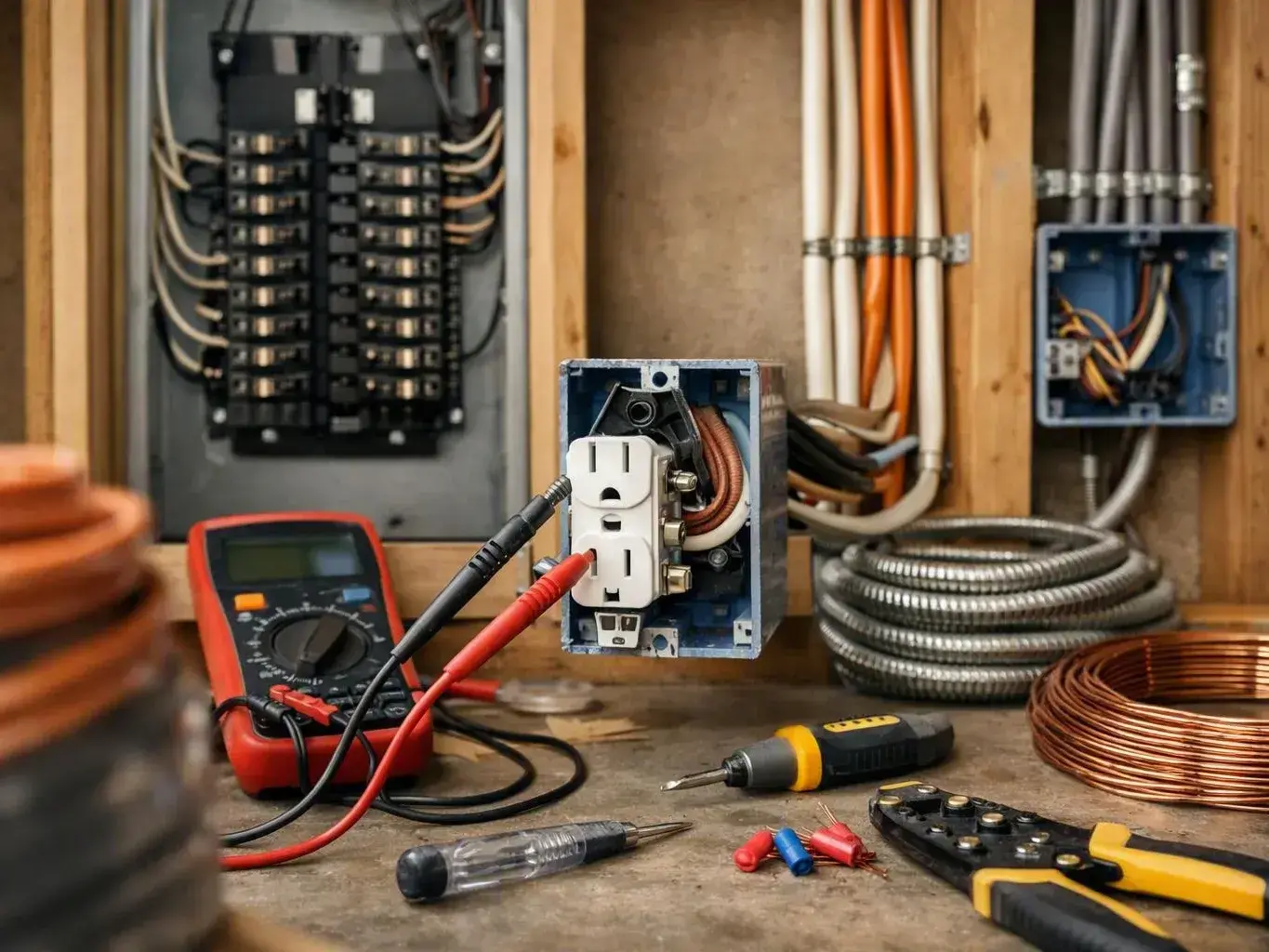
Your first deliverable is an attic vent and circuit check, with emergency dispatch or same-day scheduling when needed.
Call Santa Ana Electrician to discuss an outage, wiring concern, panel issue, or other electrical problem.
Santa Ana, CA
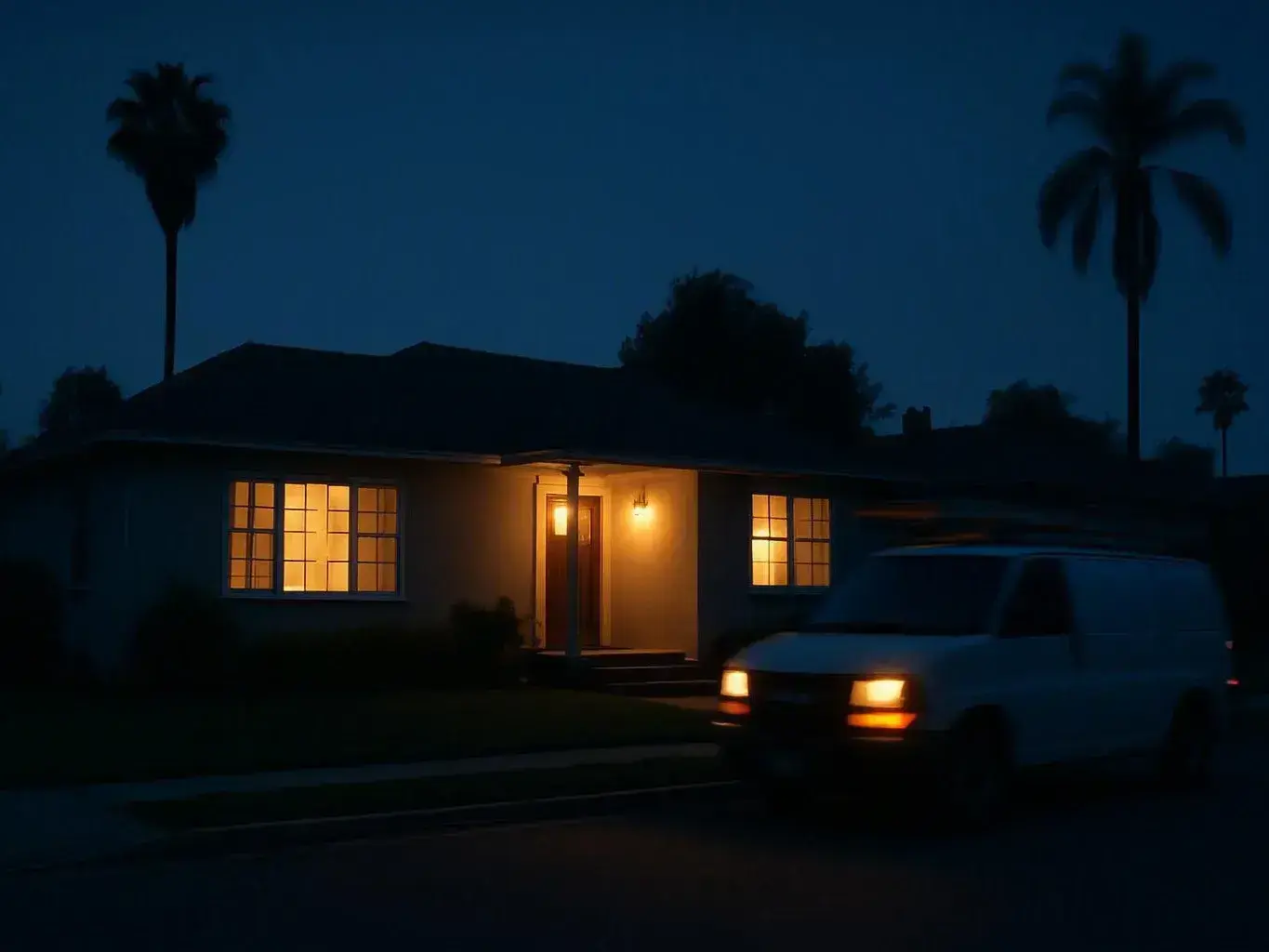
Safety comes first in Santa Ana, CA, when a fan hums, sparks, or trips a breaker before attic use. A visible burnt switch or dark wire may hide a loose connection above the ceiling. We isolate the circuit, inspect the fan path, and test the panel before recommending installation. Keep the switch off and avoid attic entry until the wiring is checked.
Roof access can limit fan placement in Santa Ana, CA, especially after dry summer heat and winter rain. We check vents, roof openings, insulation, and drainage paths before mounting equipment. This prevents a fan from masking a leak or pushing air through a blocked route.
A homeowner near Bowers Museum may find weak attic airflow in an older Santa Ana, CA bungalow. The fan may also share a circuit with lights or outlets, which raises a hidden load concern. We trace the circuit, inspect the panel, and check the roof path before choosing a fan control. We document the wiring route and explain any NEC or permit step needed for safe work.