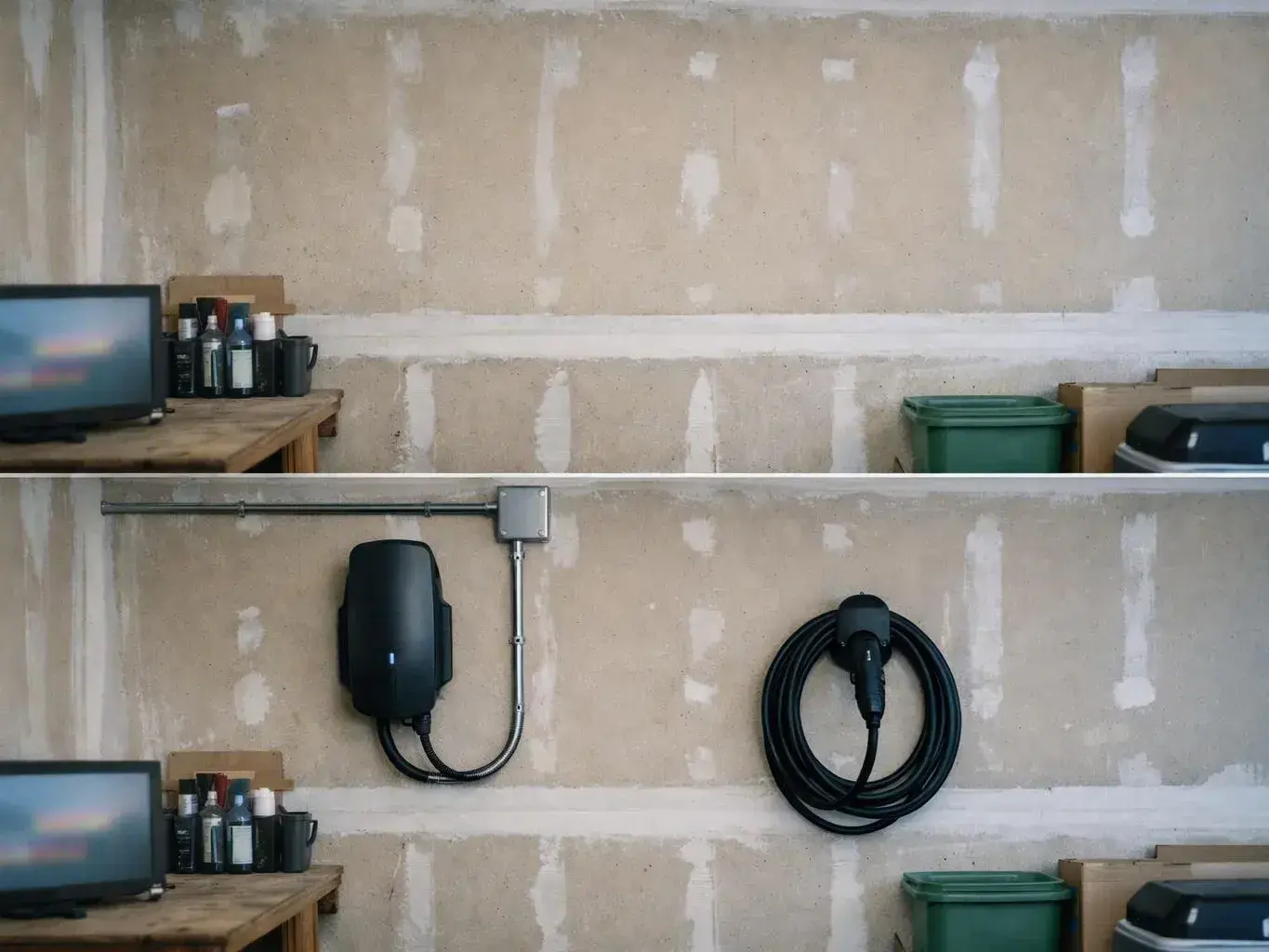
Vehicle Compatibility Check
We compare the EV, charger, software, and transfer switch requirements. This confirms whether vehicle-to-home power can work before site changes begin.
Move energy between your EV, home, and grid with a safe V2H setup. Older bungalows and hot, dry summers make load checks useful here.
Keeps selected lights, refrigeration, and network gear powered during outages.
Checks EV and charger compatibility before installation work begins.
Maps backup circuits so large loads don't overload the system.
Accounts for cooling demand during hot, dry Santa Ana summers.
Fits older bungalows and newer infill homes through circuit-specific planning.
Creates test records for transfer controls, grounding, and safe isolation.
Electrical failures or malfunctions cause an estimated 46,700 U.S. home structure fires each year.
Source, National Fire Protection Association·Year, 2024
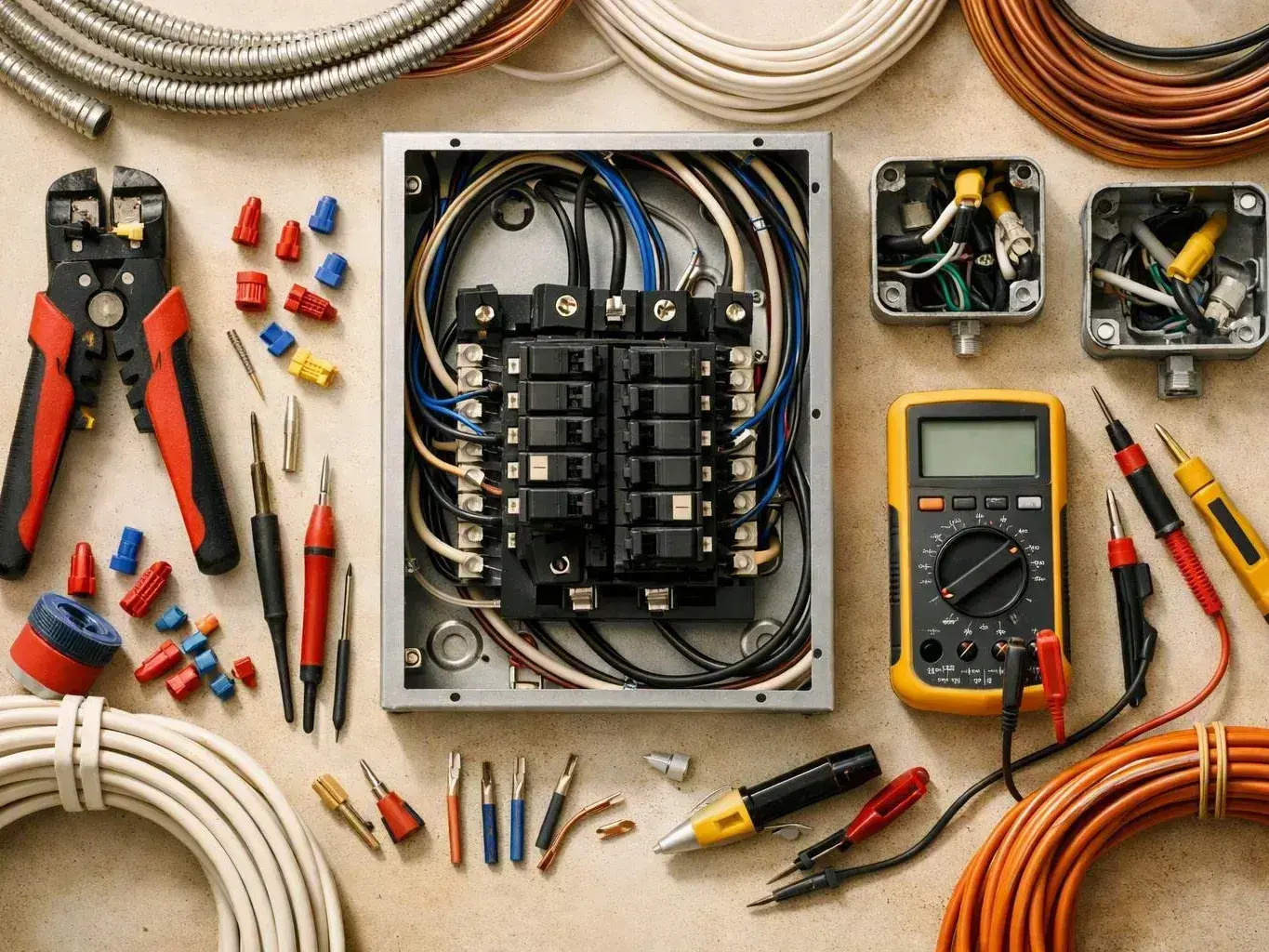
Bidirectional EV charger and vehicle-to-home installationis an electrical backup system that moves power between a compatible EV and selected home circuits. Bidirectional EV charger and vehicle-to-home installation differs from standard EV charging because it sends power back through approved transfer equipment.Santa Ana, older homes need load checks before bidirectional charging can support cooling and other key circuits.
We compare the EV, charger, software, and transfer switch requirements. This confirms whether vehicle-to-home power can work before site changes begin.
A load calculation measures panel demand during charging and backup use. The result shows which circuits can run safely together.
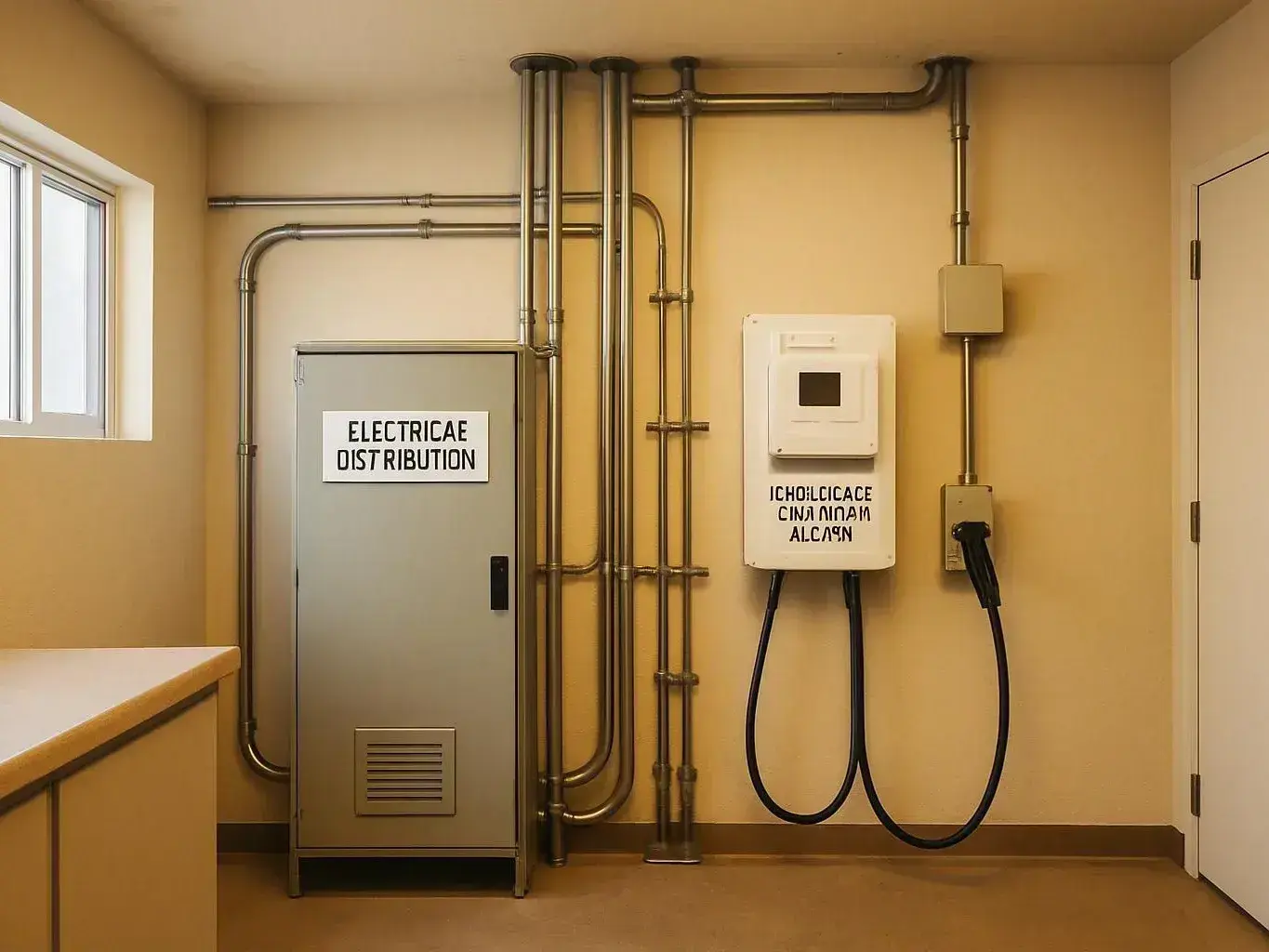
Circuit tracing identifies essential loads and separates them from large appliances. This gives the backup panel a clear, safe boundary.
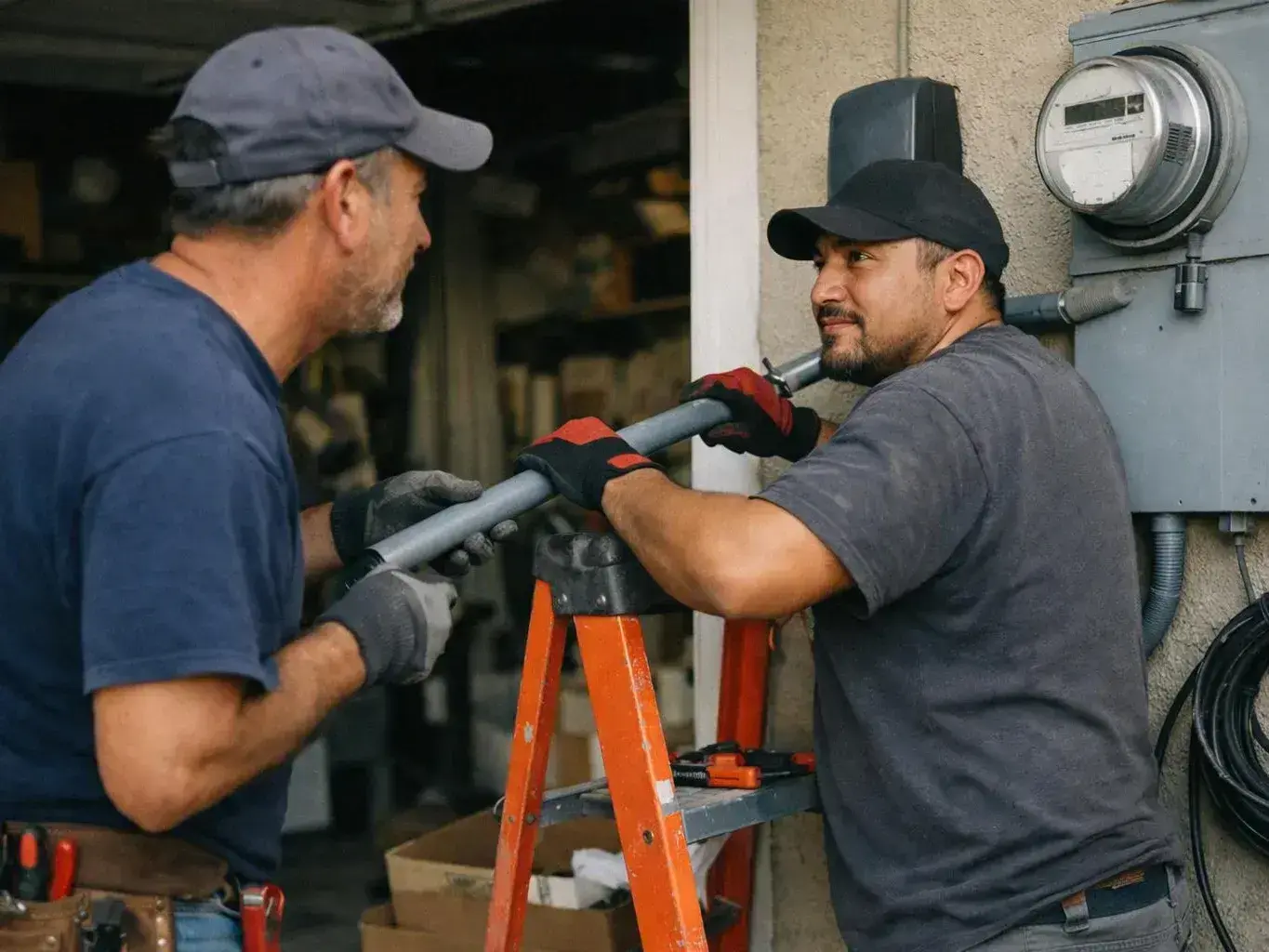
We install approved transfer gear and connect the bidirectional charger to the planned circuits. The equipment blocks unsafe backfeed to the utility grid.
Testing and verification checks shutdown, transfer, grounding, and return-to-grid functions. You receive a clear record of what the system supports.
Santa Ana Electrician holds every Bidirectional EV charger and vehicle-to-home installation engagement to the same standard—from first inquiry through completed work. Here is what guides our process.
Every Bidirectional EV charger and vehicle-to-home installation case is reviewed against our own checks before sign-off, so you receive exactly what was agreed.
Clear documentation at every stage—what we reviewed, what we found, and what happens next.
Dedicated communication throughout the process—from your first inquiry to completed Bidirectional EV charger and vehicle-to-home installation.
Gather these details before the site visit so the load and backup plan stays accurate.
Whole-home backup depends on the EV, charger, panel capacity, and selected loads. Most designs begin with a load calculation and circuit map.
Older homes near Downtown Santa Ana may need grounding or panel work before testing.
Vehicle-to-home installation follows compatibility checks, load calculation, circuit mapping, transfer isolation, and islanded power testing. The National Electrical Code guides wiring and grounding rules.
This workflow prevents a standard charger install from being treated like a V2H system.
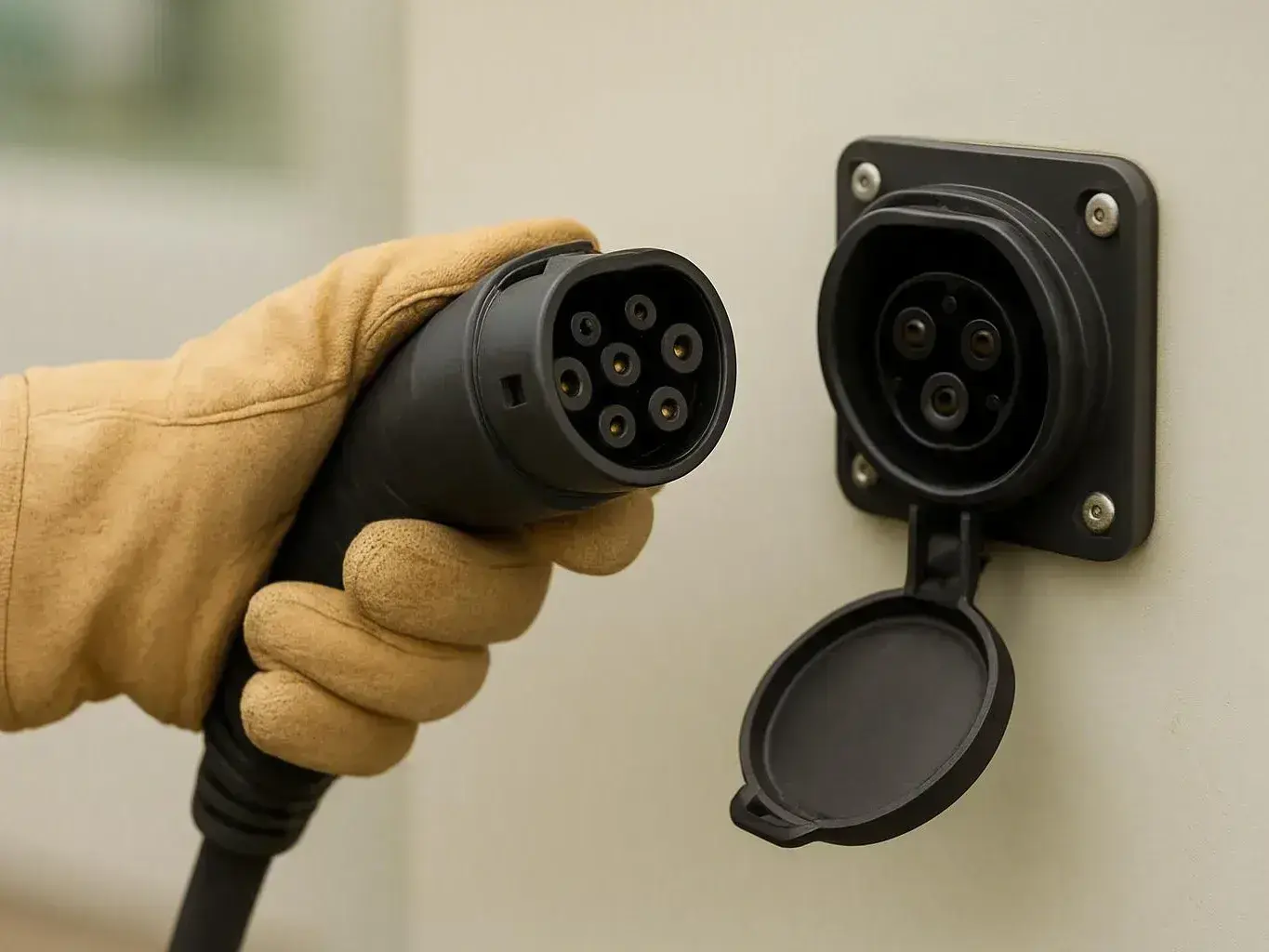
Bidirectional EV charger and vehicle-to-home installation connects a compatible EV to selected home circuits.
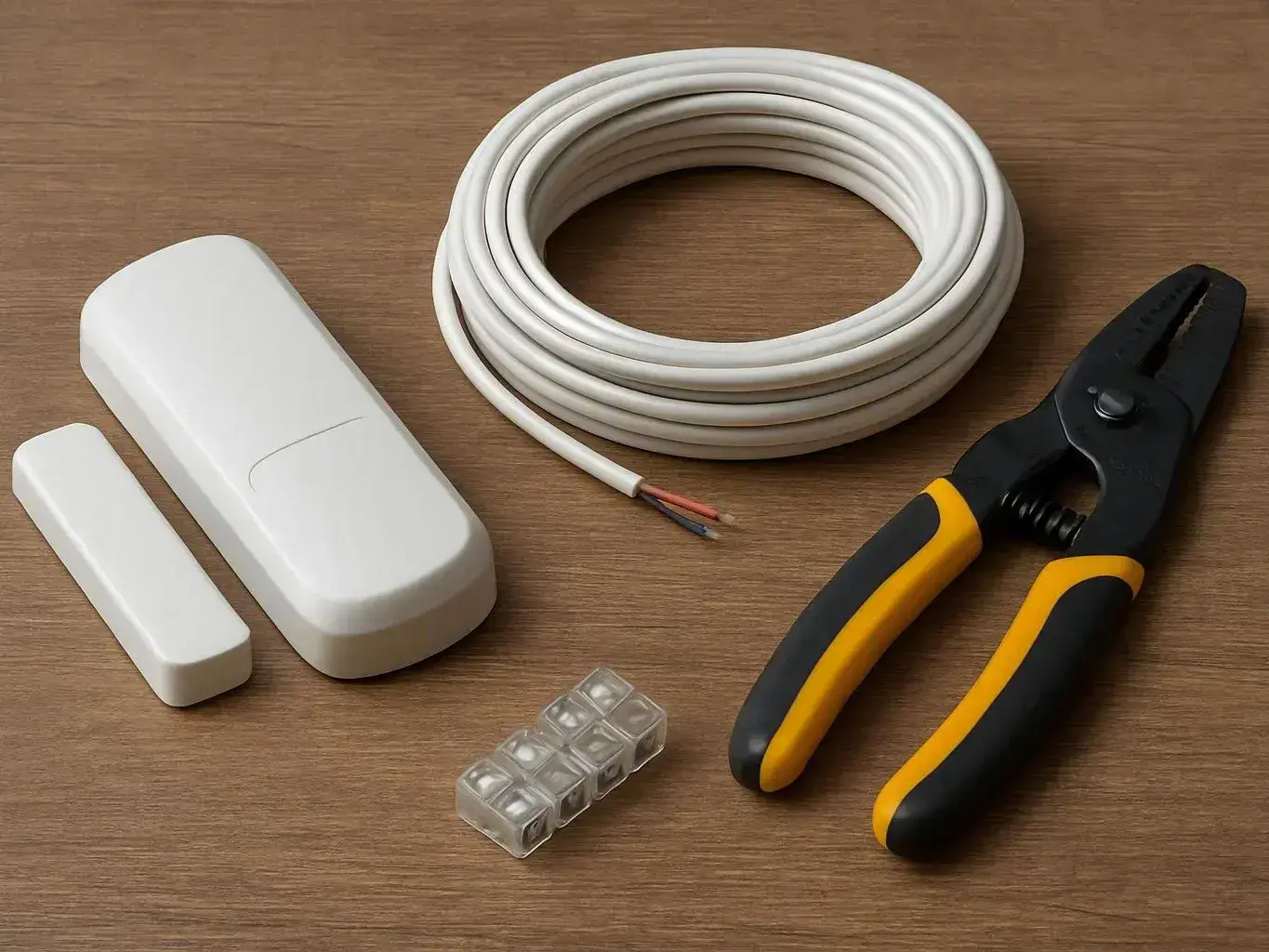
After you request an estimate, we’ll review EV details and panel photos, then plan emergency dispatch or same-day scheduling around your property’s needs.
Call Santa Ana Electrician to discuss an outage, wiring concern, panel issue, or other electrical problem.
Santa Ana, CA

Limited wall and panel space can complicate work in a Santa Ana, CA bungalow. Older wiring may hide grounding gaps or worn connections behind finished walls. We trace circuits, check the service equipment, and run a load calculation before selecting backup loads. A permit review may apply before the transfer gear is installed. The safe next step is to avoid energizing an untested V2H system.
A backup system that stops during a hot Santa Ana, CA night needs safe containment first. We isolate the charger and transfer gear, then check heat, loose connections, and overload signs. Keep the EV disconnected until testing confirms safe operation.
A shop owner near Downtown Santa Ana, CA sees flickering lights before opening. Warm weather and heavy cooling use may expose a weak circuit or poor load plan. We trace the affected circuit, check the panel, and confirm backup limits before use. The owner gets prevention steps for future outages.