Skip to content

Ceiling Fan Repair in Santa Ana, California

We repair ceiling fans for homes, rentals, offices, and commercial properties. Our licensed and insured electricians are available day and night.

Licensed & InsuredFree EstimatesWarranty AvailableSame-Day Service
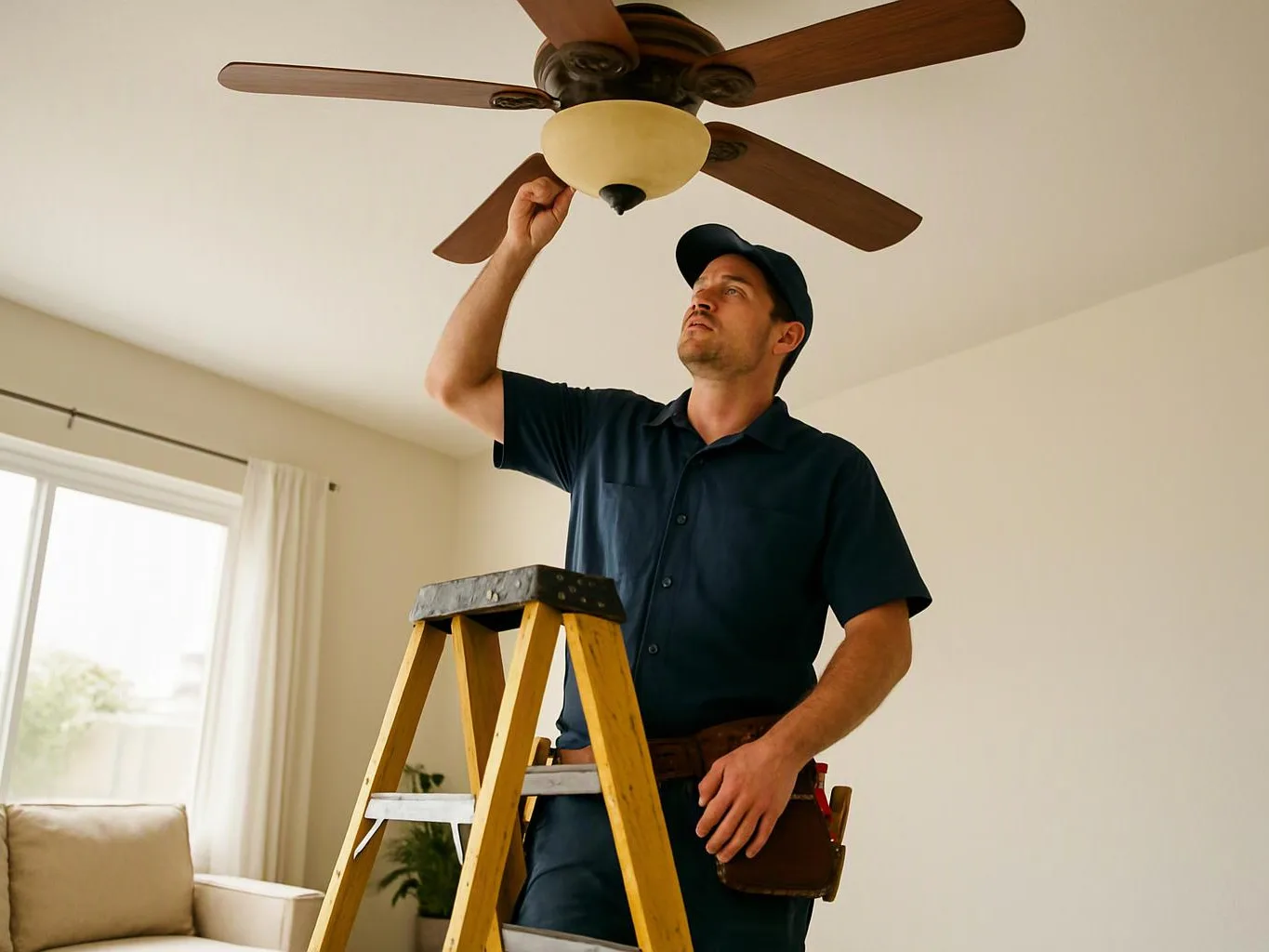
Ceiling Fan Repair serves Santa Ana homeowners, landlords, businesses, and property managers through Santa Ana Electrician. We inspect fans that wobble, hum, stop turning, or lose speed, then trace the fault through the switch, wiring, motor, and mounting point. We're open 24 hours a day, every day. You can request a free estimate after we assess the fan and explain the recommended repair.

What a repaired ceiling fan changes

Stable fan movement reduces strain on the mount and blades.

A tested control path helps the fan respond to its switch or remote.

Fault tracing separates a fan problem from a wider wiring issue.

A clear repair recommendation helps you choose repair or replacement.

Ceiling Fan Repair is an electrical service that diagnoses and fixes faults in fan controls, wiring, motors, mounts, and related parts.
  • Ceiling fan repair differs from a lighting installation because it requires checks for rotation, balance, motor load, and control response.
  • The service applies to homes, rentals, offices, and commercial properties across the stated service area.
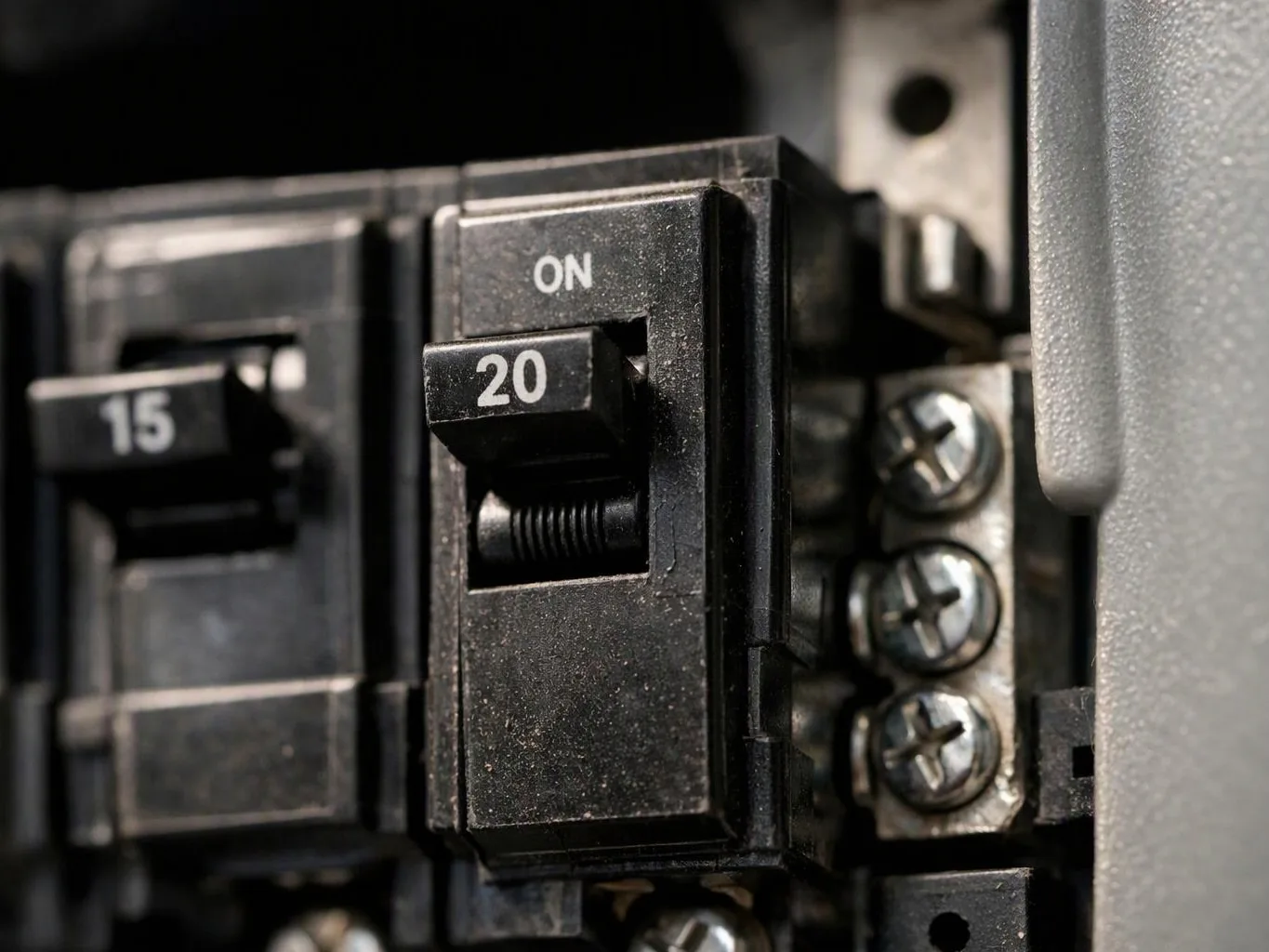
Close-up of a circuit breaker panel with numbered switches and metal screws inside a gray electrical box
About

What ceiling fan repair covers

Ceiling fan repair covers the electrical and mechanical parts that keep a fan running. We check the wall switch, remote receiver, wiring connections, motor, capacitor, blades, and ceiling box. The exact repair depends on where the fault starts. A fan that will not turn needs a different diagnosis from one that turns but wobbles. We trace the symptom, isolate unsafe power, and test each related part. This helps us decide whether repair, component replacement, or a larger electrical correction fits the property. Our practical view is simple: a fan should not keep running when its mount is loose or its wiring shows heat damage. We identify the failure mode first, then give a free estimate and clear recommendations before work begins.

Process

How we repair a ceiling fan step by step

1

Record the fan symptoms

We ask when the fan stops, how it sounds, and whether the light or controls still work. These details help narrow the failure mode.

2

Inspect the mount and blades

We check the ceiling box, mounting bracket, blade screws, and visible signs of movement. A loose mount must be addressed before electrical testing continues.

3

Trace power and controls

We test the switch, remote receiver, connections, and fan wiring. We isolate the circuit before handling electrical parts.

4

Test the motor and related parts

We assess the motor response, capacitor, speed control, and light connection when those parts relate to the symptom.

5

Explain the repair path

We explain the recommended work clearly, provide a free estimate, and identify whether repair or component replacement makes better sense.

What to prepare before ceiling fan repair

A few details help us assess the fan safely and explain the next step.

  • Note whether the fan hums, wobbles, stops, or changes speed.
  • Keep the wall switch and remote control available.
  • Move furniture away from the fan and provide safe access below it.
  • Tell us whether the fan light has the same fault.
  • Share any burning smell, sparking, warm switch plate, or breaker trip.

The Santa Ana Electrician Standard

Initial Assessment

We assess the fan, controls, mounting point, and visible wiring before beginning ceiling fan repair.

Systematic Troubleshooting

We trace switches, receivers, capacitors, motors, and connections systematically when ceiling fan symptoms overlap.

Repair Diagnosis

We diagnose the fan fault before replacing components, then explain the repair path and estimate clearly.

Questions about ceiling fan faults and repairs

Who repairs a ceiling fan that will not turn on?

Santa Ana Electrician repairs ceiling fans that will not turn on by checking the switch, wiring, receiver, capacitor, and motor. We start with an electrical assessment before removing parts. A working light does not prove that the fan motor or control path is sound. We explain the fault and provide a free estimate for the recommended work.

Can a ceiling fan be repaired, or should it be replaced?

Ceiling fan repair is suitable when the fault is limited to a control, connection, capacitor, mount, or replaceable part. We inspect the fan and its wiring before recommending a choice. A damaged motor or support point can change the repair path. Our recommendation follows the diagnosed fault, property needs, and condition of the fan.

Why does my ceiling fan wobble and make noise?

A wobbling or noisy fan often has loose mounting hardware, uneven blades, damaged blade supports, or a motor problem. We inspect the ceiling box and mounting bracket before testing operation. Turn the fan off if movement is severe or the sound includes scraping. The repair must address the source of movement, not only tighten visible screws.

What changes the cost of repairing a ceiling fan?

The repair cost depends on the failed part, wiring access, mounting condition, control type, and whether the light shares the same fault. We assess those factors before giving a free estimate. A switch issue may require a different repair from a motor or ceiling-box concern. You’ll receive clear recommendations tied to the observed problem.

What should I do if the fan smells hot or trips the breaker?

A hot smell or repeated breaker trip means the fan should stay off until we inspect it. We check for overheated connections, motor faults, damaged wiring, and control problems. Do not keep resetting the breaker to make the fan run. Tell us what happened and whether the switch plate, fan housing, or outlet feels warm.

Can you repair a ceiling fan in a rental or business?

Yes, we repair ceiling fans in rentals, offices, and commercial properties as well as homes. We need access to the fan, its wall control, and the related electrical panel or circuit when testing requires it. Property managers can share tenant access details and the reported symptom. We then assess the fan and explain the repair options.

Common Mistakes With Ceiling Fan Repair

  • Tightening blade screws without checking the ceiling box can leave a loose mount in service. We inspect the bracket and support before balancing the fan.
  • Replacing a wall switch without testing the receiver or capacitor can leave the original fault active. We trace the control path before choosing a part.
  • Resetting a tripped breaker again and again can hide an overheated connection or motor fault. We isolate the circuit and diagnose the cause before restoring use.
  • Replacing the motor without checking the wiring can miss heat damage at the canopy or switch. Our electricians inspect connections and test the related circuit first.

Key Points About Ceiling Fan Repair

  • A fan can have a control fault even when its light still works.
  • Strong wobble requires a mounting and ceiling-box check.
  • Humming may involve the capacitor, motor, receiver, or switch.
  • Repeated breaker trips call for diagnosis before more resets.
  • We explain repair or replacement after checking the actual fault.
Contact

Request a Ceiling Fan Repair Estimate in Santa Ana

Tell Santa Ana Electrician about the fan problem and request a free estimate, urgent requests get priority scheduling.
Close-up of a black circuit breaker switch labeled MAIN and on inside a gray electrical panel
Scenarios

When Customers Call Us About Ceiling Fan Repair

1

Fan Shakes Over a Living Room

A ceiling fan that shakes during use may have loose mounting hardware, uneven blades, or a weak ceiling box. The movement matters because continued operation can strain the mount and wiring. Turn the fan off and keep people clear of the area. We’ll inspect the support point, blade set, and electrical connections before recommending repair.

2

Motor Hums Without Rotation

A humming fan with no rotation can point to a failed capacitor, motor fault, or control problem. The light may still work, so the symptom needs a separate fan diagnosis. Leave the switch off if the motor gets hot or smells burnt. We’ll trace power through the control and fan assembly, then explain the repair path.

3

Rental Fan Loses Its Speed

A rental property fan that changes speed or stops responding can involve the wall control, remote receiver, wiring, or motor. Access and tenant safety matter before anyone removes the canopy or blades. Keep the control with the fan and note when the fault occurs. We’ll coordinate the inspection details with the landlord or property manager.

Our Other Services

Emergency Electrical RepairSudden sparks, burning smells, or dead circuits need prompt attention before damage spreads. We trace the fault, secure damaged wiring, and repair switches, receptacles, or breakers so your home or business can use power safely again.
Power Outage TroubleshootingA dark property may have a tripped main, damaged service connection, or utility-side failure. We test the electrical panel, meter connection, and branch circuits to identify the outage source and restore dependable power.
Short Circuit RepairA short circuit can trip breakers repeatedly and damage connected equipment. We locate the fault in cables, junction boxes, or receptacles, then replace damaged conductors and restore safe circuit operation.
Circuit Breaker RepairRepeated trips or a breaker that won't reset can leave important rooms without power. We inspect the breaker, bus connection, and circuit load, then correct the fault and return reliable protection to the circuit.
Circuit Breaker ReplacementA worn breaker may feel hot, trip often, or fail to protect its circuit. We match the replacement to the panel brand and amperage, install it correctly, and test the affected branch circuit.
Main Breaker ReplacementA failing main breaker can shut down an entire property or create dangerous heat inside the panel. We replace the service disconnect with a compatible unit and verify stable power throughout the electrical system.
(949) 850-2844