What parts may need replacement during commercial electrical repair?
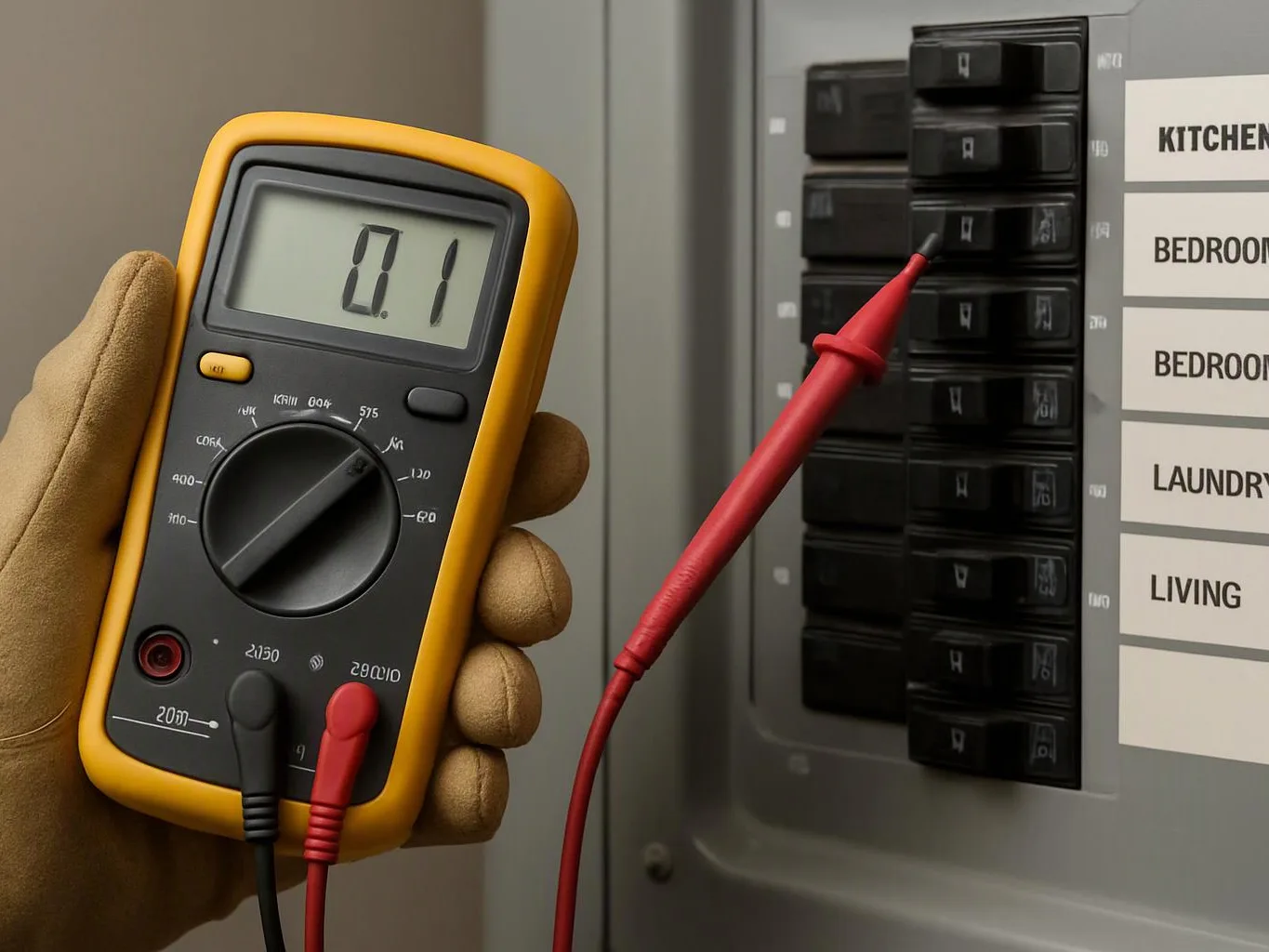
Santa Ana Electrician may replace contactors, circuit breakers, fuses, terminal blocks, or conduit fittings when testing shows failure or damage. We also inspect related wiring and connections because a new part alone may not address the fault. The exact replacement depends on the equipment, circuit, and condition found during diagnosis.
Which part of the property decides the repair scope?
The affected equipment and its supplying circuit decide the repair scope. A panel, disconnect, outlet, lighting run, or control circuit may require different checks. Access, wiring condition, connected load, and the location of the failed part also guide the repair. We explain those findings before work begins.
Which material changes how long the repair takes?
Damaged aluminum wiring, brittle insulation, or tight conduit access can add work to a repair. Copper conductors, terminal blocks, conduit fittings, and enclosure parts also affect the steps required. We inspect the material and connection path first, then provide a scope based on what the property needs.
How does a commercial electrical repair visit move from the first call to the last step?
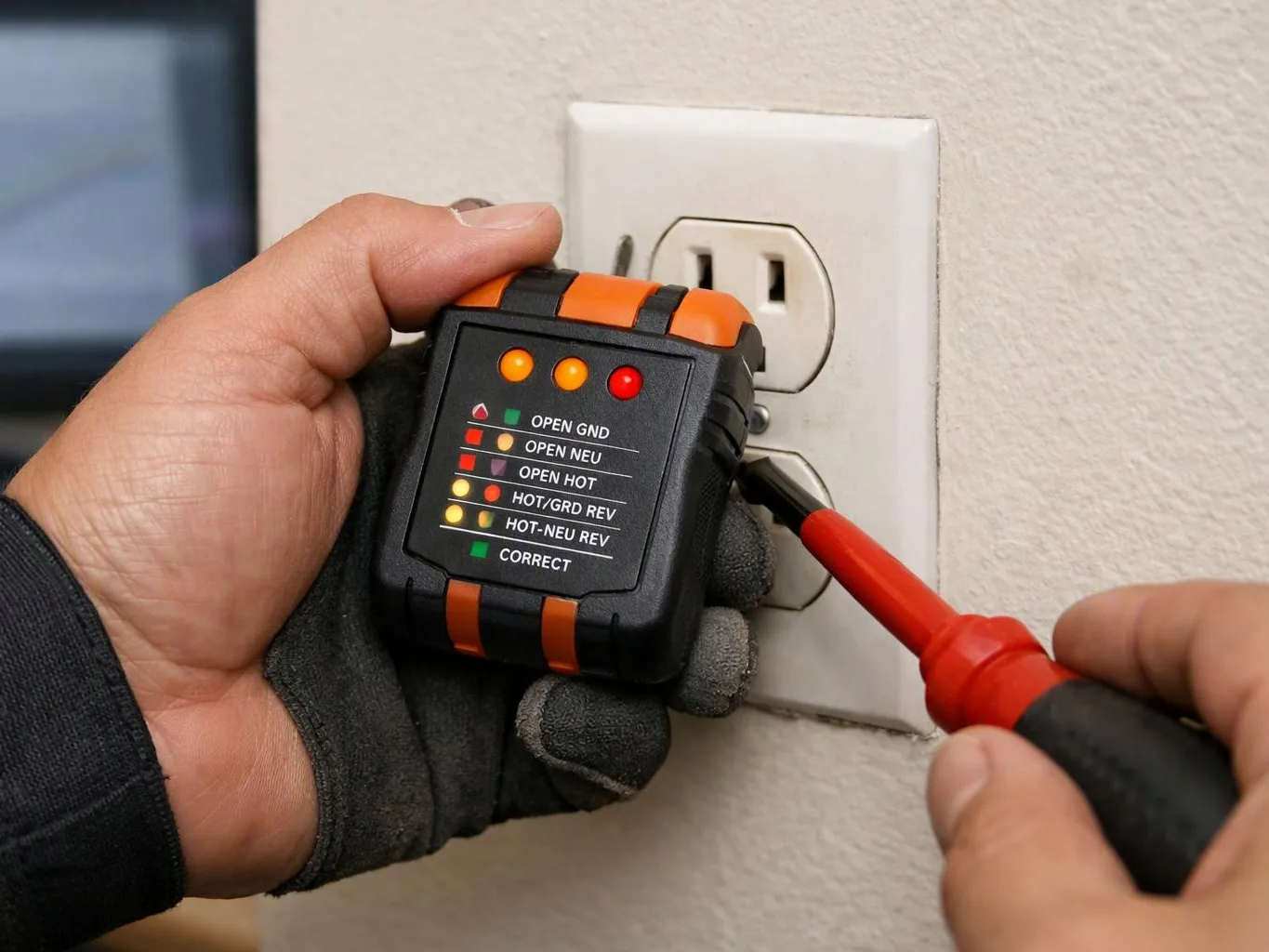
The visit moves from symptom review to inspection, circuit tracing, testing, repair, and final verification. We first identify the affected equipment or circuit. Then we test the suspected parts, explain the repair choice, complete the work, and check the repaired function before closing the job.
What should a business share before requesting an electrical repair?
The business should share the affected equipment, visible symptoms, recent electrical changes, and any breaker or fuse activity. Photos of the panel or damaged fitting can help us understand access needs. Staff should stop using a circuit that smells hot, sparks, or trips repeatedly until it is assessed.
Can a panel concern require more than a part replacement?
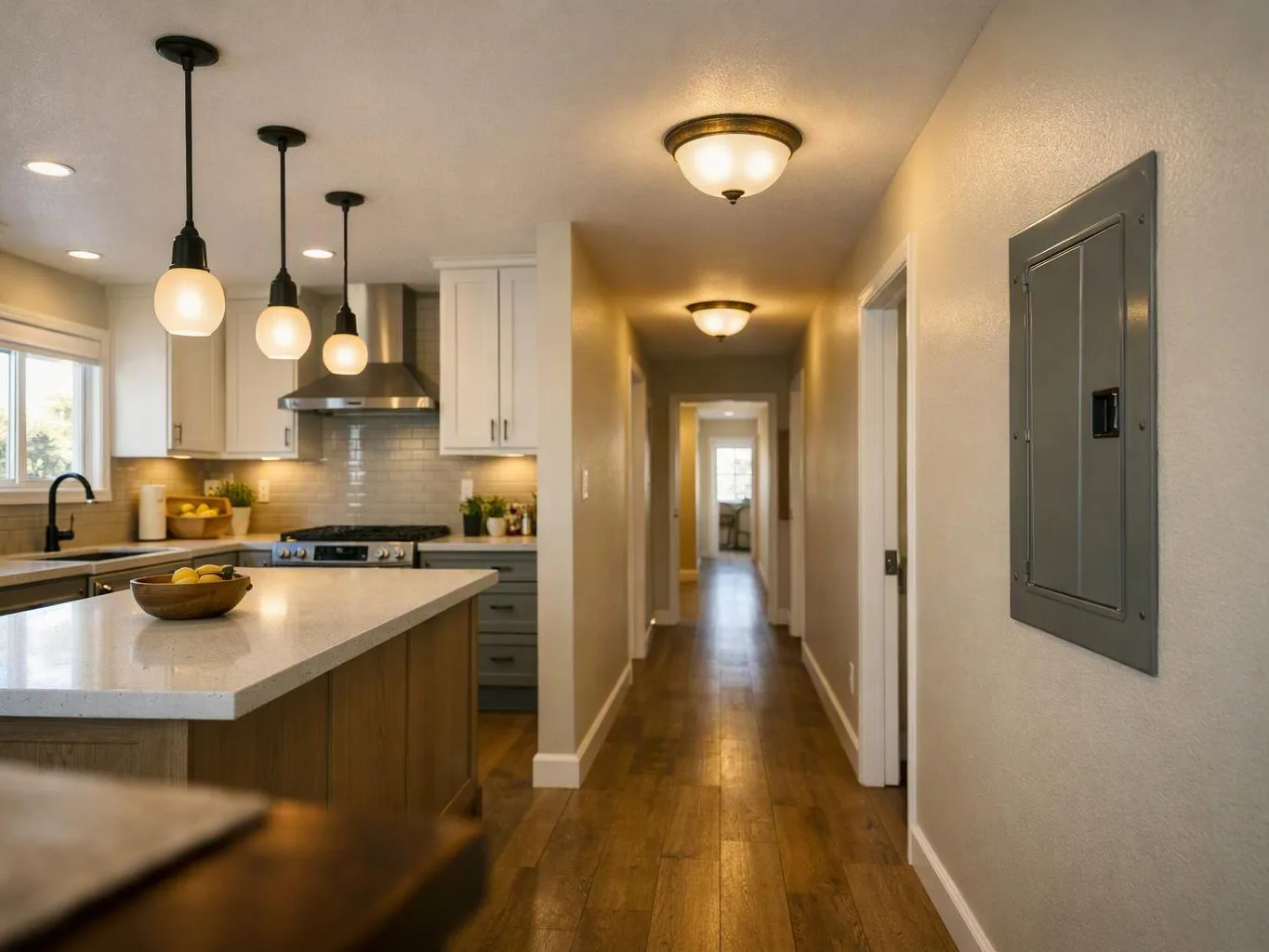
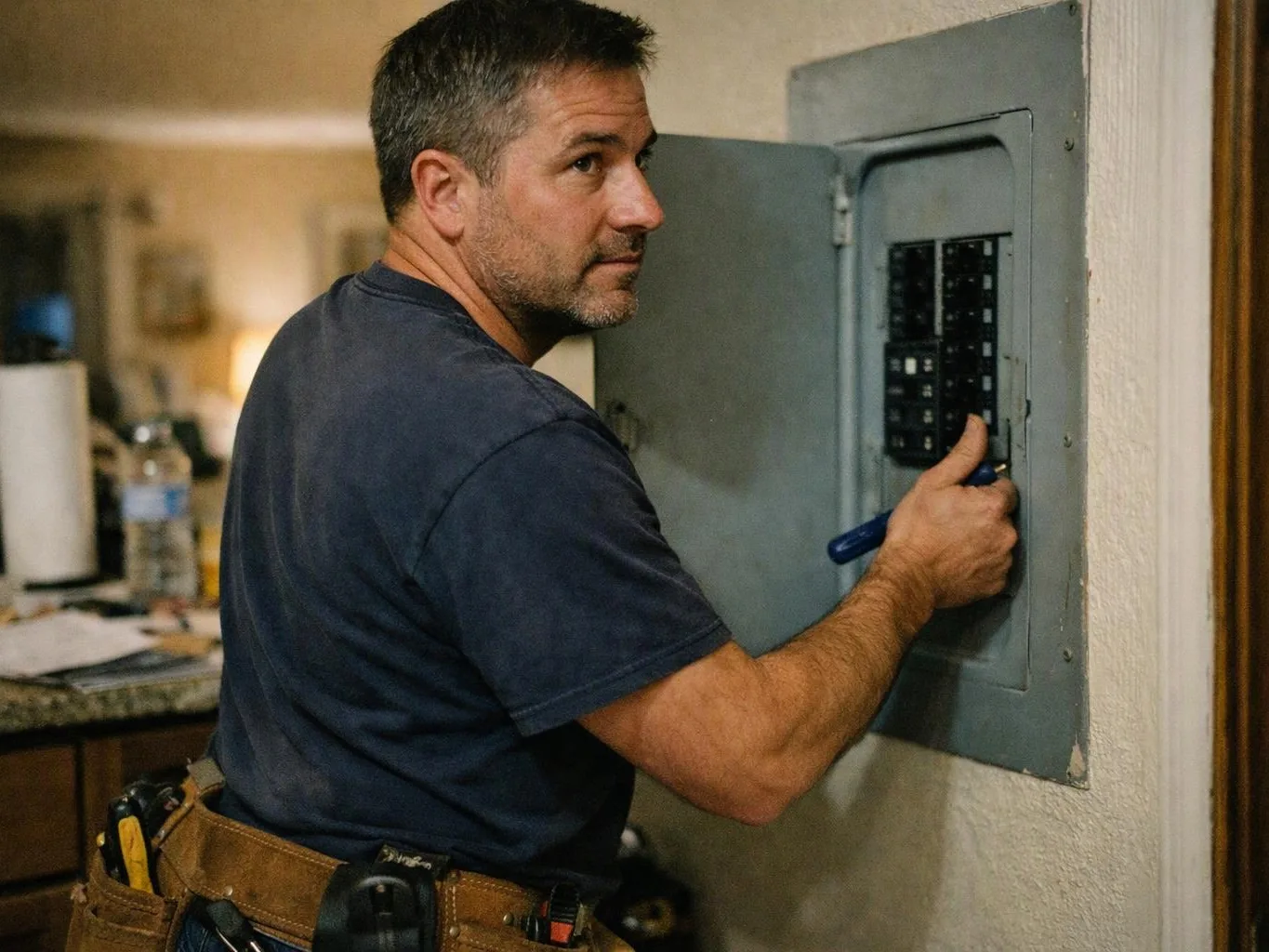
A panel concern can require more than replacing one breaker or fuse when testing finds heat damage, poor connections, overloaded circuits, or limited capacity. We inspect the panel and connected circuits before recommending an upgrade. A repair addresses the present fault, while an upgrade changes the system for added demand.
When does a commercial electrical fault become urgent?
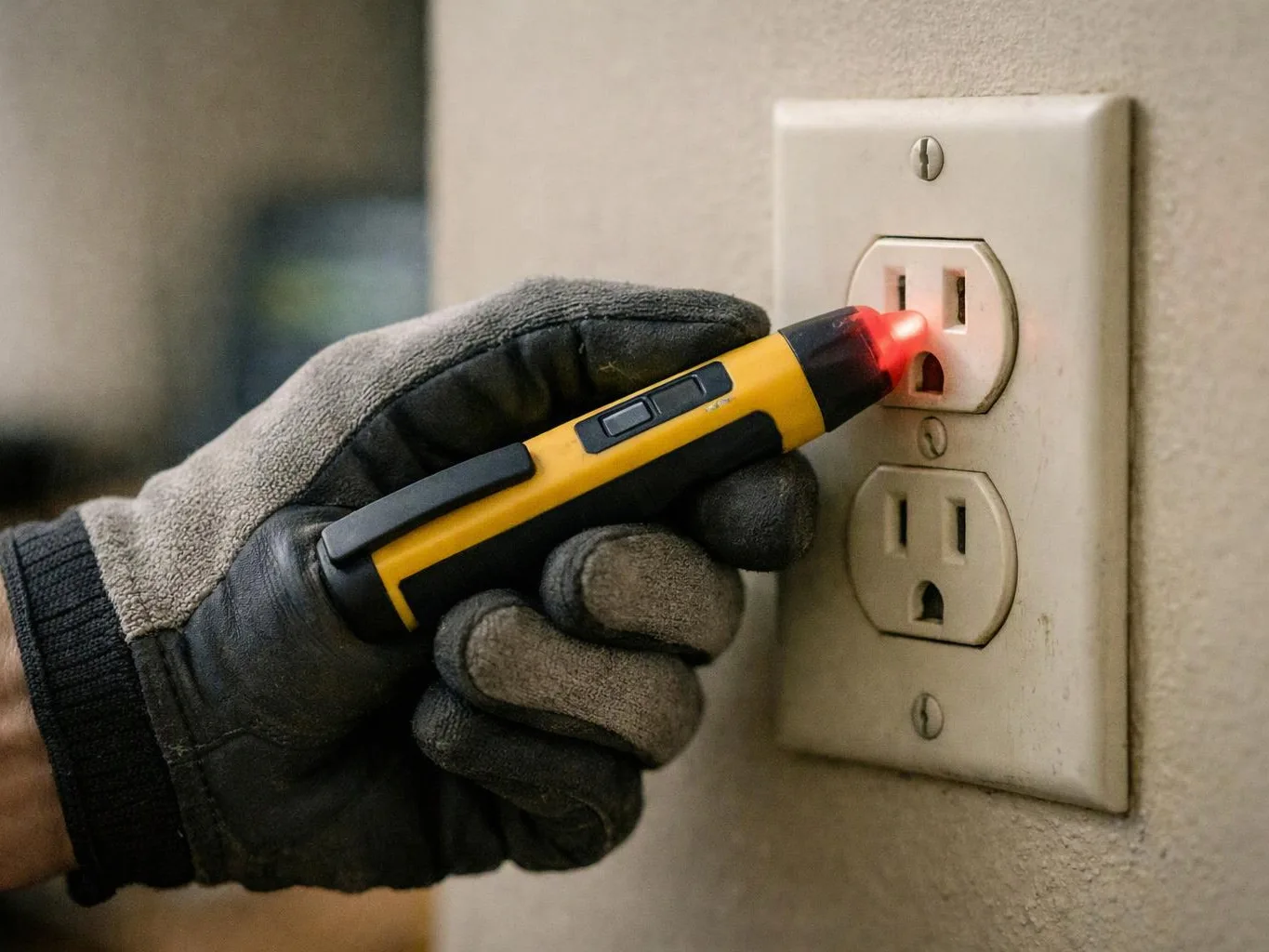
A burning smell, sparking outlet, buzzing panel, or warm switch plate makes the fault urgent. Stop using the affected equipment and keep people away from the area. We can assess the condition and identify whether the issue involves a breaker, wiring, terminal, panel, or connected load.