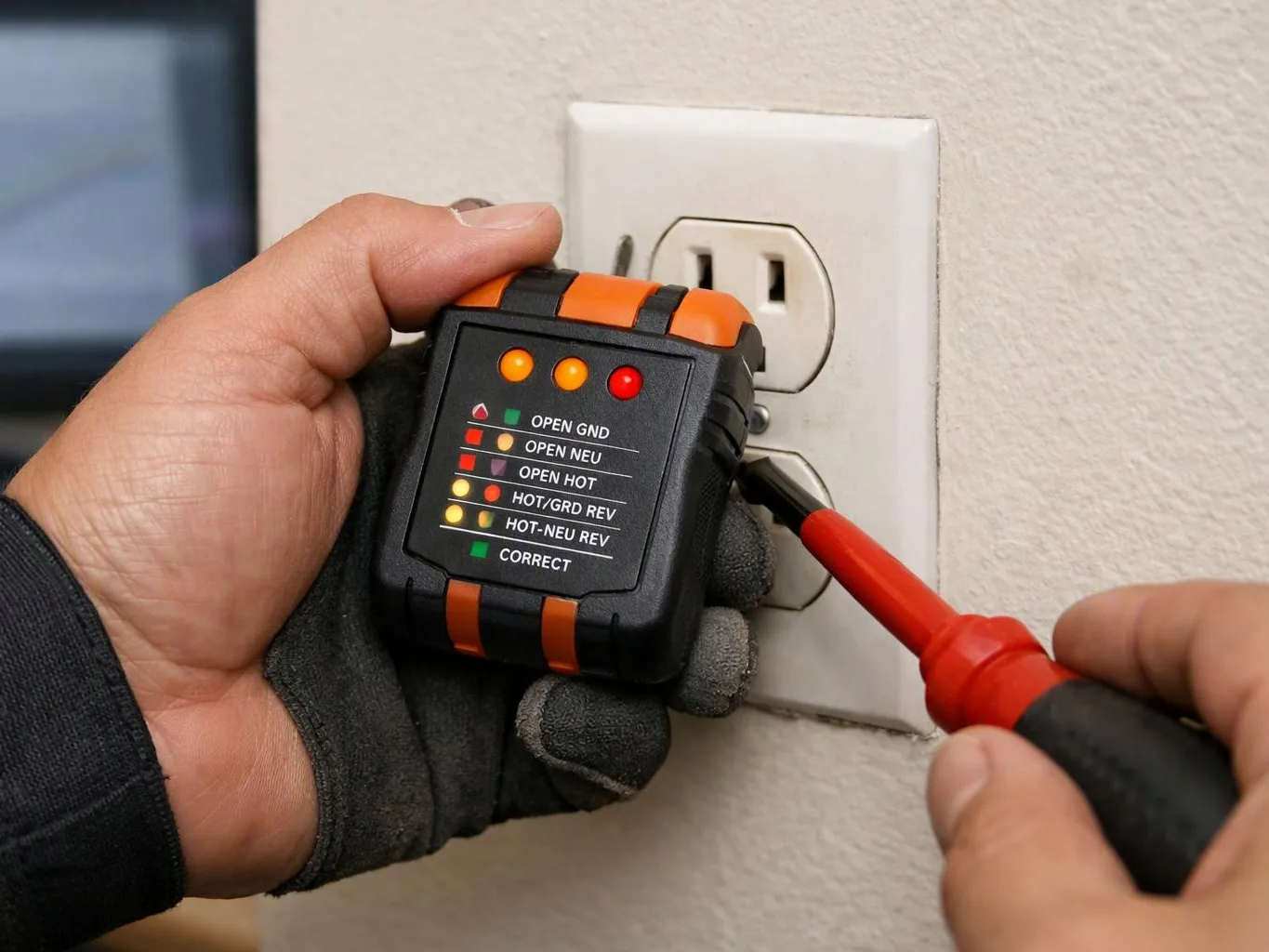
What materials may be used for electrical code correction?
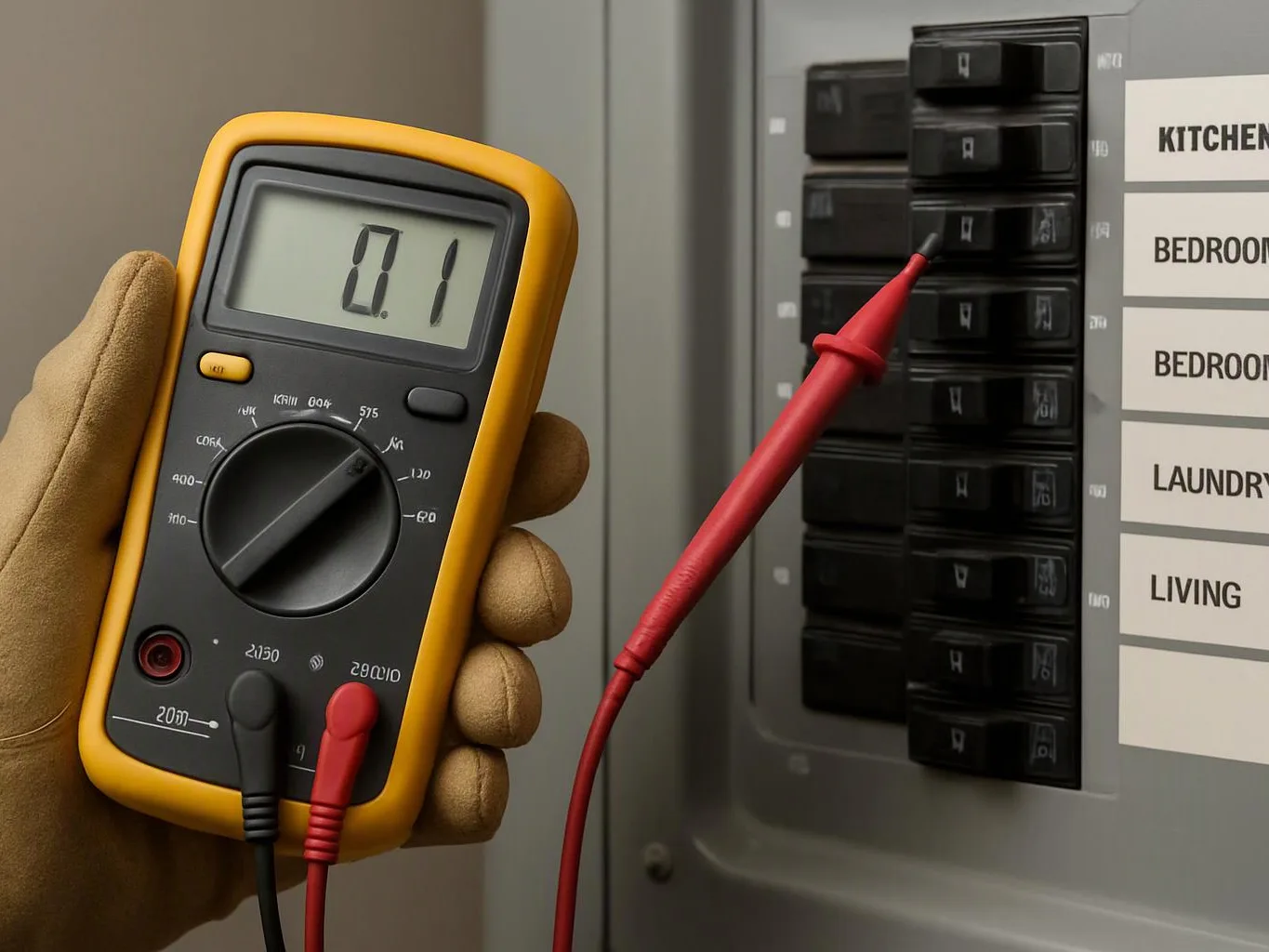
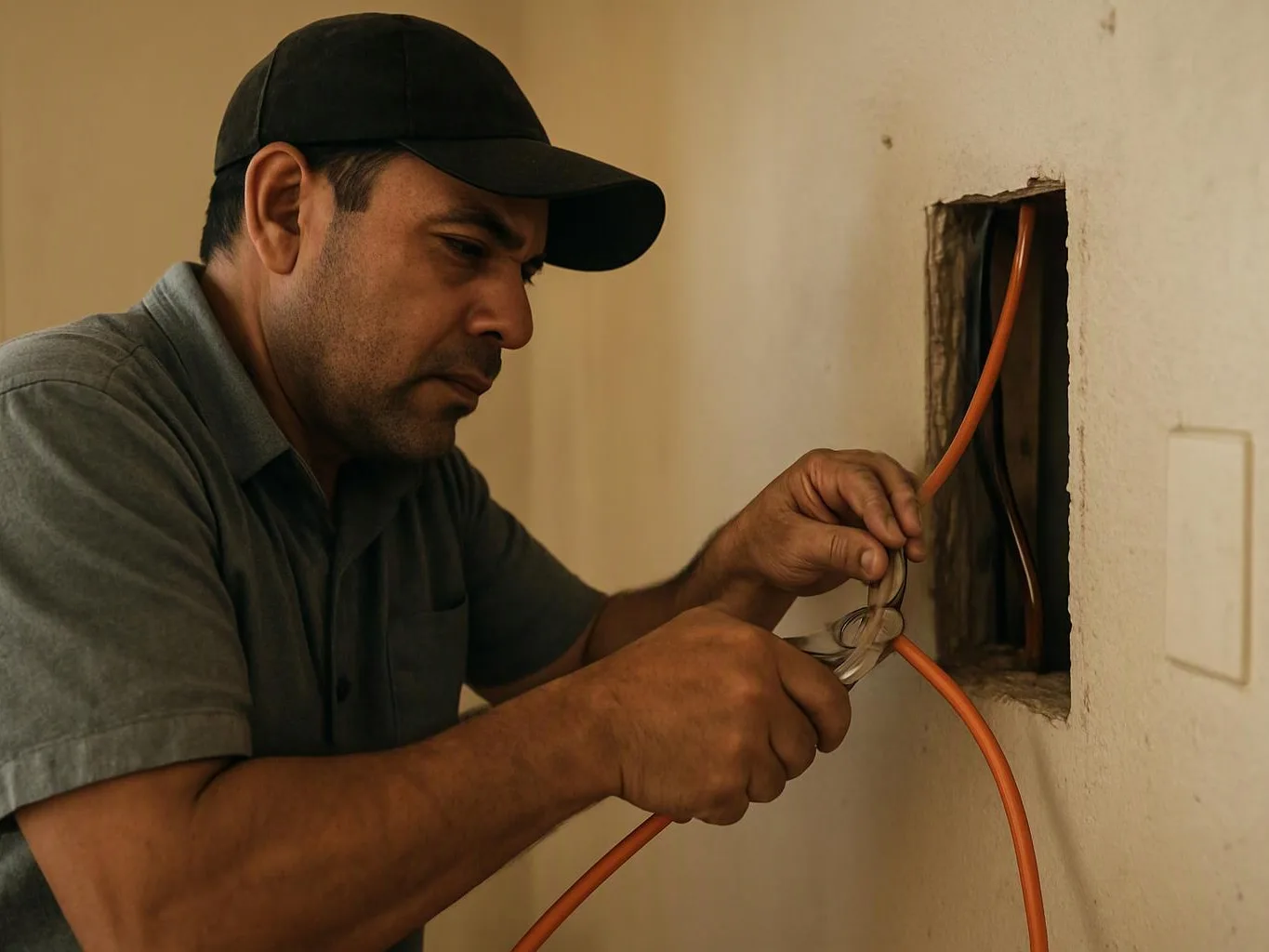
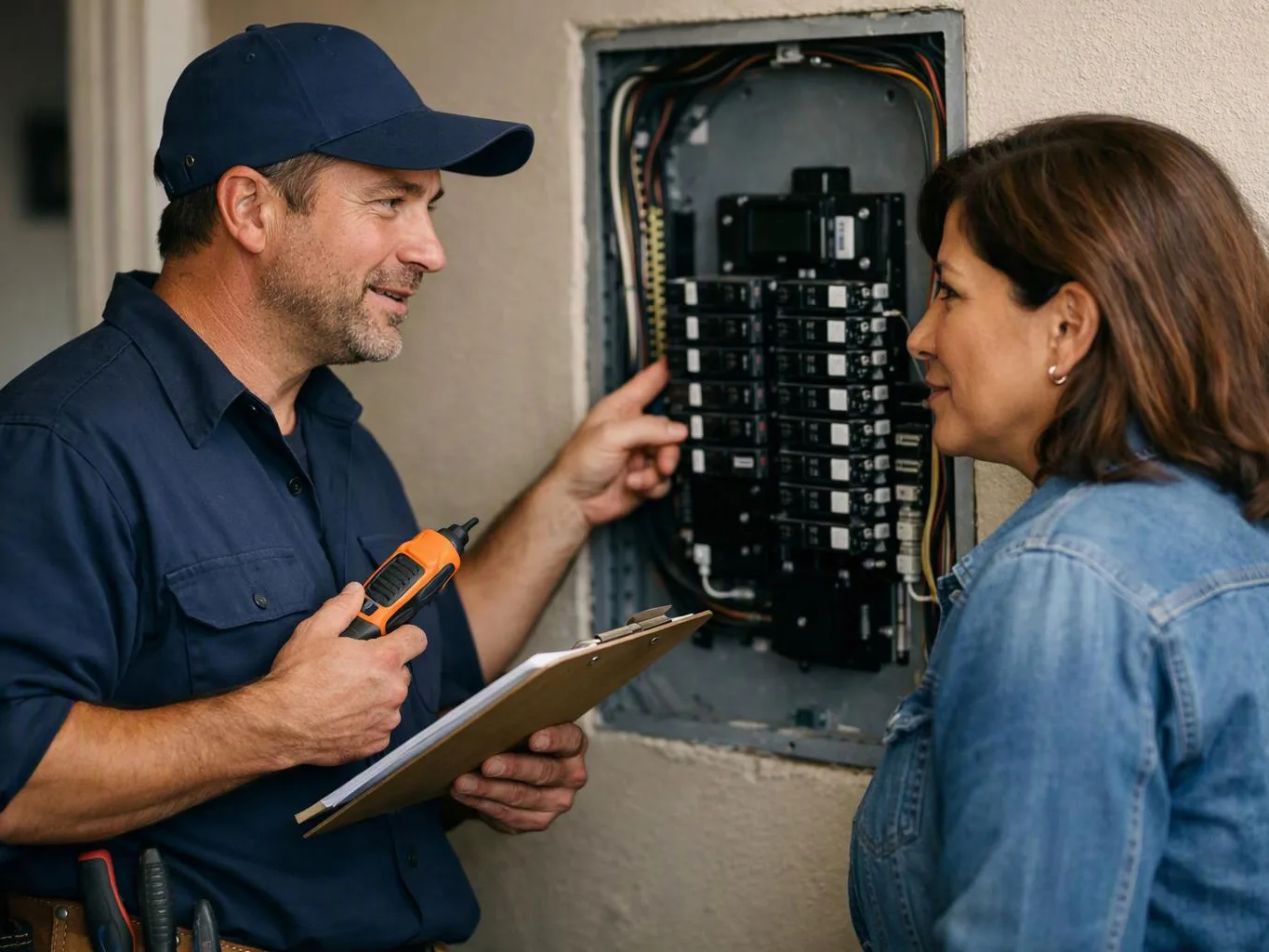
Approved boxes, grounding conductors, circuit breakers, and cable staples may be used for electrical code correction. We select materials based on the circuit, wiring, enclosure, and repair condition. The inspection also checks whether existing parts can remain in service. Santa Ana Electrician explains the material choice before the repair scope is approved.
What should be checked before electrical code correction is scheduled?
The reported symptom, affected circuit, access point, and visible damage should be checked before scheduling the correction. Note warm plates, sparks, dead outlets, buzzing, or repeated breaker trips. We use those details with our inspection findings to plan the assessment. A burning smell requires you to stop using the affected equipment.
What does the crew look at first during this repair?
The first check covers the affected box, wiring condition, breaker, grounding path, and signs of heat or loose connections. We then trace the circuit when the source is not visible. That order helps us connect the reported symptom to the part that needs correction, instead of treating one visible defect as the whole problem.
How does each stage of the correction work?
The correction moves from inspection to circuit tracing, scope setting, repair, and testing. We identify the affected parts first. Next, we explain the repair or replacement work. After completing the agreed correction, we test the circuit and discuss related concerns that still need attention.
Which parts can change the quote for this job?
Access, wiring damage, circuit complexity, replacement parts, and panel work can change the quote. A box repair may stay focused, while a hidden wiring fault can require more tracing and correction. We provide a free estimate after assessing the affected electrical system and defining the work scope.
Why does a breaker keep tripping after a box repair?
A breaker can keep tripping when the circuit still has an overload, damaged wire, loose connection, or faulty breaker. We inspect the repaired box and trace the circuit back to the panel. The correction must address the cause of the trip, not only reset the breaker.
When is a panel upgrade a better fit than a focused correction?
A panel upgrade fits when the existing service cannot support the property's electrical needs or the panel itself has a wider safety concern. A focused correction fits when the issue stays within one box, circuit, connection, or breaker. We inspect the system and explain which scope matches the condition.