Can overheating at an outlet cause an electrical fire?
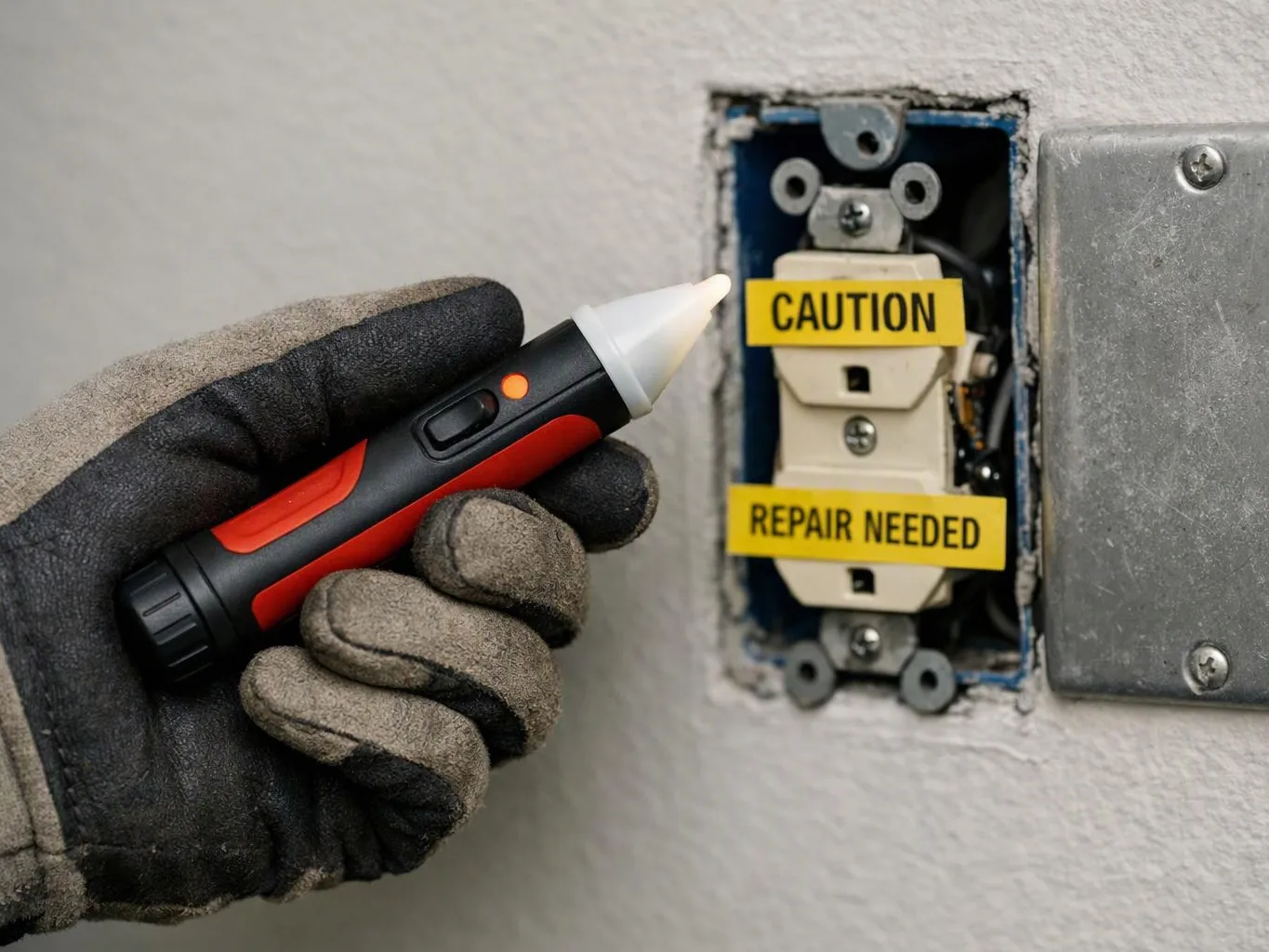
Overheating at an outlet can cause an electrical fire when loose contacts or damaged wiring create heat and arcing. Stop using the outlet if it smells burned, feels warm, sparks, or shows melted plastic. Santa Ana Electrician checks the receptacle, box, wire connections, and circuit before recommending repair or replacement.
What should be checked before outlet repair is scheduled?
The outlet's condition, connected load, breaker behavior, and wiring access should be checked first. Note any sparks, heat, discoloration, buzzing, or burning smell. Customers should stop using a damaged outlet and share those symptoms when requesting an assessment, since they help us plan a safe inspection.
Who is a good fit for electrical outlet repair, and who needs a different service?
Electrical outlet repair fits a property with a damaged, loose, dead, or faulty receptacle. A panel upgrade, service entrance upgrade, or broader wiring repair fits a property with wider capacity or circuit problems. We inspect the affected area and explain when the outlet issue points to a larger job.
What happens at each stage of outlet repair?
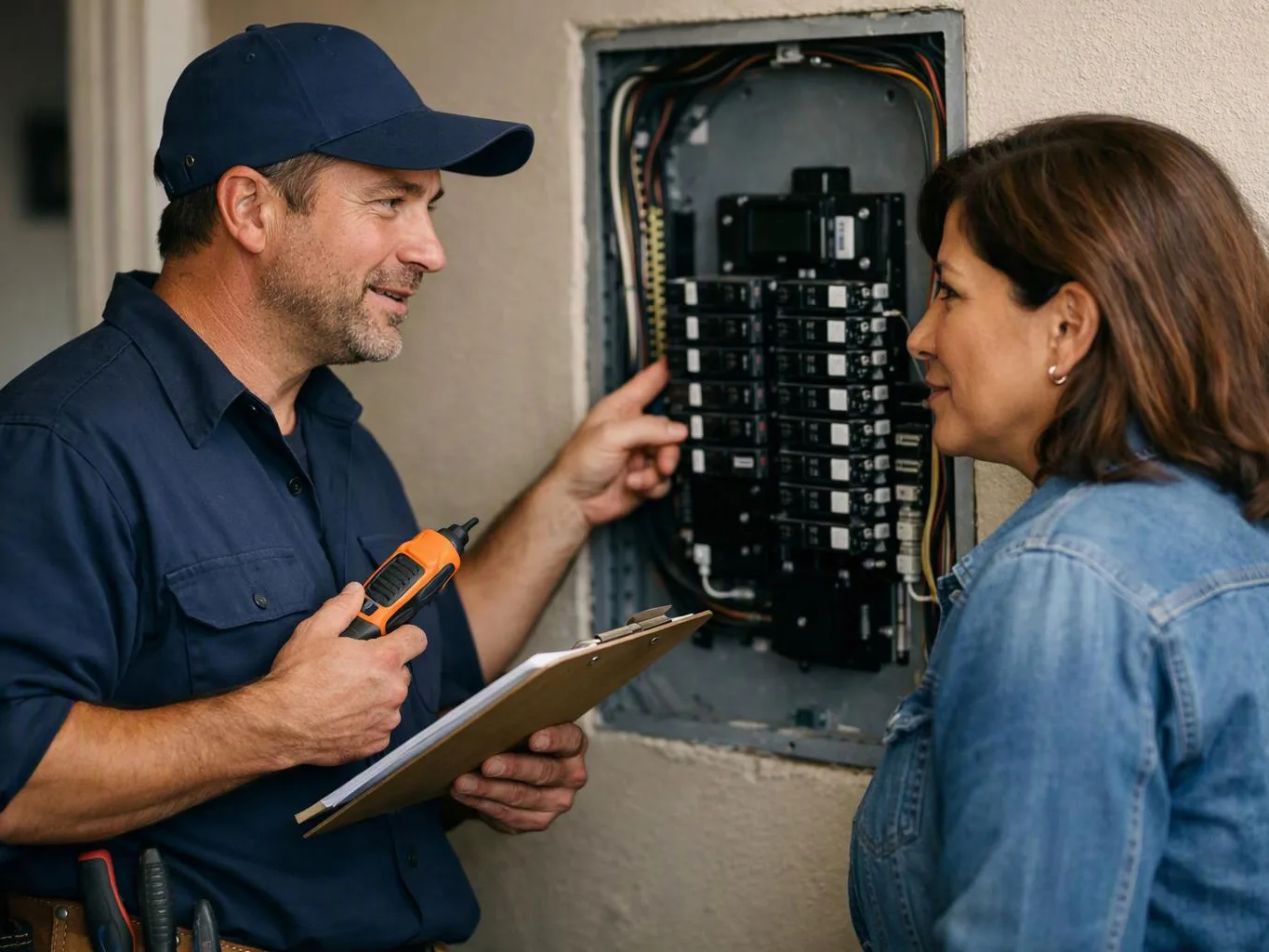
Outlet repair starts with inspection, circuit isolation, fault tracing, repair or replacement, and testing. We check the receptacle and box, identify the serving breaker, inspect related connections, complete the approved work, and verify the result. Customers receive an explanation of the repair scope and any further electrical concern.
Which outlet signs require urgent electrical service?
Sparks, a burning smell, melted plastic, a warm cover, or repeated breaker trips require urgent electrical service. Leave the outlet unused and keep people away from visible damage. Our 24/7 emergency electrical availability covers urgent electrical problems, while we determine whether the fault is local or circuit-wide.
Why does a replacement outlet still need circuit testing?
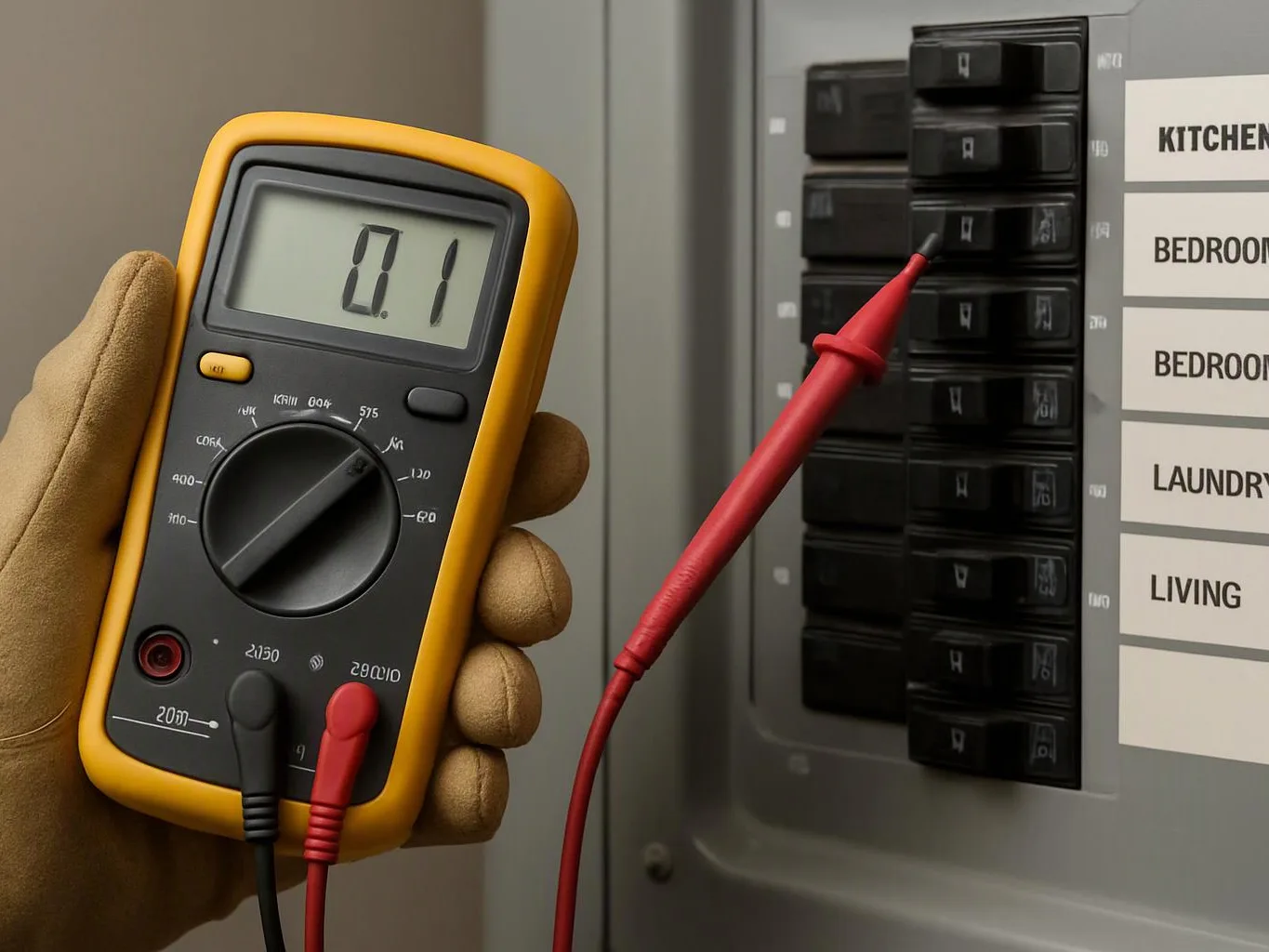
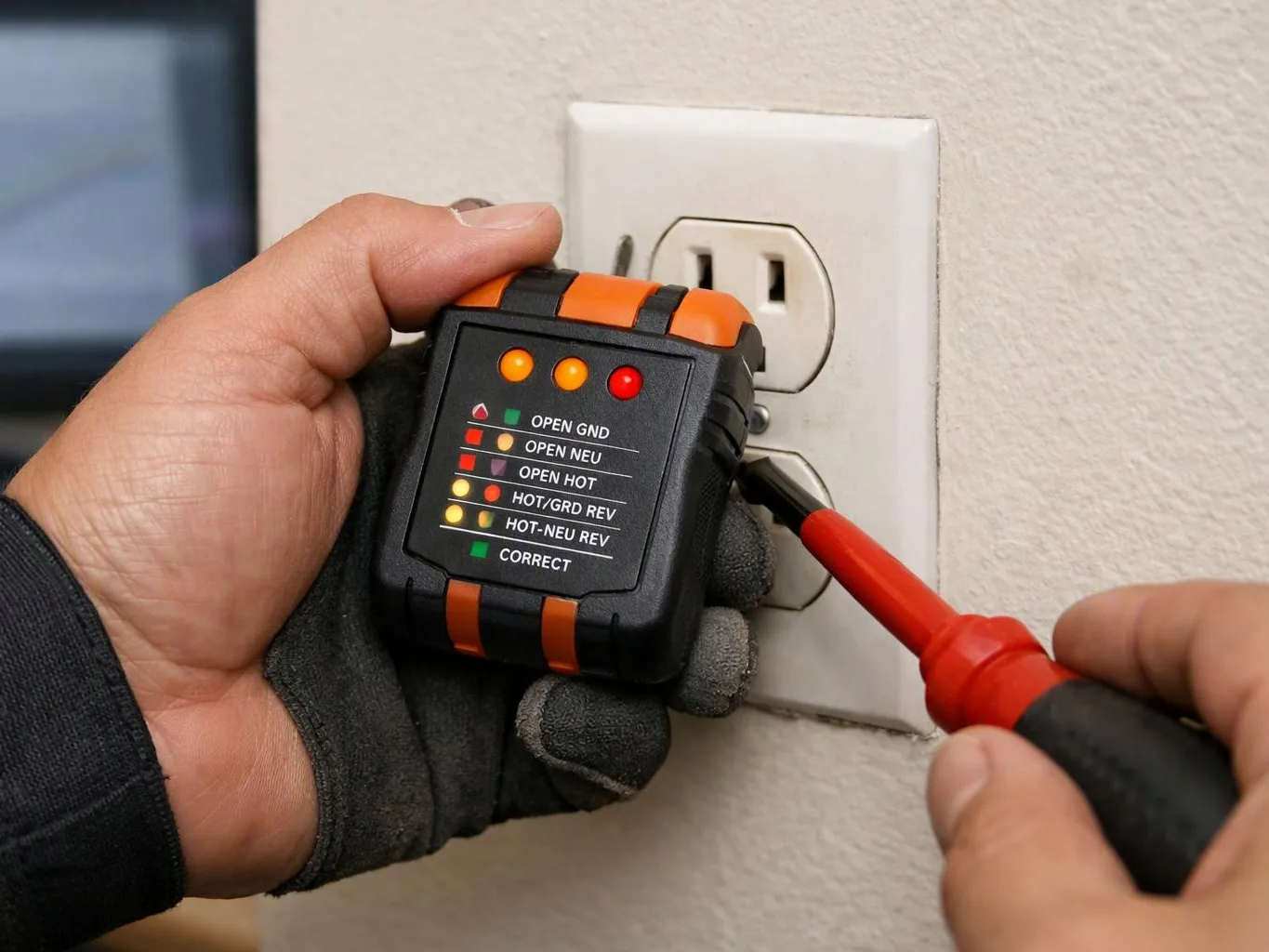
A replacement outlet still needs circuit testing because the original fault may involve wiring, grounding, another receptacle, or the breaker. We test polarity, grounding, and the circuit path after installation. A new faceplate or receptacle can't resolve a loose connection farther upstream.
How does circuit tracing help with a dead outlet?
Circuit tracing helps locate the breaker, upstream connection, or related receptacle that interrupts power to a dead outlet. We inspect the affected path before choosing a repair. This approach helps separate a failed receptacle from a wider circuit fault that needs more electrical work.