When should remodeling projects schedule an electrical safety inspection?
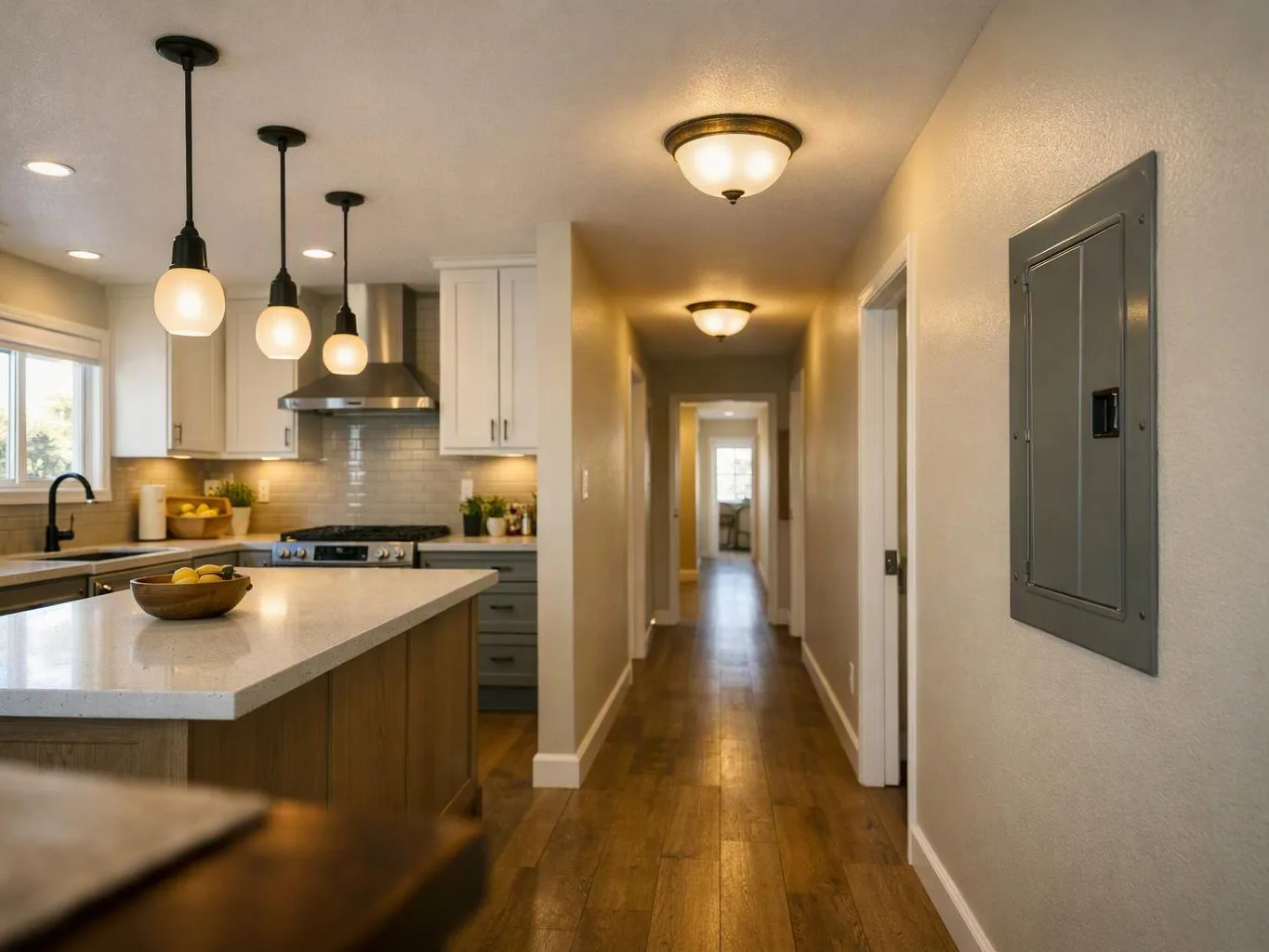
Remodeling projects should schedule an electrical safety inspection before final plans add new circuits, lighting, appliances, or other electrical loads. Early review gives us time to check the panel, grounding, circuit layout, and visible wiring. We can then explain whether the plan calls for maintenance, repair, new circuits, or a panel upgrade.
What does the crew look at first during an electrical safety inspection?
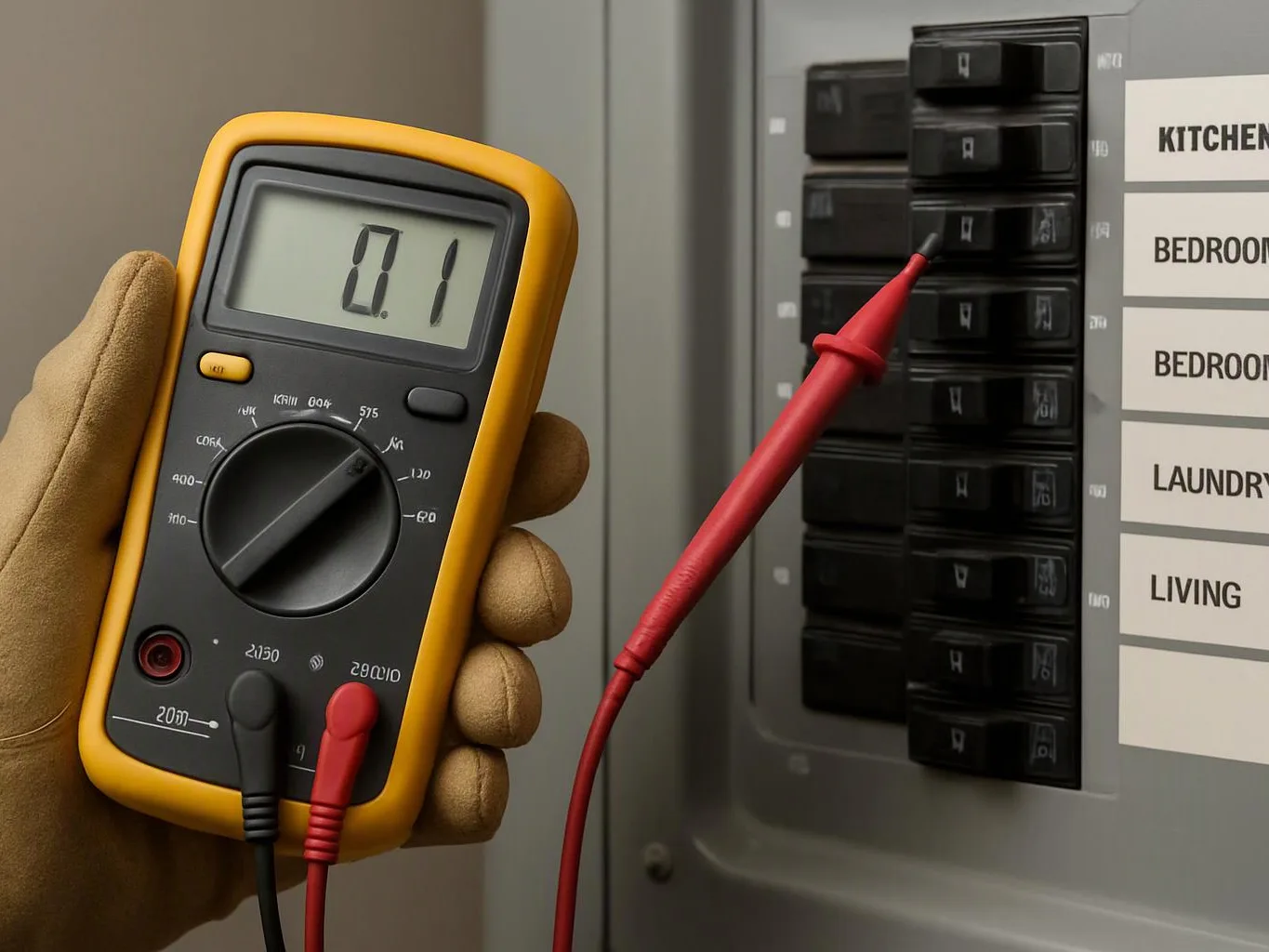
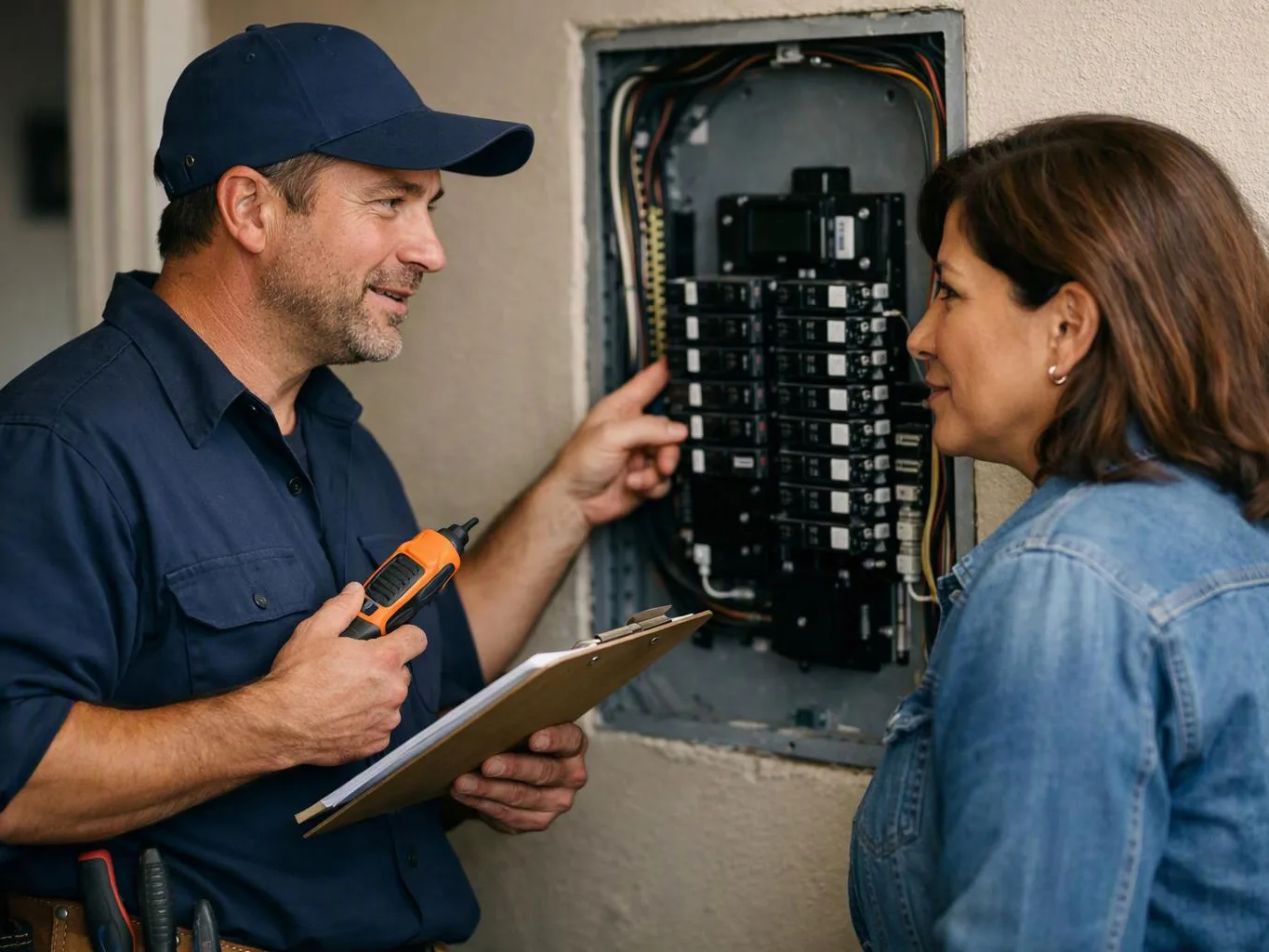
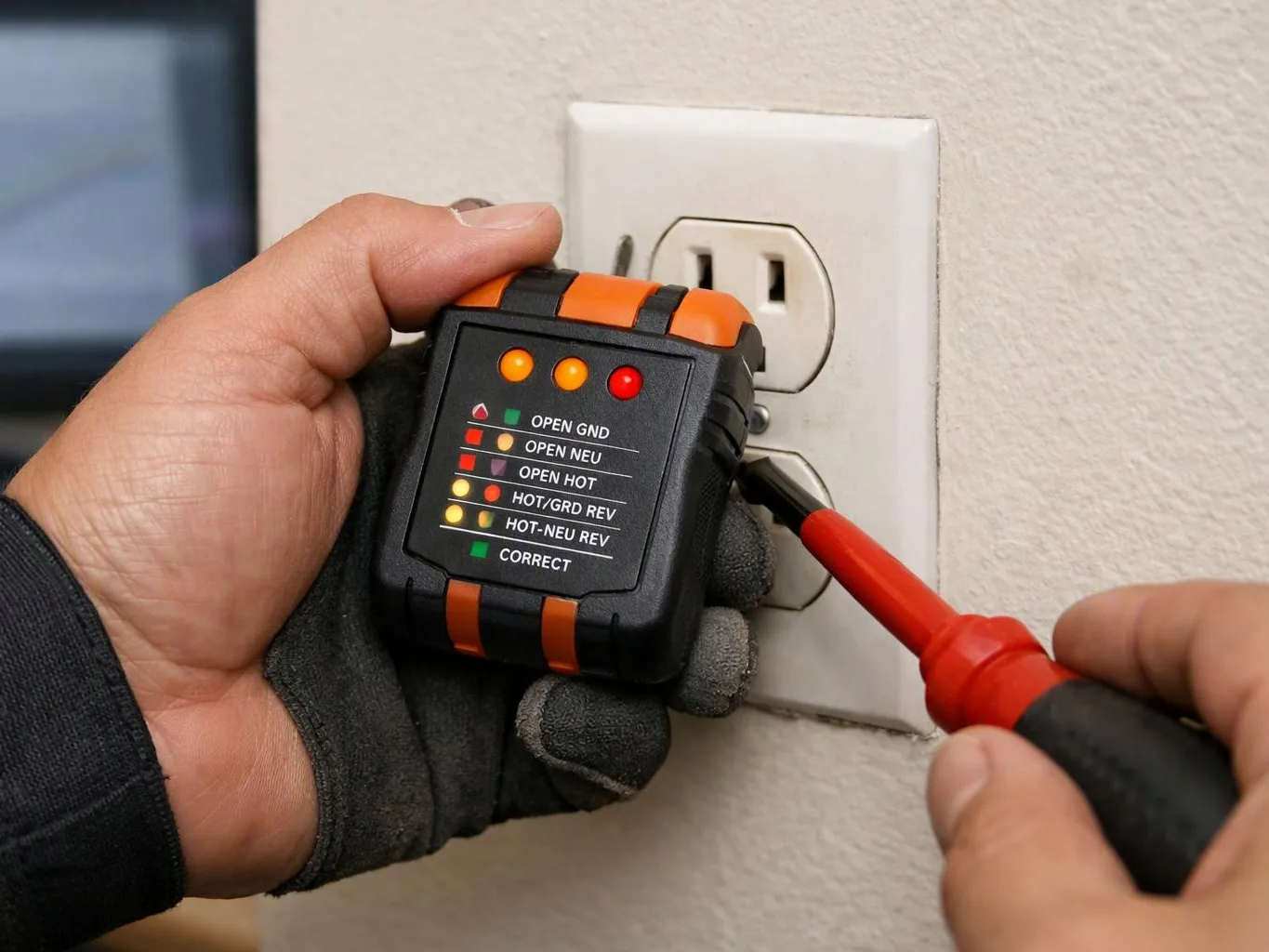
The service panel and reported symptoms guide the first checks. We review breaker condition, labeling, visible heat damage, and the circuits linked to flickering lights or dead outlets. We then trace selected circuits and inspect accessible outlets, switches, grounding, and wiring.
What should be checked before an electrical safety inspection is scheduled?
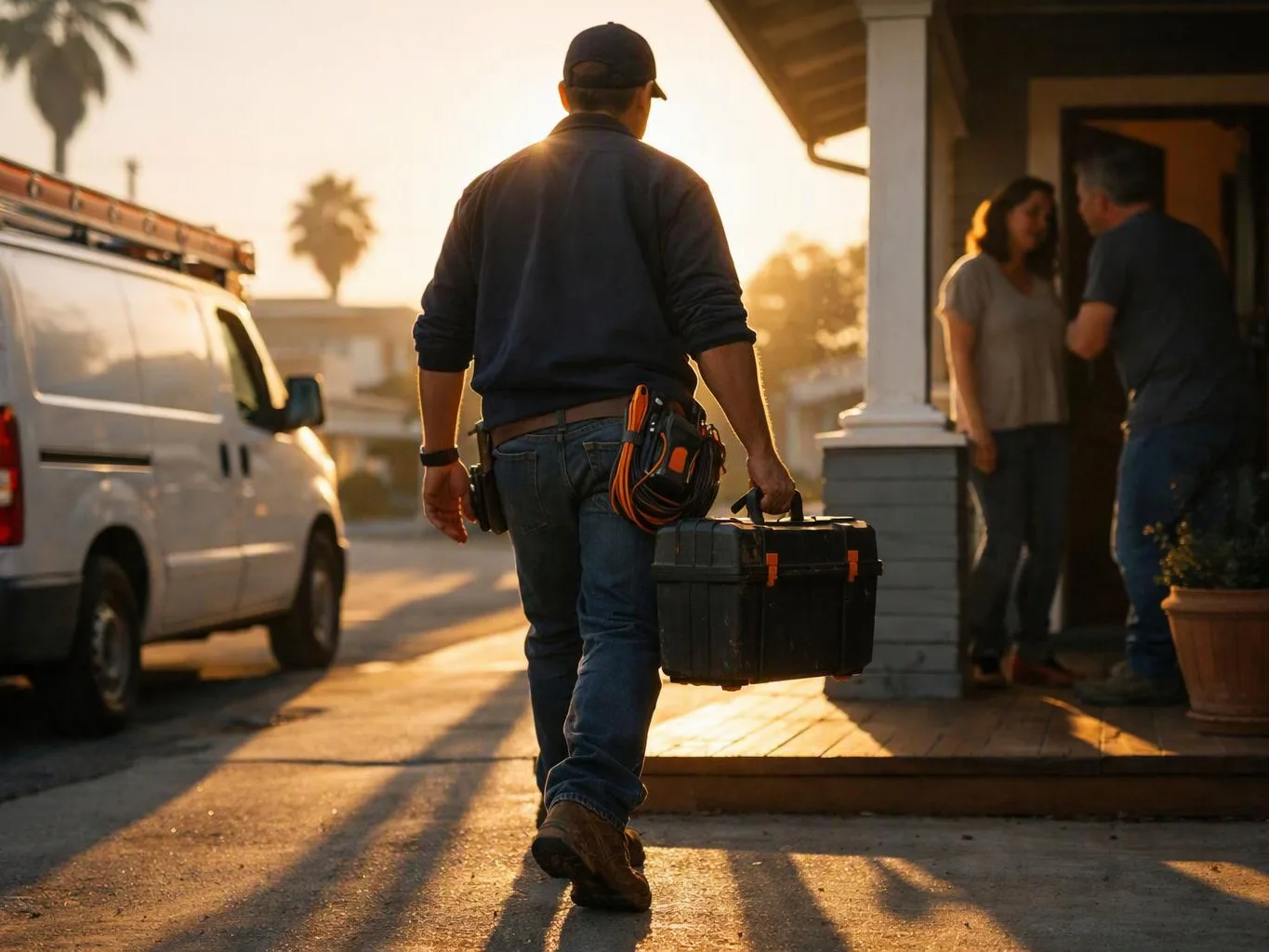
Homeowners, landlords, businesses, and property managers are good fits when they need a system review before a decision. A failed breaker, sparking outlet, or active power loss may need urgent repair work first. Santa Ana Electrician can assess the concern and explain which service fits.
Which inspection finding changes the remodeling plan most?
Available circuit capacity and panel condition usually shape the remodeling decision most. A load calculation may be needed when new appliances, lighting, or EV charging add demand. We explain whether the existing system supports the plan or needs new circuits, a subpanel, or a panel upgrade.
Why do breakers keep tripping after a repair or appliance change?
Repeated trips can come from overload, a faulty appliance, a damaged connection, or a circuit problem. We trace the affected circuit and inspect its breaker, outlets, switches, and visible wiring. Stop using the affected equipment if it smells hot, sparks, or makes the panel buzz.
How does a property transfer inspection help a landlord or buyer?
A property transfer inspection records visible electrical conditions before ownership or tenancy changes. We review panels, breakers, outlets, grounding, wiring, and reported symptoms, then separate safety concerns from optional upgrades. The findings help the decision-maker plan repairs and maintenance.