How can emergency electrical damage be made safe?
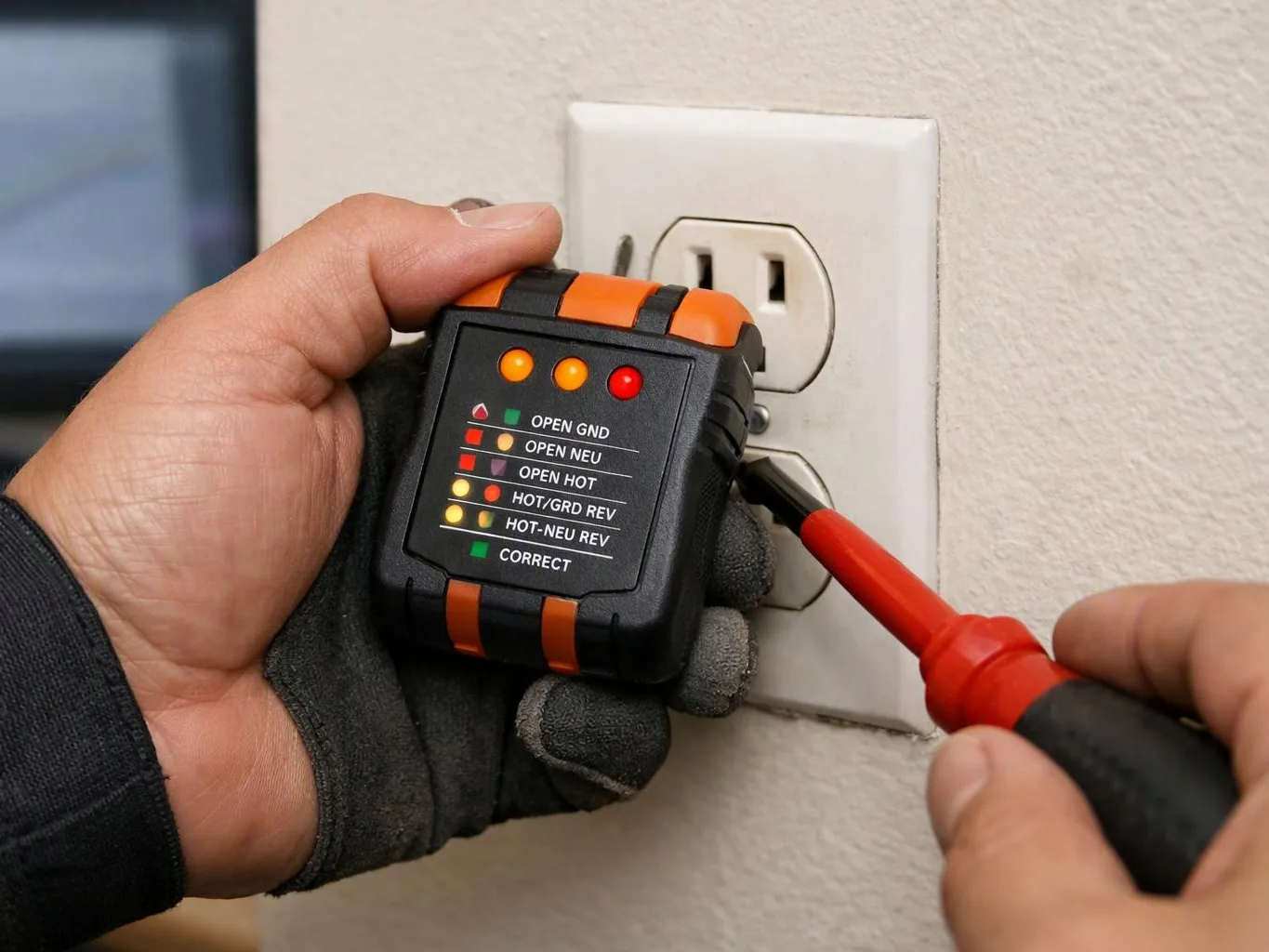
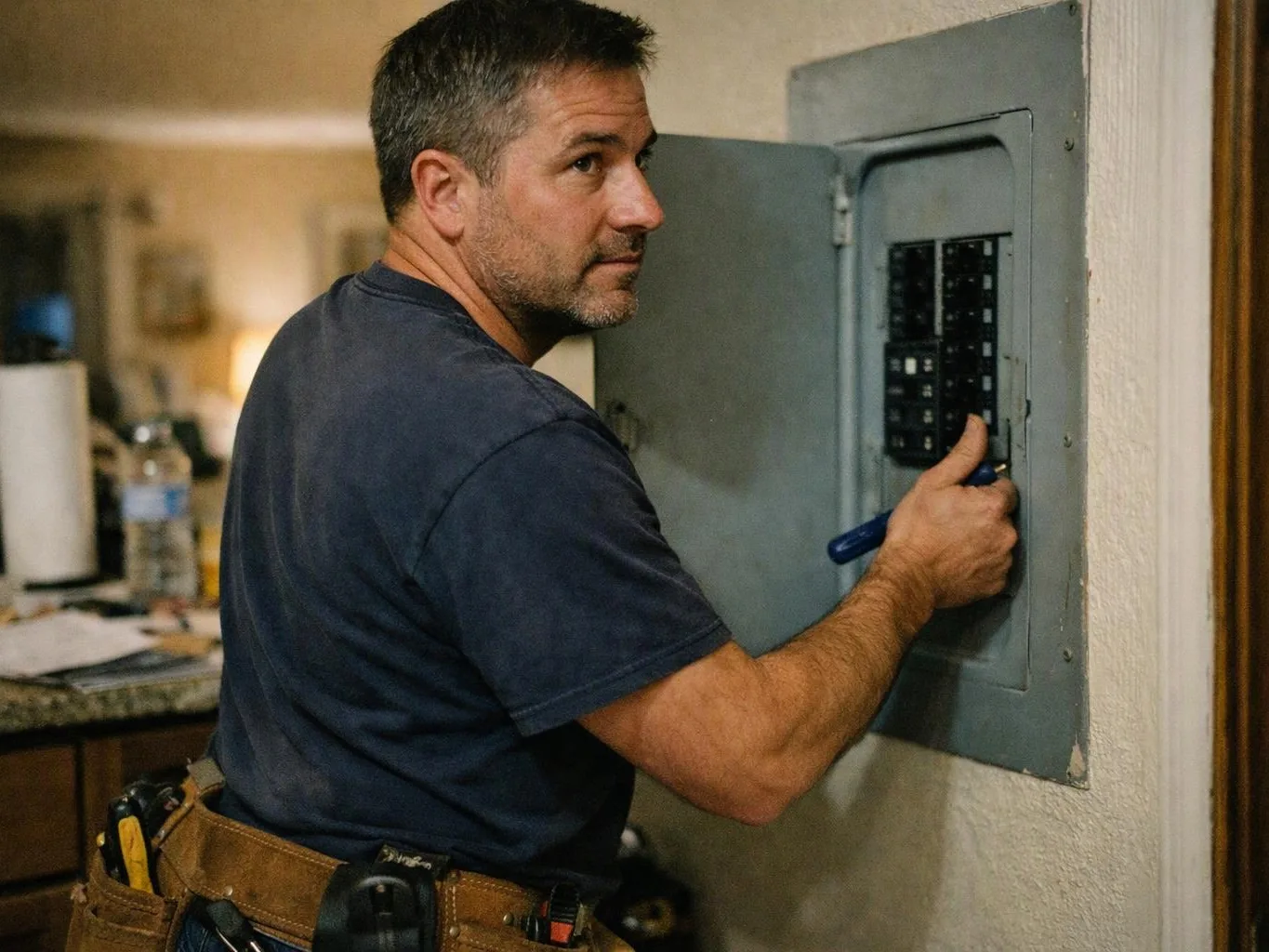
Temporary wiring is made safer through correct load sizing, power isolation, circuit testing, and a safety inspection. Santa Ana Electrician controls the affected circuit before checking damaged conductors, outlets, breakers, and connections. Keep people away from sparks, heat, exposed wires, and burning smells, then provide the symptom details and panel access needed for assessment.
What should happen after a breaker trips repeatedly?
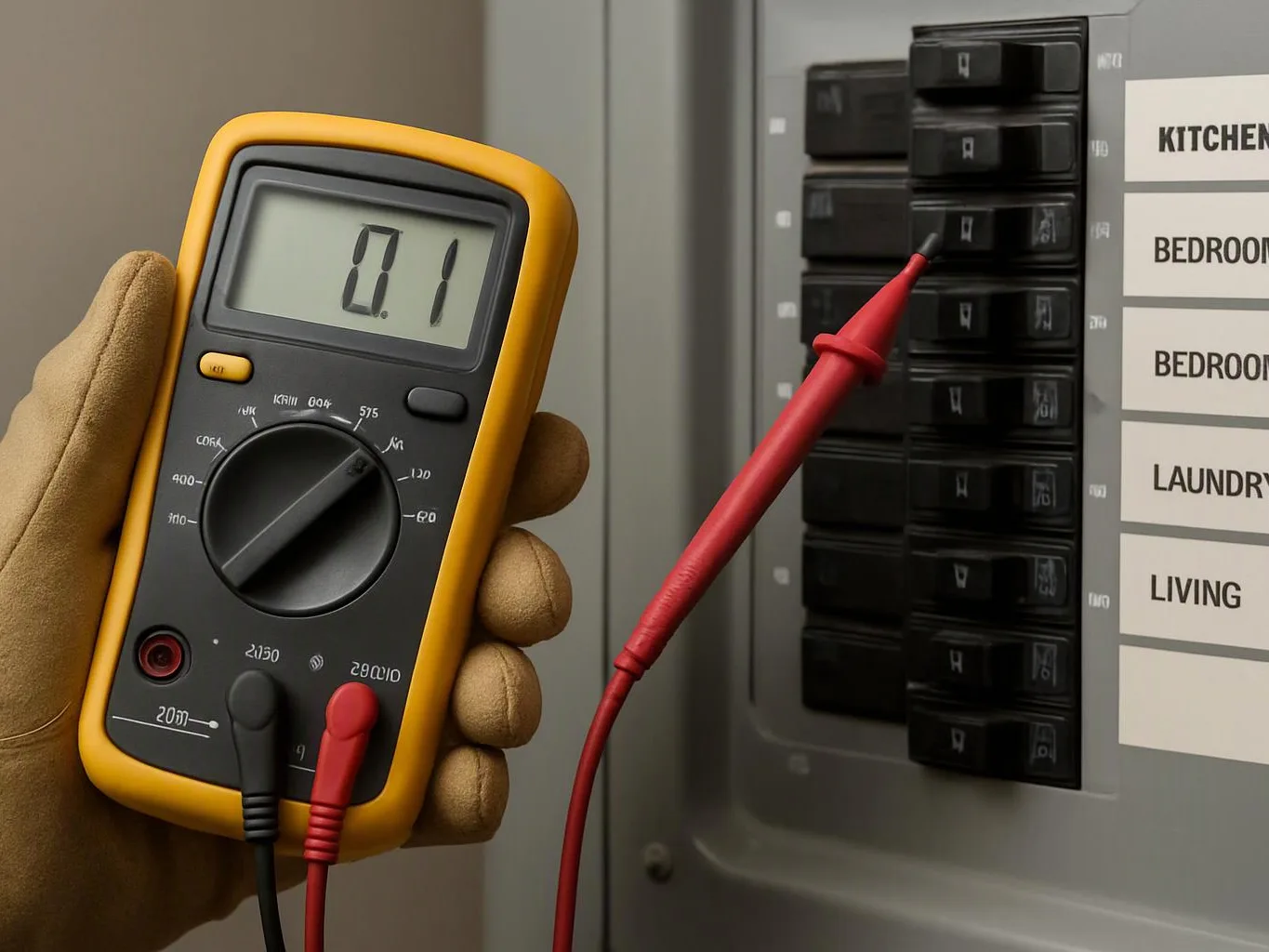
Repeated breaker trips require circuit testing because the fault may involve an overload, damaged wiring, or a failed device. We identify what was running, isolate the circuit, and trace its connected outlets or equipment. Repeated resets can leave the underlying condition unresolved, so keep the affected load off until the circuit is checked.
Which material changes the time needed for emergency electrical repair?
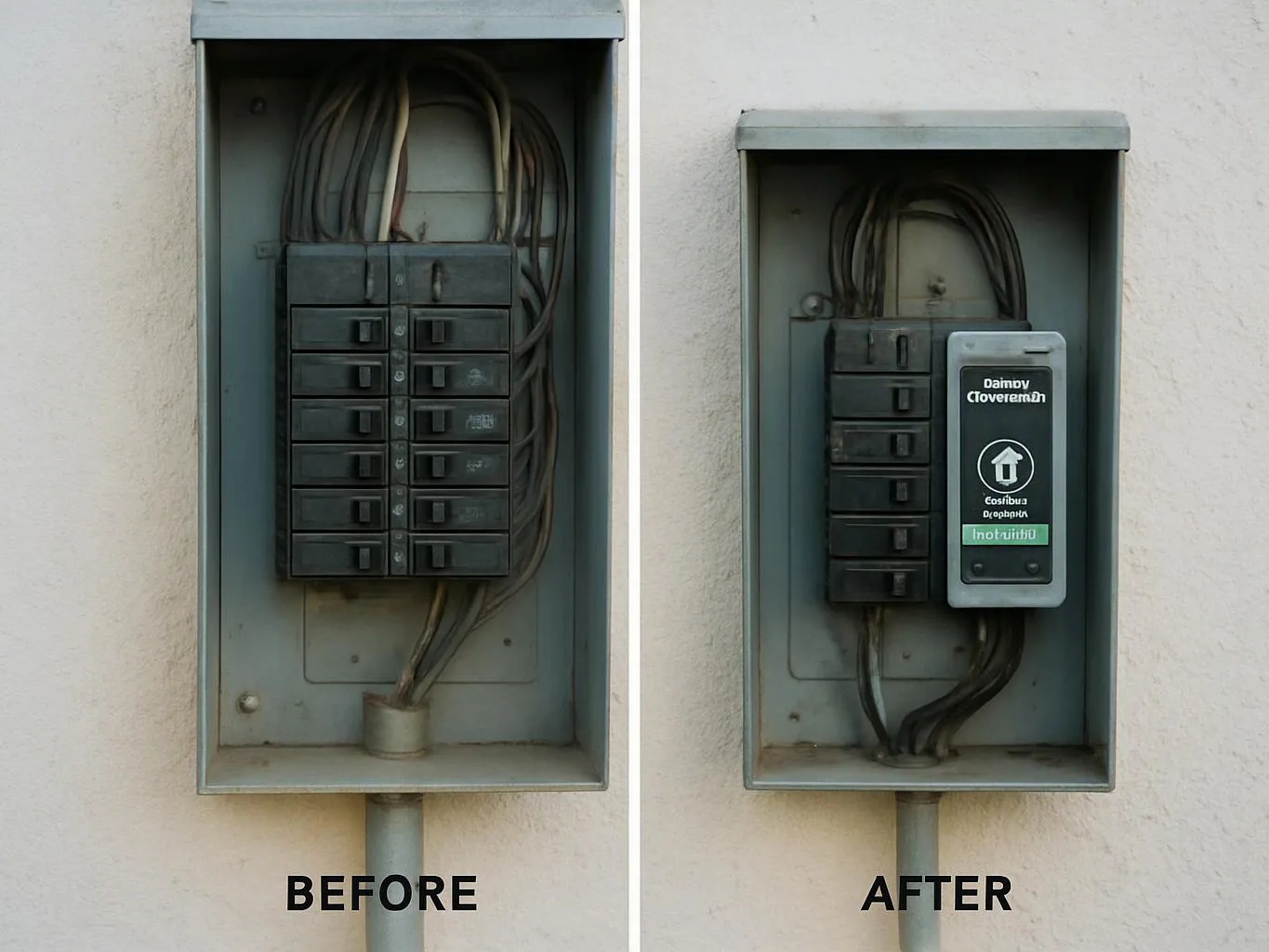
Damaged aluminum wiring, older cable, and concealed wiring can change the repair scope because each needs different inspection and connection work. We identify the conductor material, trace accessible sections, and test the circuit before selecting a repair method. The affected area, access, and related damage also shape the work sequence.
How does an emergency electrical repair visit move from the first call to the last step?
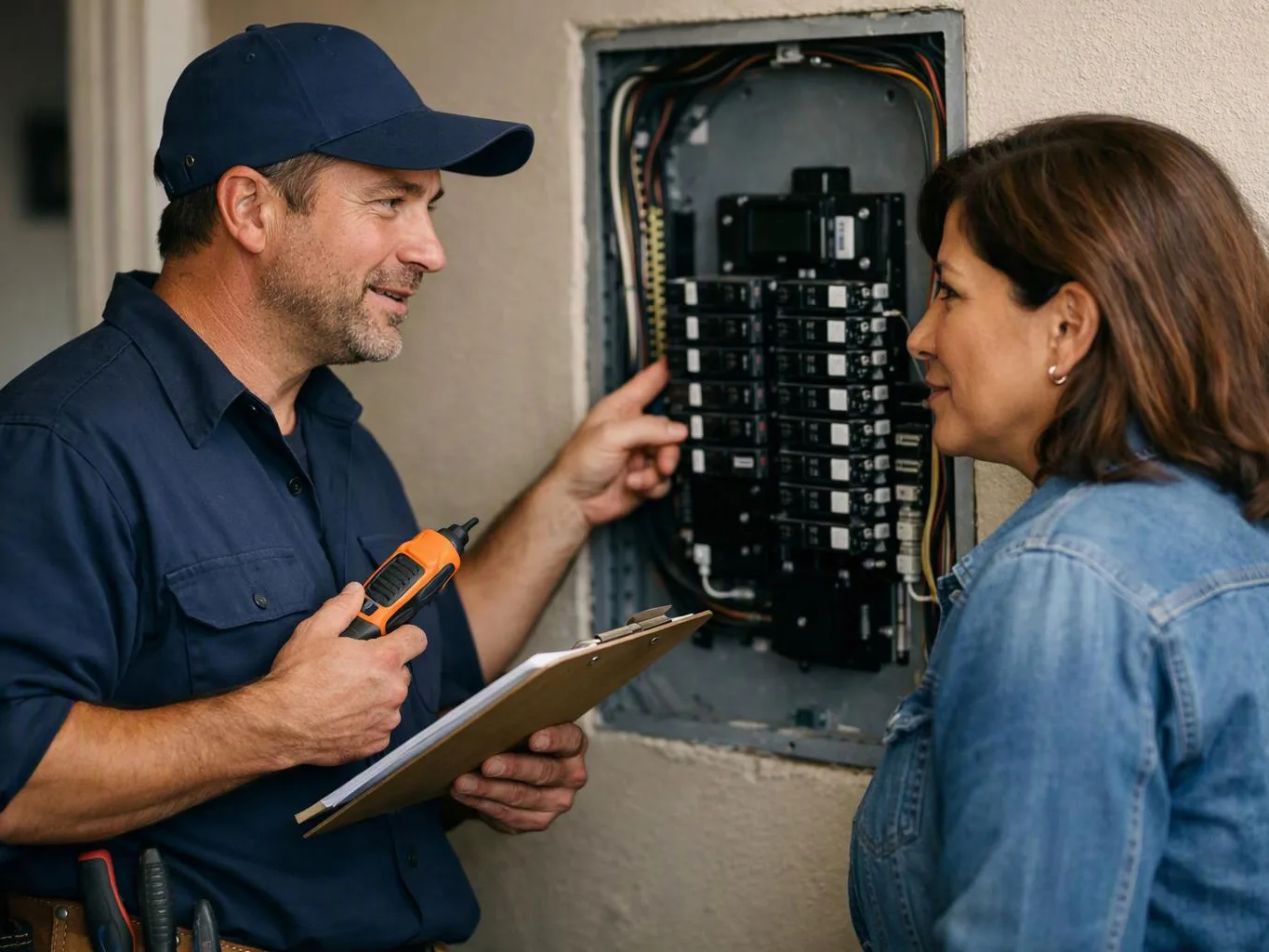
An emergency electrical repair visit moves from symptom review to isolation, circuit testing, safety inspection, repair planning, and verification. We ask about the failed equipment and recent changes, then inspect the panel and affected circuit. The final discussion separates completed repair work from any broader wiring or panel recommendation.
Why does an outlet feel warm before it stops working?
A warm outlet can indicate a loose connection, overloaded circuit, damaged receptacle, or heat at the wiring. We isolate the circuit and inspect the outlet box, conductors, and nearby devices. Stop using the outlet, unplug connected equipment if safe, and report any smell, discoloration, buzzing, or sparking during the assessment.
How can a customer tell whether emergency electrical repair fits the property?
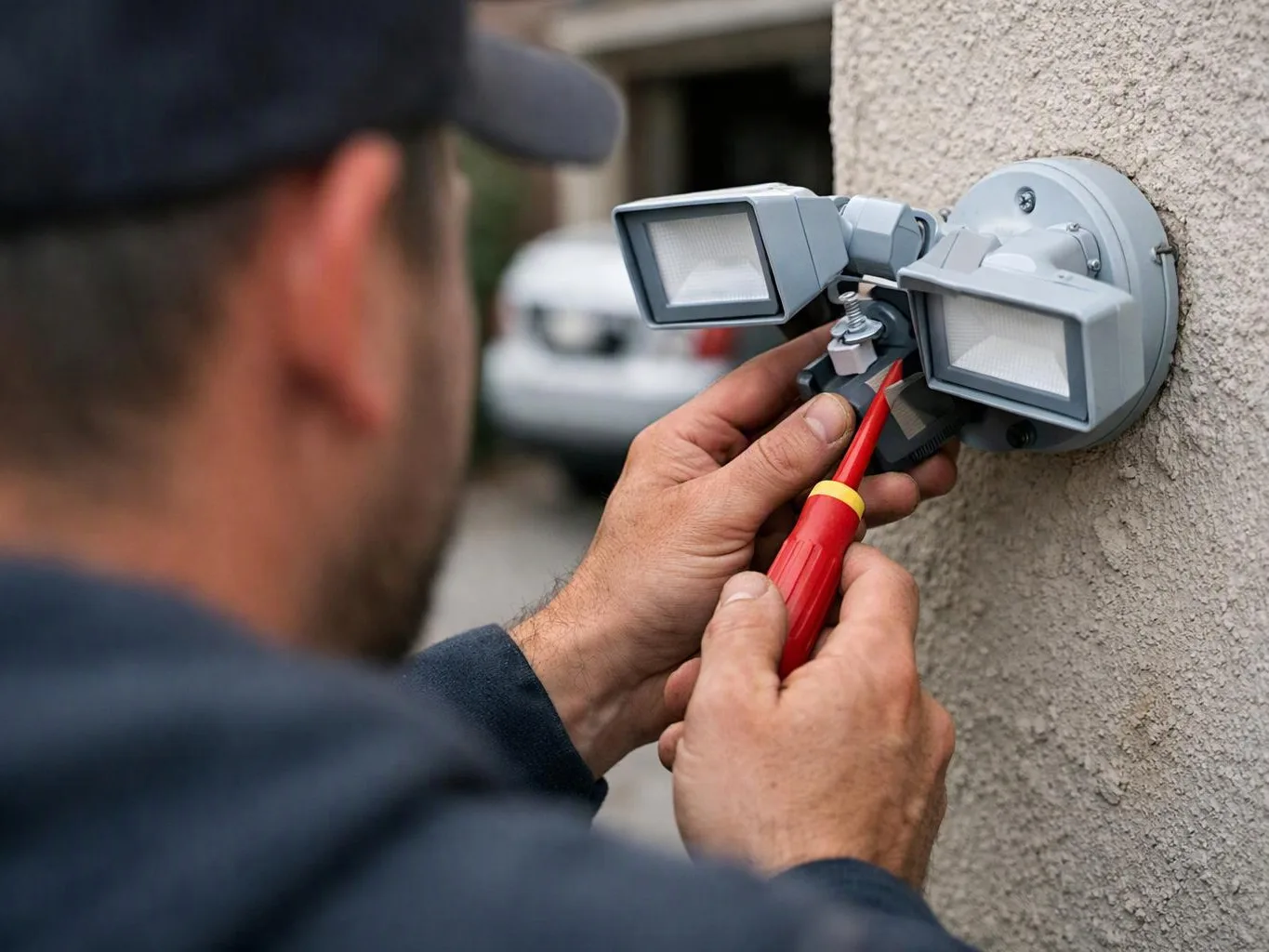
Emergency electrical repair fits a property with an active electrical fault, sudden power loss, exposed damage, repeated trips, or a safety warning. Planned lighting, EV charging, and routine upgrades follow a different work path unless an urgent fault affects them. We assess homes, rental properties, businesses, and managed buildings based on the reported condition.
What information should I give the electrician before an urgent inspection?
The most useful information includes the affected rooms, failed devices, breaker position, unusual sounds, smells, visible damage, and recent electrical work. We use those details to plan the first inspection and identify access needs. Keep the area clear, avoid damaged equipment, and tell us whether tenants, staff, or customers remain on site.