Why do loose connections cause sudden electrical failures?
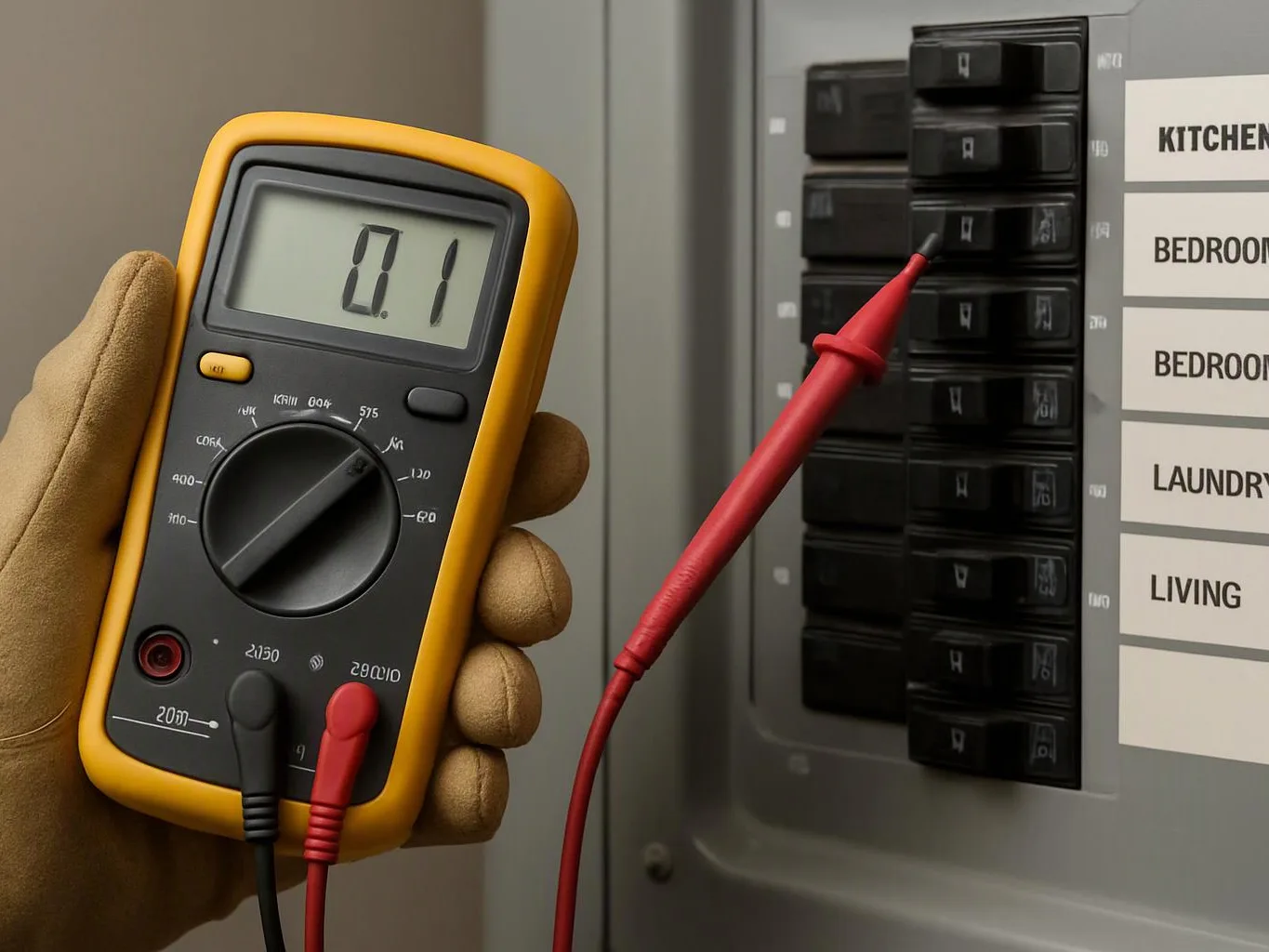
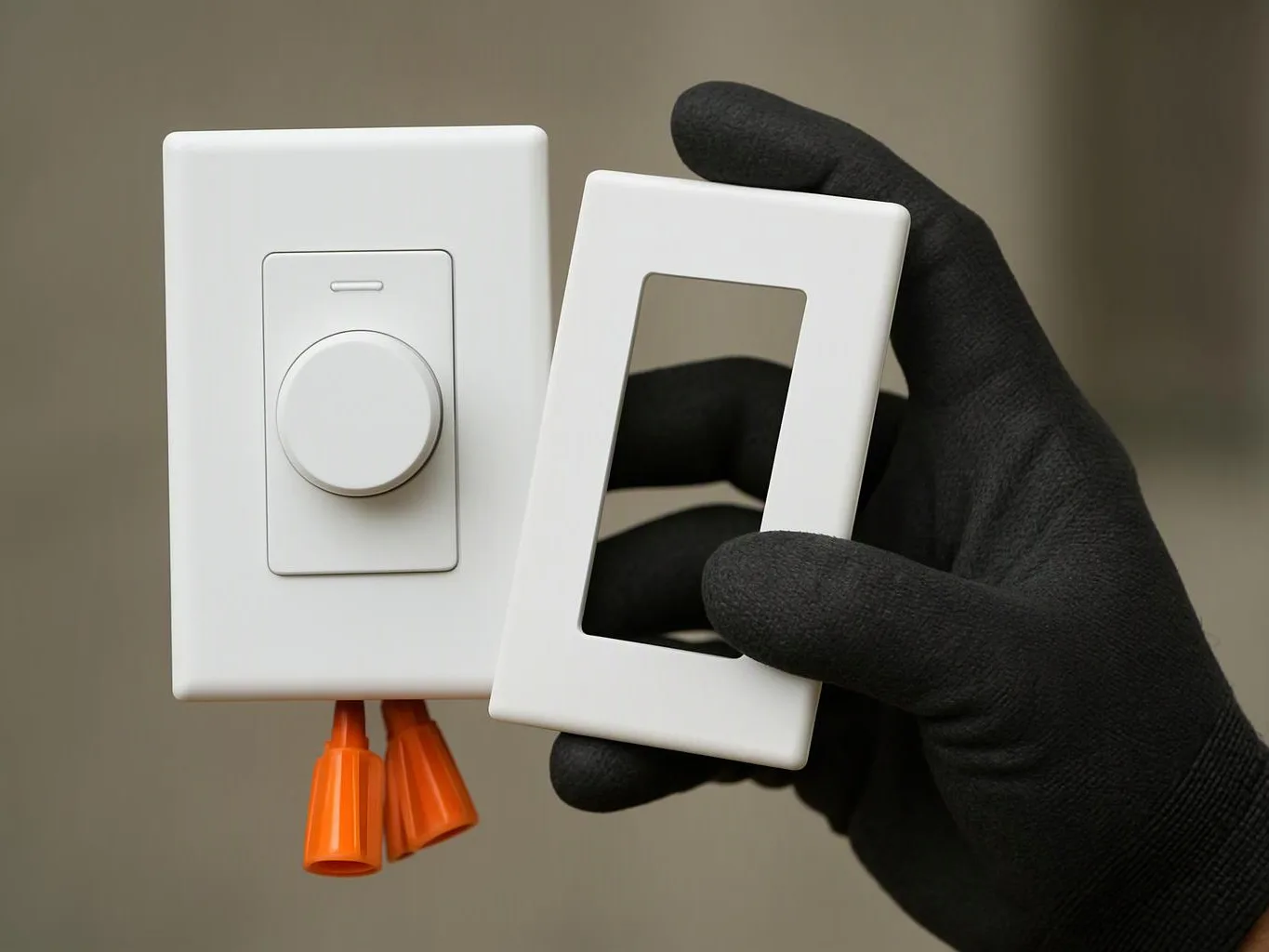
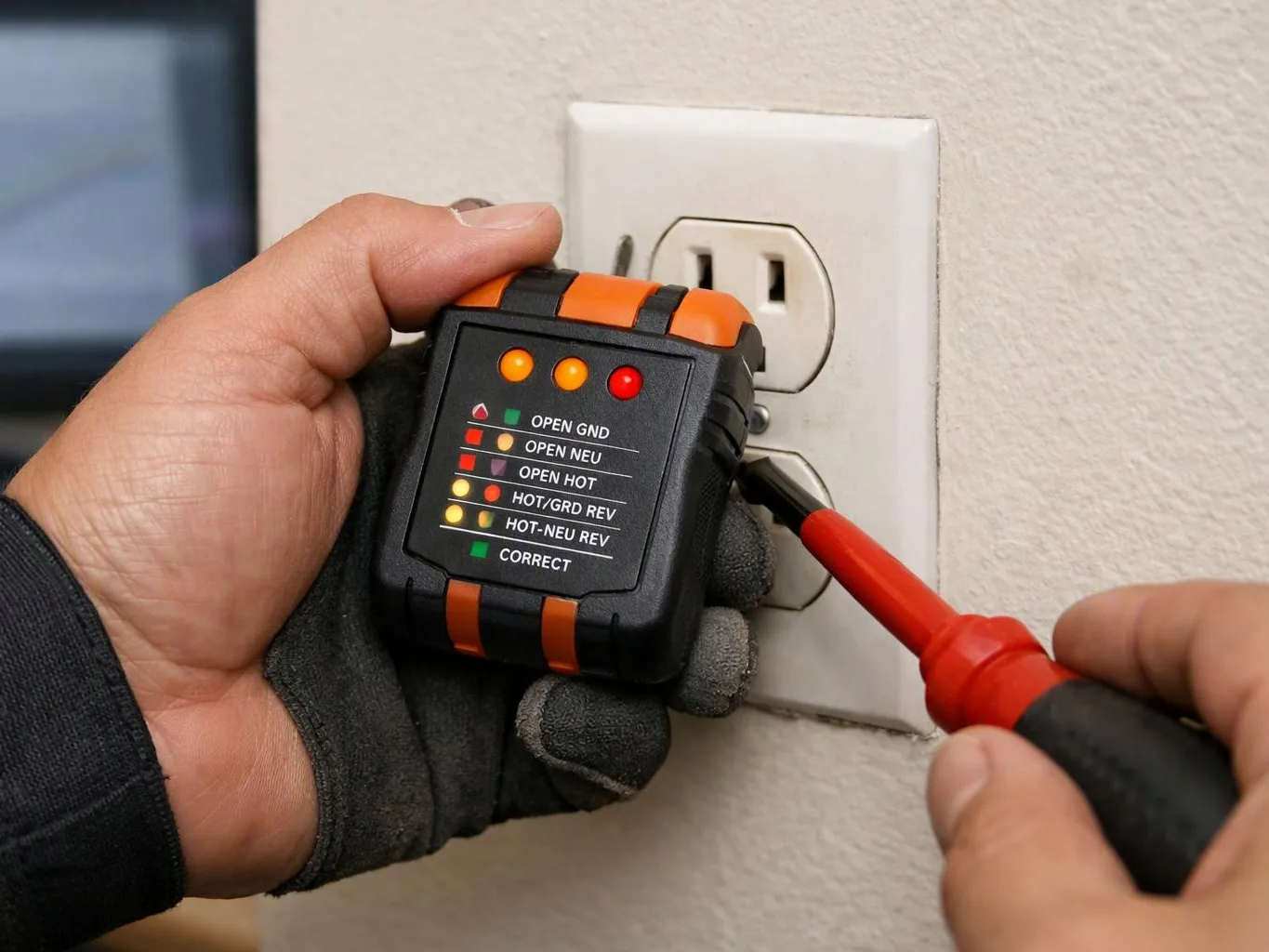
Loose connections interrupt current and create heat at the connection point. We inspect the panel, outlets, switches, and wiring to locate the fault. Heat marks, flickering lights, buzzing, and burning smells help guide the diagnosis. The repair may require tightening, rewiring, or replacing the affected part.
How does an emergency repair visit move from the first call to the last step?
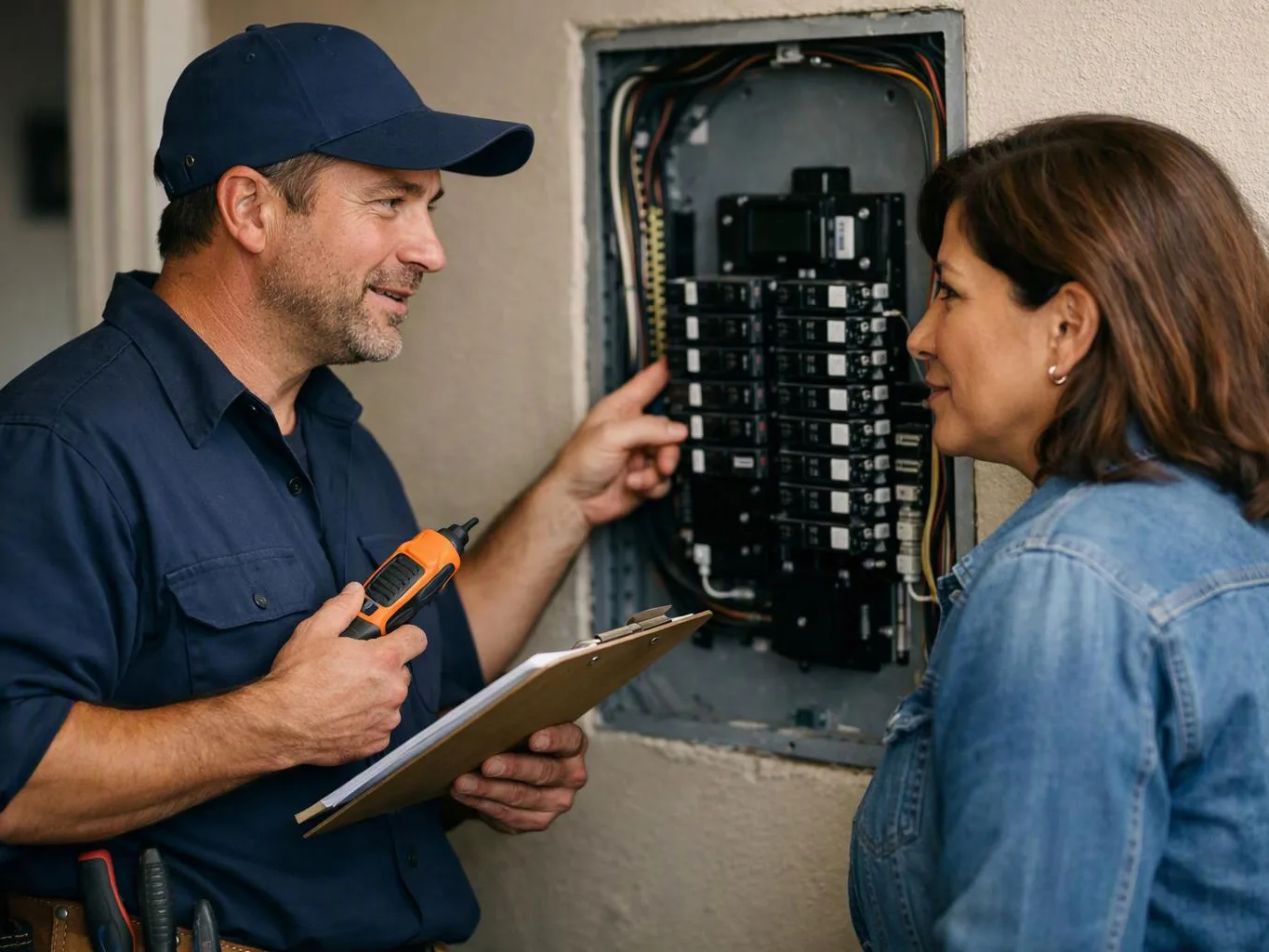
The visit moves from symptom review to inspection, isolation, repair, and testing. We first record what failed and which circuits are affected. Next, we trace the fault and explain the repair scope. After the work, we test the circuit and discuss any needed electrical upgrade.
Which material changes how long emergency electrical repair takes?
Damaged wiring material can change the repair work because insulation, conductor condition, and access affect the steps required. Aluminum wiring, older cable, and heat-damaged conductors need close inspection. We identify the material, check its condition, and explain whether repair or replacement fits the circuit.
What does a breaker that keeps tripping usually mean?
A repeatedly tripping breaker usually points to an overload, short circuit, damaged wiring, or a failing breaker. We test the circuit and review its connected equipment before replacing parts. Repeated resets can leave the underlying fault active, so keep the affected load off until it is checked.
Which power outage needs an electrician instead of a utility call?
An electrician fits an outage limited to your property, while a utility call fits a wider service interruption. We check the main panel, service equipment, breakers, and interior circuits when the fault appears property-specific. Ask neighbors about power, then describe the affected areas when requesting help.
How can a customer tell whether emergency electrical repair fits the property?
Emergency electrical repair fits when a sudden fault affects power, wiring, outlets, breakers, or electrical safety. The service suits homes, rentals, businesses, and managed properties with an active problem. Planned remodeling without a current fault belongs in a separate electrical planning discussion.
What details should I share before requesting an electrical assessment?
The most useful details are the failed area, recent symptoms, breaker position, affected equipment, and any heat or burning smell. Photos of the panel or outlet can help when they are safe to take. Do not open the panel or touch damaged wiring while reporting the issue.