Skip to content

EV Charger Installation in Downey, California

A weatherproof enclosure helps prevent water entry around charging equipment in Downey. We install the wiring, conduit fittings, and grounding conductor for your property.

Licensed & InsuredFree EstimatesWarranty AvailableSame-Day Service

Quick Summary: EV charger installation in Downey, California

EV Charger Installation in Downey is provided by Santa Ana Electrician for homes, rentals, businesses, and managed properties. The work covers wiring, conduit fittings, grounding, testing, and related electrical upgrades across Downey and surrounding Orange County communities.

  • What we do: Santa Ana Electrician installs EV charging circuits in Downey, California, with wiring, conduit, grounding, and testing.
  • What is included: load checks, copper wiring, conduit routing, grounding correction, charger connection, and testing and verification.
  • What you get: The property receives a tested EV charging circuit that matches the planned equipment and electrical layout.

What wiring is required for an EV charger in Downey, California?

A suitable EV charger circuit needs correctly sized copper wiring, conduit fittings, a grounding conductor, and a safe connection to the electrical system. Santa Ana Electrician checks the circuit path, connection points, and protection before testing the charger. The final wiring choice depends on the charger, route, property layout, and available electrical capacity.

EV Charger Installation for Downey properties

EV charger installation adds a planned charging circuit for a home, rental, business, or managed property. The job may include a load calculation, copper wiring, conduit fittings, a grounding conductor, and connection to the selected charging equipment.

Customers need more than a charger mounted on a wall. The circuit must follow a safe route and match the equipment and property layout. We assess the wiring path, check the connection points, and explain whether related work, such as a panel upgrade or subpanel installation, belongs in the scope.

This page helps buyers decide what wiring work their charger needs. Santa Ana Electrician serves Downey, Santa Ana, Irvine, Tustin, Orange, Anaheim, Garden Grove, Costa Mesa, and surrounding Orange County communities.

  • Confirm the charger location and cable route.
  • Check the electrical system and planned circuit path.
  • Choose suitable copper wiring and conduit fittings.
  • Include a grounding conductor and connection checks.
  • Test the circuit and charger connection before use.
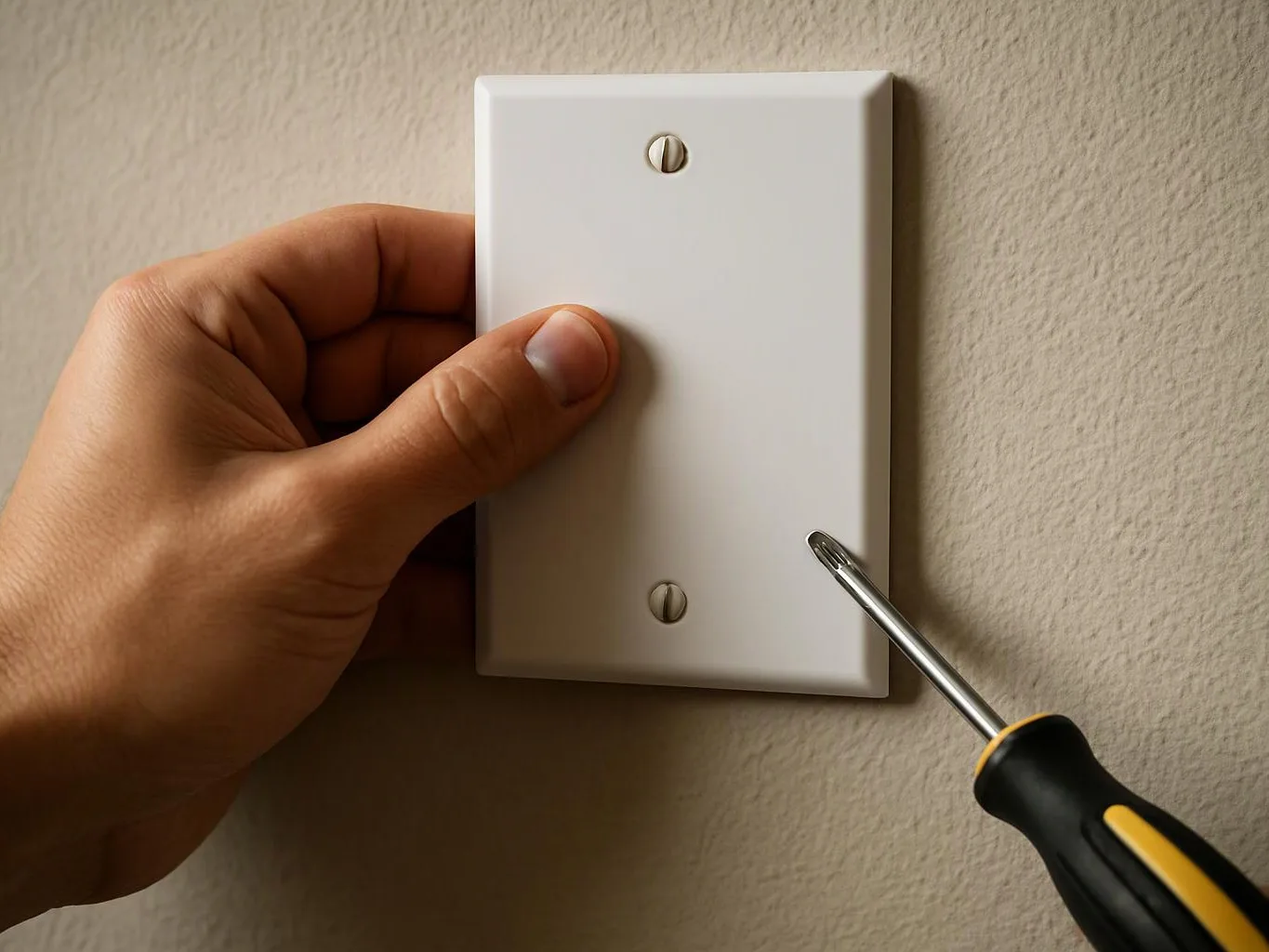
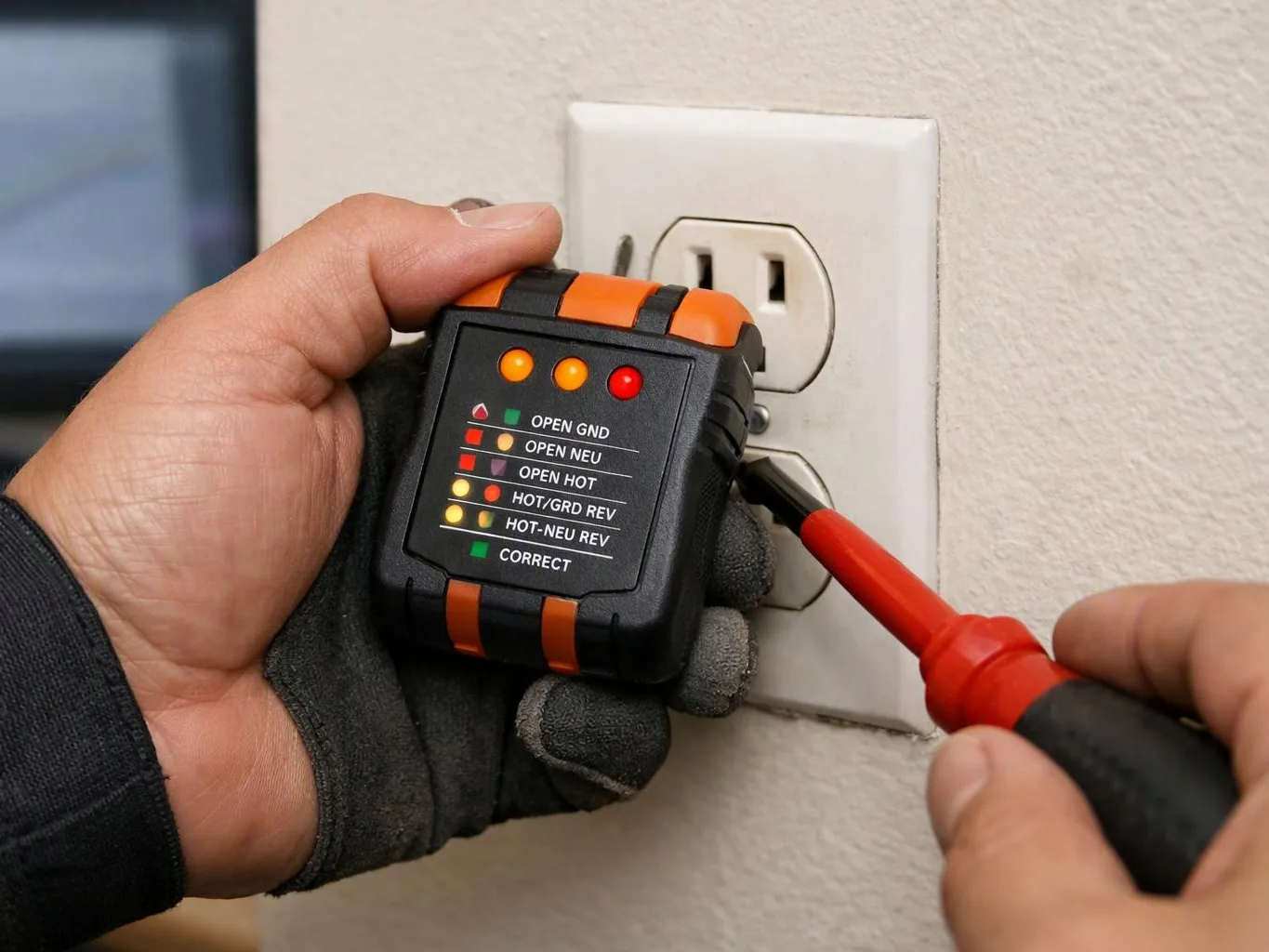
A hand holds a white wall plate while a screwdriver loosens a lower screw against a beige wall

Service Overview

EV Charger Installation is an electrical service that adds a dedicated circuit and connects charging equipment to a property.

  • EV charger installation differs from a general outlet repair because it includes circuit planning, wiring, grounding, equipment connection, and testing.
  • Santa Ana Electrician provides this work for homes, landlords, businesses, and property managers in Downey and nearby Orange County communities.

Typical costs and sizing

“Faster service, can take from 3-8 hours* to charge an EV”

Source: ladwp.com

What EV charger installation includes

Santa Ana Electrician provides comprehensive EV Charger Installation in Downey. Here's what you get:

  • We inspect the planned charger location and map the circuit route.
  • We complete a load calculation when the existing electrical system needs review.
  • We install copper wiring sized for the planned charging equipment and route.
  • We fit conduit and connection points where the wiring needs protection.
  • We install or correct the grounding conductor for the charging circuit.
  • We test the completed circuit and explain the next steps for safe use.

What the charging circuit changes

A dedicated circuit gives the charger a defined electrical path.

Proper conduit protects wiring where it crosses exposed parts of the property.

Correct grounding helps the charging system operate with a safer fault path.

Testing helps identify wiring or connection issues before regular charging begins.

A clear scope helps property owners decide whether a panel upgrade or subpanel belongs in the project.

How we approach this charging work

Match wiring to the charger

The charger, route, and property layout guide the wiring choice. Customers receive a scope based on the actual circuit path, not a generic outlet replacement. This service is the wrong job when the need is only a dead outlet or a separate electrical fault.

Protect exposed connections

Conduit fittings and a weatherproof enclosure help protect exposed charging connections from water entry and physical contact. We check each connection before testing the circuit.

Keep the scope practical

A charger project may reveal a need for circuit tracing, grounding correction, a subpanel installation, or a panel upgrade. We explain those options only when the property and planned equipment call for them.

Process

How we complete EV charger installation

1

Review the charger and property

We discuss the planned charger, property type, intended location, and charging use. Customers can share equipment details and access limits before the assessment.

2

Map the circuit route

We inspect the path from the electrical system to the charger. The route guides the copper wiring, conduit fittings, and access work.

3

Check electrical capacity

We complete a load calculation when the planned charger requires a closer look at the existing system. A panel upgrade or subpanel installation may enter the scope when the layout calls for it.

4

Install wiring and grounding

We place the wiring, protect the route with conduit where needed, and connect the grounding conductor. We also address related circuit or connection work identified during the assessment.

5

Test the charging circuit

We check the connections, test the circuit, and verify the charger connection. Customers receive the practical next steps for using the installed equipment.

Charging circuit choices to review

The right installation scope depends on the property route and the charging equipment.

Installation factorWhat we checkWhy it matters
Charger locationWall position and accessSets the wiring route and protection needs
Electrical systemPanel, subpanel, and available capacityShows whether related electrical work belongs in the scope
Outdoor connectionConduit fittings and weatherproof enclosureProtects exposed charging connections
Grounding pathGrounding conductor and connection pointsSupports fault protection and testing

The Santa Ana Electrician Standard

  • Initial Assessment
  • Systematic Troubleshooting
  • Safety-Minded Repairs
  • Clear Recommendations

Questions about EV charger installation

What wiring is required for an EV charger?

A weatherproof enclosure helps protect exposed charging connections, while copper wiring, conduit fittings, and a grounding conductor complete the circuit path. Santa Ana Electrician checks the charger, route, property layout, and electrical system before choosing the wiring scope. The final setup also receives connection checks and testing before regular charging begins.

How does a charging installation move from the first call to the last step?

The installation moves from a property review to route planning, wiring work, connection checks, and final testing. We discuss the charger and intended location first. Customers then receive a scope for copper wiring, conduit, grounding, and related electrical work. After installation, we test the circuit and explain how to use the completed connection.

How can I tell whether an EV charger fits my property?

A charger fits when the property can support its planned circuit, route, connection, and safe mounting location. We review the electrical layout, complete a load calculation when needed, and check access for the wiring path. Customers should share the charger details and intended use so the assessment covers the right equipment and property demands.

Which part of the property decides the charging installation scope?

The electrical system and the distance to the charger location usually decide the main scope. We check the panel or subpanel, wiring route, access points, conduit needs, and grounding path. A longer or less direct route can require different fittings and more access work, so we inspect the actual property before preparing the quote.

Why does an outdoor charger need protected connections?

Outdoor charging equipment needs protected connections because exposed wiring and fittings can face water entry or physical contact. We use suitable conduit fittings and check the weatherproof enclosure around the connection. Customers should keep the planned charger area accessible so we can inspect the route and test the completed circuit safely.

What should a property manager prepare before the assessment?

A property manager should prepare the charger details, intended location, access instructions, and information about the electrical equipment. We use those details to review the route and possible service interruptions. The property manager should also identify who can approve panel, subpanel, grounding, or wiring changes before the quote is requested.

When does a charger project need related electrical work?

Related electrical work enters the scope when the planned circuit needs a panel upgrade, subpanel installation, grounding correction, or circuit tracing. We identify that need during the property and load review. Customers receive the reason for each added task so they can decide whether to proceed with the full charging project.
Contact

Request an EV Charger Installation Estimate in Downey

Ask Santa Ana Electrician for a quote based on your charger, wiring route, and property needs. Urgent requests get priority scheduling.

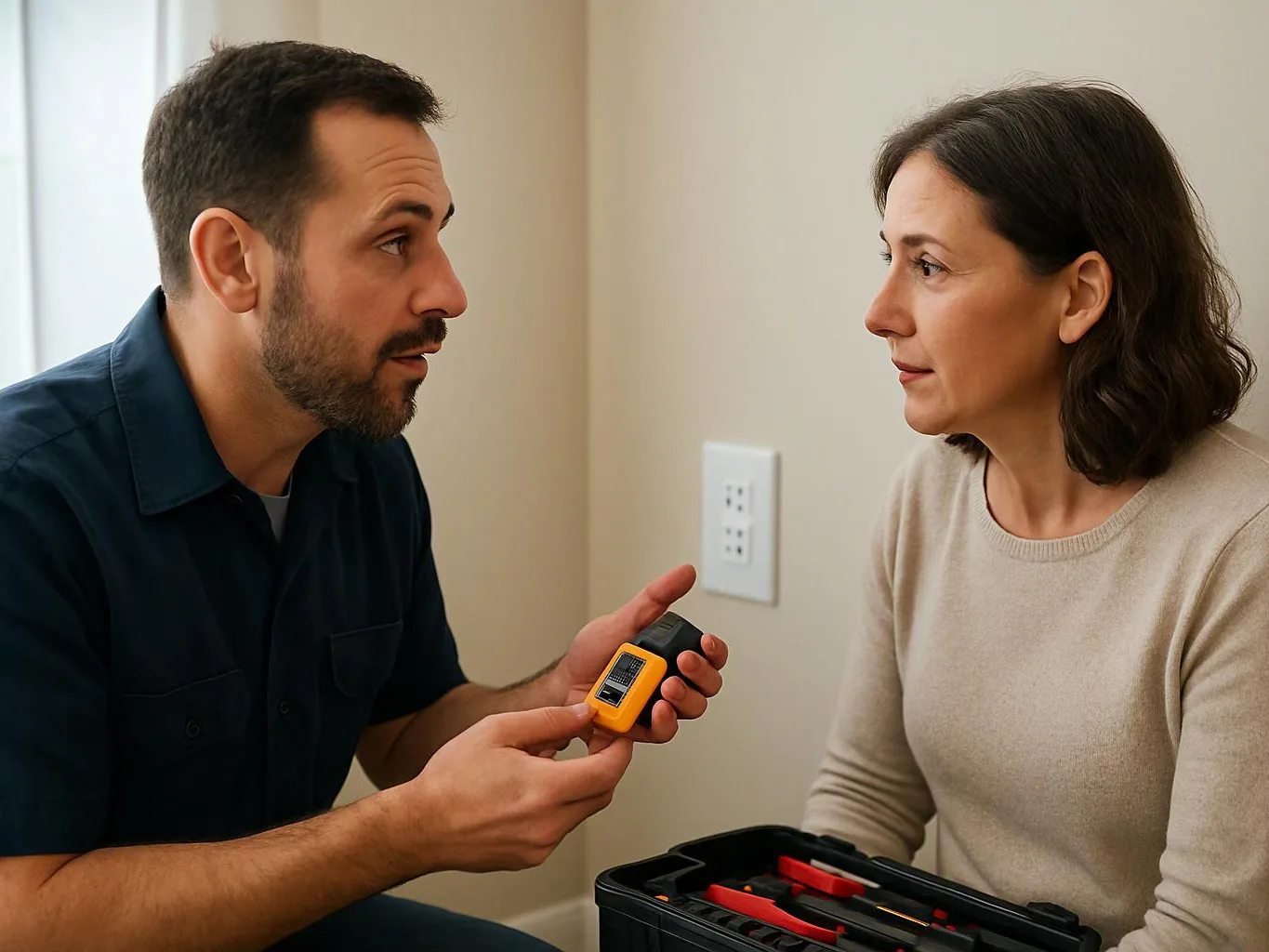
A man shows a small yellow device to a woman beside an open toolbox in a plain room

ZIP Codes We Serve in Downey, California

90239902409024190242

EV Charger Installation in Other Areas

(949) 850-2844