How can faulty switch wiring be identified?
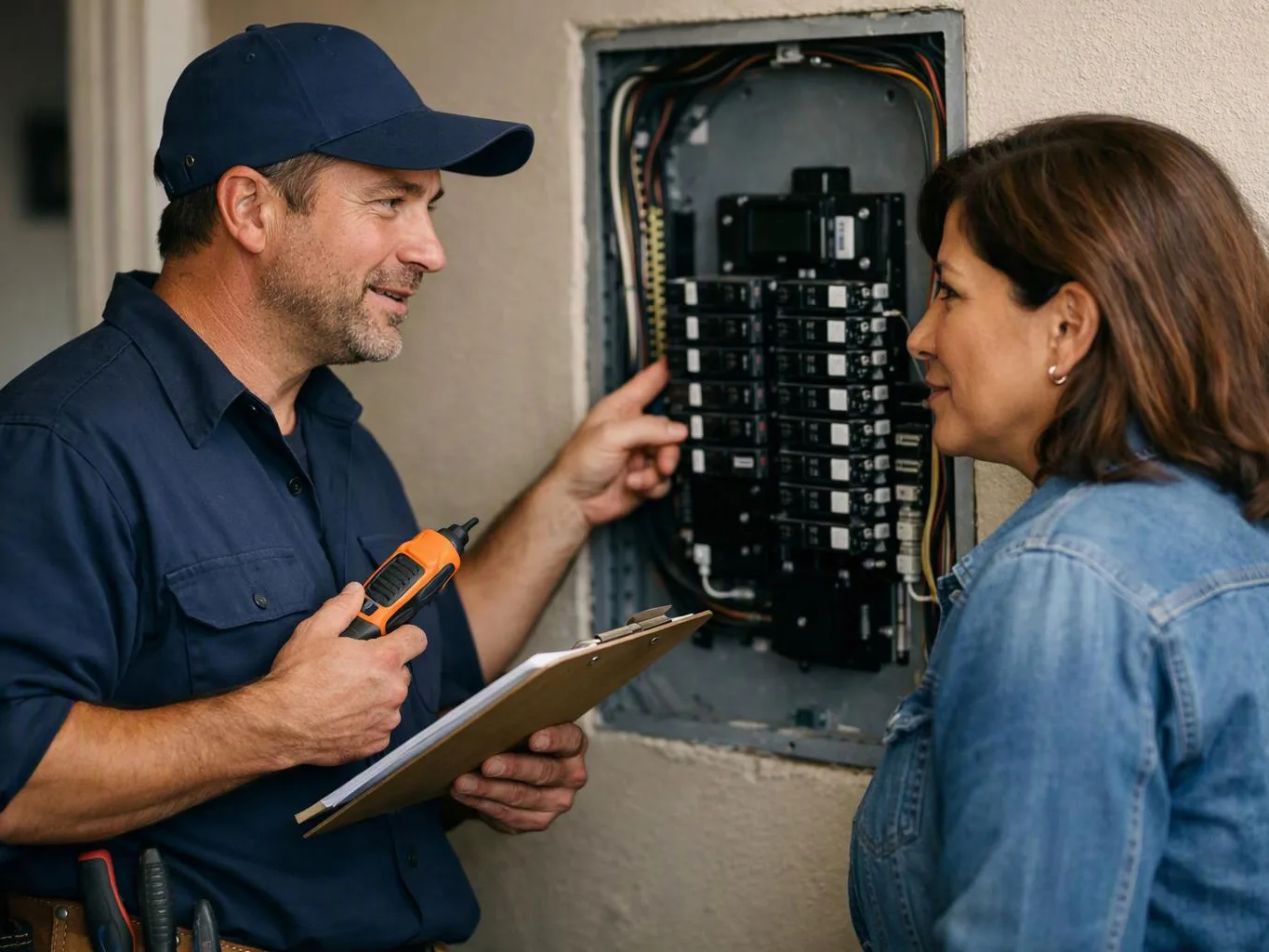
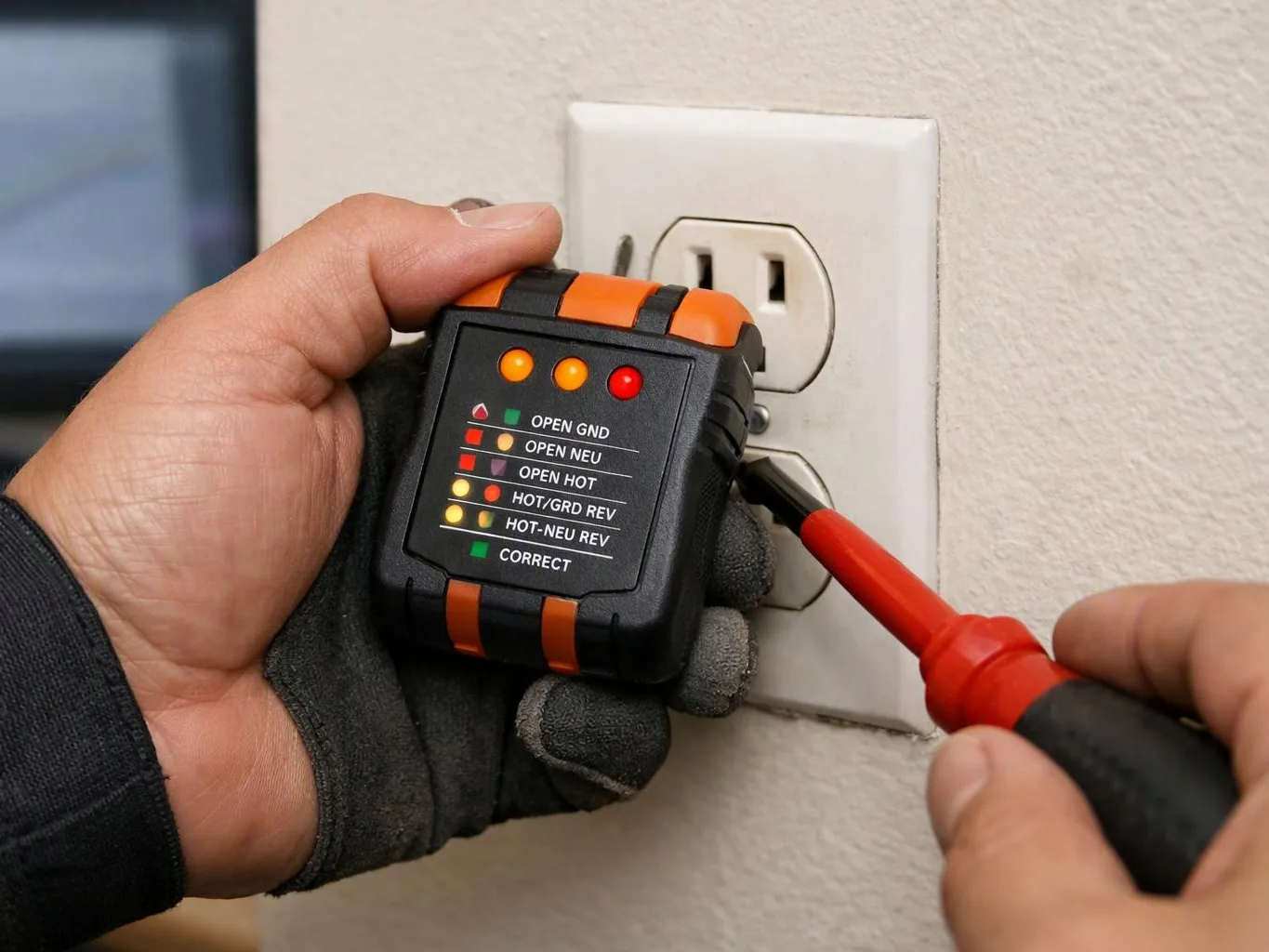
A tripped breaker can reveal faulty switch wiring, but the cause requires a circuit check. Santa Ana Electrician inspects loose connections, frayed wires, burn marks, terminals, and the switch box. We also trace the circuit when the fault may involve a light, outlet, or connected load. These findings guide the repair or replacement choice.
Which part of the property decides the scope of switch work?
The switch box and connected circuit decide the scope of the work. We check the box depth, wire condition, terminals, circuit path, and connected light or outlet. Access also matters when wiring needs repair beyond the wall box. Our assessment separates a straightforward switch replacement from broader electrical troubleshooting.
What material changes the time needed for switch installation?
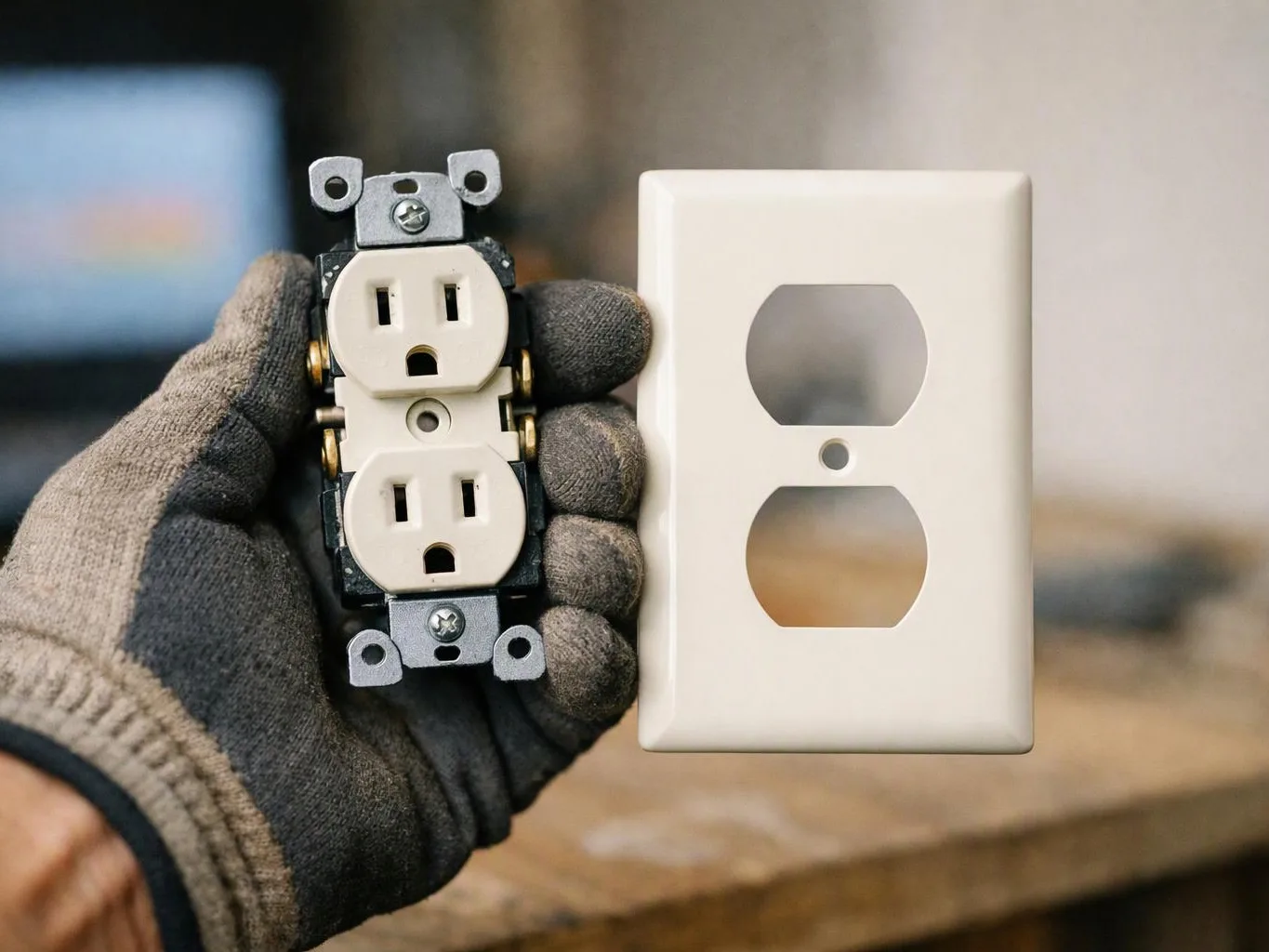
The existing wiring material changes the work needed for switch installation. Copper wiring, aluminum wiring, damaged insulation, and brittle wire each require a different inspection and connection approach. We identify the wire condition before fitting the switch. A repair becomes part of the scope when the existing conductors cannot support a safe connection.
How does a switch installation visit move from the first call to the last step?
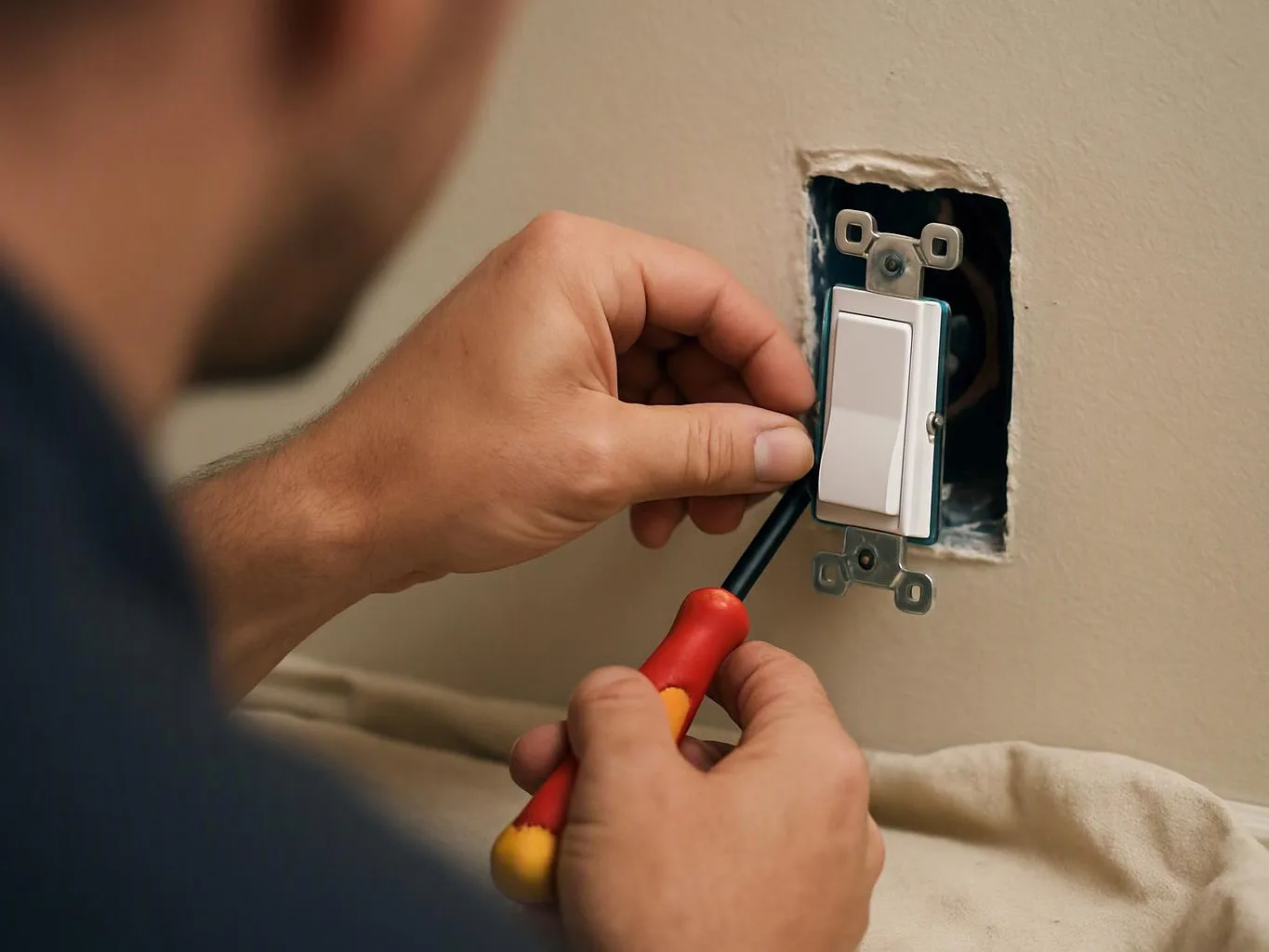
The visit moves from symptom review to circuit isolation, wiring inspection, switch connection, and testing. We first identify what the switch controls and what warning signs appeared. Next, we inspect the box and trace the circuit when needed. The final step confirms operation and explains any separate repair.
When should a switch stop being used before inspection?
A switch should stop being used when it sparks, smells hot, buzzes, feels warm, or shows burn marks. Turn off the affected circuit if you can do so safely, and keep the switch off. Our team can inspect the box, wiring, and connected load to identify the electrical fault.
Why does a new switch still fail after replacement?
A new switch can fail when the circuit has a loose connection, damaged wire, overload, or another faulty device. We check the wiring and connected load instead of treating the switch as the only cause. Circuit tracing helps locate the problem when the wall box looks sound.
Which signs point to a wider electrical repair?
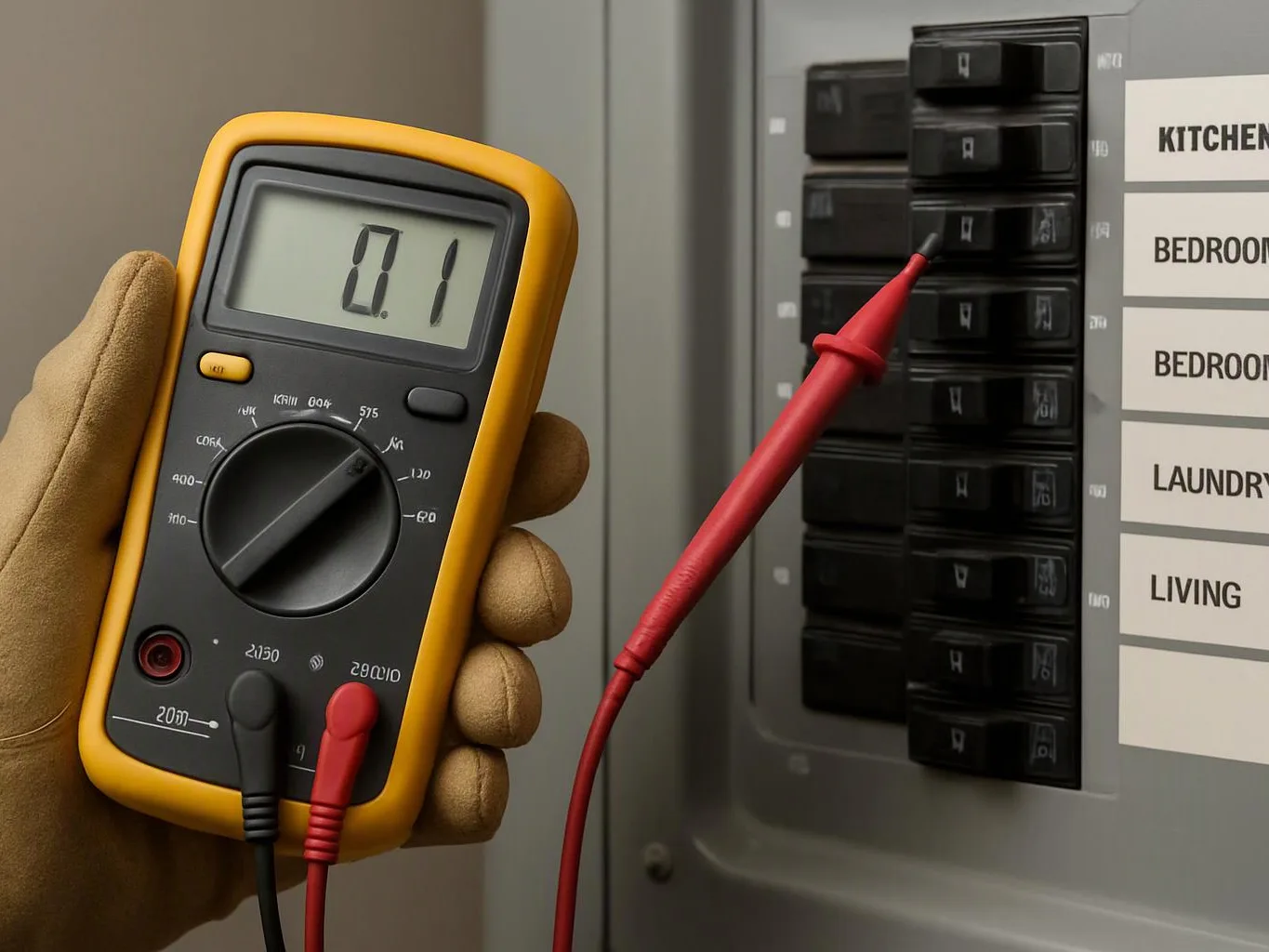
Repeated breaker trips, several dead outlets, flickering lights, or a buzzing panel point to a wider electrical repair. We inspect the switch and then check the related circuit and panel symptoms. The work may involve circuit troubleshooting, breaker replacement, or a panel assessment instead of switch service alone.