What wiring methods are used for outdoor lighting?
Junction boxes connect outdoor lighting wiring at planned points, while low-voltage wiring, direct burial, and underground conduit carry power to the fixtures. Santa Ana Electrician checks the circuit and site access before choosing a method. The estimate explains the route, connection points, and testing steps for the property.
What does the crew look at first during outdoor lighting installation?
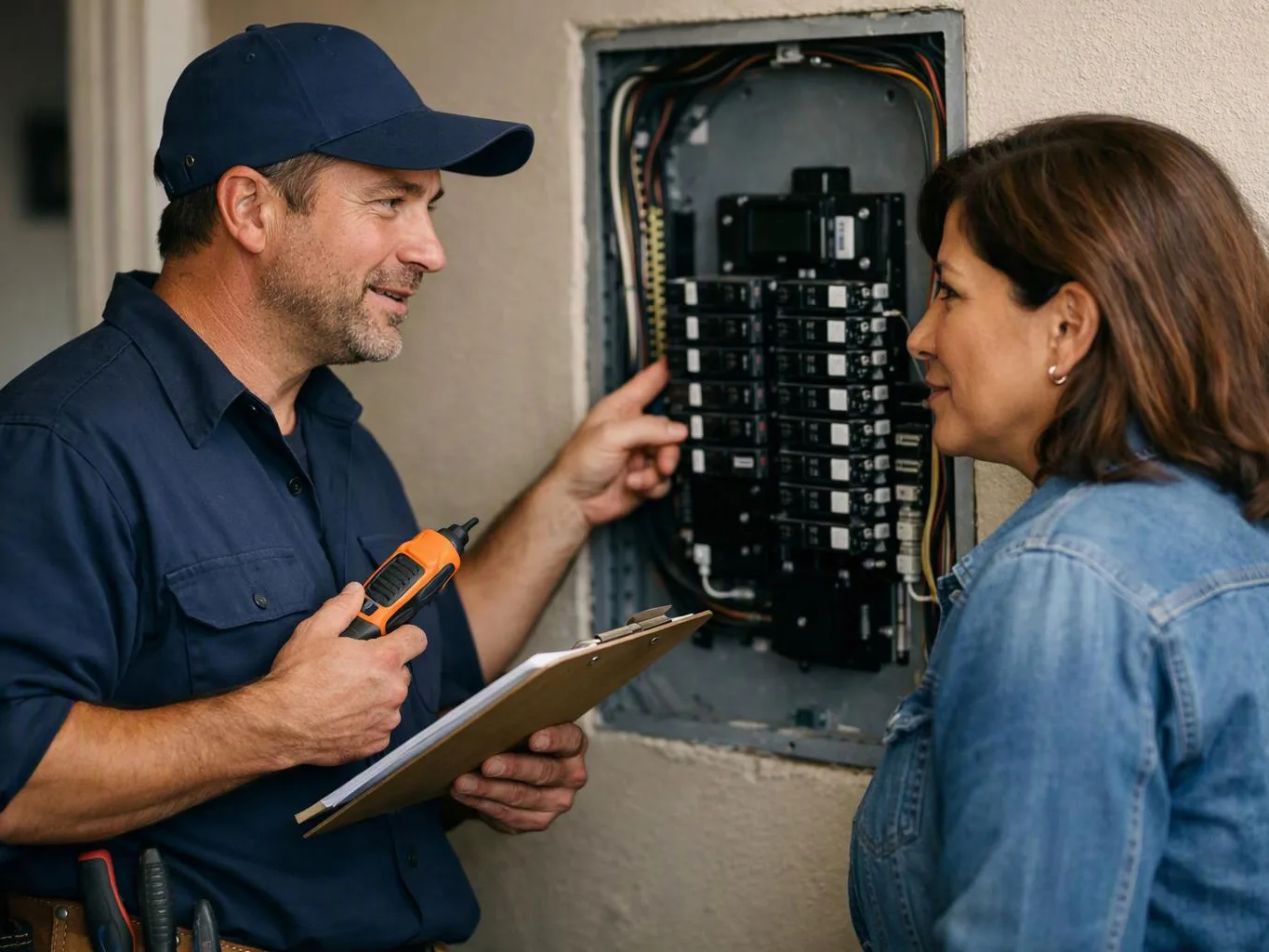
The first check covers fixture locations, the available circuit, access, and the proposed cable route. We then inspect connection points and identify whether low-voltage wiring, direct burial, or underground conduit fits the site. This review keeps the estimate tied to the actual electrical work.
What should be checked before outdoor lighting installation is scheduled?
The property should have planned light locations, an identified power source, and a workable route for the wiring. We check circuit capacity, access, junction points, and existing electrical conditions before scheduling. Customers should also mention flickering lights, dead outlets, or a breaker that keeps tripping.
Who is a good fit for outdoor lighting installation, and who needs a different service?
Homeowners, landlords, businesses, and property managers are good fits when they need new or changed exterior lighting. Santa Ana Electrician handles the wiring, connections, and testing. A utility outage or a major service entrance problem needs a separate electrical assessment before lighting work proceeds.
Which part of an outdoor lighting job changes the price most?
The wiring route and site access often change the project scope most. Ground work, underground conduit, direct burial, circuit changes, and the number of connection points all affect the estimate. We review those conditions on site and provide free estimates before the customer chooses the work.
Why do outdoor lights trip the breaker after new wiring is added?
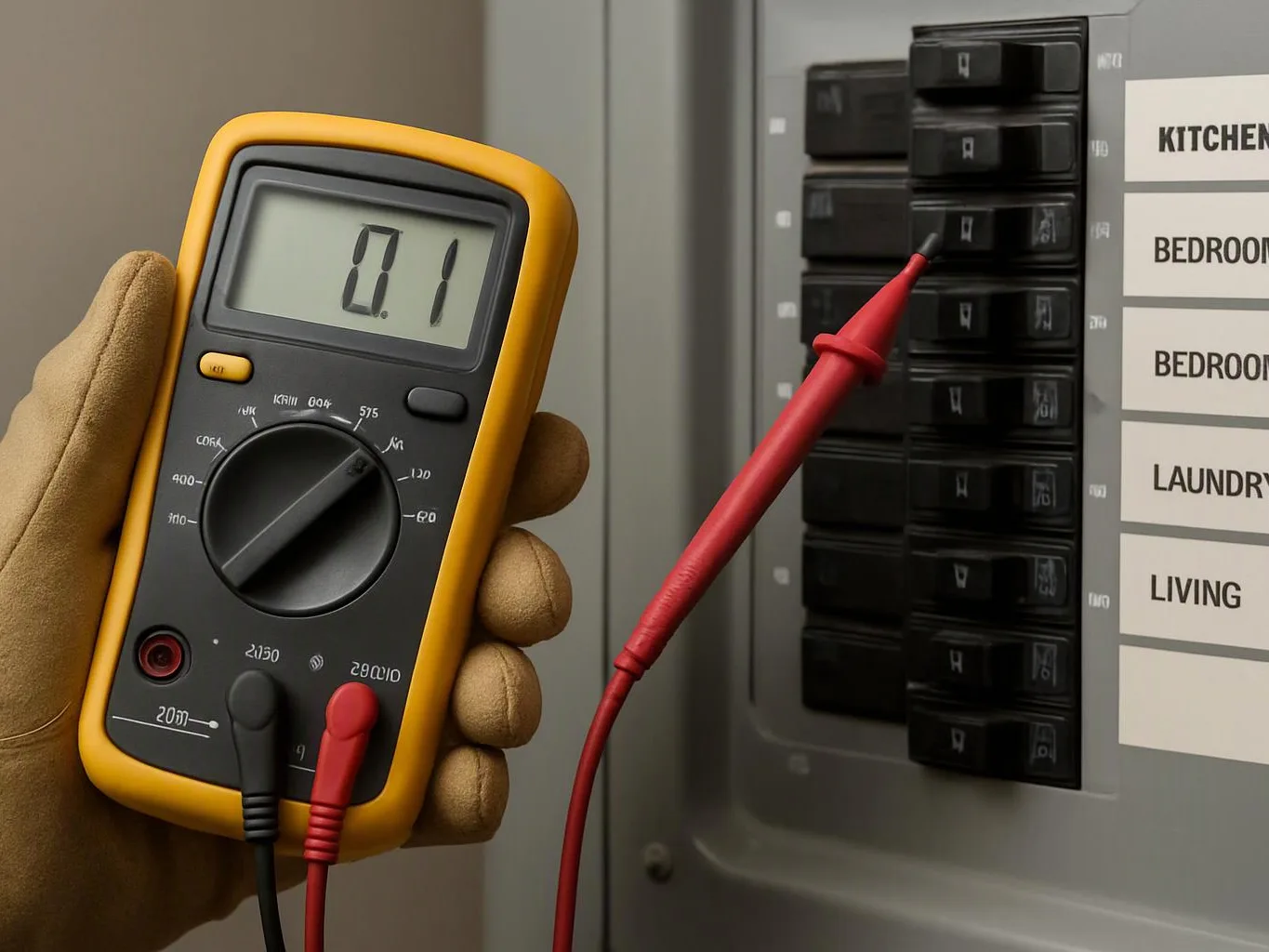
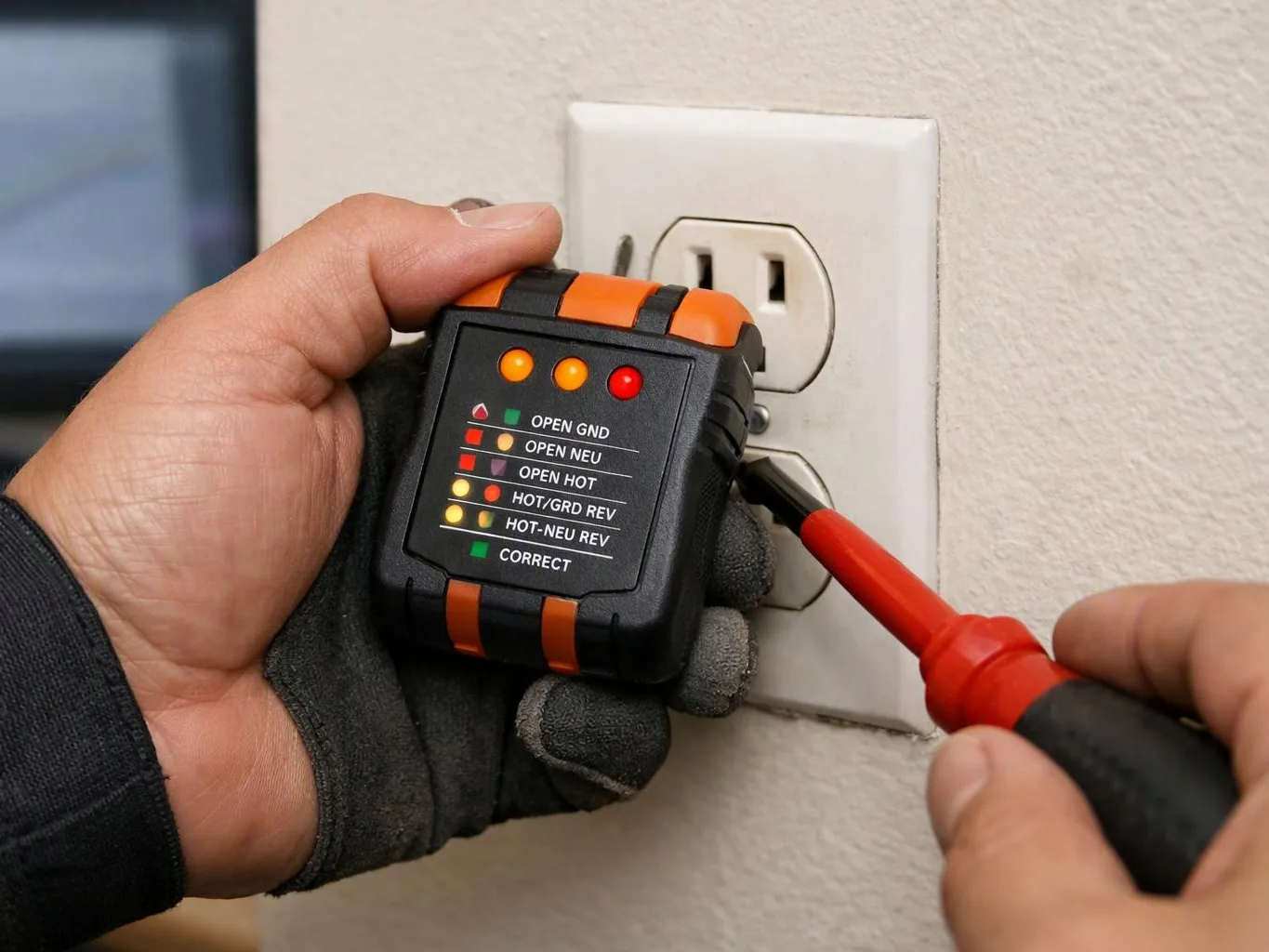
A breaker can trip when the circuit has a fault, excessive load, damaged wiring, or a connection problem. We isolate the lighting circuit, trace the wiring, and test the connections. Customers should stop resetting a breaker that trips repeatedly and request an electrical inspection.
How does low-voltage wiring differ from underground conduit?
Low-voltage wiring describes the lighting system, while underground conduit describes a protective pathway for wiring below grade. A project can use low-voltage lighting with a suitable buried route. We review the power source, cable path, and access before recommending the combination.