Why is my pool pump losing power?
A loose terminal is a common electrical cause of intermittent pump power, while a motor failure, GFCI trip, or damaged cord can create the same symptom. Santa Ana Electrician checks the supply circuit and pump connection before choosing a repair. Repeated resets can hide the fault, so leave the circuit off when you notice heat, sparking, or a burning smell.
How does a pool electrical repair visit move from the first call to the last step?
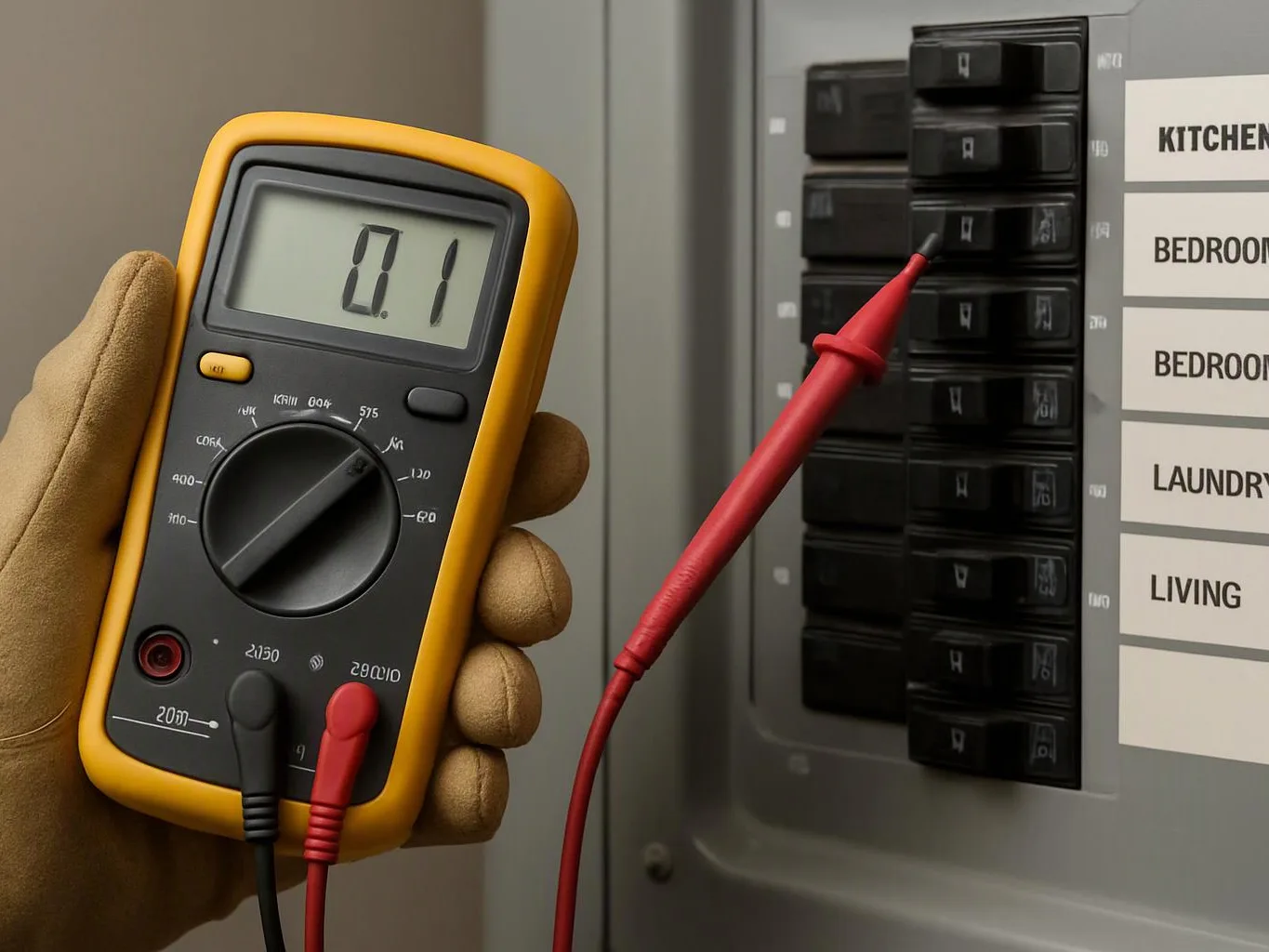
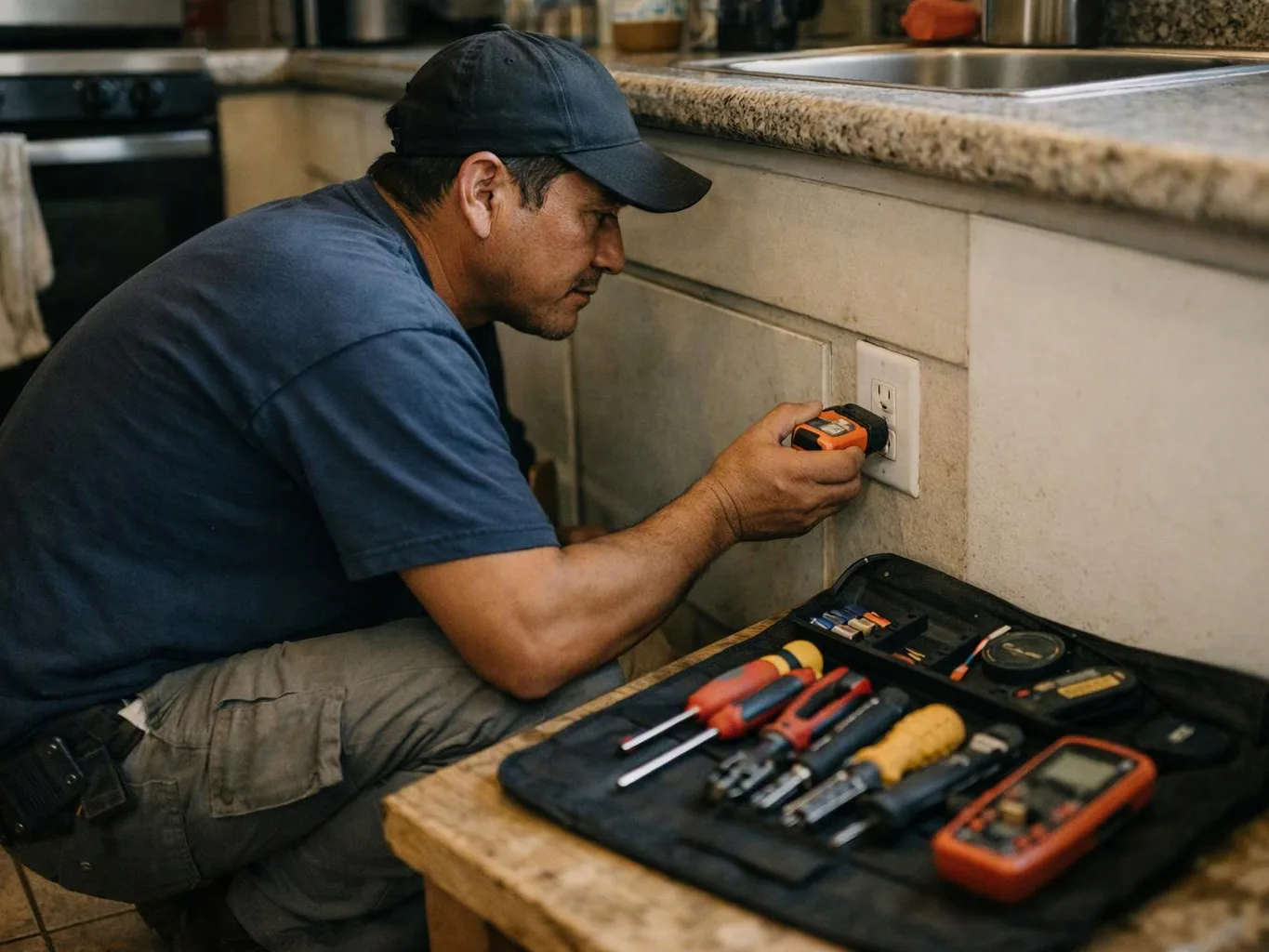
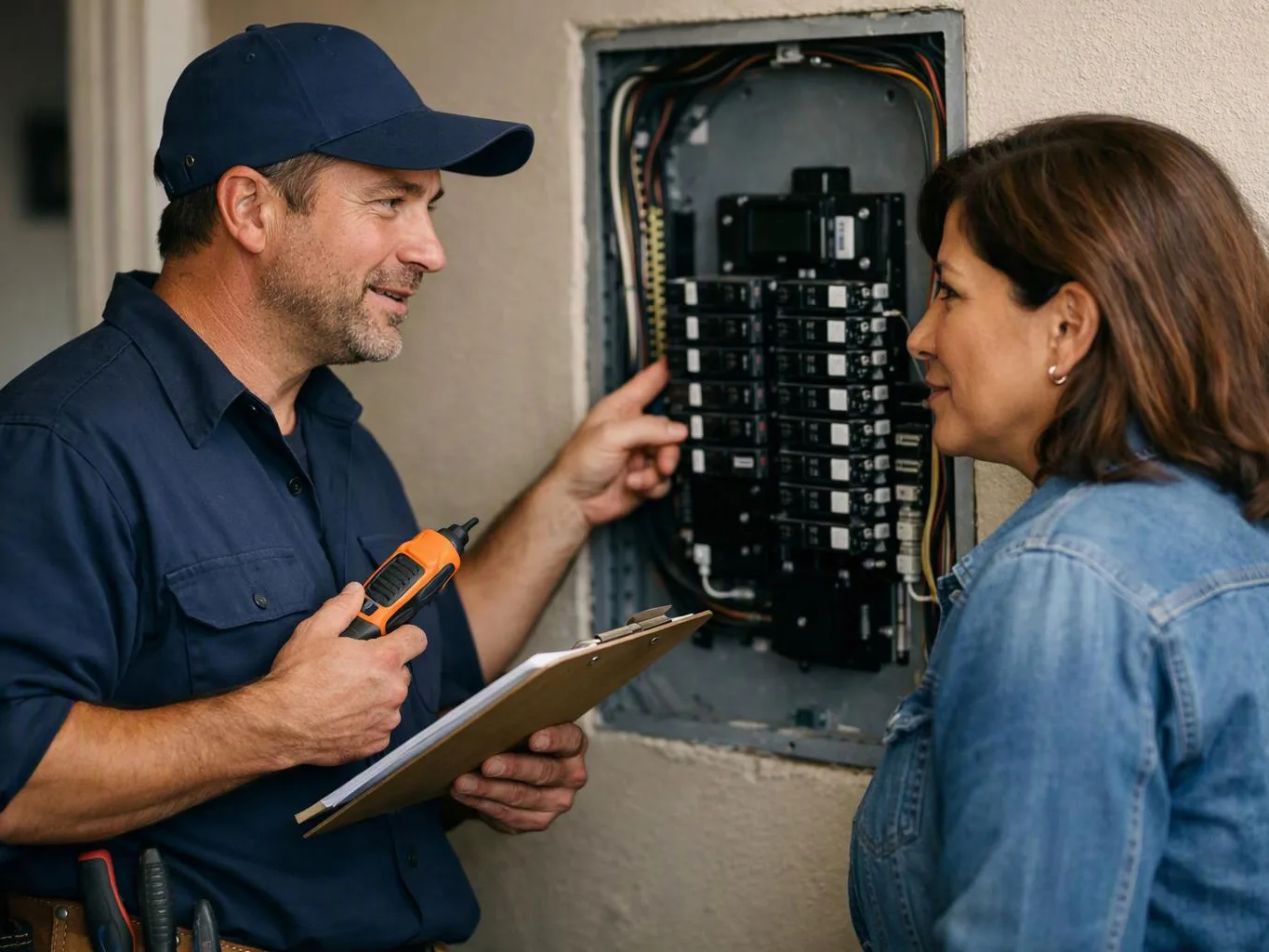
The visit moves from symptom review to circuit tracing, testing, repair planning, and final verification. We check the breaker, GFCI, wiring path, pump connection, and accessible cord sections. The proposed work is explained before repair begins. Testing follows the repair so the circuit and protection devices are checked together.
What makes pool electrical repair fit a property?
Pool electrical repair fits a property when the pump, controls, wiring, cord, GFCI, or supply circuit has an electrical fault. We inspect the electrical path and separate it from a purely mechanical pump problem. Homeowners, landlords, businesses, and property managers can request this assessment when pool equipment loses power or protection devices keep tripping.
Which part of the property decides the repair scope?
The pump circuit and its access points decide the repair scope. The panel, breaker, GFCI, disconnect, wiring route, cord, and motor connection each affect the diagnosis. Access to the panel and pool equipment lets us test the full path. A fault outside the pool circuit can expand the work to related electrical repairs.
When should I stop resetting the pool GFCI?
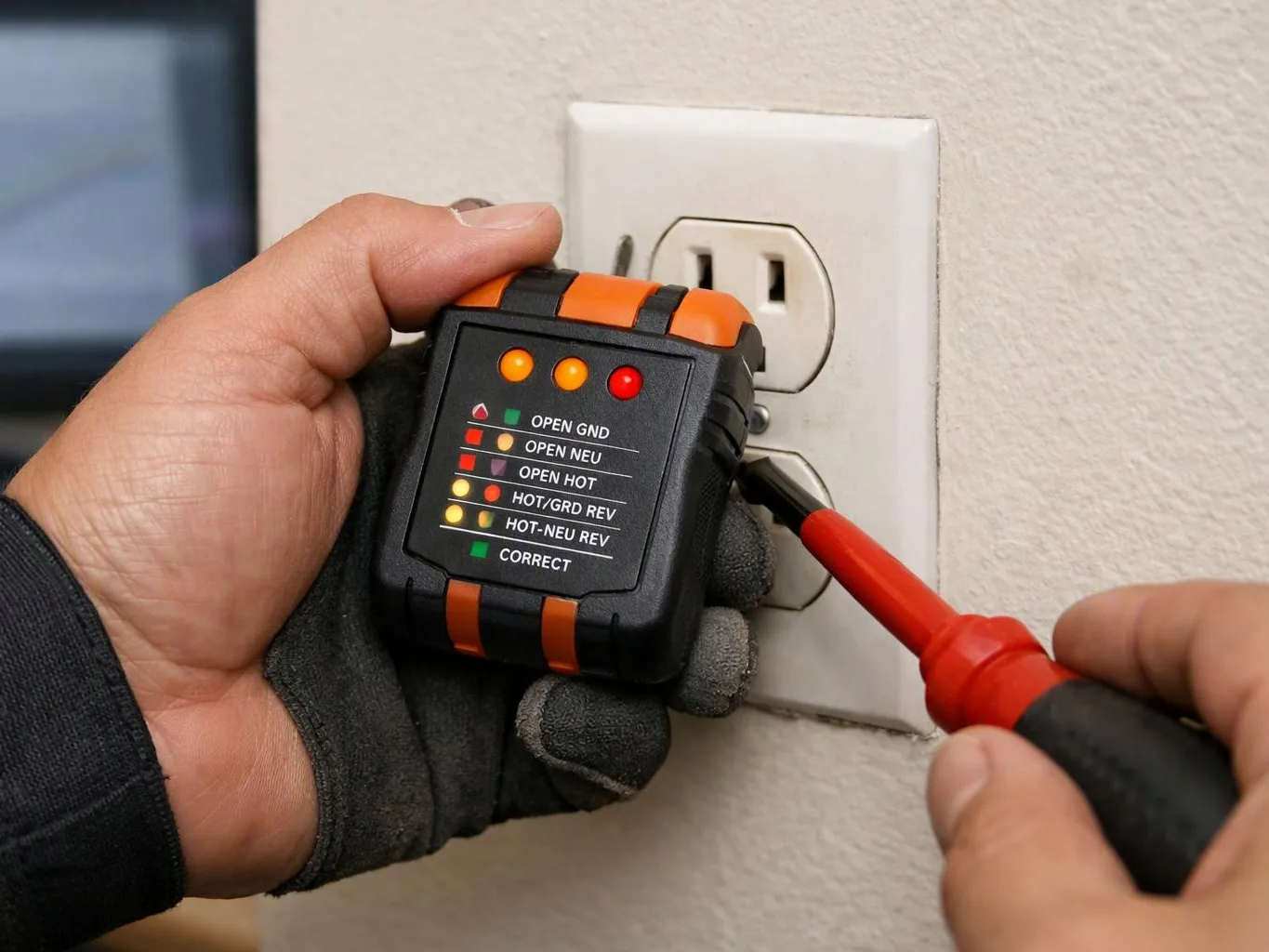
Stop resetting the GFCI when it trips again, shows heat, or accompanies a burning smell, buzzing, or visible damage. We test the device and connected circuit to find the cause. A repeated trip can involve the pump motor, cord, wiring, or moisture-related fault. Keep people away from damaged equipment until the circuit is assessed.
What information should I give the electrician before the visit?
The most useful details are the pump symptom, recent trips, breaker position, GFCI behavior, equipment location, and any visible cord or connection damage. Note whether the pump starts before losing power. Access to the panel and pool equipment supports a complete circuit check, while photos can help describe visible damage before service.