What types of security lighting can be installed?
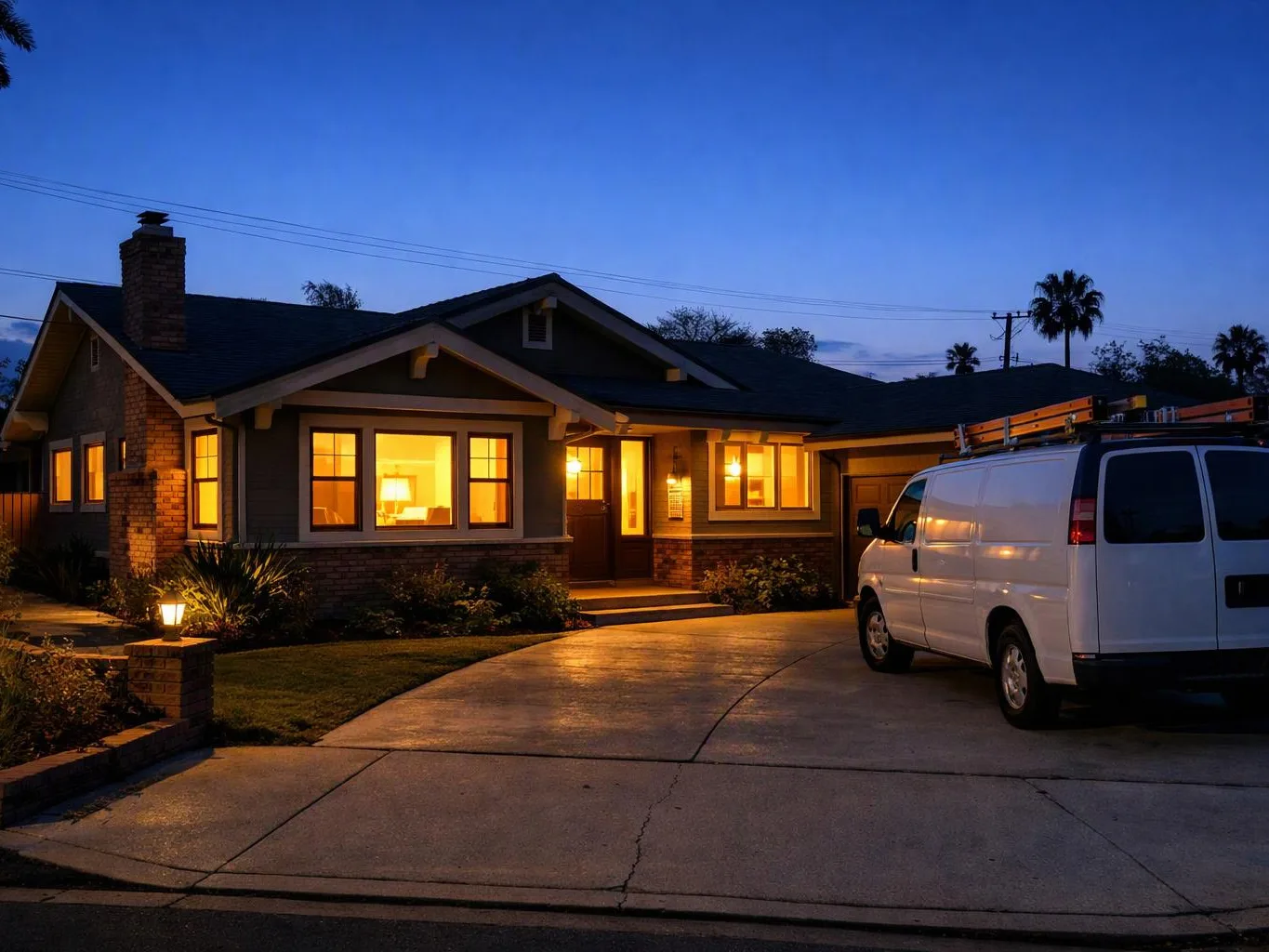
Motion lights, floodlights, dusk sensors, and camera lights are common security lighting options. Santa Ana Electrician matches the fixture to the area, control needs, wiring, and available power. We also test the finished system so you know how the switch or sensor operates. Camera lights require compatible camera equipment and a suitable electrical connection.
How is lighting matched to the property before work starts?
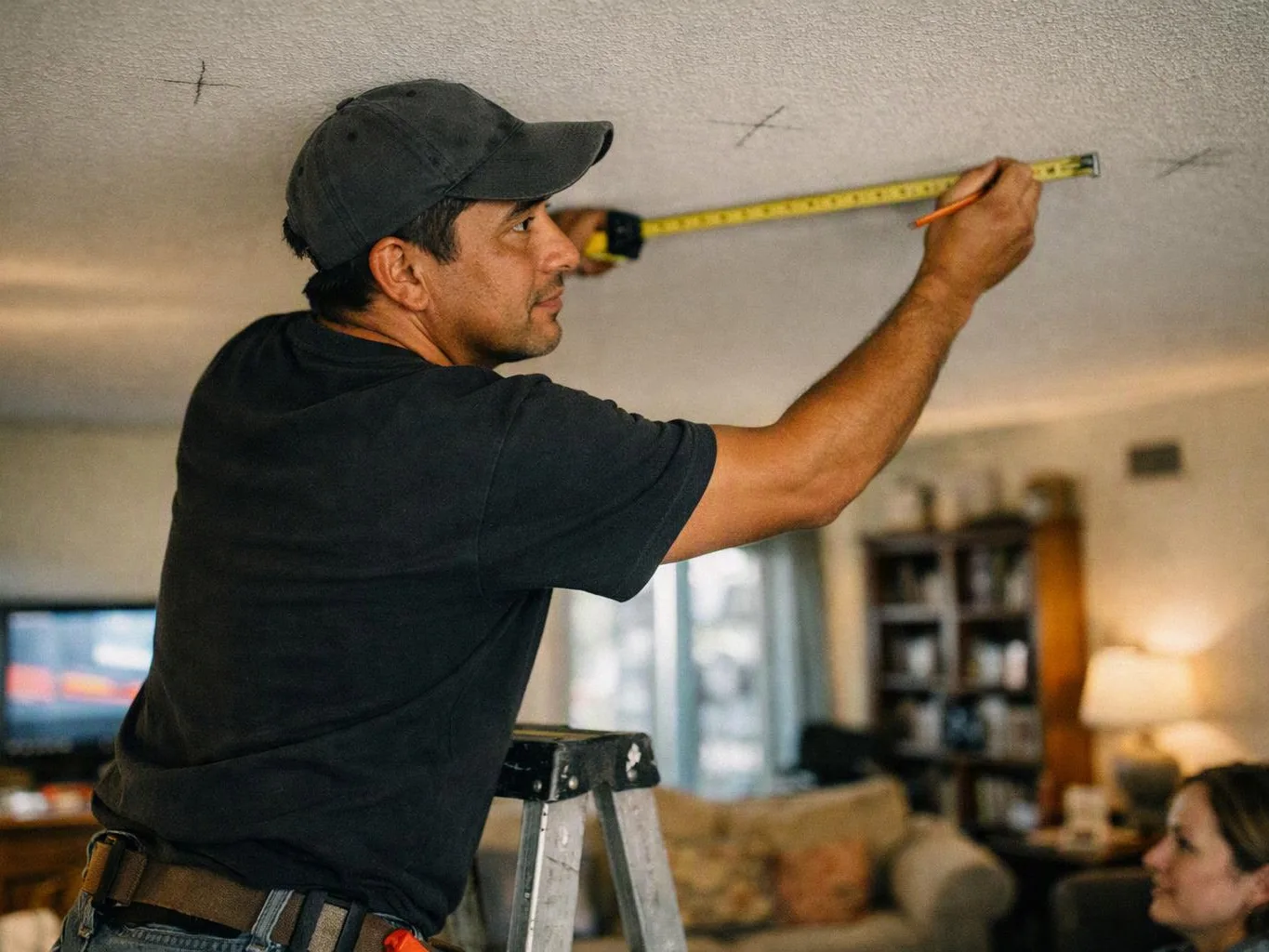
The property layout, fixture location, circuit, switch, and coverage goal guide the lighting choice. We inspect those conditions before setting the scope. A broad side area may need a floodlight, while an entry may suit a controlled fixture. We explain the recommendation and identify related wiring work before installation.
Which property condition changes the installation time?
Existing wiring, circuit access, fixture mounting, and control placement can change the work required. We check those conditions before the quote. A damaged circuit or difficult wiring path can add electrical repair to the scope. We explain that difference before work begins, so the installation plan stays clear.
What should be ready before security lighting starts?
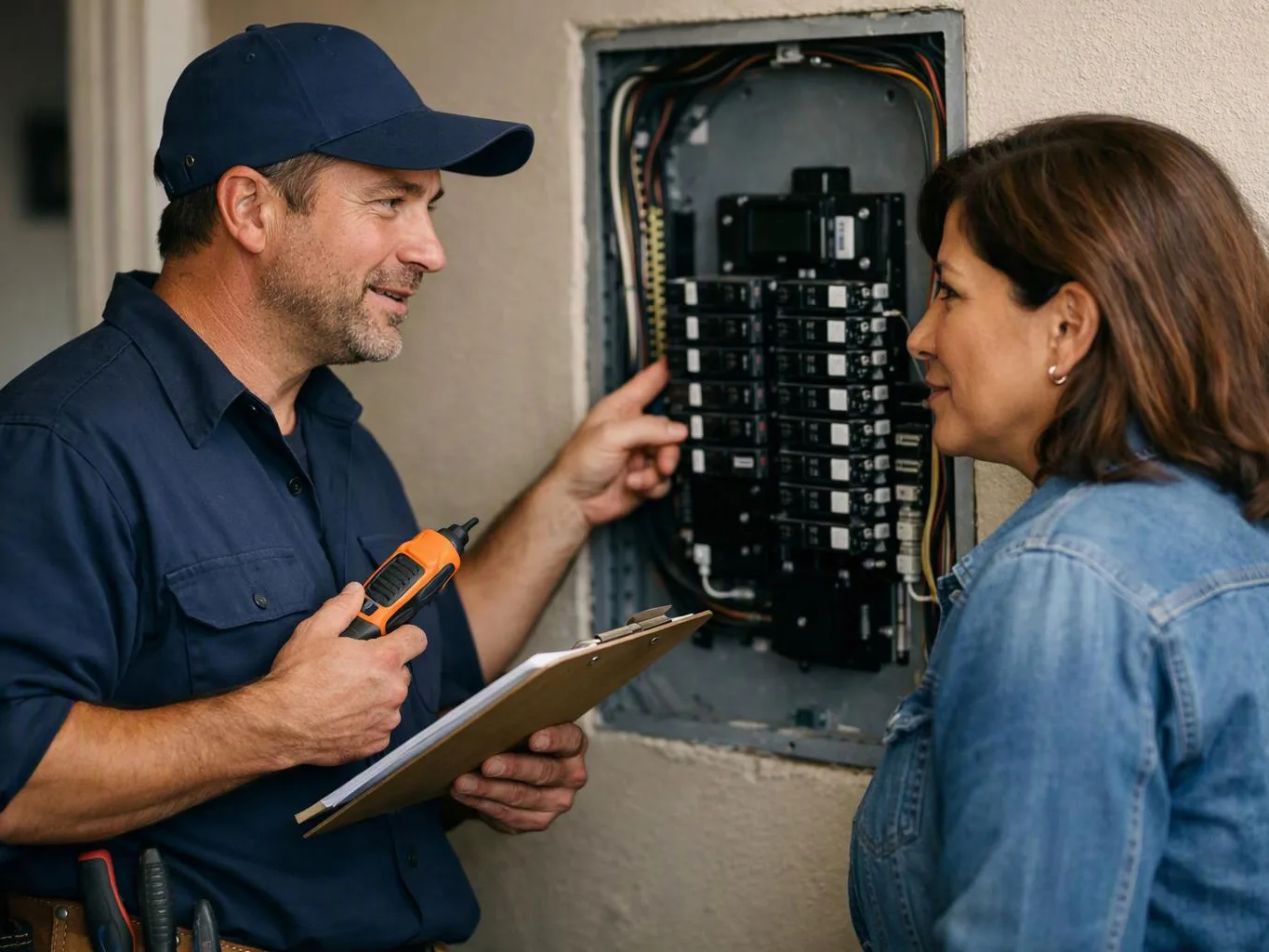
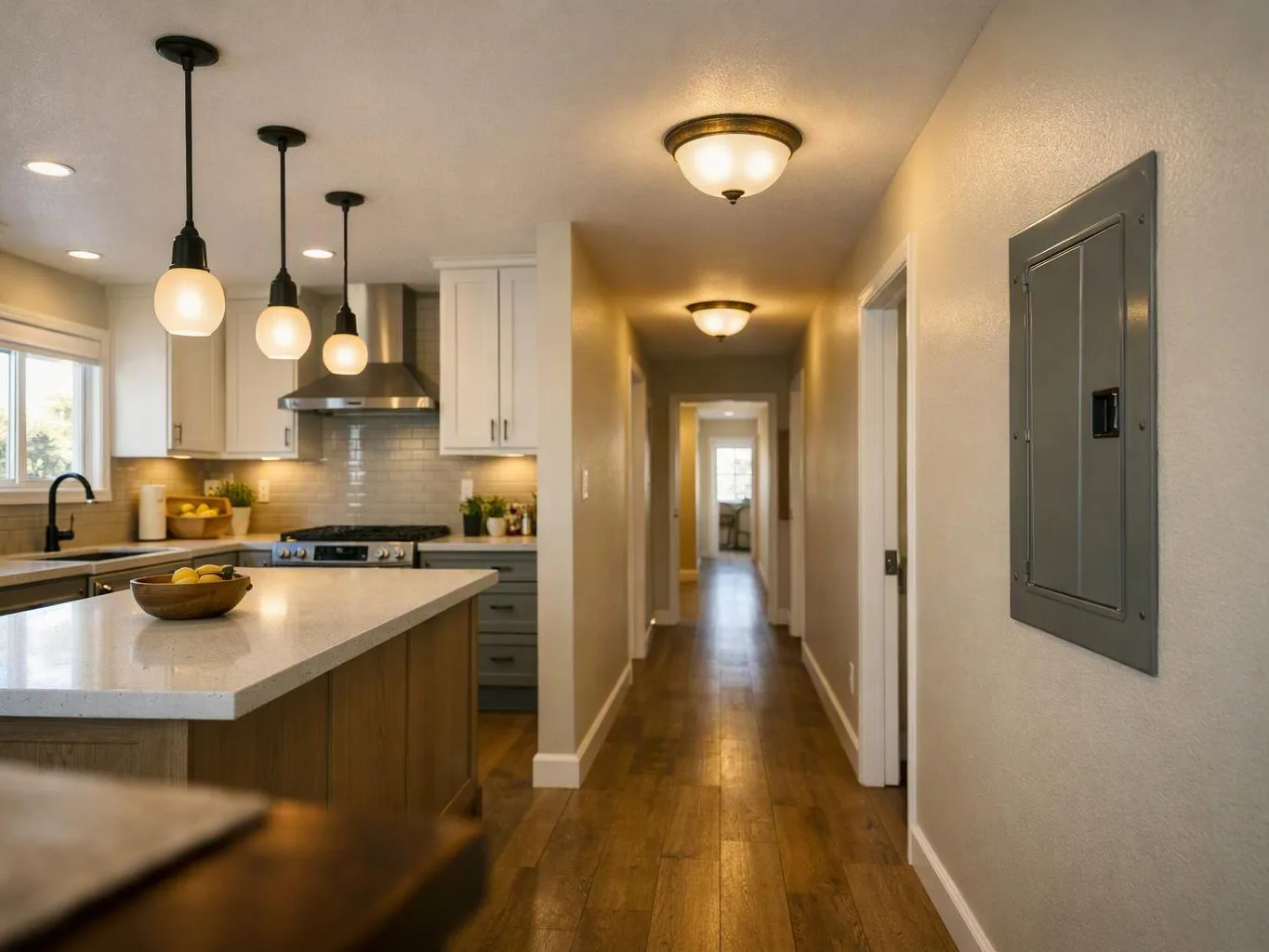
The work area, access points, fixture locations, and current lighting concerns should be ready for review. We need to see the switch, circuit, and proposed mounting area. Keep property access clear and identify any flickering light, dead outlet, or breaker issue. That information helps us assess the full electrical scope.
Why do security lights turn on during the day?
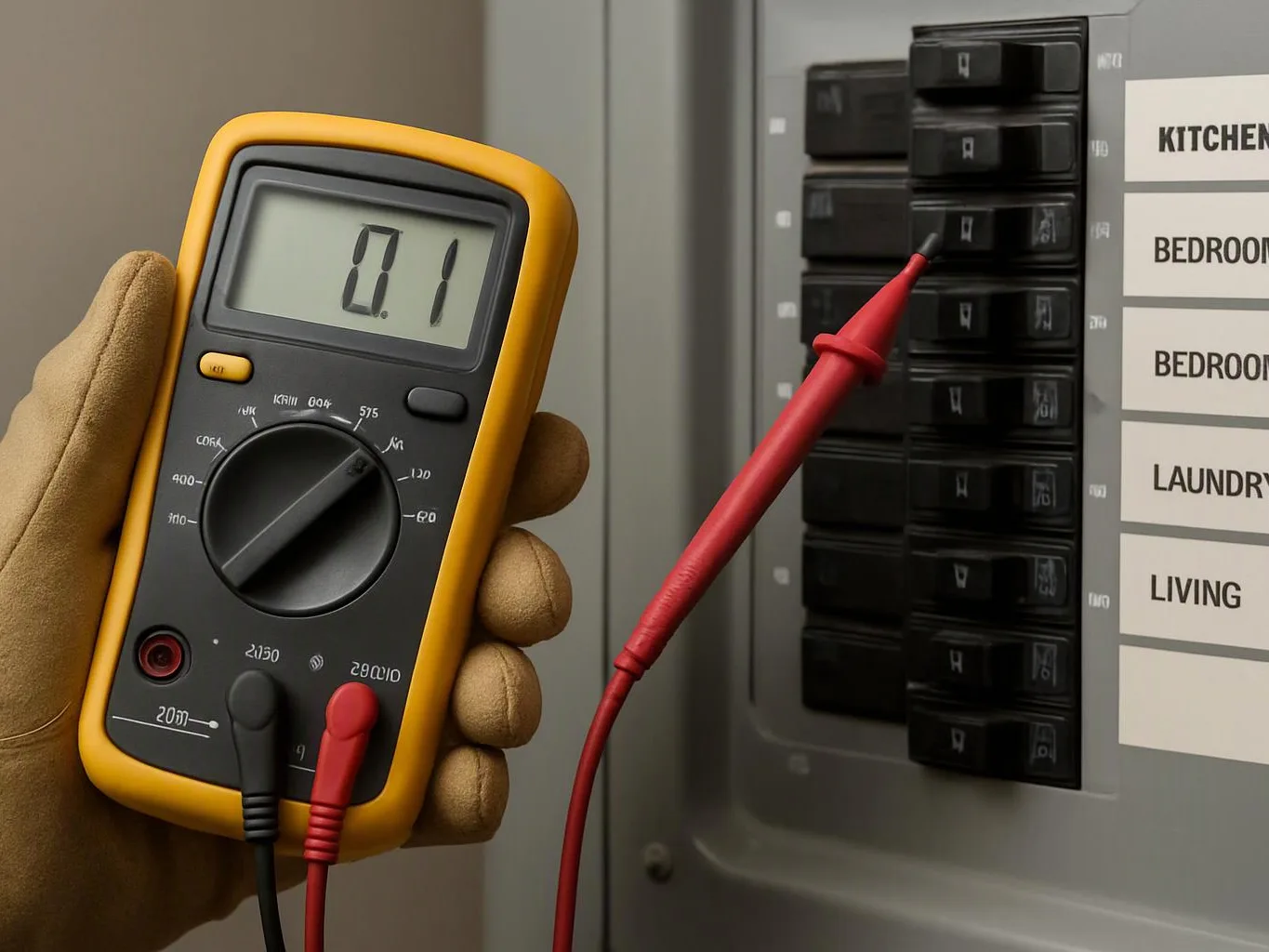
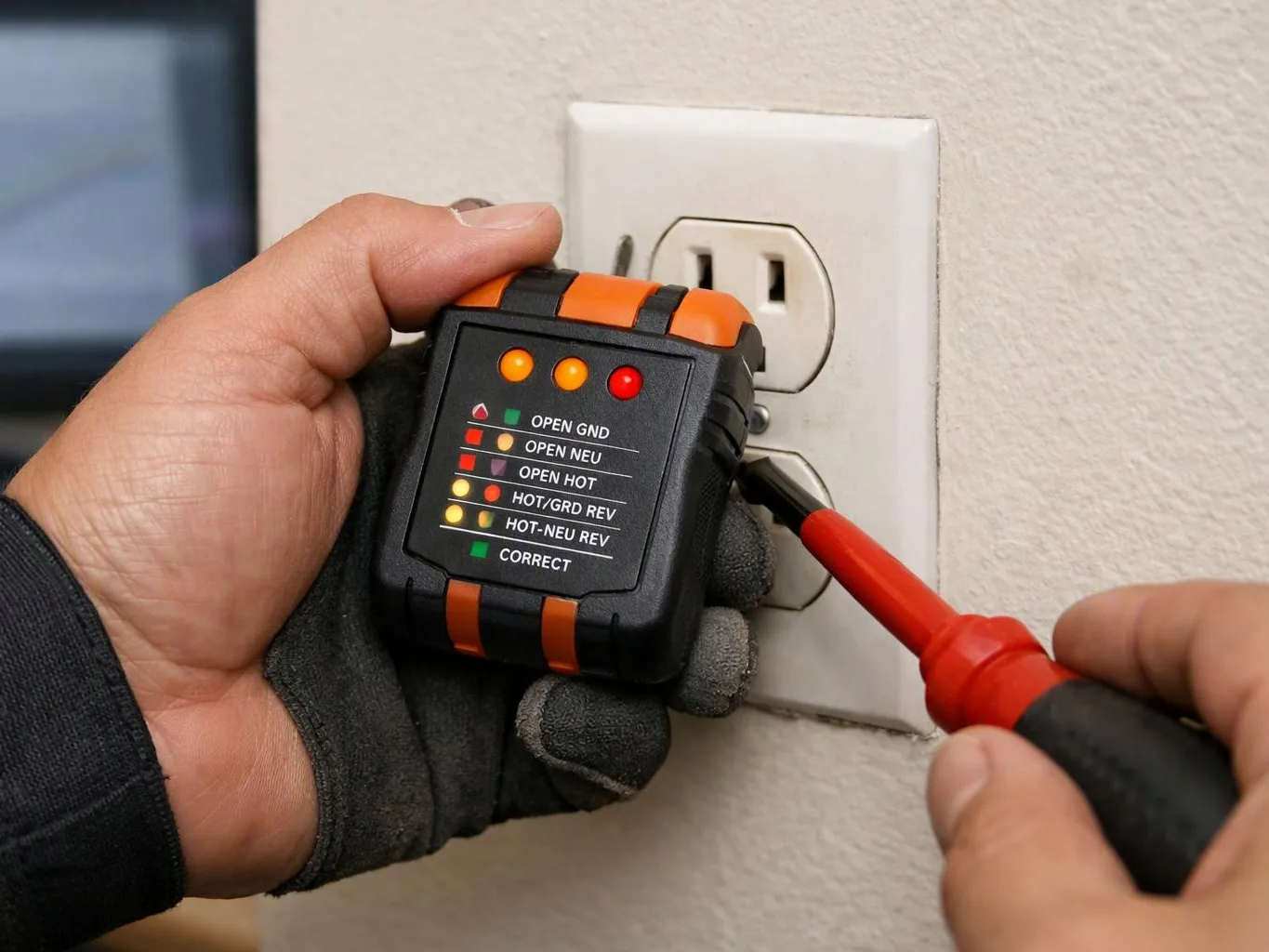
A faulty sensor, incorrect control setting, damaged wiring, or a switch problem can keep a security light on. We test the sensor, switch, fixture, and circuit to find the cause. Dusk sensors need a clear reading of ambient light, while camera lights need compatible control equipment.
Can lighting installation include a circuit repair?
Yes, lighting installation can include related circuit repair when the issue affects the requested work. We inspect the wiring, connections, switch, and breaker before proceeding. Larger faults, panel problems, or service entrance issues need a separate electrical scope. We explain what belongs in the lighting work and what does not.