What causes short circuits in home wiring?
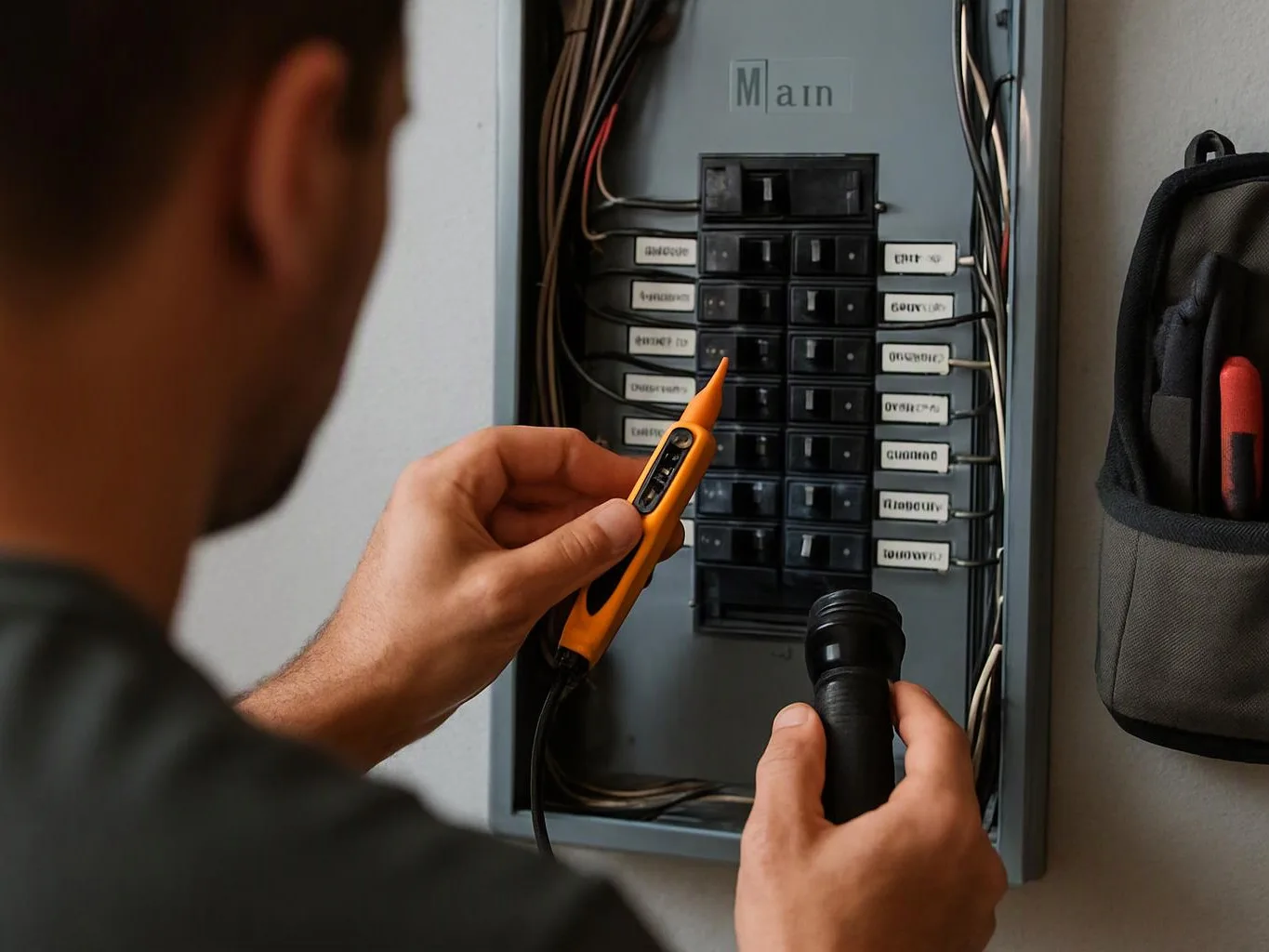
Loose terminals, damaged insulation, pinched cables, and moisture intrusion can cause short circuits in home wiring. Santa Ana Electrician checks these conditions and traces the affected circuit. A breaker may trip because it detects the fault, but resetting it does not repair damaged wiring. Keep the circuit off if you notice heat, smoke, or a burning smell.
What should I ask before agreeing to short circuit repair?
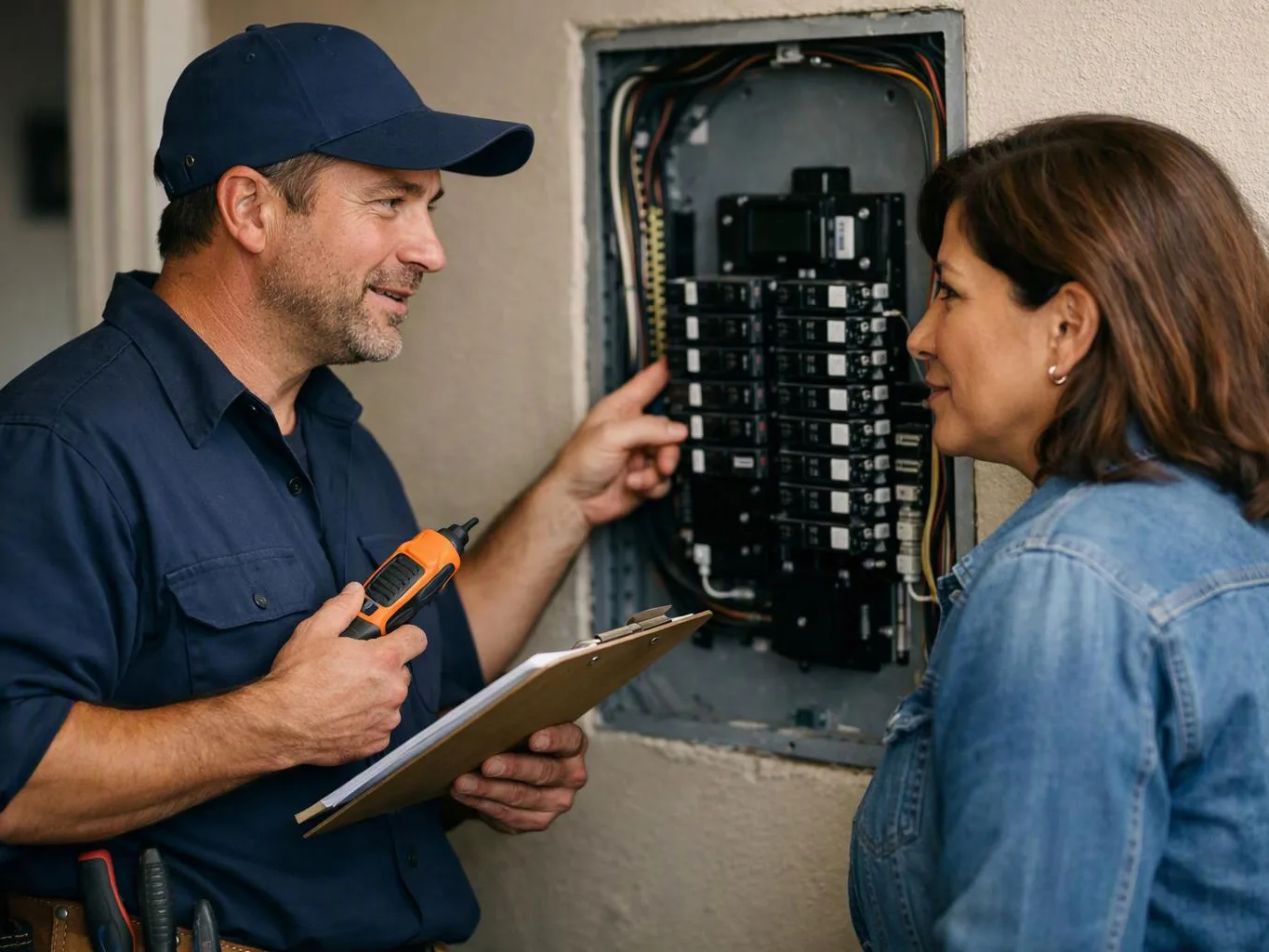
Ask which circuit contains the fault, which part needs repair, and whether the work includes testing afterward. We explain the finding and the repair scope before approved work begins. You should also ask whether the issue is limited to one outlet or extends through the branch circuit. A free estimate is available for the proposed work.
Which property condition changes the repair time?
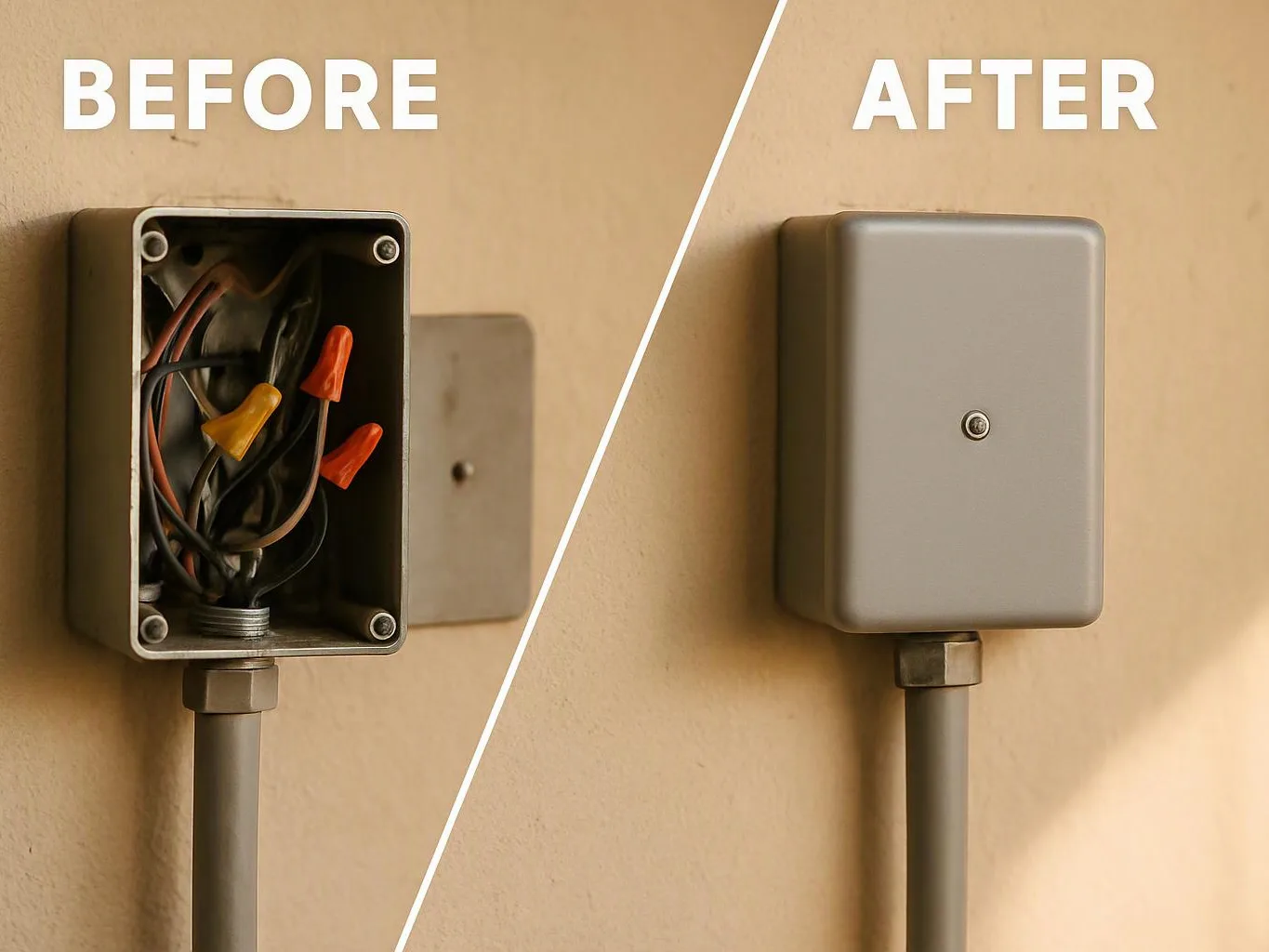
Limited access to wiring, concealed cables, damaged insulation, and moisture intrusion can change the repair time. We first identify the affected circuit and the parts that need inspection. Open access may support a focused repair, while hidden or damaged wiring can require a wider scope. We explain that condition before work proceeds.
How is the repair matched to the property before work starts?
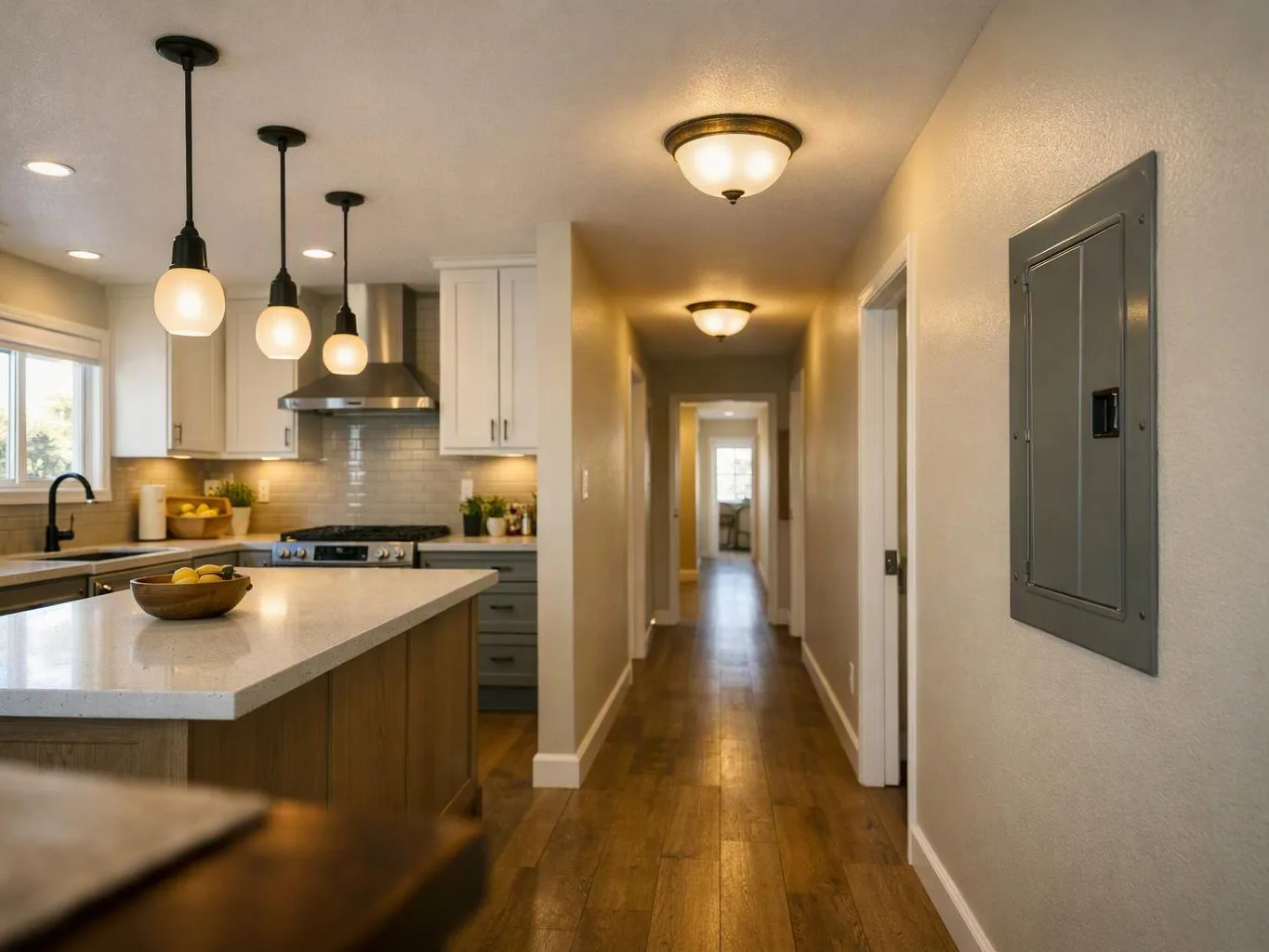
The repair is matched to the property through circuit tracing, access review, and testing of the affected parts. We consider whether the site is a home, rental, business, or managed building. The final scope reflects the circuit layout, visible damage, electrical load, and the condition of the panel, outlets, switches, and wiring.
Why does a breaker keep tripping after a reset?
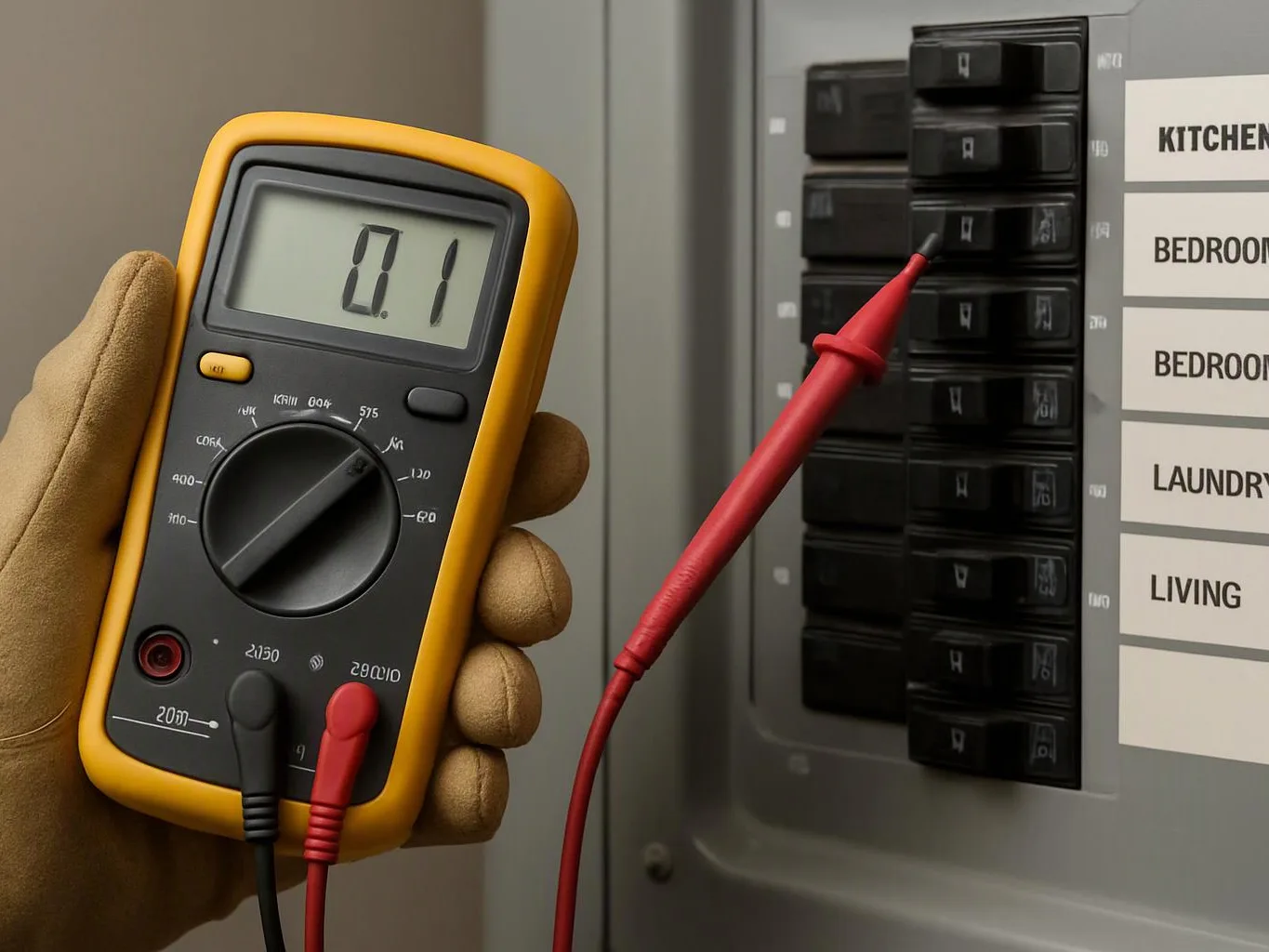
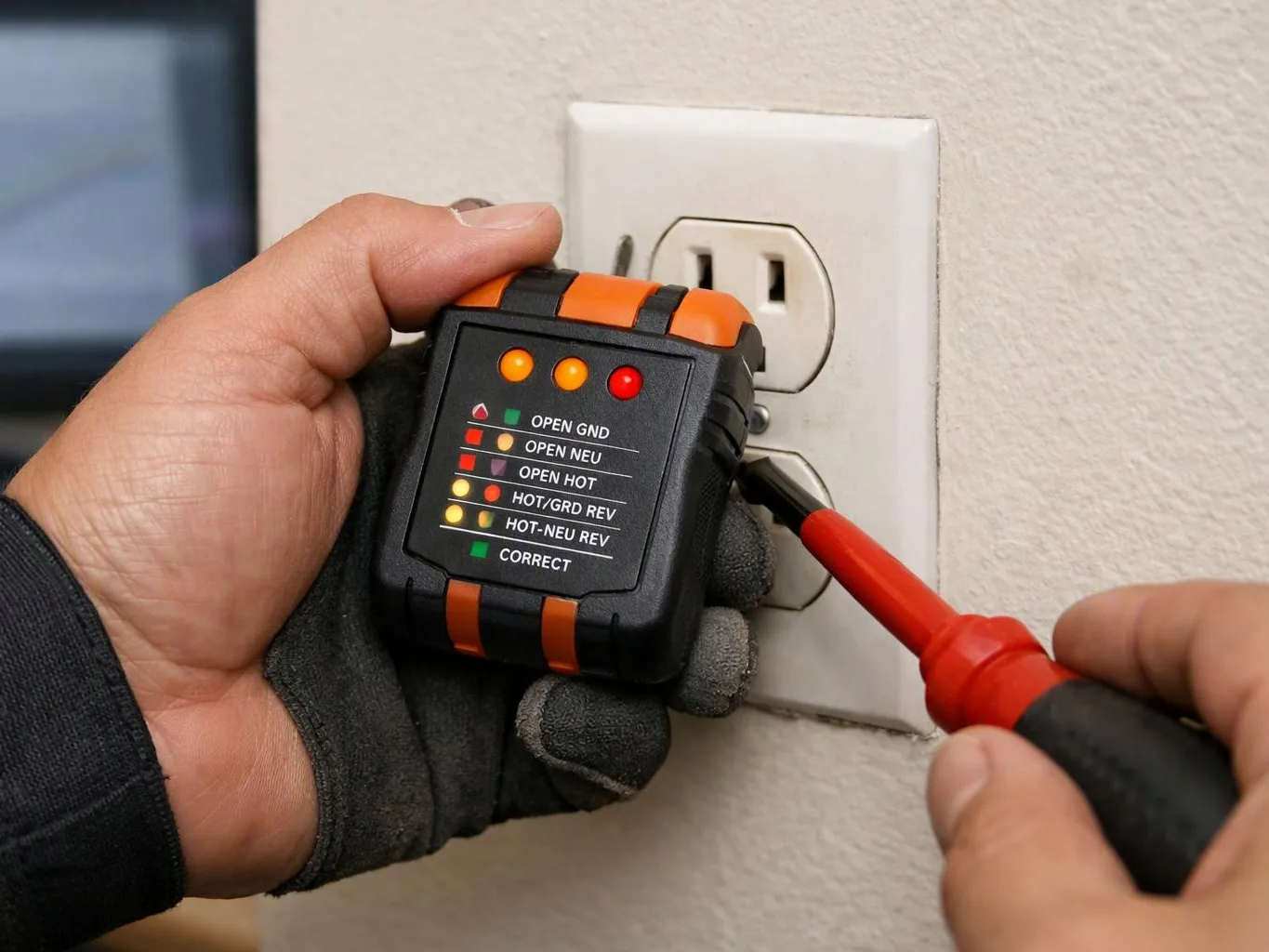
A breaker may keep tripping when the circuit still has a short, overload, damaged insulation, or faulty connected equipment. We inspect the circuit instead of treating the reset as a repair. The check covers the breaker, outlets, switches, wiring, and accessible connections. Repeated trips should be reported before the circuit is used again.
What should I do before the electrical inspection?
Leave the affected circuit off when it shows heat, smoke, sparks, or a burning smell. Note which outlet, appliance, room, or switch was in use when the problem occurred. We use that information to guide circuit tracing and inspection. Do not remove covers or handle damaged wiring before the assessment.