What are common signs of a short circuit?
Tripped breakers, burn marks, sparking wires, and burning smells are common signs of a short circuit. Santa Ana Electrician checks the panel, circuit path, outlets, switches, and fixtures linked to those signs. Stop using the affected area and avoid repeated resets. A prompt inspection helps identify whether the fault is in wiring, a connection, or a protective device.
What does the crew look at first during a short circuit repair?
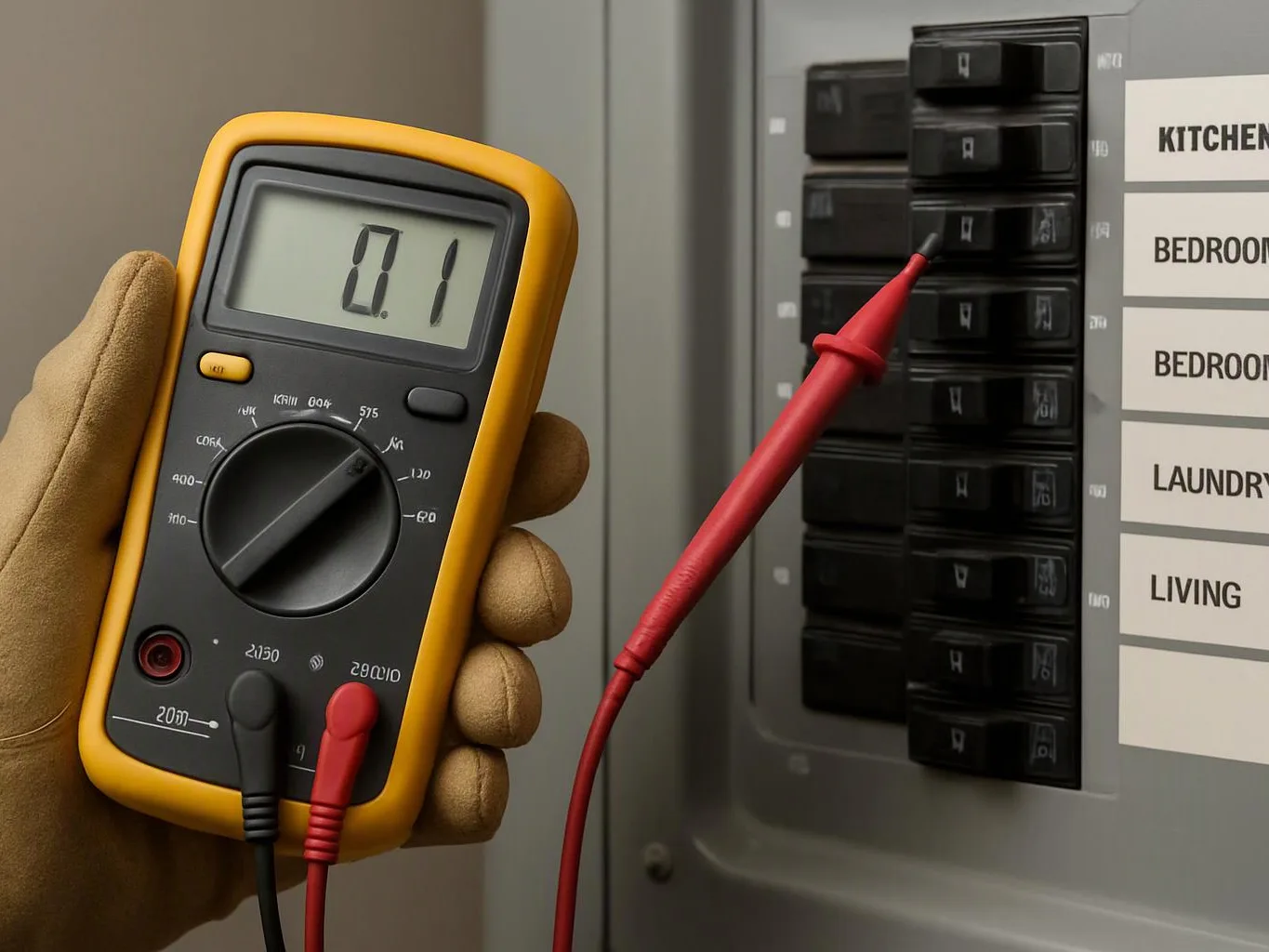
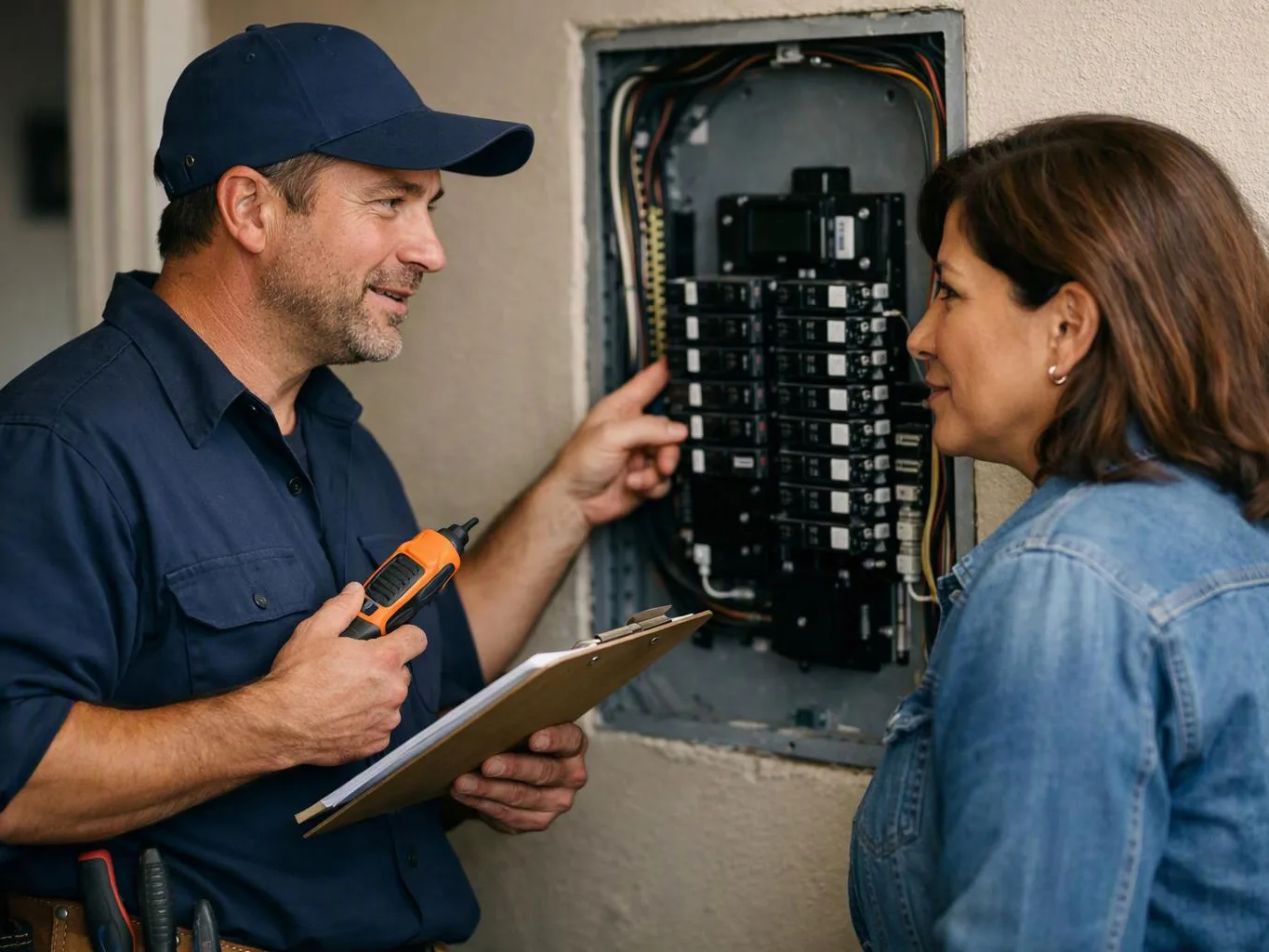
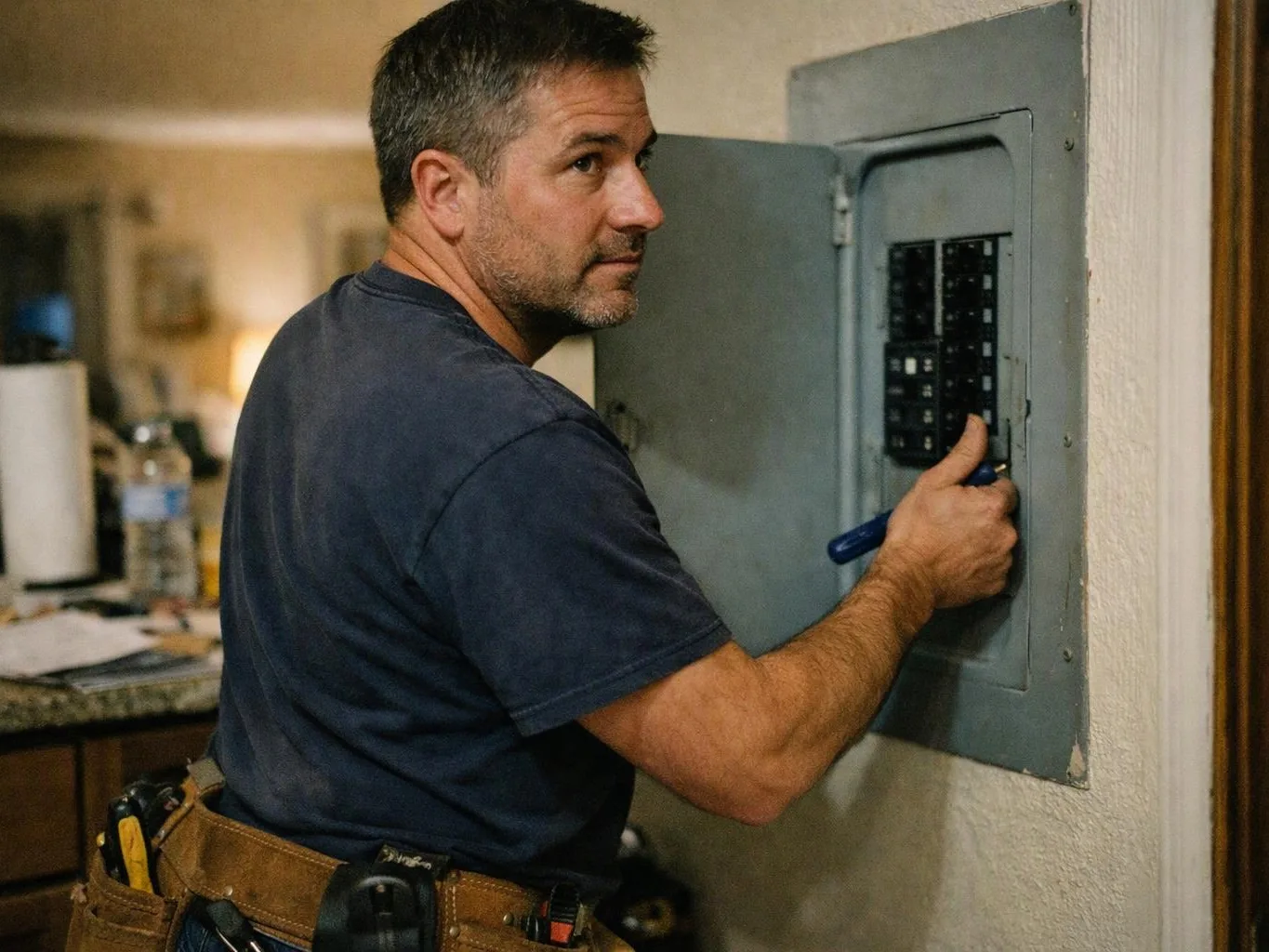
The electrical panel and affected breaker are checked first during a short circuit repair. We then compare the breaker position with your description of the failure and inspect the circuit’s accessible connections. The first check helps us isolate the right path. It does not confirm the cause by itself, so we continue with circuit tracing and testing.
What should be checked before short circuit repair is scheduled?
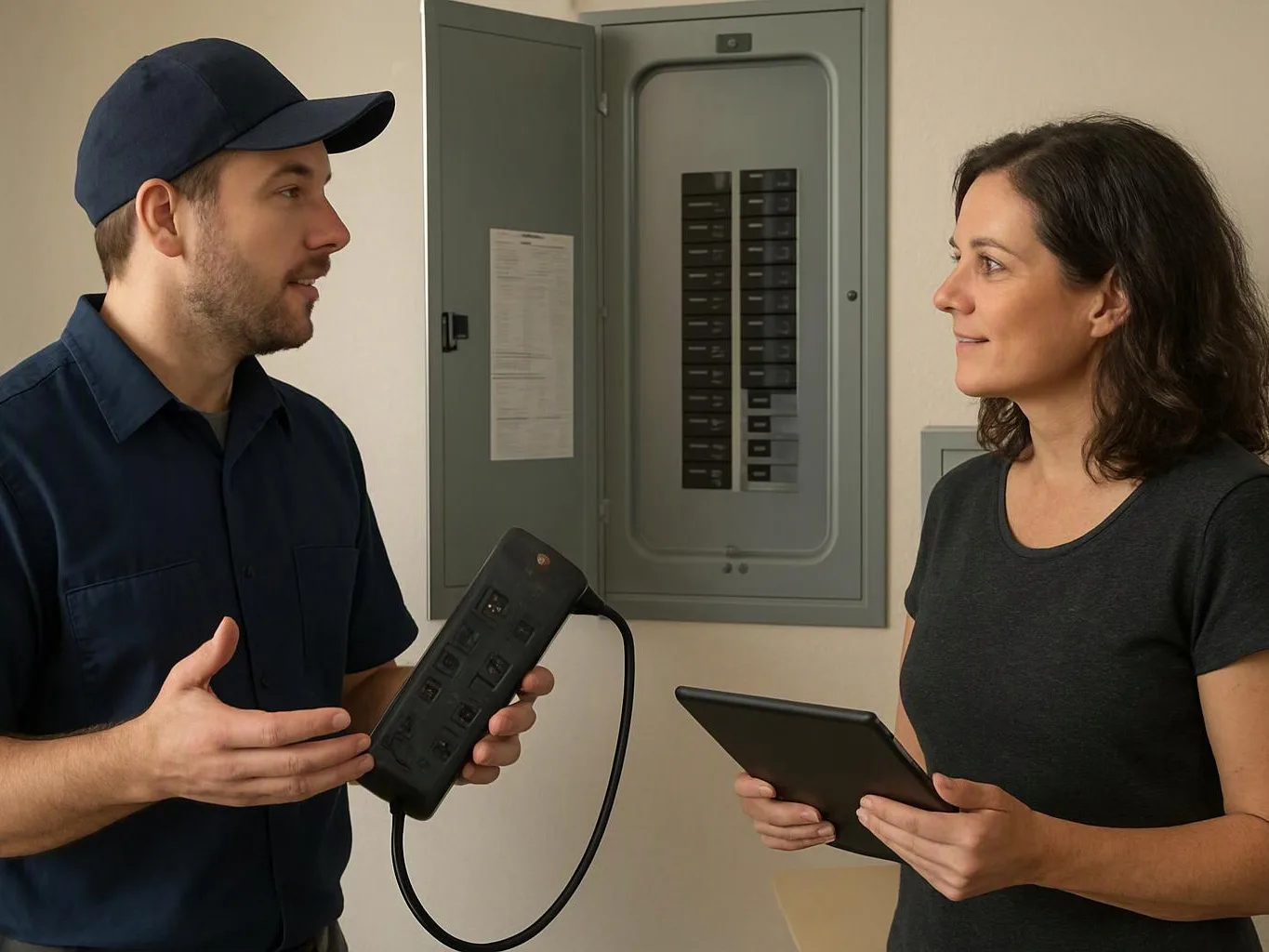
The warning signs, affected breaker, property type, and recent electrical changes should be checked before scheduling. Write down what was running and note any outlet heat, odor, sparks, or visible marks. Keep the panel and affected area accessible. Those details help our team plan the inspection without relying on repeated breaker resets.
Who is a good fit for short circuit repair, and who needs a different service?
Short circuit repair fits properties with repeated trips, sparking outlets, damaged wiring, or heat signs. Santa Ana Electrician can assess homes, rentals, businesses, and managed properties. A utility-side outage needs the utility company, while a planned panel upgrade needs a broader electrical assessment. We identify that difference during the initial inspection.
How does the repair scope change when burn marks are present?
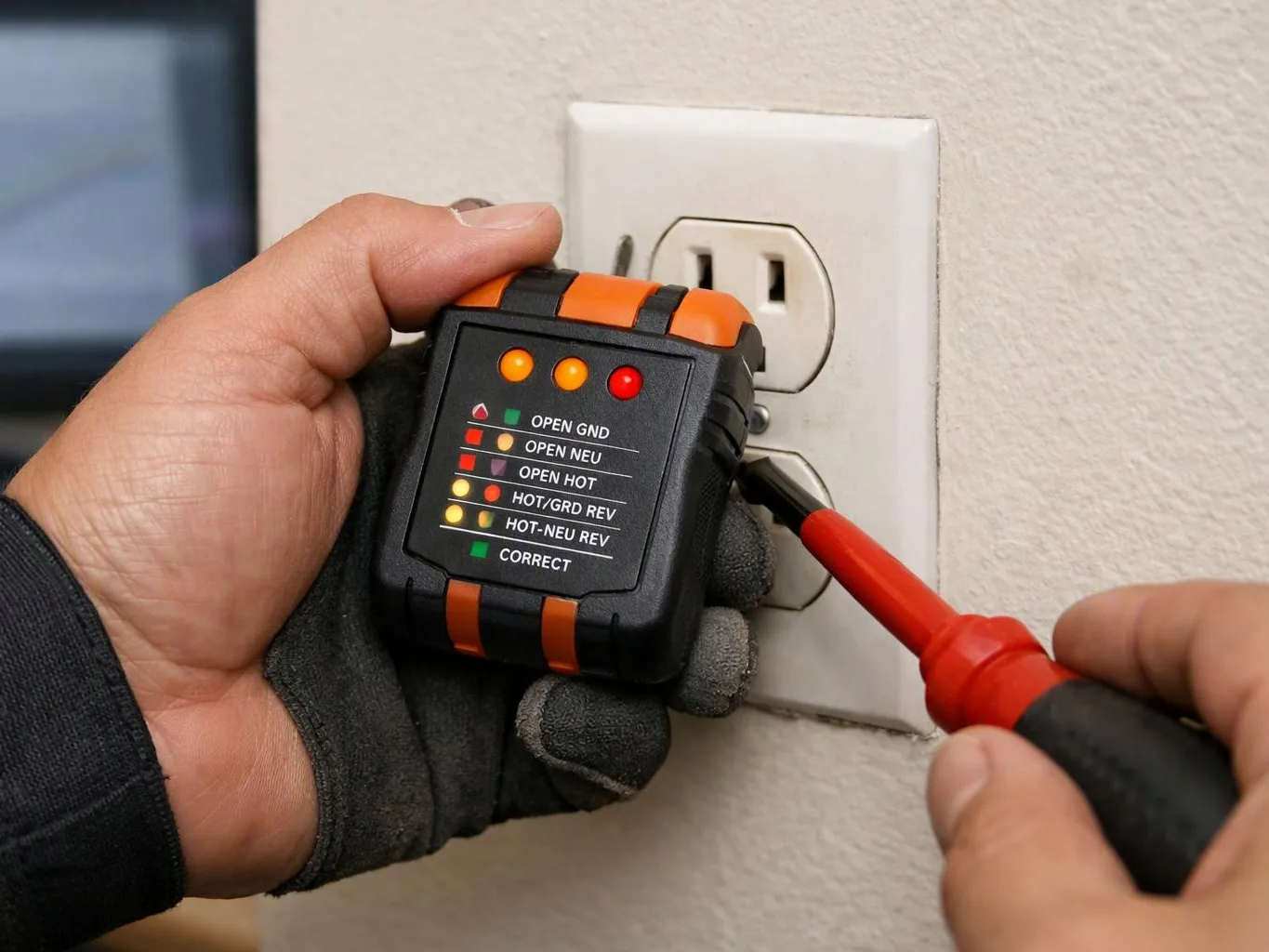
Burn marks expand the inspection because heat may affect the connection, box, device, or nearby wiring. We isolate the circuit and check the damaged area before setting the repair scope. A marked outlet or switch might need replacement, while wider heat damage can require more access. Do not paint over the mark or keep using the device.
Which information helps explain a repeated circuit failure?
The breaker involved, connected equipment, timing, and visible warning signs help explain a repeated circuit failure. We use those details with circuit tracing and panel checks. Mention recent outlet, lighting, appliance, or wiring work. A clear account helps us focus the inspection, but testing still decides which part needs repair.
Why should I avoid resetting a breaker that keeps tripping?
A breaker that keeps tripping should not be reset repeatedly because the circuit may still have an active fault. We inspect the circuit, connected devices, and breaker before restoring service. Turn off equipment on that circuit and keep away from any sparking or burning area. The inspection determines whether the cause is wiring, a device, or the breaker itself.