
Assess the room and power source
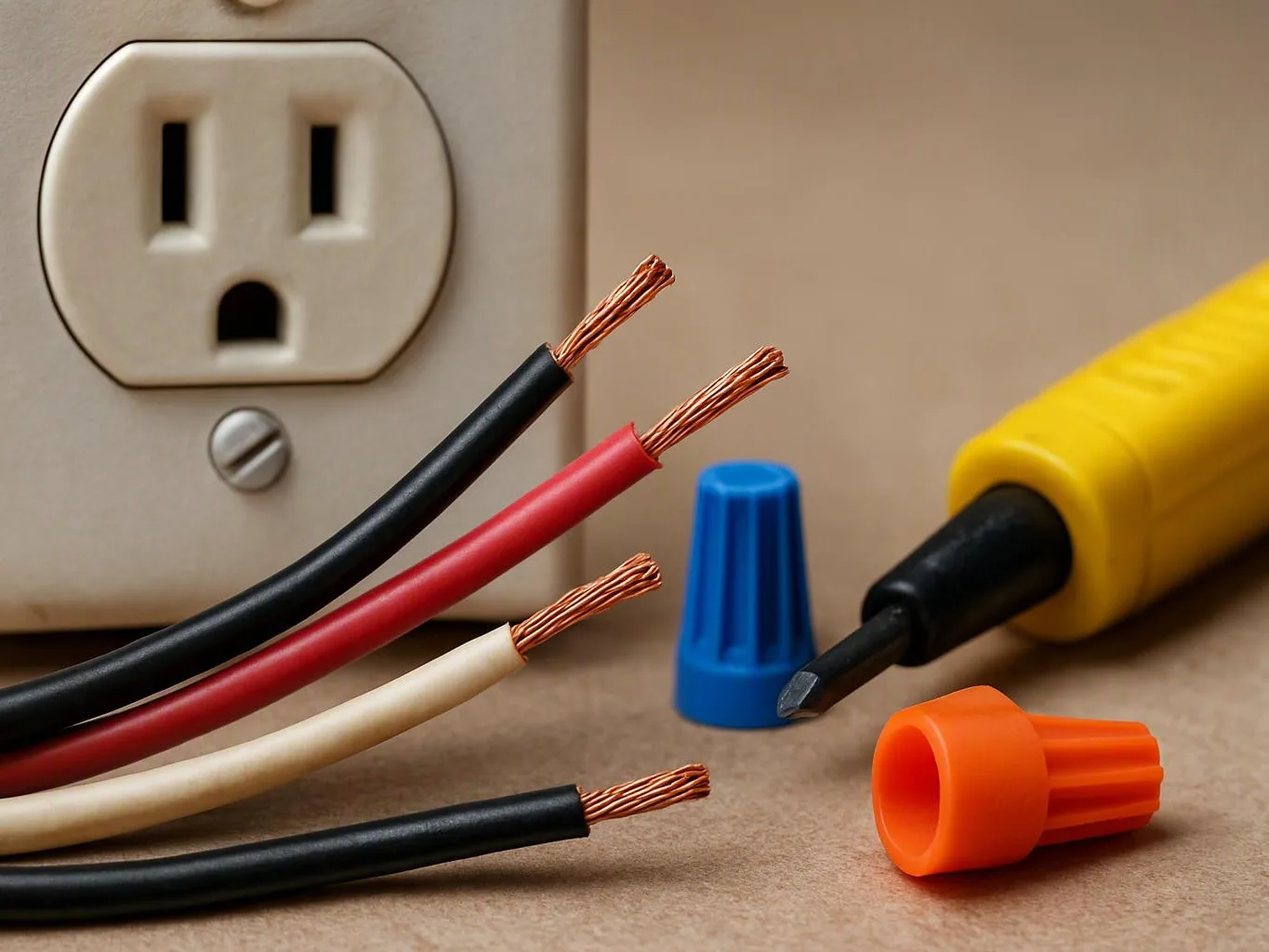
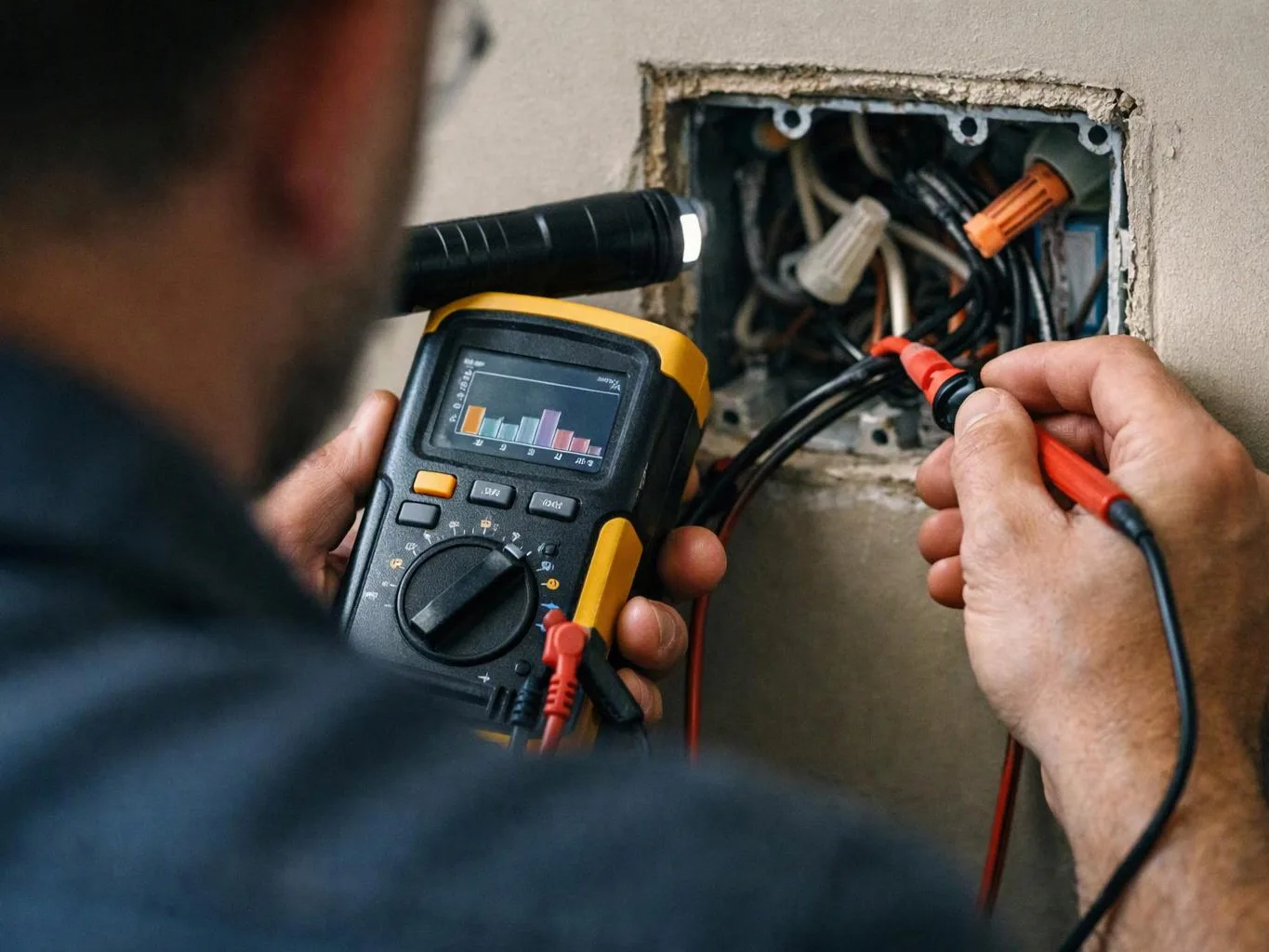
We inspect the proposed location, access, existing wiring, and nearby electrical parts before starting the installation.
We install smoke detectors for homes, rentals, offices, and other properties. Our electricians check the electrical connection and test each installed unit.
A tested alarm gives occupants a working warning point in the selected room.
A proper electrical connection reduces confusion caused by dead or chirping units.
A location review helps landlords and property managers address detector gaps during maintenance work.
Documented testing gives you a clear record of what we checked at installation.
Smoke detector installation is an electrical service that places, connects, and tests detectors in selected areas of a property.

Smoke detector installation starts with an assessment of the property and the requested rooms. We look at access, existing wiring, ceiling or wall surfaces, and the detector's position relative to the room layout. The work may involve a hardwired connection, a battery-powered unit, or replacement of an existing detector. We explain the practical choice after checking the site. We don't select equipment by brand alone because the right fit depends on the power source and installation conditions. Cost is driven by access, wiring needs, detector type, the number of locations, and whether old units need removal. A free estimate helps you see those factors before work begins. Spending money on extra equipment won't solve a poor location or an untested connection, so we focus first on placement and function.
We inspect the proposed location, access, existing wiring, and nearby electrical parts before starting the installation.
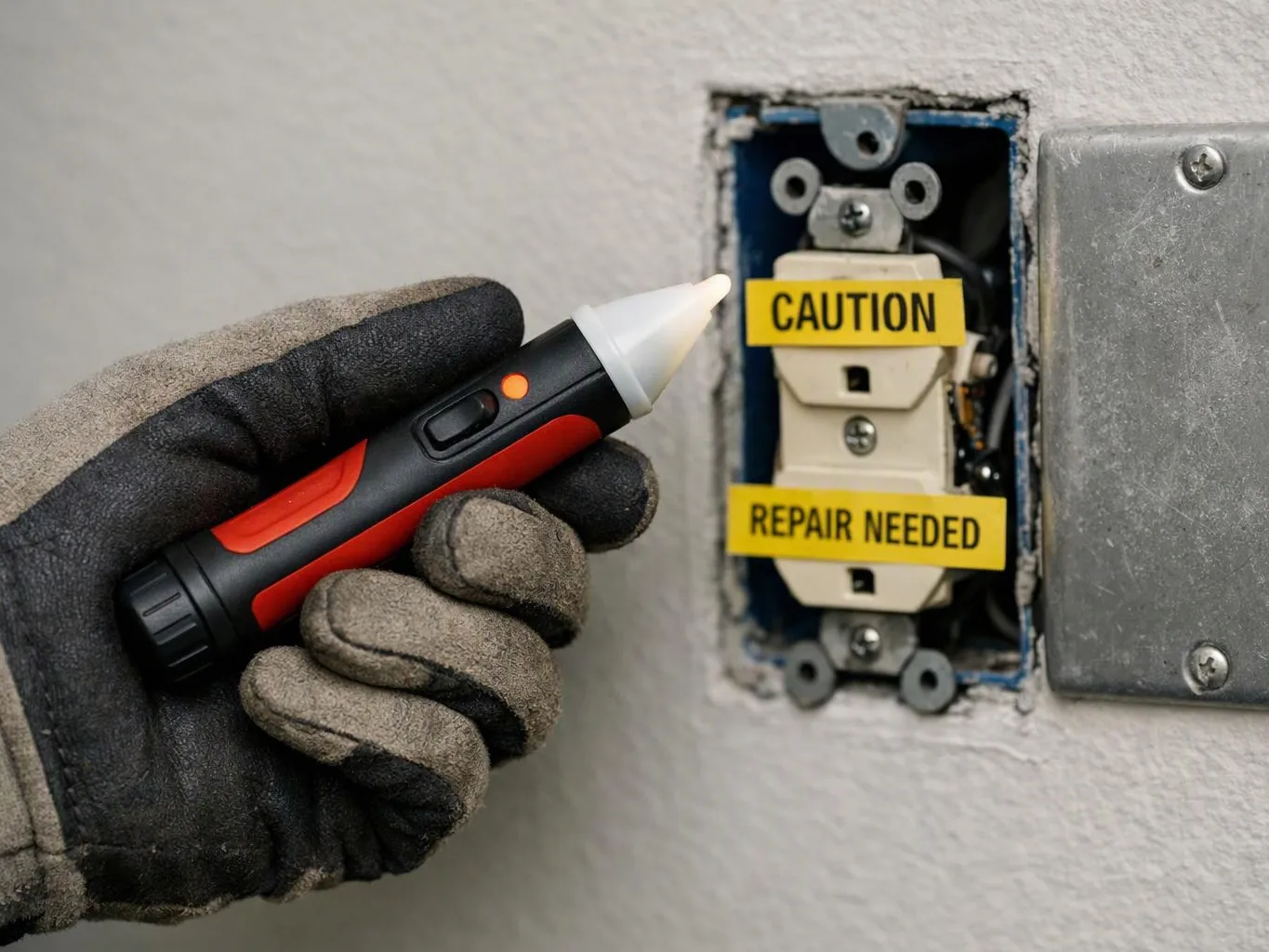
We identify whether the property calls for a hardwired connection, a battery-powered unit, or replacement of an existing detector.
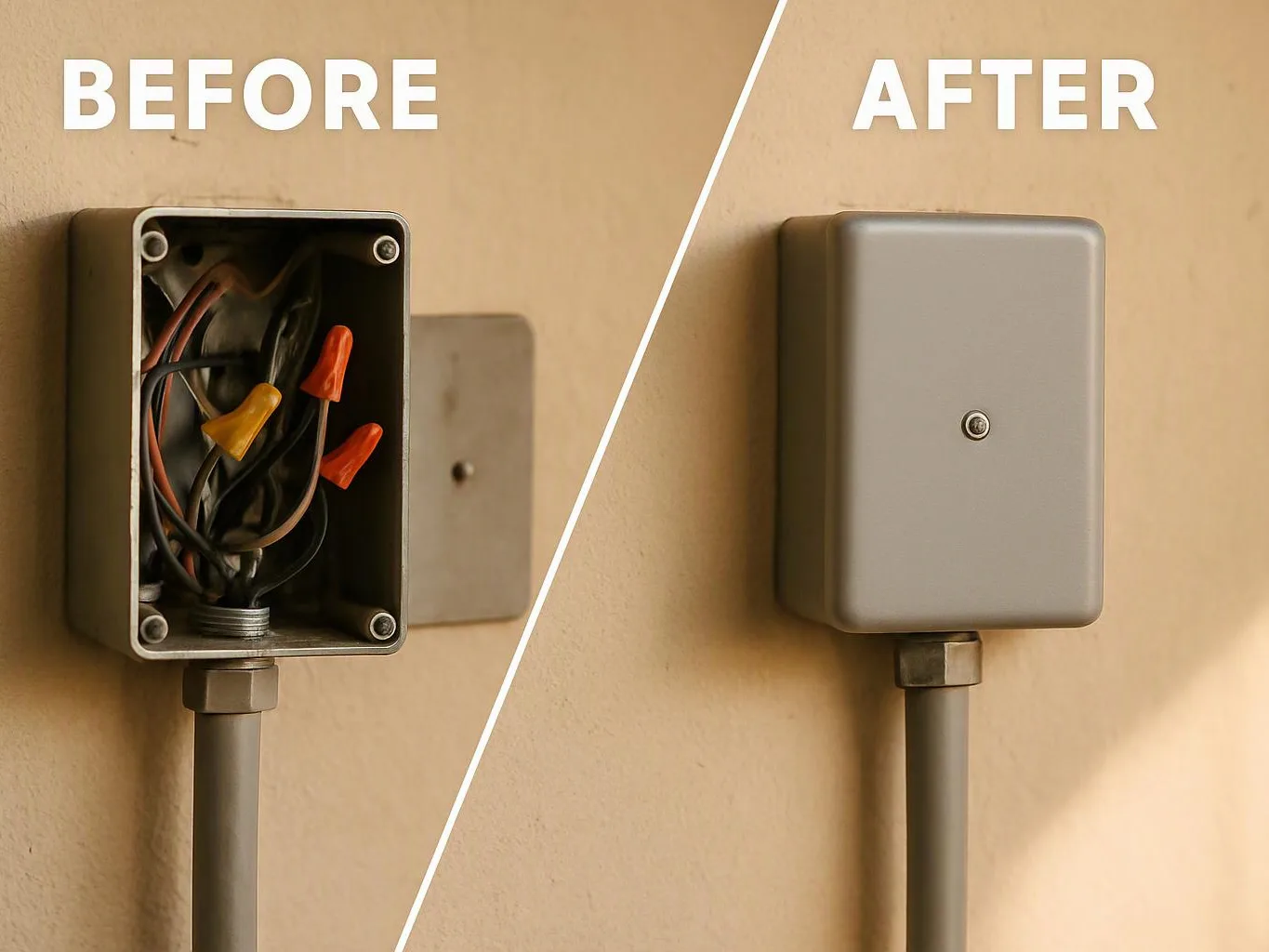
We secure the detector at the selected location and complete the electrical connection when wiring is part of the work.
We test the alarm function, check the unit's response, and explain basic battery and testing steps.
A few details help us assess access, placement, and the work needed at each location.
We assess each room, detector location, power source, and access point before beginning installation.
We trace chirping or failed detectors through the unit, wiring, and electrical supply before recommending a correction.
We secure detector connections, keep the work area orderly, and test alarm operation before finishing the installation.
Request a free estimate for your detector installation, and urgent requests get priority scheduling.
A detector may keep chirping after its battery is replaced because the unit, wiring, or power source has a fault. The sound shouldn't be ignored, especially in a bedroom or shared space. We inspect the detector and its connection, then explain whether the practical fix is replacement, wiring work, or another electrical repair.
Landlords and property managers may find missing detectors during a move-in check or room change. Placement, access, and the condition of existing units all affect the installation work. We assess each requested room, record what we test, and provide an estimate for the locations that need new or replacement detectors.
A business may add a room, change its layout, or discover that an existing detector no longer works. The installation needs to match the room and the available power source, not just the nearest ceiling point. We inspect the area, install the selected unit, and test its alarm before explaining basic care.