
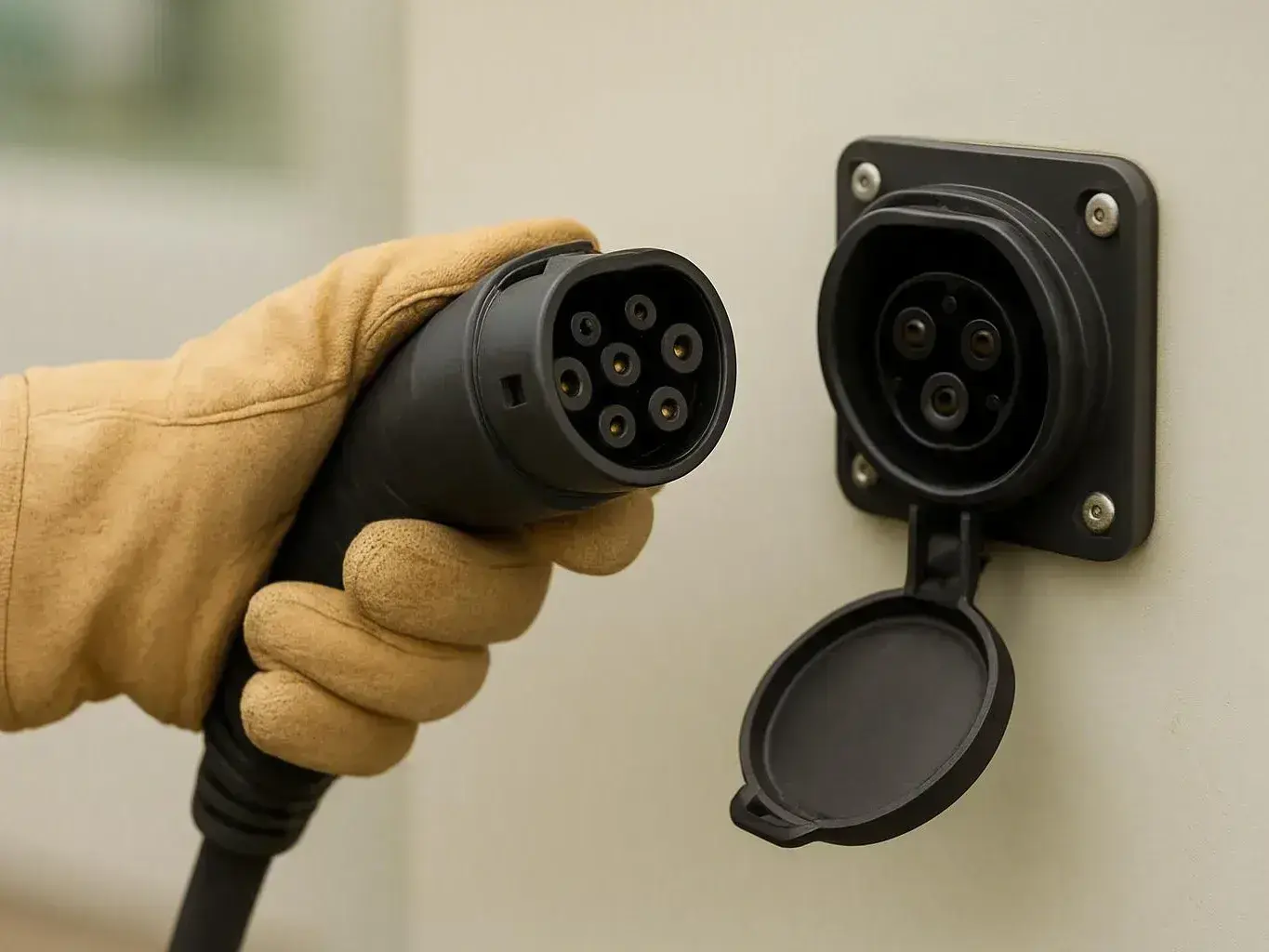
Compatibility and Site Survey
We match the EV, charger, panel, and transfer gear. This prevents a system design that the equipment cannot support.
Bidirectional charging can support selected building loads during outages. Older Santa Ana homes may need panel and wiring checks first.
Routes EV power to chosen loads during an outage.
Separates building power from the utility before backfeed.
Matches charger output to real panel capacity.
Checks grounding and transfer controls before use.
Accounts for hot summer cooling loads in Santa Ana.
Supports older homes with circuit mapping and panel review.
Electrical failures or malfunctions cause an estimated 46,700 U.S. home structure fires annually.
Source: National Fire Protection Association·Year: 2023
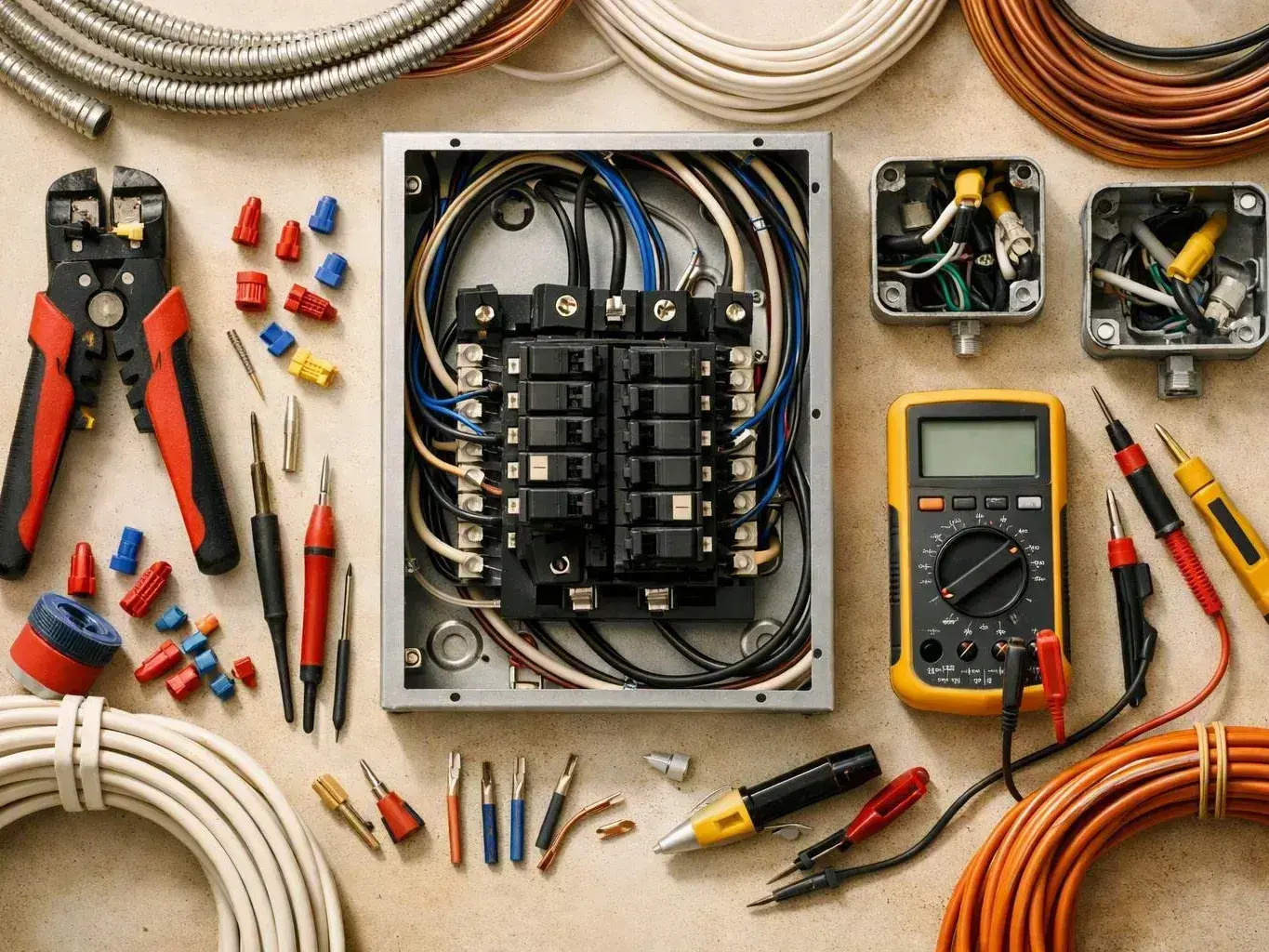
Vehicle-to-building bidirectional charging integrationis an electrical power system that moves energy between an EV battery and building loads. Vehicle-to-building bidirectional charging integration differs from one-way EV charging because transfer controls must manage reverse power flow.Santa Ana, older homes may need panel checks before bidirectional charging integration can meet safe load limits.
We match the EV, charger, panel, and transfer gear. This prevents a system design that the equipment cannot support.
A load calculation compares service demand with reverse power output. The result sets safe limits for selected circuits.
Circuit tracing identifies backup loads and confirms utility separation. This reduces backfeed risk during an outage.
We check permit needs and install listed controls, grounding parts, and wiring. The work supports code review.
Testing and verification measure normal flow, reverse flow, shutdown, and restart. You receive documented operating limits.
The cost of Vehicle-to-building bidirectional charging integration depends on factors like scope, materials needed, and complexity. Here are typical ranges for Santa Ana,
Compatible systems with spare capacity
Checks the current panel, circuits, grounding, and transfer needs.
Buildings needing added capacity
May include subpanel work, new circuits, or service changes.
Offices, shops, and larger sites
Maps business loads and sets controlled backup limits.
Prices are estimates. Call for an exact quote—we always provide upfront pricing before starting work.
Gather these details before the site visit so the load study starts with useful facts.
Vehicle-to-building bidirectional charging integration sends power between a compatible EV and selected building loads.
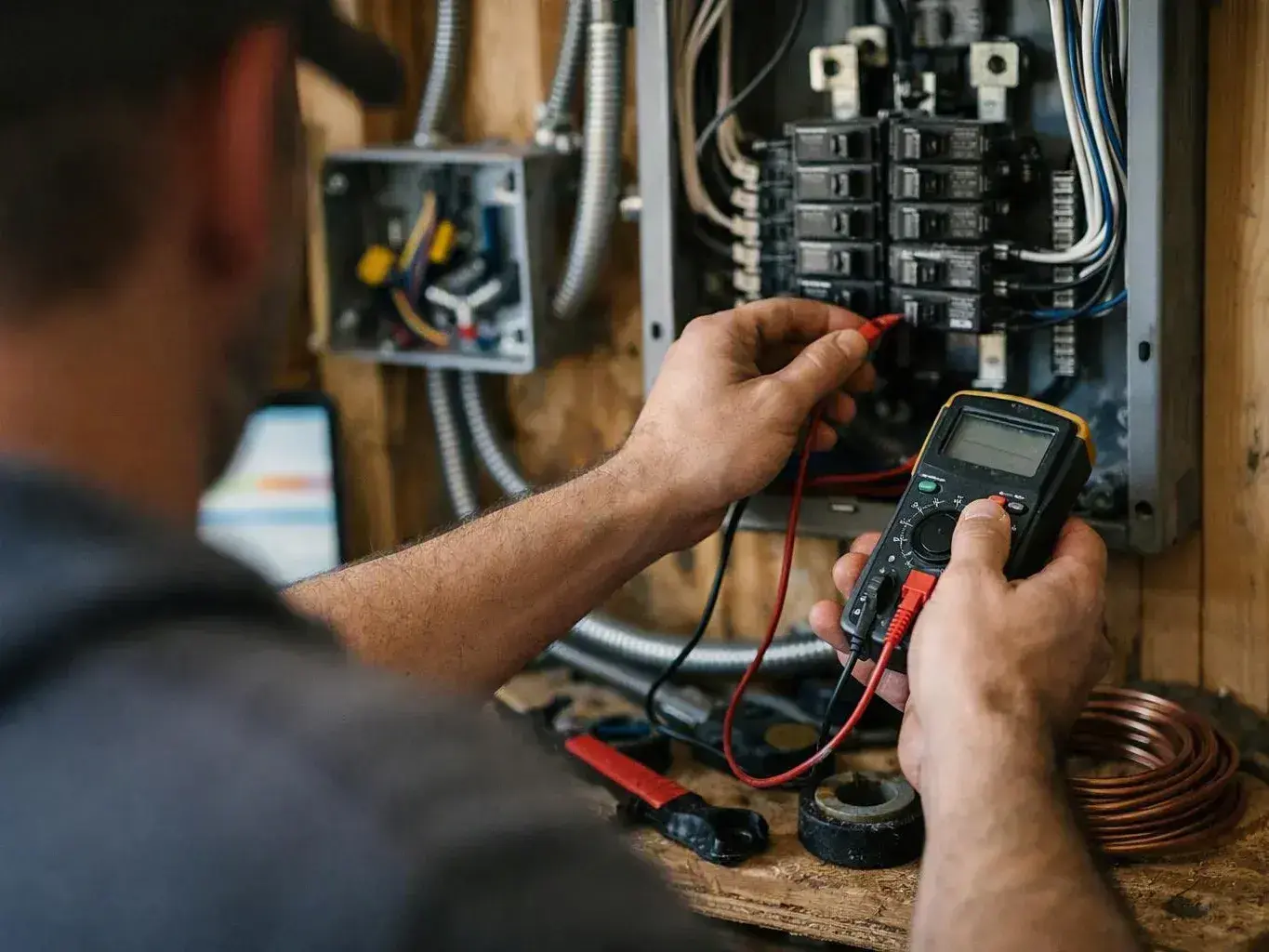
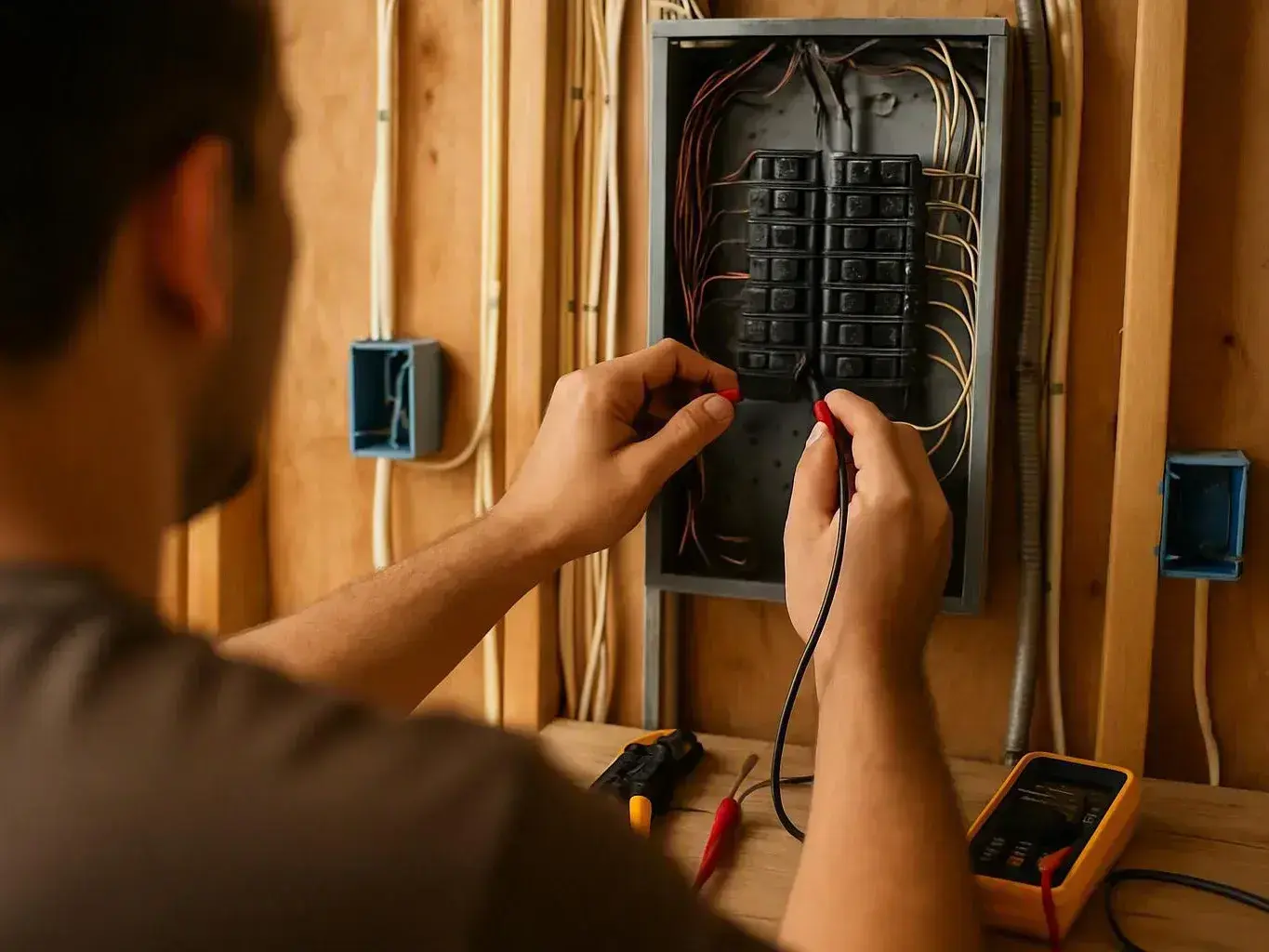
Emergency dispatch or same-day scheduling can start the site check, load study, and equipment review for safe building power flow.
Call Santa Ana Electrician to discuss an outage, wiring concern, panel issue, or other electrical problem.
Santa Ana, CA
A homeowner near Bowers Museum sees a charger fault after winter rain. The home uses an older bungalow panel with limited spare space. We isolate the charger, check water entry, test grounding, and trace the backup circuit. The safe next step is to keep the system off until the enclosure, wiring, and permit needs receive inspection in Santa Ana, CA.
A business owner compares systems before opening a retail space in Santa Ana, CA. Summer heat raises cooling demand, so backup loads need careful limits. We check the panel, transfer control, and vehicle fit before recommending which circuits can run safely.
An apartment manager sees sparks near the charger after hours in Santa Ana, CA. The visible fault may hide a loose terminal, failed control, or wet connection. We shut down the affected path, isolate the building from vehicle power, and test each part before restoring approved loads.