
What is Electrical Permit?
Electrical Permit is an official authorization from a building department that allows specified electrical installation, alteration, repair, or replacement work to proceed. The permit identifies the project scope, applicable electrical code, responsible parties, and required inspections. Approval confirms submitted plans meet local requirements. But final compliance depends on completed work passing inspection.
Quick Facts About Electrical Permit
Category
Construction regulation
Used for
Electrical installation and alteration work
Relevant standard
California Electrical Code
Common confusion
A permit is not the same as an electrical license.
Also called
Electrical building permit, Electrical installation permit
Often discussed with
Electrical Code Compliance Inspection, Electrical Safety Inspection
Key Takeaways About Electrical Permit
- A building department issues the permit before covered electrical work starts.
- Permit rules vary by project type, property use, and local jurisdiction.
- Inspections check if wiring and equipment meet approved plans and electrical code.
- A permit does not replace licensed workmanship or ensure that work passes inspection.
Understanding Electrical Permit
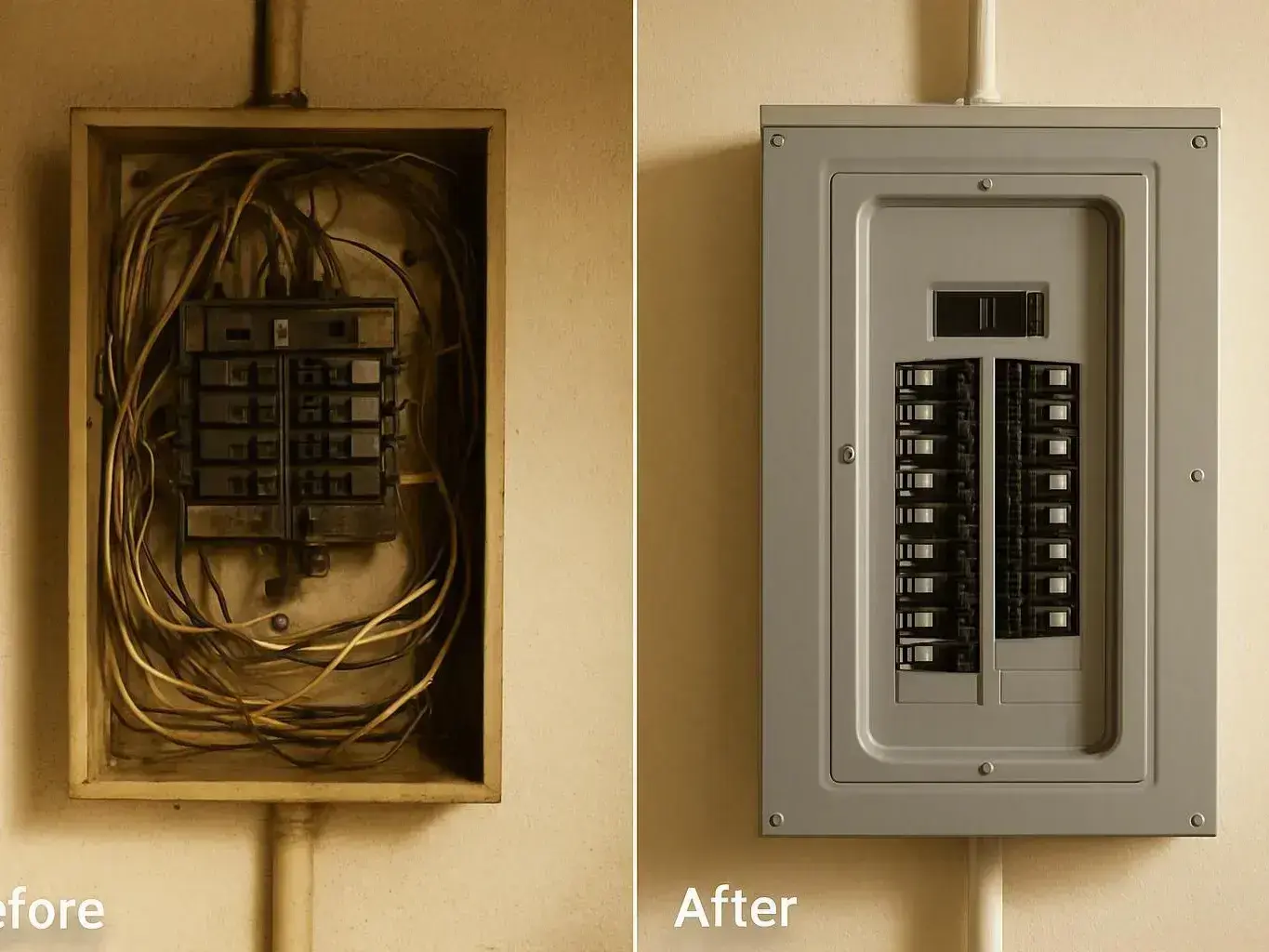
Electrical Permit is a jurisdiction-issued approval for defined electrical work at a property. The document normally identifies the address, work description, permit holder, and inspection requirements. Depending on the project, it may cover a new circuit, service change, panel replacement, rewiring, lighting installation, or equipment connection.
Related glossary terms: National Electrical Code, Electrical Service, Load Calculation.
The local building department reviews the application against adopted requirements. These include the California Electrical Code and local rules. A permit's separate from a contractor license, property ownership, or utility approval. The permit authorizes a scope of work. The license establishes who may perform regulated work under applicable law.
How Electrical Permit Works, Is Measured, or Is Used?
The process usually starts with an application, a work description, and supporting plans. The project may require these plans. The jurisdiction may assess a fee based on project value, work type, or a stated schedule. After issuance, the permit holder arranges inspections at required stages. These stages include rough wiring before concealment and final equipment installation.
An inspector compares visible work with the approved scope and applicable code. The review may include conductor size, overcurrent protectiongrounding, box fill, clearances, labeling, and equipment ratings. A passed final inspection closes the permit. Corrections may require a reinspection before the jurisdiction accepts the work.
Permit status is usually measured by its issuance, inspection results, correction notices, and final approval. A permit marked issued but not final doesn't show that the installation passed. The property owner should keep the permit record, approved plans, inspection history, and final sign-off. These records belong with other building documents.
Why Electrical Permit Matters?

A permit creates an official record of work that can affect safety, property value, insurance review, and future alterations. Inspection can identify problems that remain hidden after walls close. These problems include undersized conductors, missing bonding, poor terminations, or inadequate working clearance. The record also helps a later electrician understand what changed at the property.
Unpermitted work may create delays during a sale, remodel, insurance claim, or utility service change. The jurisdiction may require an owner to expose completed work, submit revised plans, pay added fees, or correct violations. A permit doesn't prove that every detail is safe. Yet, a documented inspection gives the property owner a clear compliance history.
When Electrical Permit Matters Most?
Permit questions become important before work changes the electrical system or adds a significant load. Common examples include.service upgrade, panel replacement, new branch circuit, electric vehicle charger, generator connection, pool equipment, and commercial tenant improvement. Local rules may exempt limited repairs or direct replacement. The exact scope should be checked before work starts.
Timing also matters during urgent repairs. A dangerous failure may require immediate actions to make an installation safe. Emergency procedures don't automatically eliminate permit duties for permanent repairs. In Santa Ana, the applicable city process and adopted California requirements determine whether a project needs an application, plan review, inspection, or special utility coordination.
How to Evaluate Electrical Permit?
- Confirm the permit address, applicant, scope of work, and equipment description match the actual project.
- Check whether the permit shows issued status and whether all required inspections reached final approval.
- Compare installed conductor sizes, breaker ratings, grounding, and equipment labels with approved plans.
- Ask whether local rules require separate permits for structural, mechanical, gas, or utility-related work.
- Keep inspection records and correction notices until the property changes hands or the system is altered.
Related Concepts Compared
Electrical Permit vs. Electrical License
A license authorizes a person or business to perform regulated electrical work under applicable law. A permit authorizes a specific project at a specific property.
Electrical Permit vs. Electrical Inspection
An inspection is the review of installed work by the jurisdiction. An electrical permit is the approval and record that establishes the project scope and inspection path.
Electrical Permit vs. Plan Review
Plan review evaluates drawings, load information, and equipment details before installation. A permit may include plan review, but smaller projects may receive permits without detailed drawings.
Electrical Permit vs. Certificate of Occupancy
A certificate of occupancy concerns a building's approved use. An electrical permit concerns defined electrical work and does not replace the building occupancy process.
Expert Note
Do not judge permit completion by the permit fee receipt or an inspector visit alone. The key record is final approval. Which shows that required corrections were addressed and the jurisdiction accepted the completed scope.
Common Mistakes or Myths About Electrical Permit
- Assuming a licensed electrician can skip a permit.
- Starting work before the jurisdiction issues the permit.
- Treating an inspection appointment as proof of final approval.
- Describing only the panel work when the project also adds circuits or equipment.
- Closing walls before required rough electrical inspection.
Electrical Permit in Practice: A Real-World Example
The project may need an electrical permit, service load information, and inspections before walls close. The final inspection record shows if the work met the approved scope.
Sources & Further Reading on Electrical Permit
Related Terms
National Electrical Code
National Electrical Code is a safety standard published by the National Fire Protection Association that sets…
Electrical Service
Electrical Service is the complete system that delivers electricity from a utility connection to a building’s…
Load Calculation
Load Calculation is the process of estimating the electrical demand that a building, panel, feeder, or…
Overcurrent Protection
Overcurrent Protection is a safety function that stops or limits electrical current when it exceeds a…
Santa Ana Electrician
Have Questions About Electrical Permit?
Contact Santa Ana Electrician for practical guidance on Electrical Permit and related 24 hour electrician work in Santa Ana.