
What is National Electrical Code?
National Electrical Code is a safety standard published by the National Fire Protection Association that sets minimum requirements for electrical design, installation, and inspection. The code covers wiring methods, grounding, overcurrent protection, equipment, and special locations. Local governments adopt and amend its requirements. So the enforceable rules can vary by jurisdiction.
Quick Facts About National Electrical Code
Category
Electrical safety standard
Used for
Designing, installing, and inspecting electrical systems
Common confusion
A national model code is not automatically local law
Published by
National Fire Protection Association
Also called
NEC, NFPA 70
Often discussed with
Electrical Code Compliance Inspection, Electrical Safety Inspection
Key Takeaways About National Electrical Code
- The National Electrical Code sets basic safety rules for electrical installations.
- Local jurisdictions adopt the code and may add local or stricter rules.
- The code covers wiring, grounding, circuit protection, equipment, and special locations.
- Electrical permits and inspections often check work against the locally adopted code.
- But adoption dates vary by location.
Understanding National Electrical Code
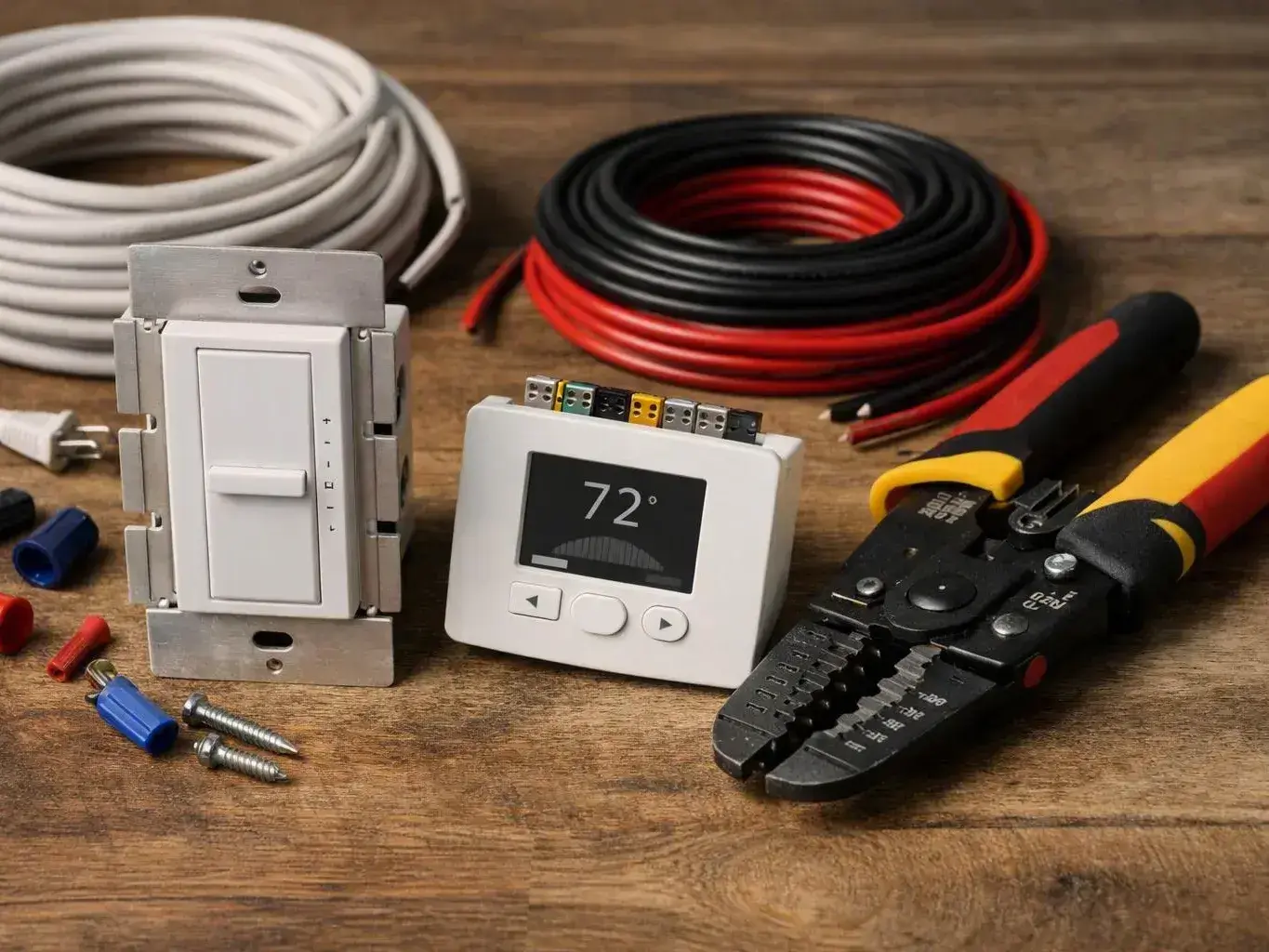
National Electrical Code is often called the NEC or NFPA 70. It's a model standard for safe electrical work. The National Fire Protection Association publishes it through a review process. This process considers technical proposals, public comments, and expert review. It addresses electrical conductors, equipment, wiring methods, grounding, and protection against shock and fire.
Related glossary terms: Electrical Permit, Electrical Grounding, Load Calculation.
The NEC doesn't automatically serve as law in every location. A state, county, city, or other authority must adopt it legally. That authority may also add local amendments. In California, requirements come from the adopted California Electrical Code and local permit rules. The edition and amendments matter before work begins.
How National Electrical Code Works, Is Measured, or Is Used?
Electricians and designers apply the NEC as connected requirements. They don't use it as one simple checklist. They identify the system voltage and calculate expected loads. They select conductor sizes and match overcurrent protection to wiring and equipment. They then verify grounding and bonding, working clearances, boxes, raceways, disconnects, and protective devices.
Code compliance depends on the installation and its use. A dwelling kitchen may need ground-fault circuit interrupter protection. Certain sleeping areas may need arc-fault circuit interrupter protection. A service upgrade also requires attention to load calculation, service conductors, and panel ratings. It also requires grounding electrodes and equipment labeling. Inspectors compare visible work and submitted plans with local rules.
Why National Electrical Code Matters?

The NEC gives electrical professionals, inspectors, makers, and property owners a shared safety baseline. Correct conductor sizing helps limit overheating. Proper overcurrent protection helps disconnect a fault before severe damage occurs. Grounding and bonding provide paths for protective devices during faults.
Following the code also improves planning and reduces rework. A permit review can find an undersized service or missing disconnect. It can also find poor cable support or unsuitable equipment before walls close. Code compliance doesn't guarantee an installation has no defects. It provides clear requirements for design review and inspection.
When National Electrical Code Matters Most?
The NEC becomes especially important during new construction, remodels, panel changes, and service upgrades. It also matters during additions and repairs that alter existing wiring. It matters when installing generators, electric vehicle charging equipment, pools, spas, and outdoor circuits. It also covers equipment in damp or hazardous locations. Each project may trigger requirements that don't apply to a basic replacement.
Before electrical work starts, check the local code edition, permit rules, and inspection steps. Ask whether the planned equipment has suitable ratings and approved certification. Ask whether the load calculation supports the new demand. Check whether existing wiring can support the change. Emergency repairs may restore safe operation quickly. Permanent changes still need to meet applicable requirements.
How to Evaluate National Electrical Code?
- Confirm the code edition and local amendments listed by the permitting authority.
- Check conductor ampacity against the calculated load and overcurrent device rating.
- Verify required GFCI and AFCI protection for the location and circuit type.
- Inspect grounding, bonding, disconnects, clearances, and equipment labeling.
- Ask whether permits and required inspections apply to the planned alteration.
Related Concepts Compared
National Electrical Code vs. California Electrical Code
The California Electrical Code is the version adopted for use in California. It is based on the NEC but includes California amendments and becomes enforceable through state and local rules.
National Electrical Code vs. Local Electrical Code
A local electrical code consists of the rules adopted and enforced by a city, county, or other authority. Local amendments can change how the NEC applies in that jurisdiction.
National Electrical Code vs. Electrical Permit
An electrical permit is official approval to perform defined electrical work. A permit review and inspection may use the NEC, the locally adopted code, and related construction requirements.
National Electrical Code vs. UL Listing
UL Listing evaluates a product against specified safety requirements. The NEC governs how equipment is selected and installed. While a listing concerns the product itself.
Expert Note
A code rule is only one part of a safe installation. Equipment instructions, product listings, local amendments, and existing site conditions also affect compliance. When these requirements differ, the installation must satisfy the applicable authority and the equipment manufacturer’s instructions.
Common Mistakes or Myths About National Electrical Code
- Treating the NEC as federal law that applies identically in every location.
- Assuming an older installation is compliant because it worked without a failure.
- Sizing a breaker by the appliance label without checking conductor ampacity.
- Skipping permits for work that changes circuits, panels, services, or fixed equipment.
- Ignoring manufacturer instructions when they impose installation requirements.
National Electrical Code in Practice: A Real-World Example
A homeowner adds an electric vehicle charger to a garage. The local authority reviews the permit and inspects the finished work under the adopted code.
Sources & Further Reading on National Electrical Code
Related Terms
Electrical Permit
Electrical Permit is an official authorization from a building department that allows specified electrical installation, alteration…
Electrical Grounding
Electrical Grounding is a safety system that connects electrical equipment and circuits to earth or a…
Load Calculation
Load Calculation is the process of estimating the electrical demand that a building, panel, feeder, or…
Overcurrent Protection
Overcurrent Protection is a safety function that stops or limits electrical current when it exceeds a…
Santa Ana Electrician
Have Questions About National Electrical Code?
Contact Santa Ana Electrician for practical guidance on National Electrical Code and related 24 hour electrician work in Santa Ana.