
What is THHN Wire?
THHN Wire is a thermoplastic-insulated electrical conductor rated for dry locations and commonly installed inside conduit or other raceways. The abbreviation means thermoplastic high-heat-resistant nylon-coated wire. THHN conductors often use copper or aluminum and carry markings for conductor size, voltage rating, temperature rating, and applicable safety listings.
Quick Facts About THHN Wire
Category
Thermoplastic-insulated building wire
Used for
Conductors inside conduit and raceways
Measured by
AWG size, ampacity, voltage, and temperature rating
Common confusion
THHN is not the same as Romex or a complete cable
Relevant standard
UL 83 and applicable National Electrical Code requirements
Also called
Thermoplastic High-Heat-Resistant Nylon-Coated Wire, THHN Conductor
Key Takeaways About THHN Wire
- THHN names the insulation, not a full cable or set wire size.
- Conductors may use copper or aluminum and must fit ampacity, voltage, size, and site needs.
- Most THHN wire runs in conduit, raceway, equipment, panels, and branch circuits.
- A THHN and THWN-2 mark allows wet-location use when listing rules are met.
- Wire sizing must account for load, heat, bundling, terminals, and overcurrent protection.
Understanding THHN Wire
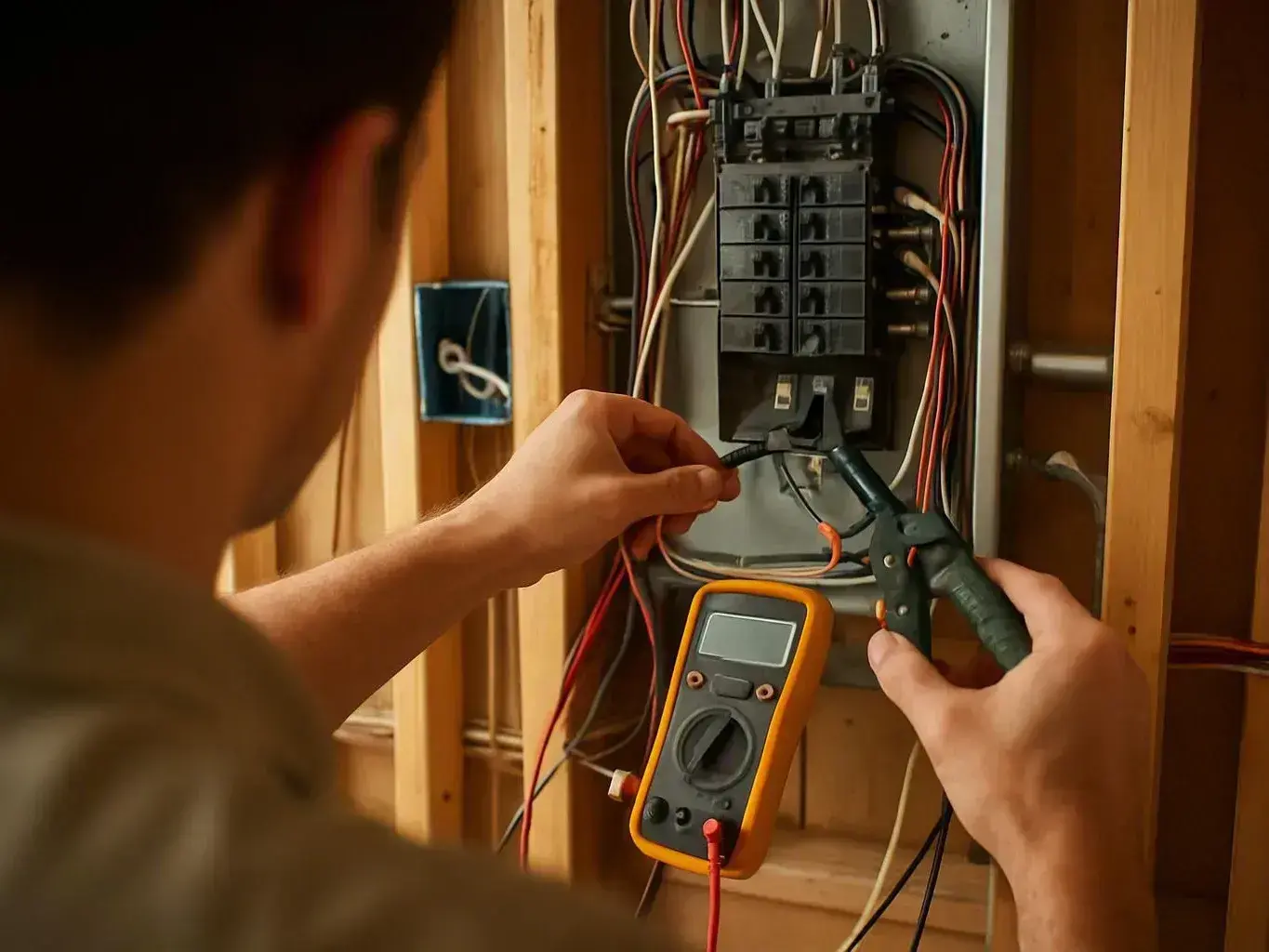
THHN Wire is a single electrical conductor with thermoplastic insulation and a nylon outer coating. THHN means thermoplastic, heat-resistant, nylon-coated wire. The insulation protects the conductor from contact. The nylon layer adds resistance to abrasion during installation. The conductor may be copper or aluminum. The jacket color often identifies its circuit function.
Related glossary terms: AWG, Ampacity, Conduit.
THHN is normally installed as individual conductors inside conduit or another raceway. It's common in branch circuits, feeders, panels, motors, commercial equipment, and control systems. THHN describes wire construction and rating. It doesn't describe conductor size, circuit voltage, or permitted ampacity by itself. A wire marked THHN may also carry a THWN or THWN-2 marking. That marking addresses wet-location use.
How THHN Wire Works, Is Measured, or Is Used?
Electrical designers select THHN by American Wire Gauge, conductor material, insulation rating, and circuit load. A smaller AWG number represents a larger conductor. Copper and aluminum conductors of the same size don't always have the same ampacity. The material and table used for sizing matter. The installation must also account for conductor bundling, ambient temperature, terminal ratings, and voltage drop.
During installation, electricians pull the conductors through a sized raceway. They do this after planning the route and calculating the circuit load. The conductors need enough room for safe pulling and heat release. The raceway must protect them from physical damage. Common markings identify conductor size, insulation type, voltage rating, temperature rating, and listing agency. A complete circuit still needs the correct ungrounded conductors. It also needs a neutral conductor when required. It needs an equipment grounding conductor too.
Why THHN Wire Matters?
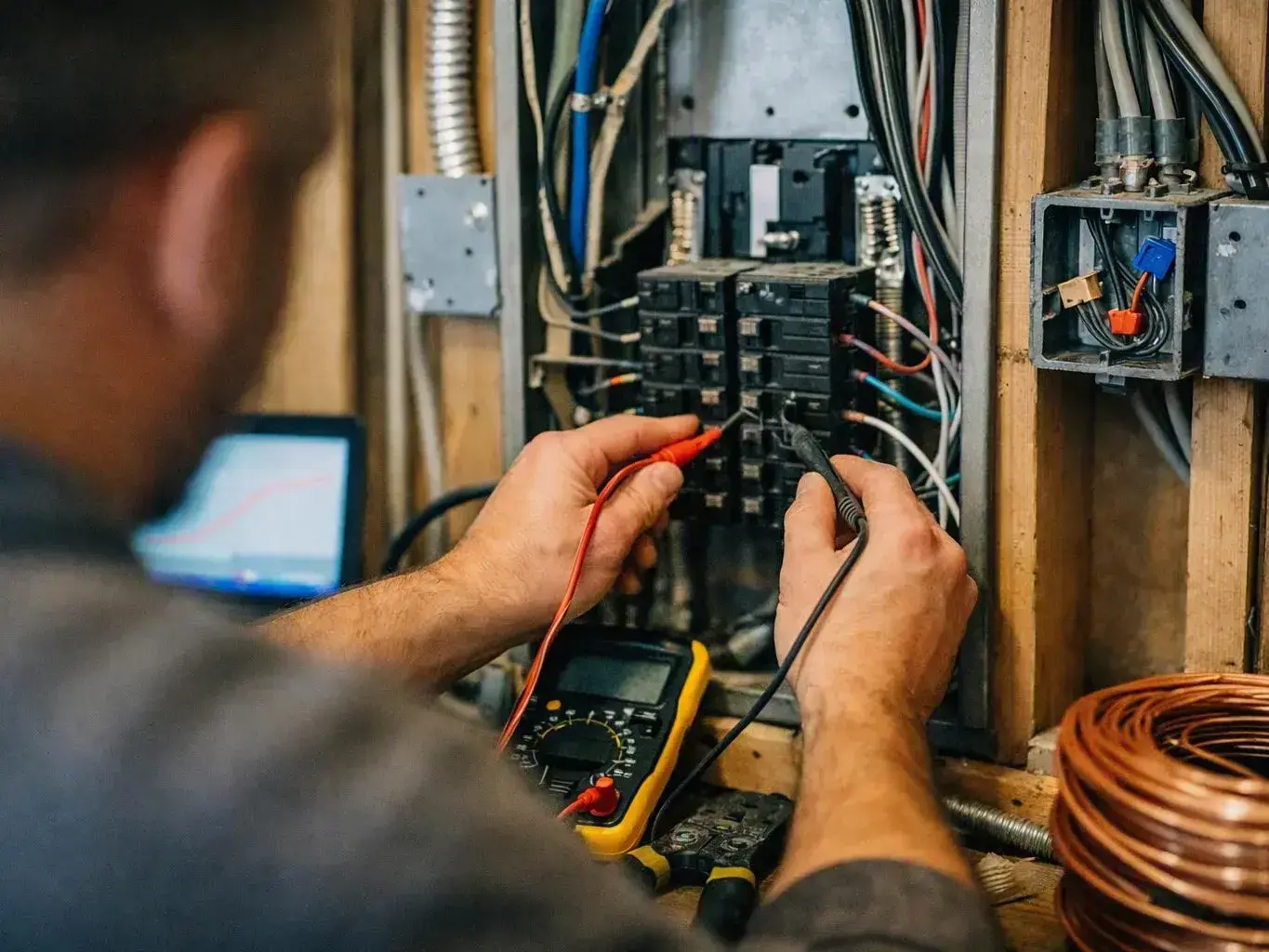
THHN matters because its insulation and coating support dependable wiring in many building systems. The nylon jacket helps reduce damage from pulling friction. It doesn't make the wire suitable for every environment. A dry-location THHN rating doesn't approve installation in wet conduit, underground raceways, or areas with condensation.
Correct selection affects ampacity, equipment protection, and fire risk. A conductor that's too small for the load can overheat. An oversized conductor may not fit terminals. It may not work well with the selected breaker. The wire marking, circuit calculations, overcurrent device, and termination ratings must agree before installation ends.
When THHN Wire Matters Most?
THHN becomes especially relevant during new construction, panel changes, equipment additions, and repairs. These projects often run wires through conduit. It also matters when an older circuit needs replacement. The raceway condition, conductor count, or environmental exposure may have changed. In these situations, the correct wire type can prevent failed inspections. It can also reduce future repair work.
Before using THHN, verify the following details.
- Check the conductor size against the calculated load and permitted ampacity.
- Confirm that the insulation marking matches dry, wet, or other location conditions.
- Match conductor insulation and terminal ratings to the expected operating temperature.
- Inspect the nylon jacket for cuts, flattening, or damage after pulling.
- Confirm that the raceway, fittings, grounding path, and overcurrent protection meet the applicable code.
How to Evaluate THHN Wire?
- Read the insulation marking for THHN, THWN-2, voltage rating, temperature rating, conductor size, and listing information.
- Compare the conductor ampacity with the calculated load, breaker rating, terminal rating, ambient temperature, and conductor count.
- Verify that the wire is approved for the location, especially conduit exposed to moisture or underground conditions.
- Inspect the jacket after installation for cuts, abrasions, compression, or exposed conductor strands.
- Confirm that copper or aluminum material matches the terminals and installation requirements.
Related Concepts Compared
THHN Wire vs. THWN-2 Wire
THWN-2 includes a wet-location rating and a higher wet-location temperature rating than basic THHN. Many products carry both THHN and THWN-2 markings.
THHN Wire vs. Romex
Romex is a trade name commonly associated with nonmetallic-sheathed cable. THHN is usually an individual conductor that requires a raceway or another approved wiring method.
THHN Wire vs. XHHW-2 Wire
XHHW-2 uses cross-linked thermoset insulation and is rated for wet locations. THHN generally uses thermoplastic insulation with a nylon coating.
THHN Wire vs. Bare Copper Ground Wire
Bare copper wire has no insulating jacket and commonly serves as an equipment grounding conductor. THHN is insulated and may serve as a current-carrying circuit conductor when properly sized.
Expert Note
A THHN marking alone does not answer every installation question. Check the full product marking, because many conductors are dual-rated THHN and THWN-2. The wet-location rating, terminal temperature, conductor adjustment factors, and raceway fill can change the permitted installation.
Common Mistakes or Myths About THHN Wire
- Assuming every THHN-marked conductor is approved for wet locations.
- Choosing wire size from breaker rating alone without checking load and installation conditions.
- Treating THHN as a complete cable instead of an individual conductor.
- Ignoring terminal temperature ratings when selecting ampacity.
- Pulling conductors through a damaged or overcrowded raceway.
THHN Wire in Practice: A Real-World Example
A 120-volt branch circuit may use copper THHN conductors in electrical conduit. The electrician sizes conductors for the load, breaker, terminals, and grounding needs.
Sources & Further Reading on THHN Wire
Related Services
Related Terms
AWG
AWG is the American Wire Gauge system used to identify the diameter and cross-sectional area of…
Ampacity
Ampacity is the maximum current, measured in amperes, that a conductor can carry continuously under stated…
Conduit
Conduit is a tube or channel that protects and routes insulated electrical conductors. It may be…
Raceway
Raceway is a channel, tube, or enclosed path that protects and routes electrical conductors. Common raceways…
Santa Ana Electrician
Have Questions About THHN Wire?
Contact Santa Ana Electrician for practical guidance on THHN Wire and related 24 hour electrician work in Santa Ana.