Emergency Electrical Repair Mistakes: What Not to Do Before Help Arrives
Emergency electrical repair mistakes include touching exposed wiring, resetting a tripped breaker repeatedly, using water near electricity, and attempting repairs while power remains on. Santa Ana Electrician identifies the hazard, isolates the affected circuit, and repairs the underlying fault safely.
Get a Free EstimateWhat Should You Do First During an Electrical Emergency?
The first step during an electrical emergency is to move away from the hazard, keep others clear, and shut off power only when the disconnect can be reached without exposure to danger. Santa Ana Electrician helps identify the hazard, isolate the affected circuit, and correct the underlying fault.
Which Emergency Electrical Repair Mistakes Make the Problem Worse?
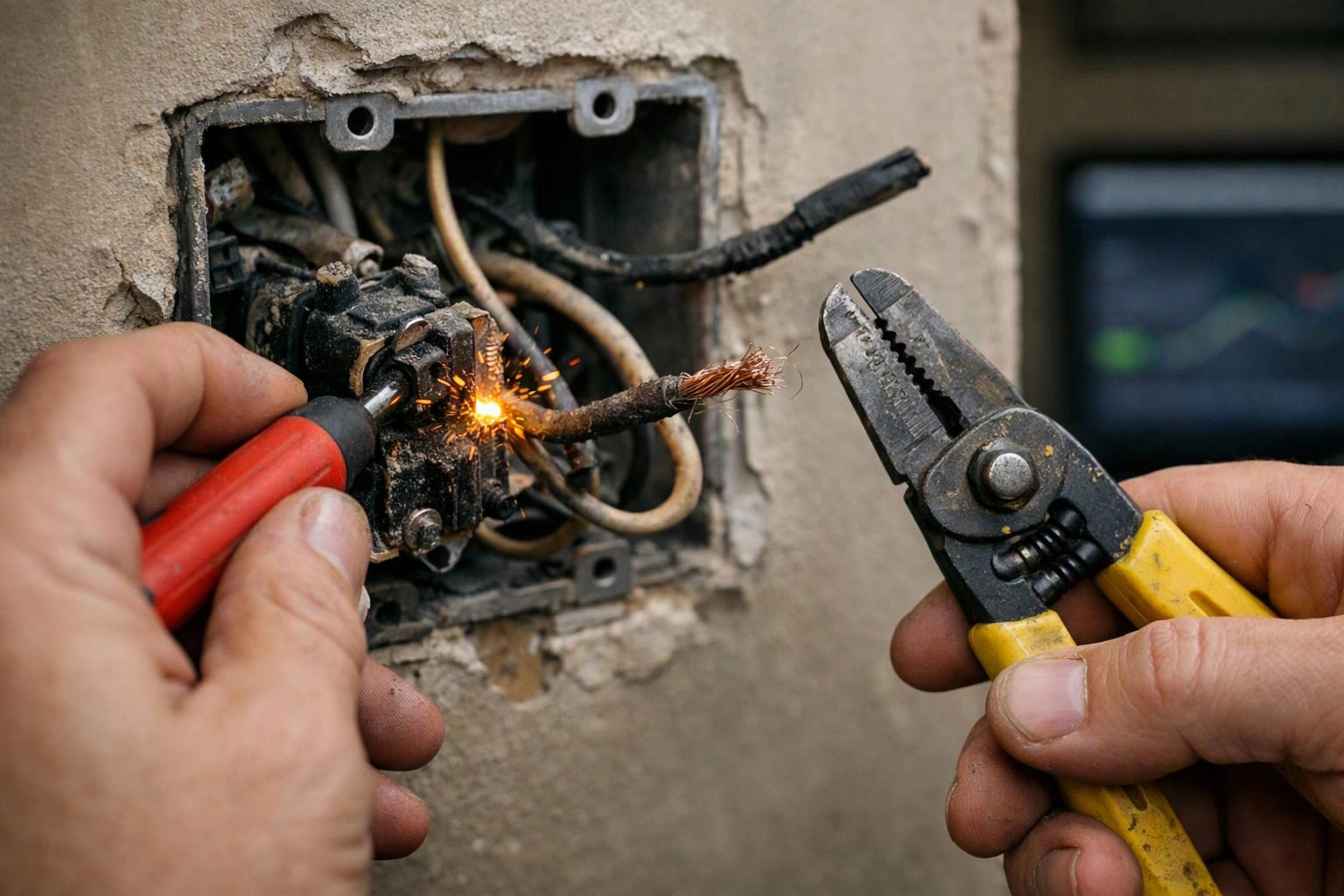
Emergency electrical repair mistakes make a fault more dangerous when they expose people to electrical shock, arc flash, or electrical fire. A short circuit can send fault current through damaged wiring, equipment, or a person.
We first establish safe isolation before touching the affected circuit. Our team then traces the fault and completes the needed emergency electrical repair without covering up the underlying cause.
For urgent help, contact Emergency Electrical Repair so we can assess the hazard safely.
Touching Exposed Wires or Damaged Electrical Parts
Touching an exposed wire or damaged outlet can place your body across an energized circuit. People often do this because they want to see whether a loose part is causing the problem.
The cost of this mistake can include electrical shock, arc damage, and added wiring damage. We keep the area clear, isolate the circuit, and inspect the damaged part before completing the repair.
Resetting a Tripped Breaker Repeatedly
Resetting a tripped breaker repeatedly can keep an overload or short circuit energized. A circuit breaker trips to interrupt fault current when the circuit condition becomes unsafe.
The cost of repeated resets can include overheating and damage to wiring or connected equipment. We test the circuit breaker, locate the cause of the trip, and repair the faulty circuit before restoring power.
Using Water on an Electrical Fire or Sparking Outlet
Water must not be used on an electrical fire or sparking outlet because water can conduct electricity through an energized equipment path. This mistake often happens when someone treats the event like an ordinary household fire.
The cost can include electrical shock, spreading fire, and damage to nearby property. Move away, call emergency services for an active fire, and use only a fire extinguisher rated for the type of electrical fire if doing so is clearly safe.
We isolate the supply and inspect the outlet, wiring, and connected equipment after the immediate danger is controlled.
Removing an Outlet, Switch, or Panel Cover While Power Is On
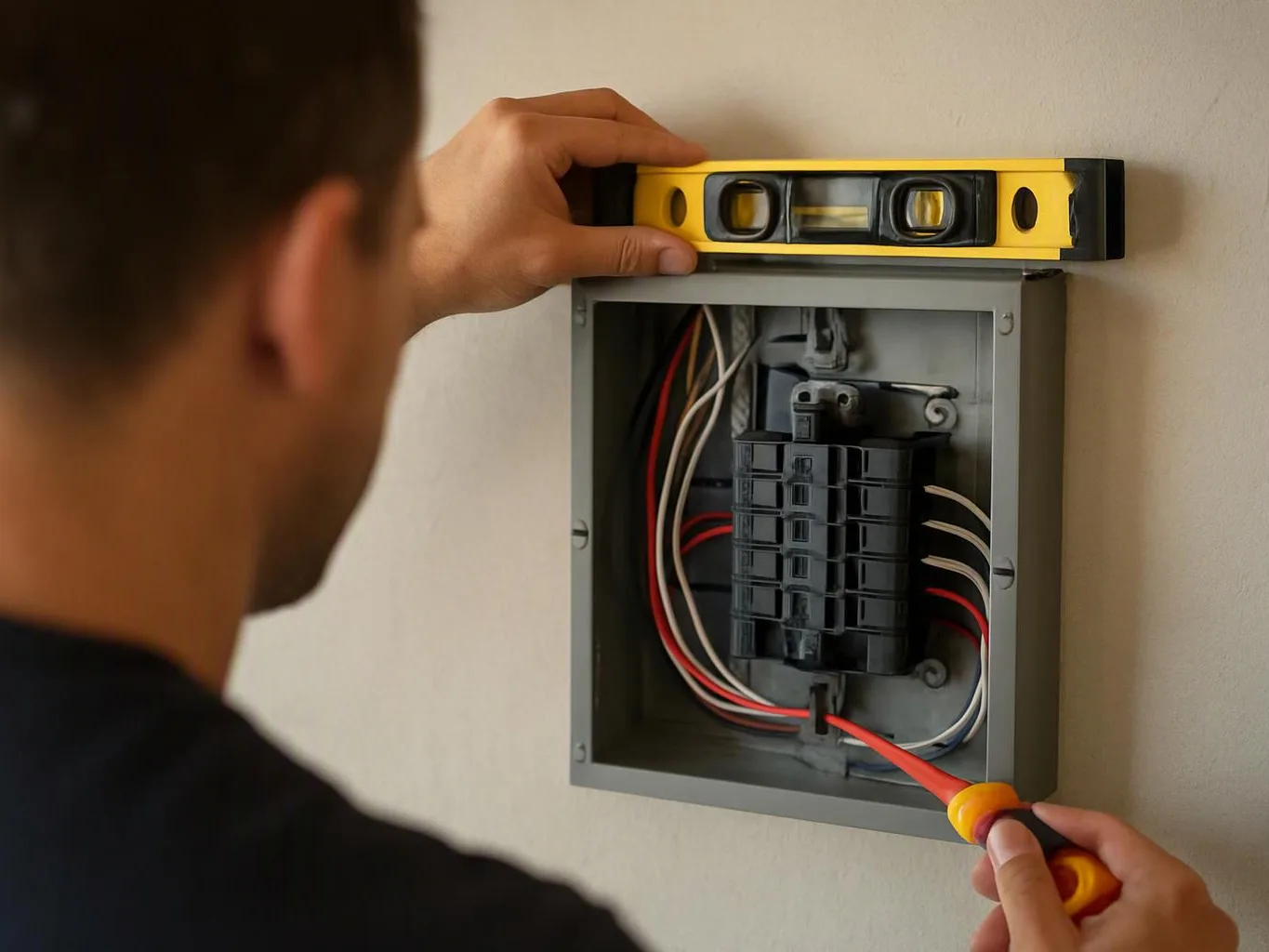
Removing an outlet, light switch, or electrical panel cover while power is on can expose you to live conductors. People may remove a cover to look for a loose connection or burnt part.
The cost can include electrical shock, arc flash, and damage to the device or panel. We use safe isolation, verify the circuit condition, and examine the conductors before repairing the affected component.
Replacing a Blown Fuse With the Wrong Fuse or Metal Object
A fuse protects a circuit by opening when current becomes too high. Replacing a blown fuse with the wrong fuse or a metal object defeats overcurrent protection.
The cost can include overheating, wiring damage, and electrical fire. We inspect the fuse box, identify why the fuse opened, and restore suitable circuit protection.
Using Extension Cords to Bypass a Damaged Circuit
Using an extension cord to bypass a damaged circuit can overload the cord or outlet. People often do this to keep portable electrical equipment running after power is lost in one area.
The cost can include overheating, melted insulation, and further damage to the outlet or circuit. We check the damaged circuit, test the outlet, and repair the supply path instead of masking the fault.
Ignoring Burning Odors, Heat, Buzzing, or Discoloration
A burning odor, hot outlet, buzzing sound, or discoloration can signal a loose connection or overheating conductor. These signs are often ignored because the circuit may still appear to work.
The cost can grow when heat damages insulation, terminals, or nearby materials. We inspect the affected connection, test the circuit, and correct the source of the heat or sound.
Working on Electrical Equipment in Wet Conditions
Working on wet electrical equipment or near standing water can create a path for electrical shock. Water intrusion can also cause a ground fault that trips protective devices.
The cost can include damaged equipment, wiring failure, and serious injury. We keep people away from the wet area, establish safe isolation, and inspect for water intrusion before testing the circuit.
Guessing at a Short Circuit Without Finding the Fault
A short circuit is a low-resistance path that can cause high current to flow through an unintended route. Guessing at the fault location can leave wiring damage hidden inside a wall, outlet, appliance, or panel.
The cost can include repeated breaker trips and worsening damage. We use circuit testing to locate the fault, inspect wiring damage, and complete short circuit repair based on the actual cause.
What Can You Safely Do Before Electrical Help Arrives?
Electrical safety before help arrives means moving people away, stopping contact with the hazard, and using power isolation only when it is clearly safe. You can keep the area clear and provide useful information about what happened.
Do not touch damaged wiring, wet equipment, a sparking outlet, or a hot electrical panel. If the area is unsafe, evacuate and contact emergency services; we can inspect the electrical system after the immediate danger is controlled.
When Should You Call Santa Ana Electrician Instead of Troubleshooting Yourself?
Call Santa Ana Electrician when an electrical fault produces smoke, sparks, heat, burning odors, repeated breaker trips, or visible wiring damage. These signs point to an active electrical hazard that needs controlled testing.
Contact us in any of these situations:
Our team can handle emergency electrical repair, short circuit repair, and power outage troubleshooting while protecting the rest of the electrical system.
Get a Free EstimateHow We Check an Emergency Electrical Problem
Electrical diagnosis starts with a visual review of the affected area and the electrical panel. We look for heat, damage, moisture, loose connections, unusual sounds, and signs of a fault current event.
Our team then establishes safe isolation before circuit testing. We trace the affected circuit, check protective devices, and identify whether the issue involves a short circuit, overload, ground fault, or damaged wiring.
After locating the fault, we explain the repair scope and correct the underlying cause. Power outage troubleshooting focuses on restoring safe service without repeatedly energizing a faulty circuit.
What Changes the Cost of Emergency Electrical Repair?
The cost of emergency electrical repair changes with the fault location, damaged components, access required, circuit condition, and repair scope; we explain the work covered in the quote.
A fault inside an accessible outlet may require a different repair scope from damaged wiring inside a wall or a problem within the electrical panel. We inspect the affected system first so the quote reflects the work needed to correct the underlying fault.
Free Estimates Available. To obtain an exact quote, contact our team and describe the symptoms, visible damage, and affected circuits.
How Can You Prevent These Electrical Repair Mistakes?
Electrical maintenance helps prevent circuit overload, loose connections, and avoidable damage. We recommend keeping outlets, cords, and the breaker panel visible and free from moisture or stored items.
Stop using an outlet that feels hot, buzzes, smells like burning, or shows discoloration. Arrange outlet inspection when damage appears, and do not bypass a circuit breaker or protective device.
Good electrical safety also means knowing where the main disconnect is and keeping access clear. If a faulty circuit causes repeated trips or power loss, let us test it and address the underlying cause.
Questions About Emergency Electrical Repair Mistakes
Should I turn off the main breaker during an electrical emergency?
Yes, turn off the main breaker only when you can reach it without approaching smoke, sparks, water, exposed wiring, or other danger. Santa Ana Electrician recommends keeping clear and contacting emergency services when the area is unsafe.
Why does my breaker keep tripping after I reset it?
A breaker that keeps tripping may be responding to an overload, short circuit, ground fault, or damaged wiring. Stop resetting it repeatedly and let us test the circuit to find the cause.
Can I use a fire extinguisher on an electrical fire?
Yes, use only a fire extinguisher rated for an electrical fire, and only when doing so is clearly safe. Never use water, and contact emergency services when flames or smoke threaten people or property.
What should I do if an outlet smells like it is burning?
Stop using the outlet, keep clear, and isolate power only if the disconnect is safe to reach. A burning odor can signal overheating or a loose connection, so we inspect the outlet and circuit before restoring service.
Can a power outage be caused by a short circuit?
Yes, a short circuit can cause a protective device to interrupt power to part of a property. We use power outage troubleshooting and circuit testing to locate the fault before completing short circuit repair.