Warning Signs You Need Emergency Electrical Repair
Emergency electrical repair addresses burning smells, sparks, buzzing, flickering, water contact, and repeated breaker trips; Santa Ana Electrician checks the hazard, explains the repair, and makes the electrical system safe.
Get a Free EstimateWhich Electrical Warning Signs Need Emergency Repair?
Emergency electrical repair is needed when burning smells, smoke, sparks, heat, buzzing, water contact, visible damage, or repeated power interruptions signal an energized fault or fire risk. We assess the hazard before deciding which equipment can remain in use.
Do not treat these signs as normal wear. Move away from the affected area and call for help when the condition involves smoke, fire, exposed wiring, or immediate danger.
What Should You Do When You Notice an Electrical Emergency?
Electrical safety starts with moving people away from the hazard and avoiding contact with damaged equipment. Call emergency services when there is fire, heavy smoke, an explosion risk, or another immediate danger.
Do not touch wet equipment, exposed conductors, or a damaged electrical panel. If the main electrical panel is dry, accessible, and safe to approach, you can shut off power as directed by emergency instructions; otherwise, leave the emergency power shutoff to responders or our crew.
We identify the hazard and arrange the appropriate electrical fire response when fire risk is present. Do not re-energize equipment until the fault has been inspected.
How Can You Keep Your Home Safe While Waiting for Repair?
Homeowners can reduce electrical risk by keeping away from damaged equipment, avoiding water, limiting use of the affected circuit, and following emergency instructions. These steps help control the hazard while we prepare for qualified electrical repair.
Keep children and pets away from the area. Do not cover scorch marks, move wet equipment, or reset a breaker that trips again.
What Can You Do Yourself, and When Should We Repair It?
Basic DIY electrical safety means keeping away from hazards, stopping use of affected equipment, and following safe power-shutoff instructions. Opening an outlet, circuit breaker, or electrical panel requires our diagnosis and repair.
The table separates safe customer actions from the work our crew performs. We diagnose energized faults before completing emergency electrical repair.
| Factor | What you can do yourself | What we do |
|---|---|---|
| Electrical outlet repair | Stop using a warm, sparking, wet, or discolored outlet. | We inspect the outlet, wiring, connections, and connected load. |
| Circuit breaker repair | Leave a repeatedly tripping breaker off when it is safe to do so. | We test the circuit and identify overloads, shorts, or damaged parts. |
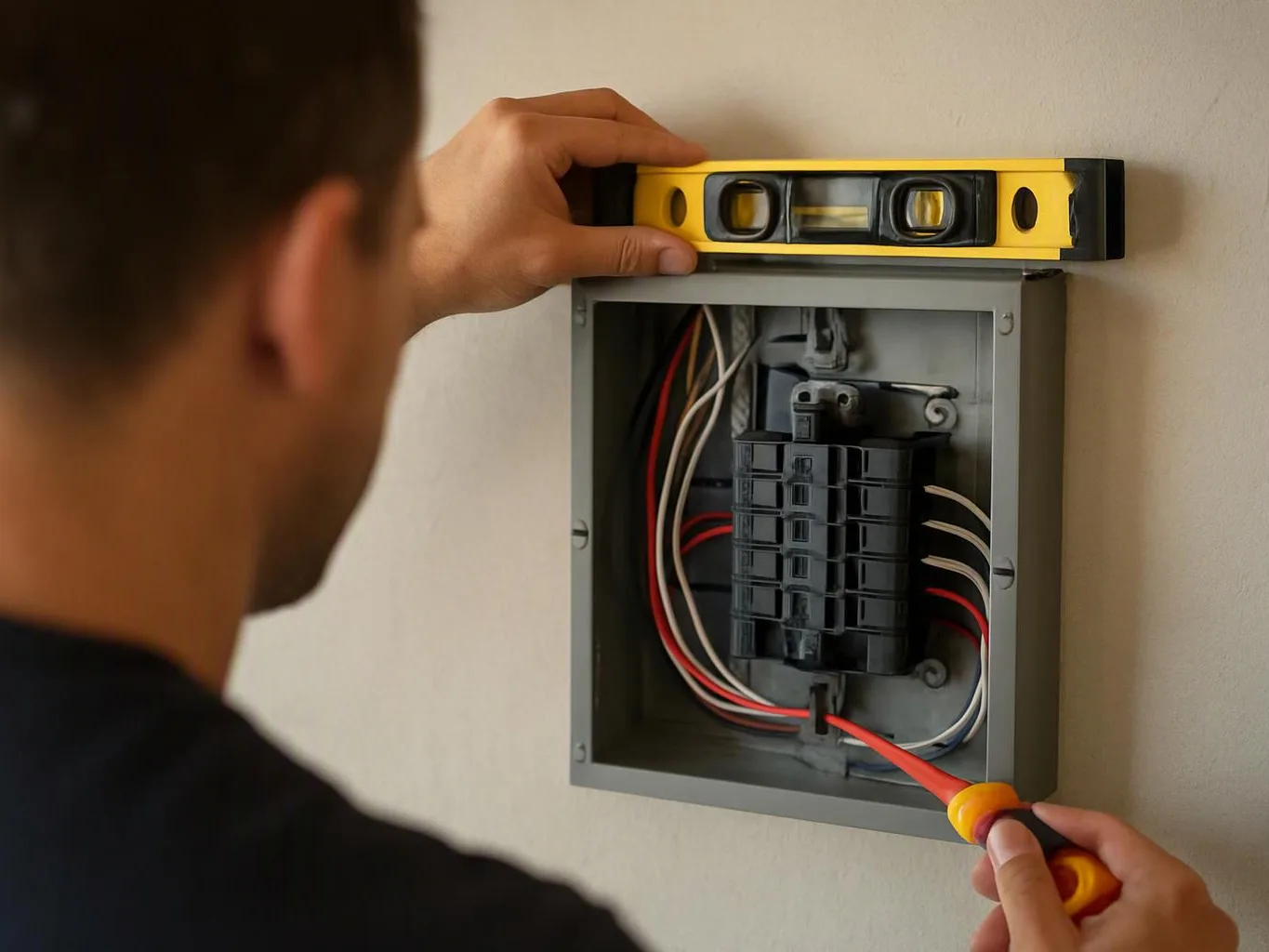
| Electrical panel repair | Keep away from smoke, heat, water, exposed parts, and unusual sounds. | We inspect the panel, main breaker, branch circuits, and visible damage. |
| DIY electrical safety | Move people away and call emergency services for fire or immediate danger. | We make the system safe after emergency responders clear the scene. |
How We Check the Electrical Hazard Before Repair
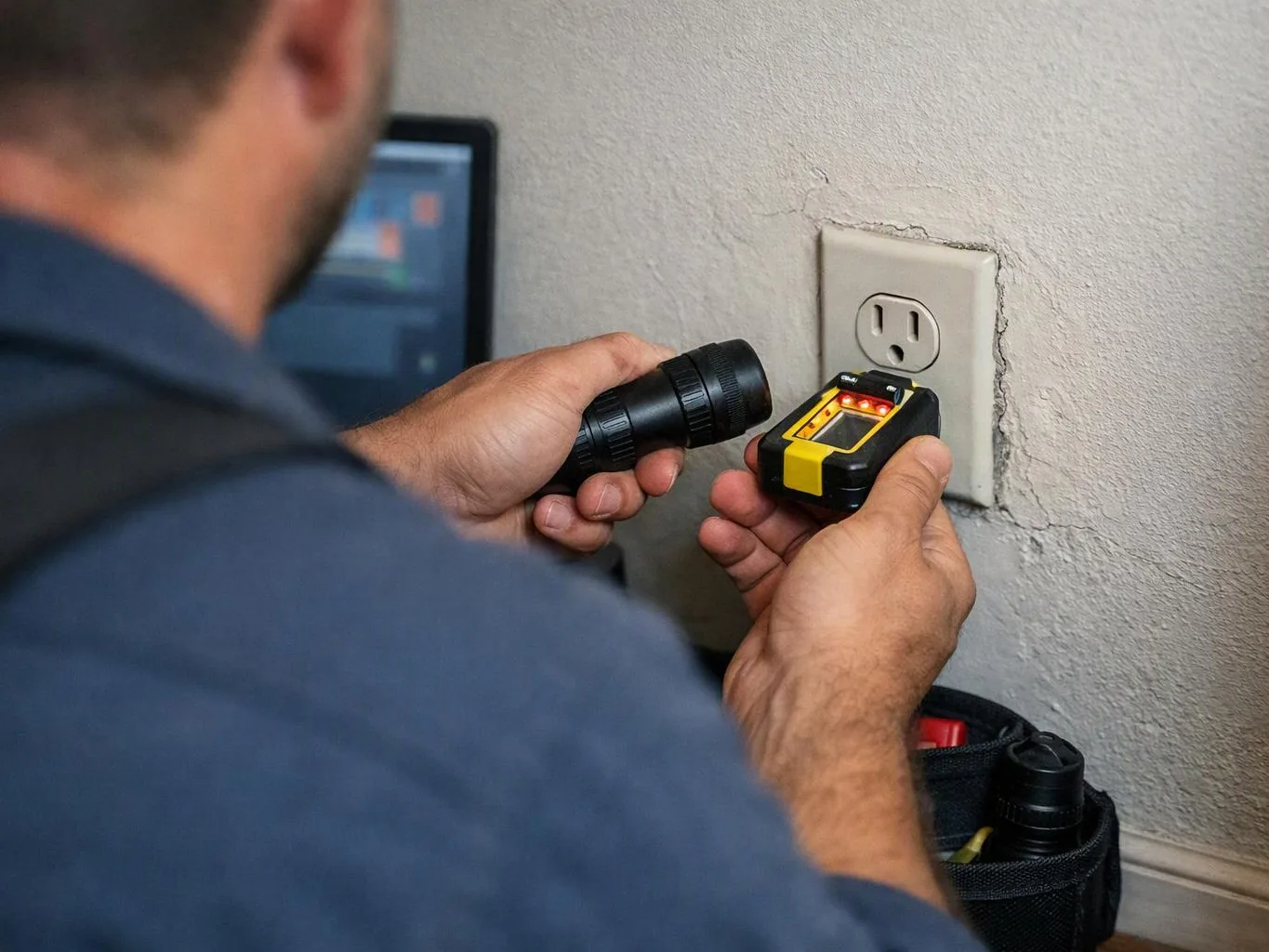
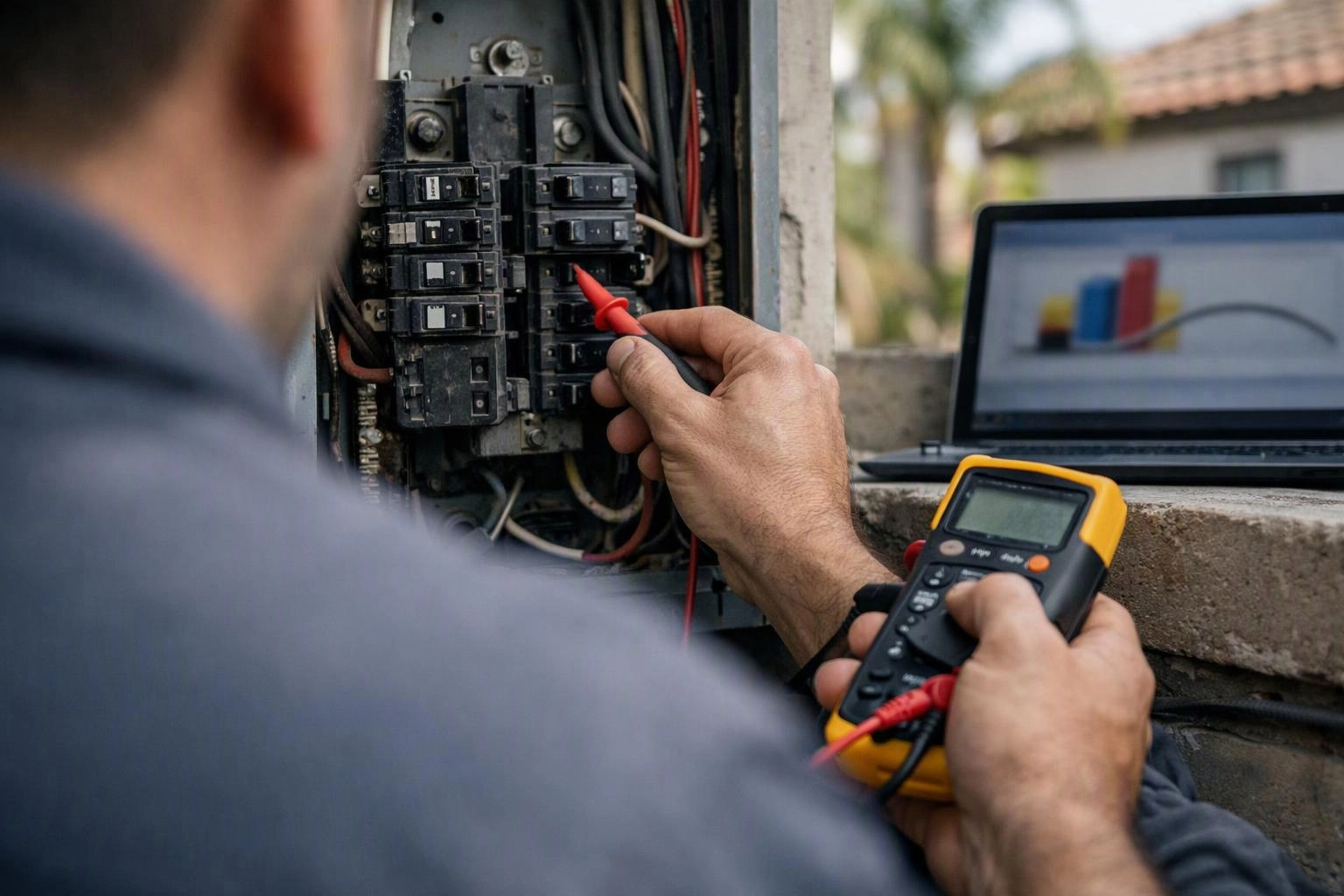
Electrical inspection starts with identifying the affected circuit and reviewing the visible signs of damage. We inspect the electrical panel, outlet, wiring, and connected equipment without assuming that the first symptom is the only fault.
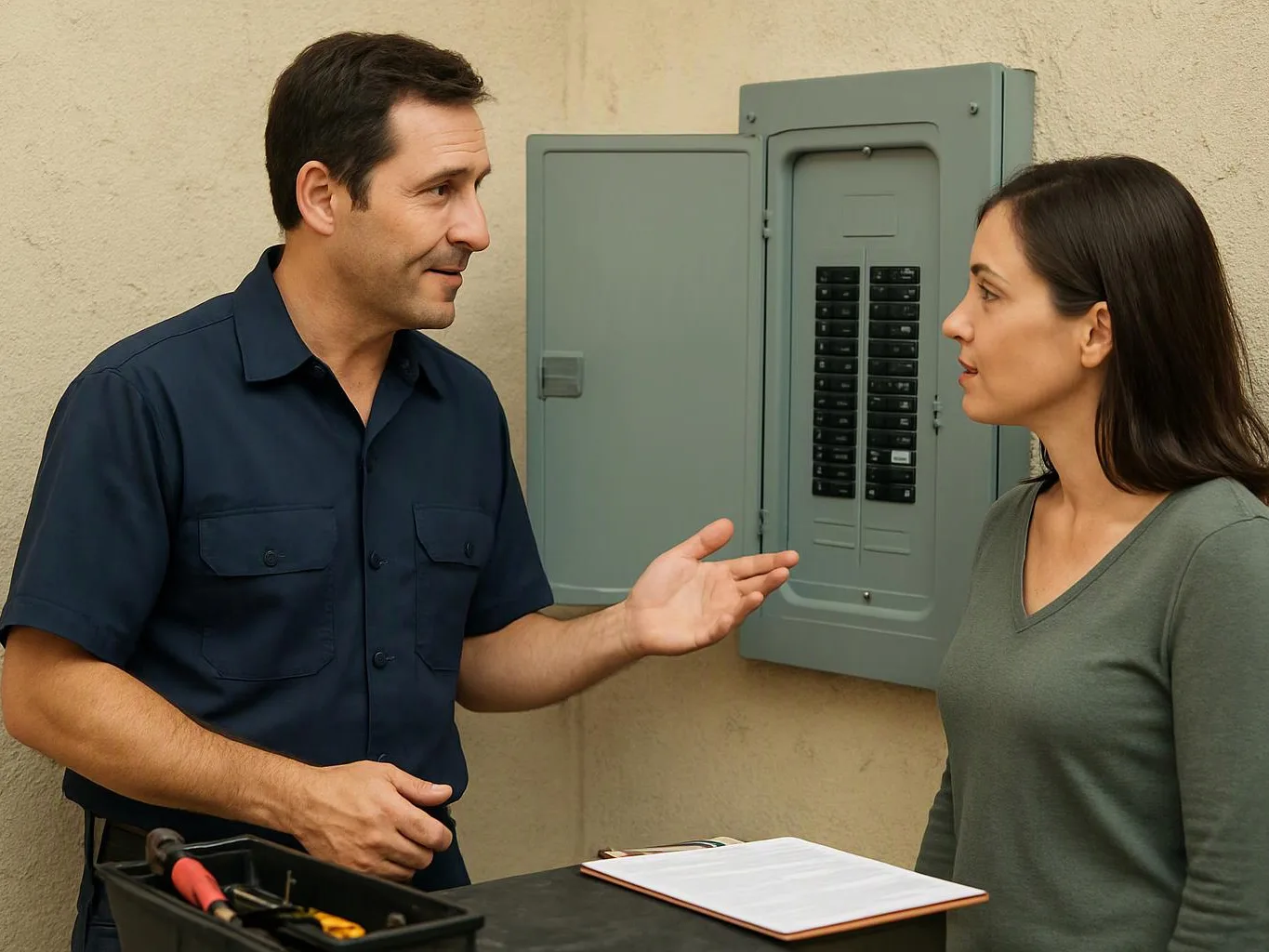
Our team performs safe circuit testing to support fault diagnosis. We explain the repair scope before work begins, including which parts need repair, replacement, isolation, or further evaluation.
What Changes the Scope of Emergency Electrical Repair?
Fault location is a key factor in the repair scope because a problem at an outlet may differ from a fault in the panel, branch circuit, or service equipment. We trace the affected path so the repair addresses the cause and related damage.
Electrical wiring condition, circuit load, outlet damage, breaker damage, and panel condition can all change the work required. Water intrusion and storm damage may also require damaged components to remain isolated until the system is safe to test.
Access and the extent of heat, arcing, or water exposure also affect the repair plan. We explain these findings clearly before completing the work.
How Do You Get an Emergency Electrical Repair Estimate?
An electrical repair estimate starts with an emergency service assessment of the hazard, affected equipment, and required repair scope. We review the condition, explain the work, and provide Free Estimates Available.
Cost depends on the fault location, damaged components, wiring condition, access, and the effect of water or storm damage. Contact us through Emergency Electrical Repair to request an assessment.
When Is a Burning Smell Near an Outlet or Panel Dangerous?
A burning electrical smell near an outlet or electrical panel is dangerous when it comes with heat, discoloration, smoke, buzzing, or a tripped breaker. These signs can mean overheating wiring or an electrical fire risk.
Stop using the affected equipment and keep away from the area. We inspect the outlet, panel, wiring, and connections to locate the source before restoring use.
Can a Buzzing Electrical Panel Require Emergency Service?
Yes, a buzzing electrical panel can require emergency service when the sound indicates arcing, vibration, overheating, or a loose electrical connection. The risk increases when buzzing occurs with heat, flickering lights, scorch marks, or breaker trips.
Do not open or strike the panel to stop the sound. We inspect the panel, main breaker, connections, and affected circuits before deciding whether emergency electrical repair is required.
Questions About Emergency Electrical Repair Warning Signs
Should I turn off the main breaker if I smell burning?
Santa Ana Electrician recommends turning off the main breaker only when the panel is dry, accessible, and safe to approach. Move away and call emergency services when smoke, flames, water, exposed parts, or immediate danger make contact unsafe.
What should I do if an electrical outlet starts sparking?
An electrical outlet that starts sparking should be left unused while you move away from the area. Do not touch the outlet or connected plug if heat, smoke, water, or visible damage is present.
Are repeated circuit breaker trips an electrical emergency?
Repeated circuit breaker trips require urgent electrical attention because they can indicate an overloaded circuit, short circuit, damaged equipment, or wiring fault. Leave the affected circuit off if it trips again and arrange an inspection.
Can water damage make an electrical panel unsafe?
Yes, water damage can make an electrical panel unsafe by creating shock, corrosion, short-circuit, and fire risks. Keep away from the wet area and do not operate the panel until the condition has been assessed.
What should I do after storm damage affects electrical wiring?
Storm damage affecting electrical wiring requires distance from fallen conductors, damaged equipment, water, and exposed parts. Call emergency services for immediate danger, then keep the affected system off until we inspect it.
Emergency electrical repair should begin with safety, hazard control, and a clear repair scope. Santa Ana Electrician checks outlets, breakers, panels, wiring, water exposure, and storm damage so you know what must happen next.
Contact Santa Ana Electrician for an emergency electrical assessment.
Get a Free Estimate