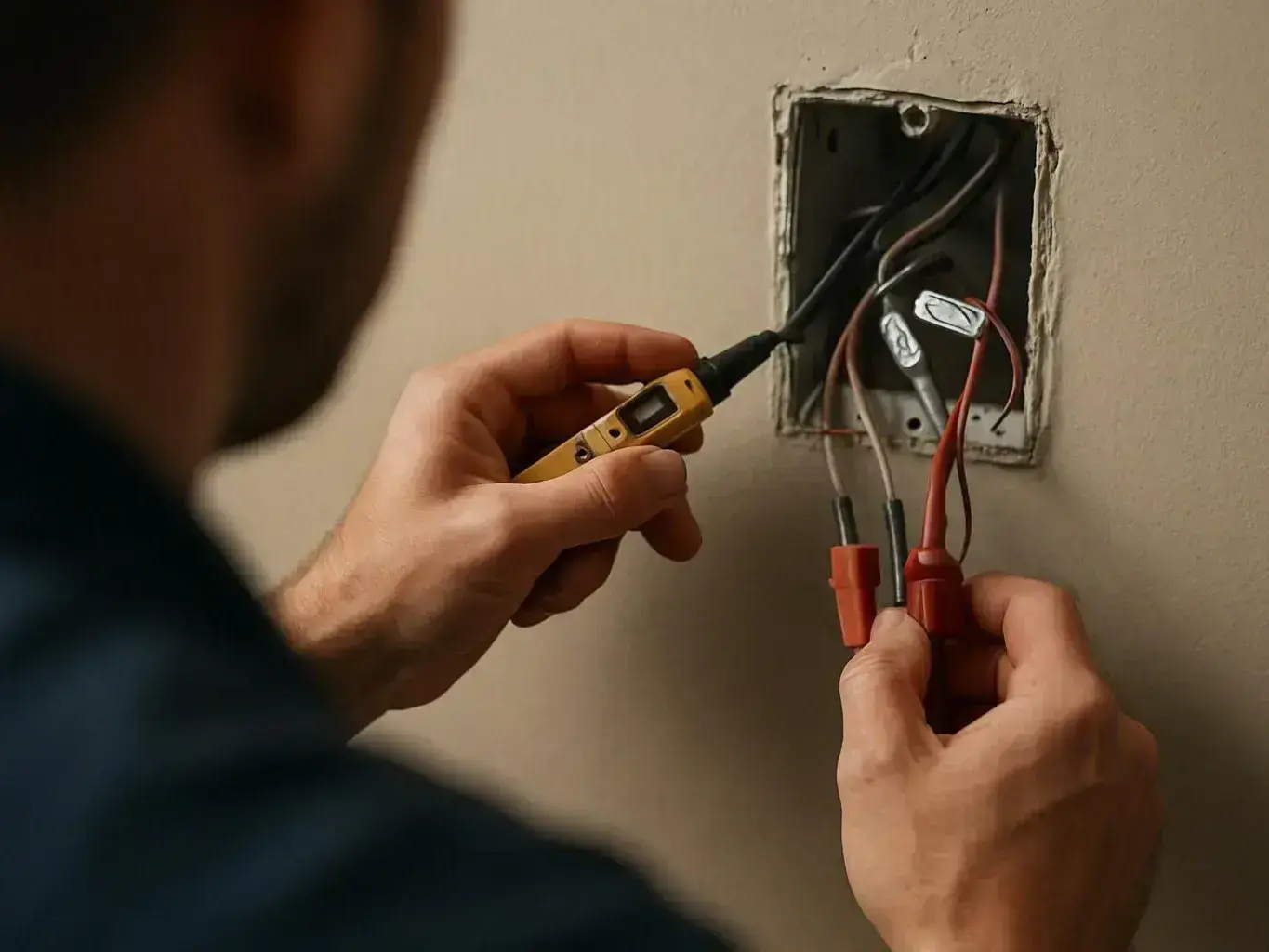
Home Generator Installation: Cost and Process in Santa Ana, CA
Home generator installation cost depends on size, fuel, wiring, permits, and site needs. A whole-house generator needs more work than a portable unit. Work may take several hours or many days. Trenching, concrete work, gas work, and panel upgrades can add time. An electrician checks the home’s load and installs the transfer switch. They also connect wiring, check grounding, and test the system. Santa Ana, CA homeowners should check permits, utility rules, and placement needs first.
Get a Free Estimate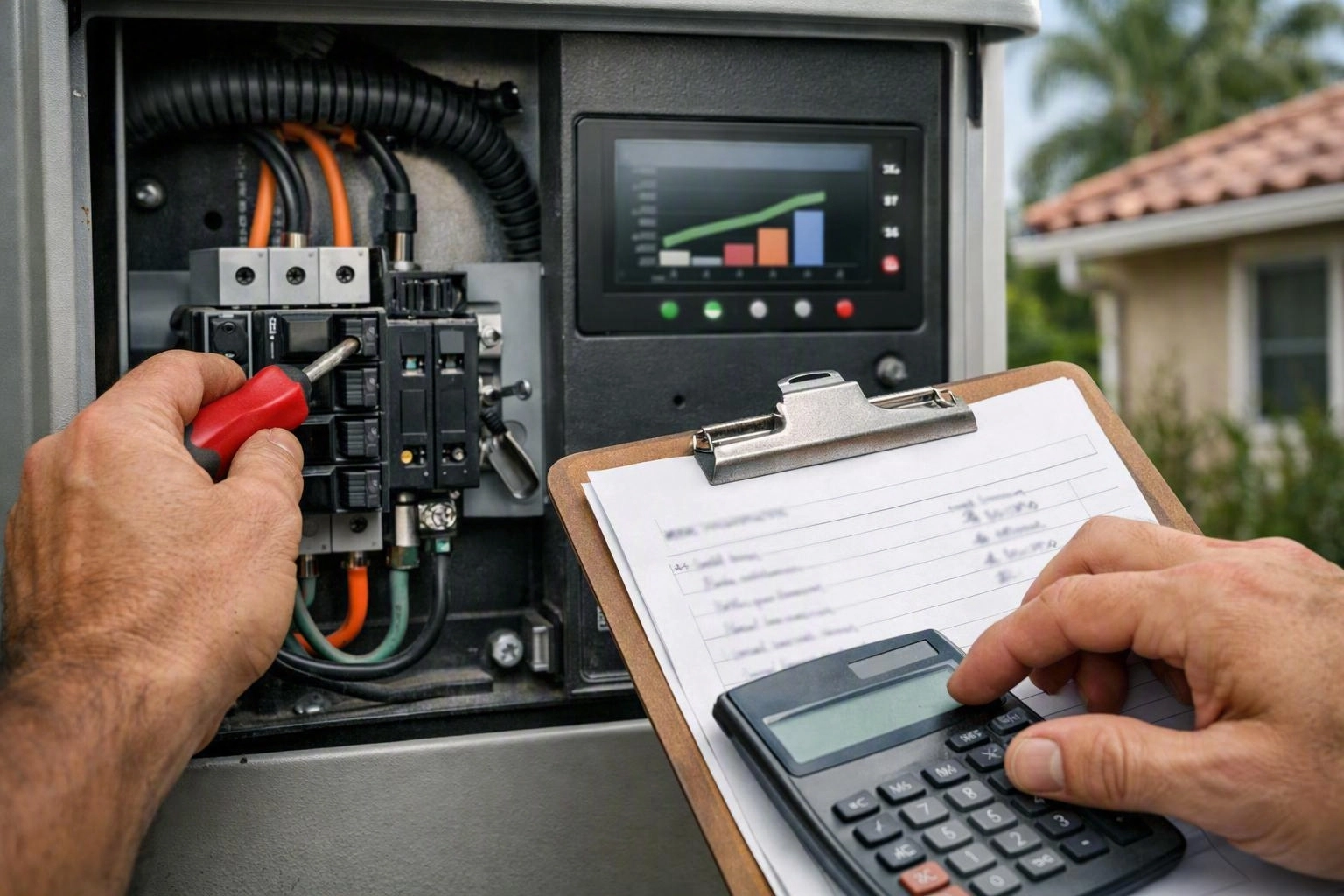
Generator Installation in Santa Ana needs more than equipment delivery. At Santa Ana Electrician, we review the home and its power needs. Then we plan the backup power system and needed electrical work.
How Much Does Home Generator Installation Cost?
Home generator installation cost depends on size, transfer-switch type, panel condition, fuel, wiring distance, permits, and site work. A whole-house generator needs more electrical work than a portable unit. It must work with the home’s service equipment and chosen circuits.
The generator is only one project cost. A standby unit may need an automatic transfer switch and fuel connection. It also needs wiring, grounding, and a safe outdoor location. A portable unit may use a generator inlet and manual transfer switch. These systems aren't the same. An electrician must check every part.
A whole-house generator can power more areas. A larger unit may need bigger wires and added panel work. Older homes may have weak breakers or crowded panels. Some homes also have wiring done without permits. Panel repairs.Electrical Panel Installation may become part of the job.
Fuel work can change the final cost. Natural gas or propane must provide enough flow for the unit. The connection may need a fuel pro or utility worker. The distance from the generator to the panel also matters. Long conduit runs, wall openings, and trenching add labor.
Santa AnaCA permits and inspections can affect the work plan. Check current rules with the local authority before work begins. Southern California earthquakes also make firm placement and anchoring important. Conduit must be routed with care.
Simple jobs often take one visit. Complex homes may need several visits. A written estimate should list each task and cost. It should show equipment, labor, fuel work, pad work, permits, and testing. This makes bids easier to compare.
Which Cost Factors Change a Whole-House Generator Installation?
Whole-house generator installation cost changes with size, transfer equipment, panel work, wiring length, fuel work, and site needs. Review these items before accepting an estimate. The quote should cover the full job, not just the generator.
| Factor | Why it changes the cost | What to prepare |
|---|---|---|
| Generator capacity | Larger loads may need bigger wires and more safety gear. | List heating, cooling, refrigeration, pumps, medical equipment, and other priority loads. |
| Automatic transfer switch | The switch must match the generator, service, and chosen loads. | Provide service details and explain whether essential circuits or the whole home are desired. |
| Electrical panel | An old, full, or weak panel may need repair or replacement. | Keep panel access clear and disclose known electrical issues. |
| Natural gas connection | Fuel pipe size, pressure, distance, and timing can affect the work. | Confirm the fuel type and identify the nearest approved connection point. |
| Concrete pad | Outdoor units may need a stable pad and secure anchors. | Review drainage, access, clearances, and the proposed generator location. |
| Permit and inspection | Local review can add time and require changes before approval. | Ask who prepares the permit documents and coordinates the inspection. |
These items can affect each other. A large unit far from the panel may need longer wiring. It may also need larger equipment. A clear quote should list its main assumptions.
Santa Ana’s warm, dry weather affects outdoor equipment. Ventilation, clear space, and rust-resistant materials matter. The site should be checked before ordering equipment. Walls, gates, paving, and plants can limit access.
How Long Does Generator Installation Take?
Generator installation time depends on site access, wiring distance, fuel supply, panel work, permits, and inspections. A simple job may finish in one workday. Trenching, concrete work, gas work, or panel upgrades can take several visits.
Simple projects often take several hours to one workday. This is a planning range, not a promise. The crew may mount the unit and install the transfer equipment. They also route conduit, connect wires, label circuits, and test the system.
The schedule may grow when inspections are not soon available. Fuel work may also need a separate visit. A concrete pad can need time to cure. Tight access and long wire runs can add more work.
The last step includes load testing and automatic operation checks. The electrician checks that utility and generator power stay separate. They confirm that the chosen circuits receive power. They also note any needed repairs. Inspection approval may be needed before completion.
Ask for a schedule with clear steps. It should show prep, installation, inspection, repairs, and final testing. This helps you plan for power interruptions.
What Does an Electrician Do When Installing a Generator?
An electrician checks the home’s load and equipment fit. They install and wire the transfer switch. They connect approved circuits or service equipment. They check grounding and bonding. They also arrange inspections and test the generator. The electrician can find unsafe wiring and panel limits.
Our team may find damaged wires, open splices, or missing covers. We may also find older work that needs repair. A 24 Hour Electrician can help with urgent safety issues. Planned backup power still needs a full design and inspection.
The electrician does more than connect wires. Safe backup power needs the right size and proper separation. It also needs correct installation and final testing.
Do You Need a Transfer Switch for a Home Generator?
A home generator needs an approved transfer switch or similar transfer equipment. This device separates generator power from the utility grid. It sends power to selected circuits or the whole home. An electrician chooses the right equipment for the generator and service.
An automatic transfer switch senses a utility outage. It moves approved loads to generator power. When utility power returns, it moves the loads back. This setup is common with whole-house standby generators.
A manual transfer switch needs a person to start the generator. That person also selects the circuits to power. A portable generator inlet may use this setup. The inlet must connect through approved transfer equipment. Plugging a generator into a wall outlet isn't safe.
Backfeeding can send generator power onto utility lines. This can harm utility workers, neighbors, and people inside the home. Transfer equipment keeps both power sources from connecting together.
The right choice depends on generator type and service rating. Panel design and chosen circuits also matter. Automatic operation may change the equipment choice. We can review these needs during a site visit.
Five Ways to Control Generator Installation Costs
Homeowners can control costs by planning the work early. Choose key loads and fix panel problems first. Pick a short wiring route. Confirm fuel and pad needs before scheduling. Compare full written scopes. Good planning can prevent extra work.
Don't remove required transfer equipment or grounding work to save money. Don't skip safety devices or inspections. The best savings usually come from better planning.
How to Prepare for a Generator Installation in Santa Ana, CA?
Preparing for generator installation in Santa Ana, CA starts with the electrical service. You also need a safe outdoor location and a ready fuel supply. Check permits, clearances, and inspection steps. Keep the site open for testing and future service.
Start by checking the electrical service. Gather the service size and panel details. List equipment that must stay powered. Older panels, limited service, and unpermitted wiring can add work. Repairs, rewiring, or service coordination may be needed.
Next, review the generator location. The unit needs clear space, airflow, and service access. It also needs protection from water, cars, and plant growth. Southern California earthquakes make secure anchoring important. The concrete pad must be stable and properly placed.
Fuel planning matters too. Confirm if the system uses natural gas or propane. Find where the supply enters the property. Check if it can support the generator. Fuel work may need another qualified worker. The plan should state who handles each connection and inspection.
Santa Ana, CA permits and inspections can affect the schedule. Check current rules with the local authority before work starts. Ask if electrical, fuel, or building approvals apply. Keep the site open for inspectors.
Outdoor exposure can affect equipment. Use weather-resistant and rust-resistant materials. Keep vents clear. Leave room for repairs and service.
After testing, keep the manuals and inspection records together. Store wiring details and the care schedule there too. Generator maintenance includes visual checks and battery care. It also includes exercise runs and filter service. Follow the maker’s care instructions. Never block clearances or vents.
Our team can review the site and explain the electrical work. We can also provide a written plan. For help with Generator Installation or Electrical Panel Installation, use the contact option below. The next step can focus on your home’s actual needs.
Questions About 24 Hour Electrician
How Much Does Home Generator Installation Cost?
Cost depends on generator size, transfer equipment, panel condition, fuel, wiring, pad work, permits, inspections, and site access. A written estimate should list generator, electrical, fuel, site, and inspection costs separately.
How Much Does a Whole-House Generator Cost to Install?
A whole-house system usually costs more than a portable connection. It may need an automatic transfer switch and panel work. Larger wires, fuel work, permits, and testing may also be needed. The home’s load and equipment set the full scope.
How Long Does Generator Installation Take?
A simple project may fit within one workday. Equipment, fuel, and site conditions must be ready first. Trenching, concrete work, panel upgrades, permits, fuel work, or inspection repairs can require several visits.
What Does an Electrician Do When Installing a Generator?
The electrician checks the load and service panel. They choose compatible equipment and install transfer-switch wiring. They connect approved circuits and check grounding. They also arrange inspections and test the system.
Do I Need a Transfer Switch for a Home Generator?
Yes. Approved transfer equipment separates generator power from the utility grid. It prevents dangerous backfeeding. An automatic or manual switch can power selected circuits or the whole home.
What Size Generator Do I Need to Power My House?
The right size depends on a load calculation and the circuits you want to run. Starting and running loads also matter. An electrician should check heating, cooling, refrigeration, pumps, medical equipment, and other key loads.
Good planning helps protect your home and equipment. It also helps protect the utility grid. Share your panel details, fuel type, needed loads, and proposed location. We can then discuss a safe backup power system.
Related Resources
How Dedicated Circuit Installation Works and What It Costs
dedicated circuit installation process and cost
Compared ToPanel Repair vs. Panel Upgrade: Which Electrical Panel Service Do You Need?
electrical panel repair vs upgrade vs replacement cost
What It SolvesWhy Your Lights Are Flickering or Dimming
flickering lights electrical problem
What It SolvesWhat to Do If You Smell Burning Near an Outlet, Switch, or Panel
burning smell from electrical outlet