How Long Does It Take to Rewire a House?
House rewiring time depends on the property’s size, accessibility, existing wiring, circuit complexity and inspection requirements; Santa Ana Electrician assesses these factors before explaining the project plan.
Get a Free EstimateWhat Determines How Long House Rewiring Takes?
House rewiring time is determined by the amount of wiring being replaced, the property layout, access to cable routes and the condition of the electrical system.
Electrical rewiring can involve replacing old wiring, updating the electrical panel and changing the circuit layout. A larger house usually has more cable routes, outlets and switches for our crew to assess and install.
Existing wiring can also change the work sequence. We check the wiring condition, electrical circuit design and circuit breaker arrangement before we decide how much of the system needs attention.
Some projects involve partial rewiring, while others require full rewiring. We explain the project scope after reviewing the house wiring and the access available in walls and ceilings.
How We Plan the Rewiring Schedule
The rewiring schedule follows the condition of the electrical system, the approved work scope and the inspection requirements. We use each stage to confirm the next part of the work sequence.
Our team coordinates circuit testing and electrical code compliance inspection before power restoration. This approach helps us identify changes that could affect the schedule before the final work is complete.
| Planning stage | What can change the schedule | How we handle it |
|---|---|---|
| Electrical inspection | Wiring condition, grounding and panel capacity | We document the system and identify work that belongs in the project scope. |
| Rewiring scope | Partial or full rewiring and access to cable routes | We set the work sequence around the rooms, circuits and surfaces involved. |
| Circuit testing | Circuit complexity and newly installed connections | We test circuits as the work progresses and address faults before closing access points. |
| Electrical code compliance inspection | Permit coordination and inspection requirements | We coordinate the required inspection steps and respond to findings. |
| Power restoration | Testing results and completed safety checks | We restore power after the installed system has been checked. |
Which Factors Can Extend or Shorten the Project?
Project conditions can extend or shorten the rewiring timeline before work begins. We review these factors during the assessment so the schedule reflects the actual property.
Permit and inspection coordination can also affect the work sequence. Our team includes those requirements when explaining how the project will move from installation to testing.
What Happens During a House Rewiring Project?
Electrical rewiring begins with an electrical assessment that identifies the condition and layout of the existing system. We then complete circuit mapping so each circuit, outlet and switch has a clear place in the work sequence.
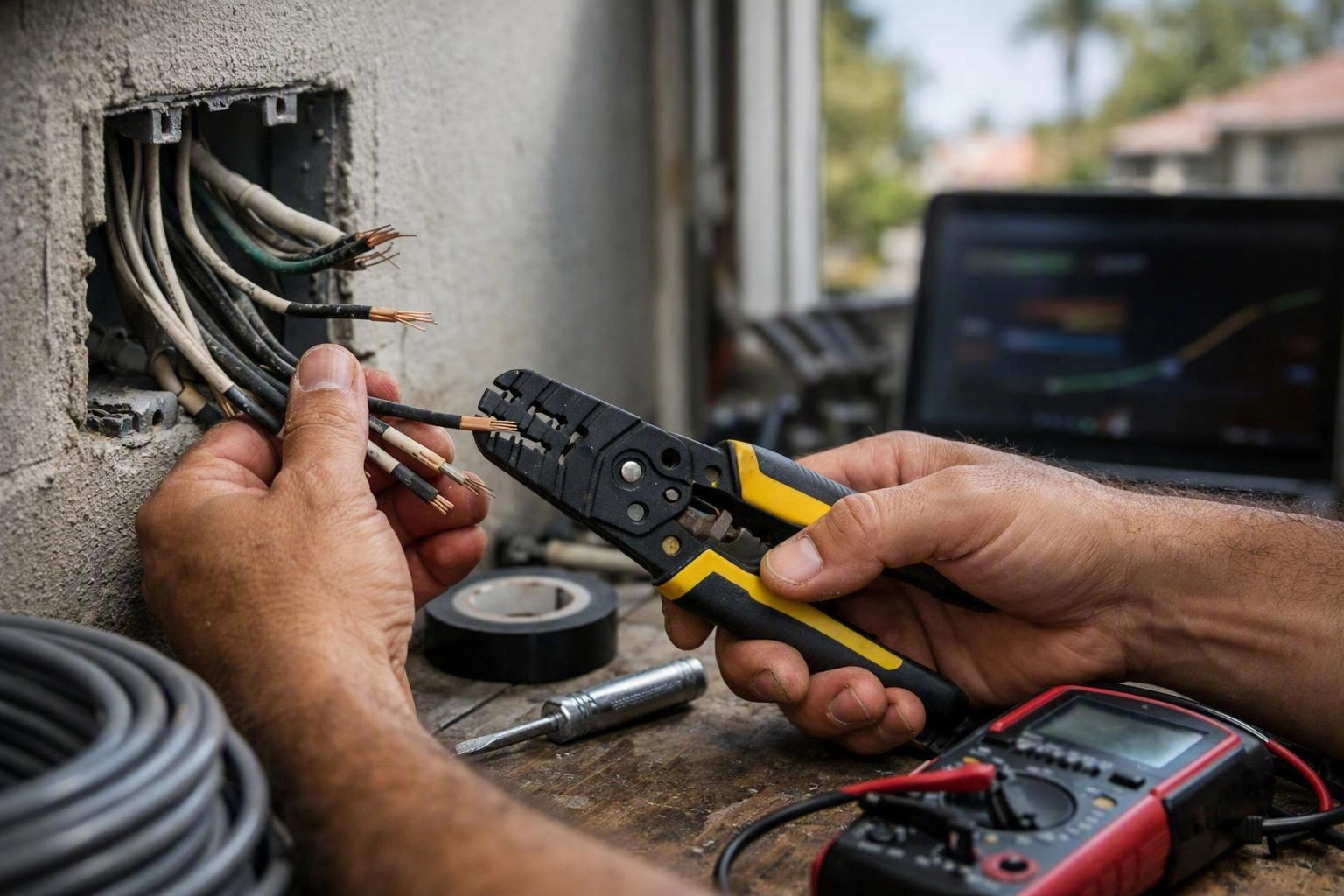
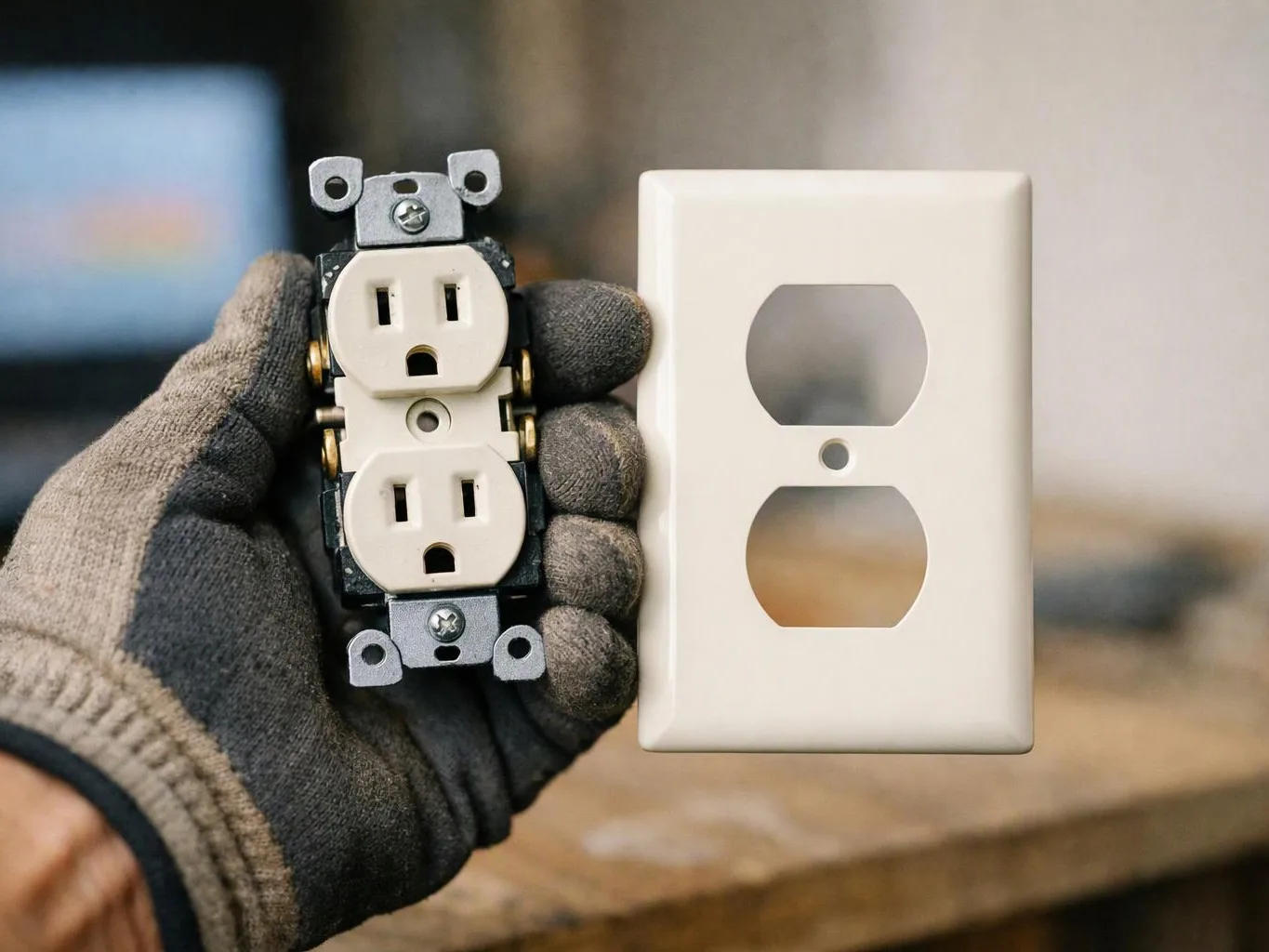
Our crew installs new cable where the scope requires it and replaces outlets or switches that are part of the rewiring plan. We keep access needs in view while routing cable through available wall and ceiling spaces.
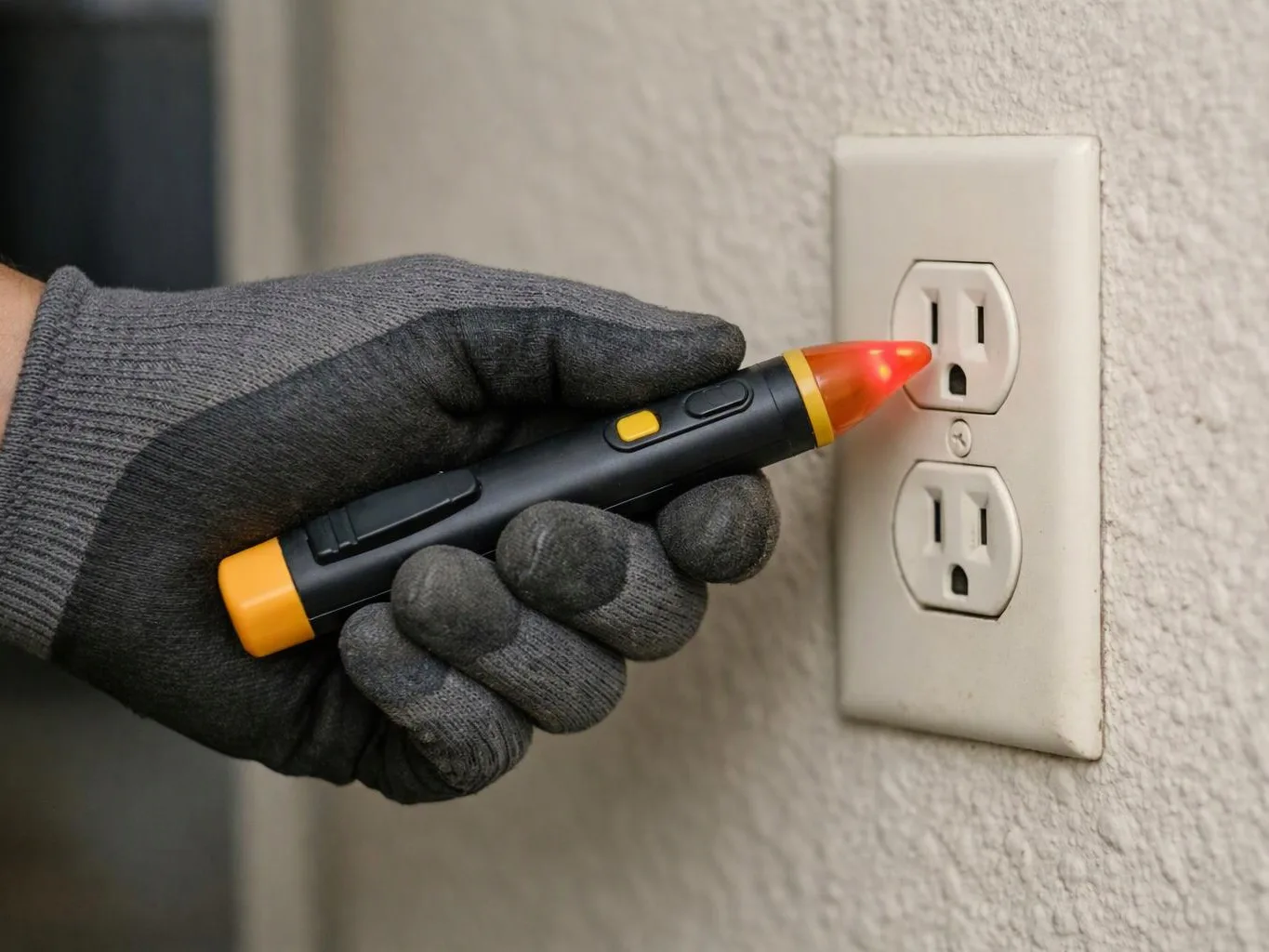
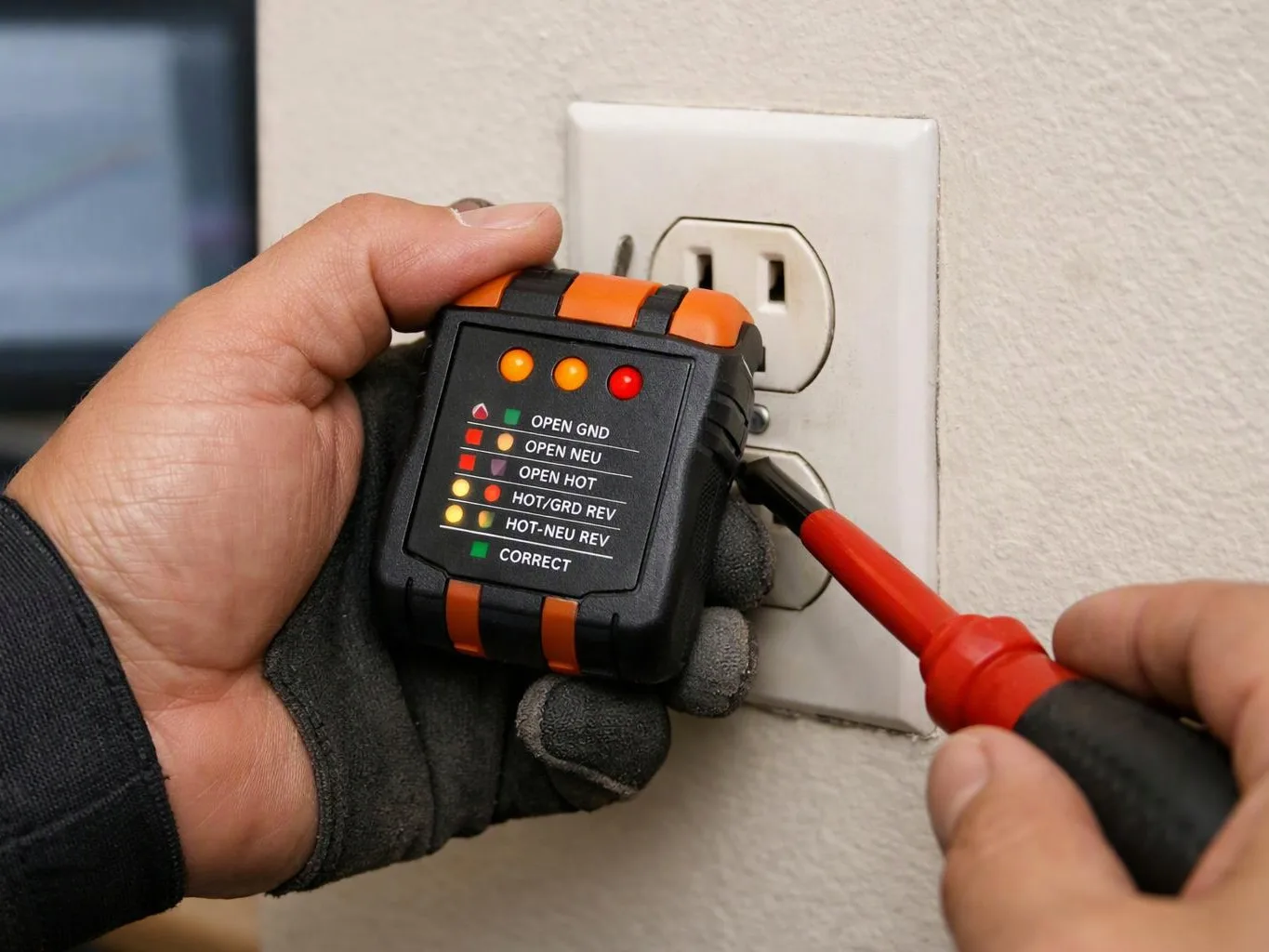
Electrical testing follows installation and connection work. We check circuit operation, grounding and circuit breakers before the system moves toward inspection and power restoration.
How We Check the Existing Electrical System
Electrical wiring is checked for condition, routing and safe connections before replacement work begins. We also inspect grounding and circuit breakers because these parts support electrical safety.
Overloaded circuits can indicate that the existing electrical system does not match the home’s current demands. Damaged wiring can require a change to the project scope, and we explain that change before completing the related work.
How We Handle Repairs Found During Rewiring
Electrical wiring repair addresses unsafe or failed parts found during the rewiring process. We correct faulty connections and damaged insulation before those conditions are covered or placed back into service.
Junction boxes must remain suitable for the connections they contain and accessible where required. We use the repair findings to protect electrical safety and keep the final circuit testing meaningful.
How Can You Prepare for House Rewiring?
Preparing the work area helps our crew reach the wiring and maintain a clear work sequence. You can ask questions about access and power interruptions before the project begins.
Household routines may need to change while rooms or circuits are being worked on. We explain the electrical work area and expected interruptions as part of the project plan.
How Do You Get a House Rewiring Plan?
A house rewiring plan comes from an on-site assessment of the wiring, access conditions, circuit requirements and inspection needs; Santa Ana Electrician uses those findings to explain the work sequence and provide a free estimate.
We review the existing electrical system, identify the required electrical work and define the project scope. The plan can include partial rewiring, full rewiring, electrical panel work, outlet rewiring or switch rewiring when those services fit the property.
Our team also explains cable routing, access to walls and ceilings, circuit testing and permit coordination. Requesting an assessment gives you a property-specific plan instead of relying on a universal duration.
To discuss your project, contact Santa Ana Electrician through our contact page.
Santa Ana Electrician provides Free Estimates Available for house rewiring planning.
Questions About Rewiring a House
Can a house be rewired one room at a time?
Yes, Santa Ana Electrician can plan partial rewiring one room at a time when the circuit layout, access and safety requirements support that sequence.
Can you stay in a house during electrical rewiring?
Yes, you may be able to stay in a house during electrical rewiring when the work sequence allows safe access and controlled power interruptions.
Does rewiring require removing walls?
Rewiring may require limited wall or ceiling access when existing cable routes cannot be used safely. We assess the surfaces and explain the access needed for the approved scope.
What happens if damaged wiring is found during rewiring?
Damaged wiring is documented and addressed through electrical wiring repair before the affected circuit is covered or returned to service.
Does an electrical inspection happen after house rewiring?
Yes, an electrical inspection may be required after house rewiring, depending on the project and local inspection requirements. We coordinate the inspection steps and complete circuit testing before power restoration.
Santa Ana Electrician can assess your house wiring, explain the project scope and prepare a rewiring plan based on access, circuit needs and inspection requirements.
Related Resources
Home Generator Installation: Cost, Timeline, and What the Electrician Handles
How to HireHow to Choose an Emergency Electrician: Questions to Ask Before Hiring
How It WorksHow Dedicated Circuit Installation Works and What It Costs
How It WorksElectrical Safety Inspections: Cost, Timing, and What the Electrician Checks