How to Recognize and Respond to a Short Circuit
Short circuit warning signs include sparks, burning odors, heat, buzzing, smoke, or a breaker that trips repeatedly. Turn off power if you can do so safely, avoid touching damaged wiring, keep clear of smoke or fire, and call Santa Ana Electrician to locate and repair the fault.
Get a Free Estimate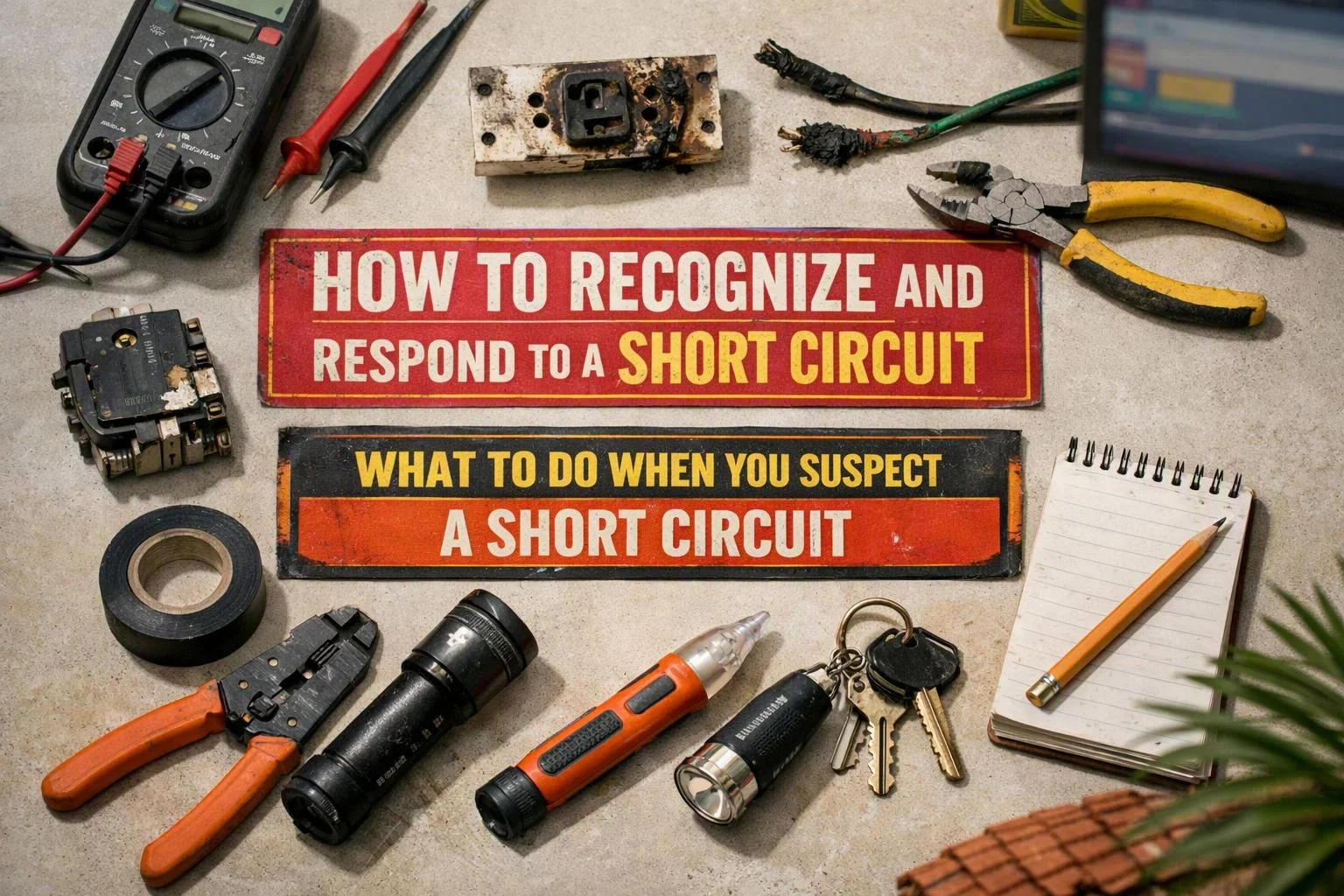
What Is a Short Circuit?
A short circuit is an electrical fault that creates an unintended low-resistance path between conductors. Electrical current then follows that path instead of moving through the intended electrical wiring and connected load.
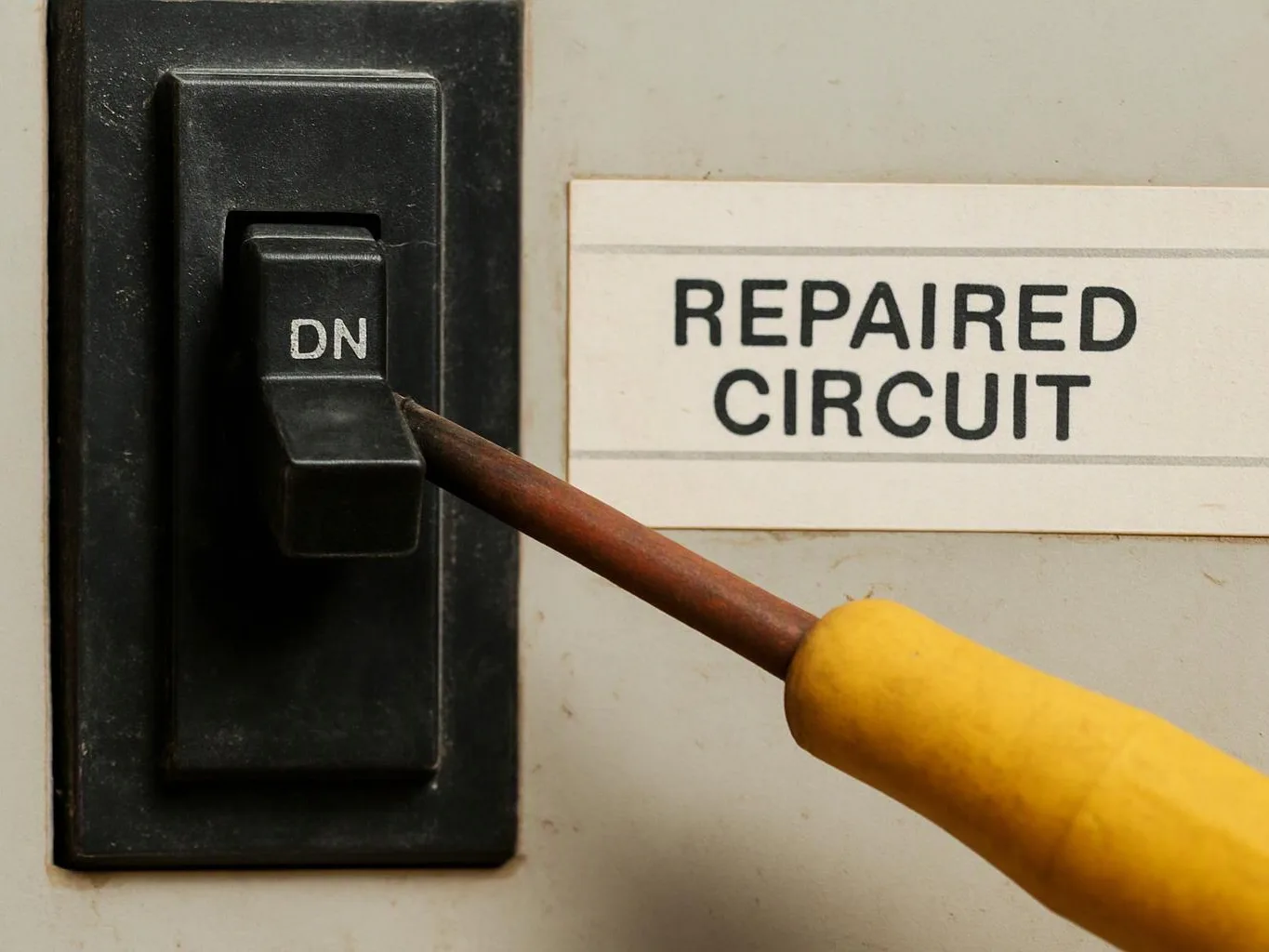
A circuit breaker is designed to interrupt unsafe current when a fault occurs. We trace the affected circuit, inspect its conductors, and identify the wiring problem before we discuss repair options.
What Are the Warning Signs of a Short Circuit?
Short circuit warning signs include sparks, burning smells, smoke, unusual heat, buzzing, flickering, and a breaker that trips repeatedly.
These signs can point to an electrical hazard behind a wall, outlet, switch, or appliance. Our team uses the symptoms to guide a careful wiring inspection.
What Should You Do When You Suspect a Short Circuit?
When you suspect a short circuit, move away from danger, switch off the affected circuit only if it is safe, and avoid touching damaged electrical components.
Electrical safety comes first when smoke, fire, exposed wire, or strong heat is present. If the main electrical panel is unsafe to reach, leave the area and use emergency response services for smoke or fire.
How Is a Short Circuit Different From a Circuit Overload?
A short circuit creates an unintended low-resistance path, while a circuit overload occurs when connected equipment draws more current than the circuit is designed to carry.
The two problems can both trip a circuit breaker, but the inspection approach differs. We check the current path, connected electrical load, wiring, and power strip use to separate a fault from an overload.
| Condition | What happens | What we check |
|---|---|---|
| Short circuit | Current takes an unintended low-resistance path through damaged wiring, a device, or a connection. | We isolate the fault and test conductors, insulation, devices, and connections. |
| Circuit overload | The connected electrical load exceeds what the circuit can safely carry. | We review connected equipment, outlet use, power strips, and circuit capacity. |
What Commonly Causes a Short Circuit?
Common short circuit causes include damaged insulation, loose connections, moisture, exposed conductors, and defective electrical devices.
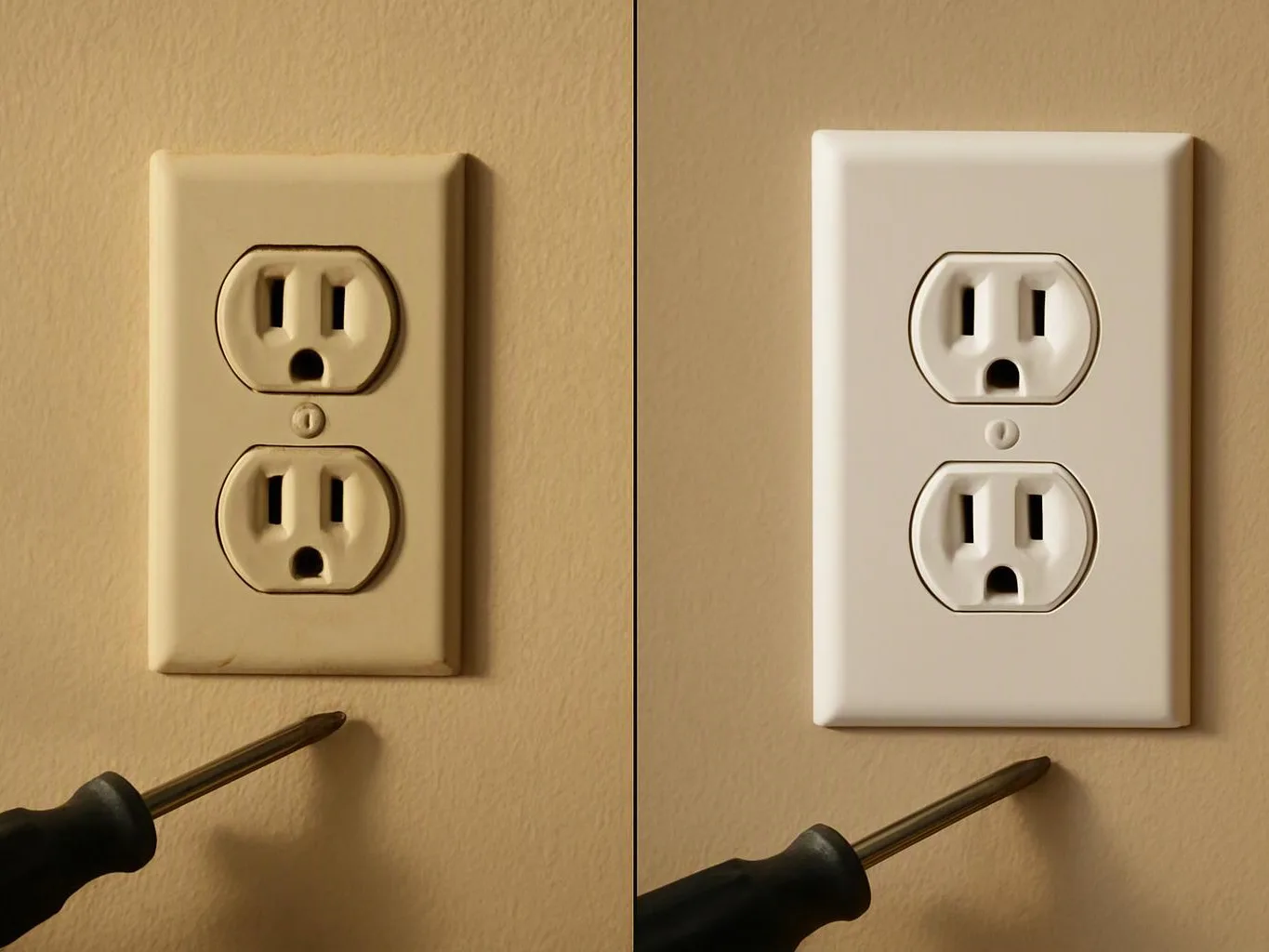
These conditions can develop inside a receptacle, junction box, switch, appliance, or section of electrical wiring. We inspect the affected components and trace the fault to its source.
How Can You Help Prevent Short Circuits at Home?
You can help prevent short circuits by replacing damaged cords, keeping electricity away from moisture, avoiding overloaded outlets, and arranging electrical repairs when warning signs appear.
Routine electrical maintenance helps reveal wear before it becomes an emergency. We can inspect unsafe conditions and explain which repairs support safer operation.
What Should You Inspect After a Short Circuit?
After a short circuit, the affected outlet, switch, wiring, connected device, and electrical panel should be inspected before power is restored.
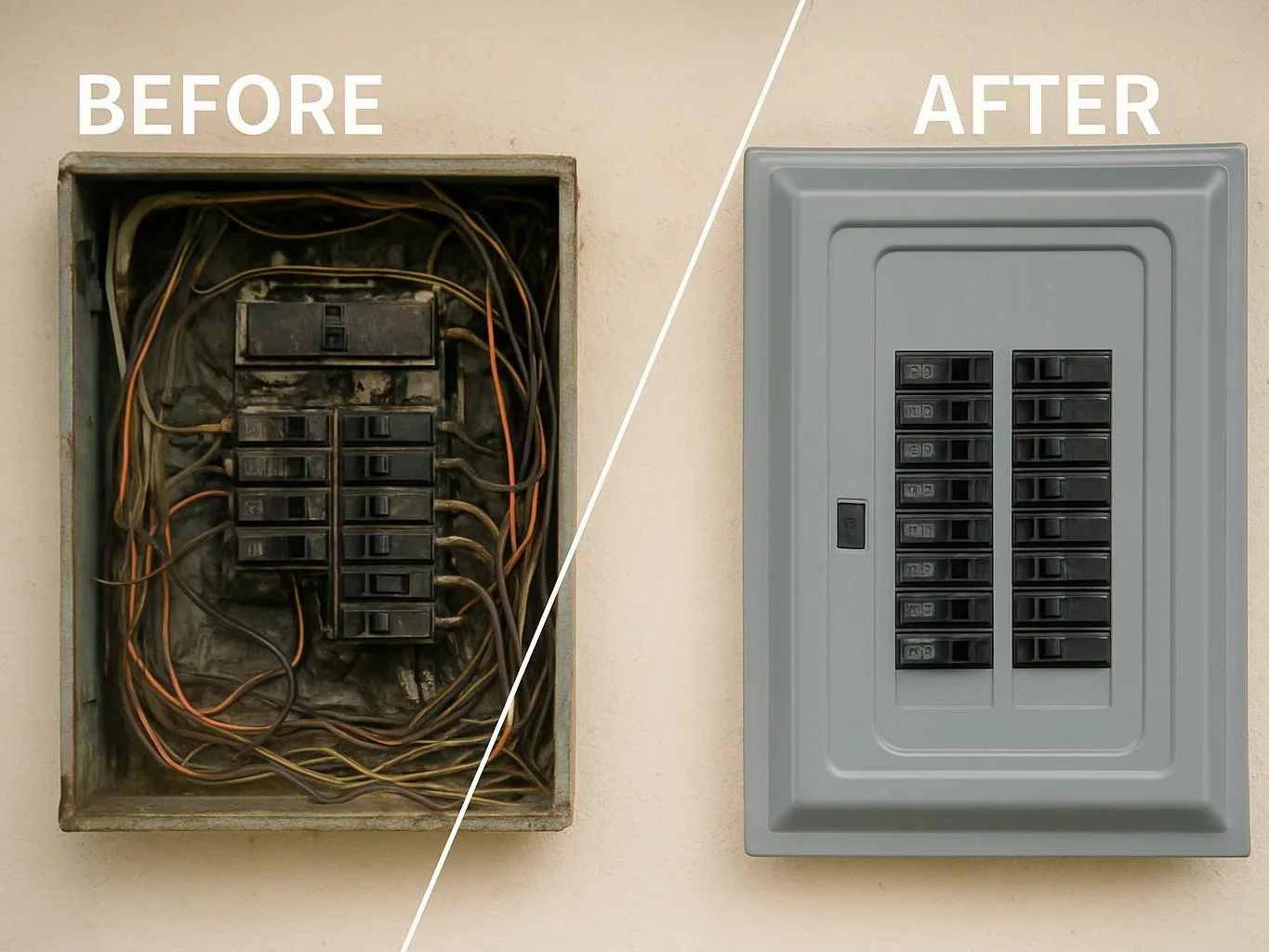
Look for soot, melted plastic, loose parts, damaged insulation, heat marks, and fire damage. We inspect the circuit breaker and connected appliance, then test the circuit so power restoration does not hide an unresolved fault.
How We Locate and Repair Short Circuit Damage
Short Circuit Repair begins with fault isolation, so we can separate the affected branch from safe parts of the system. We review the electrical panel, circuit devices, wiring routes, and connected loads.
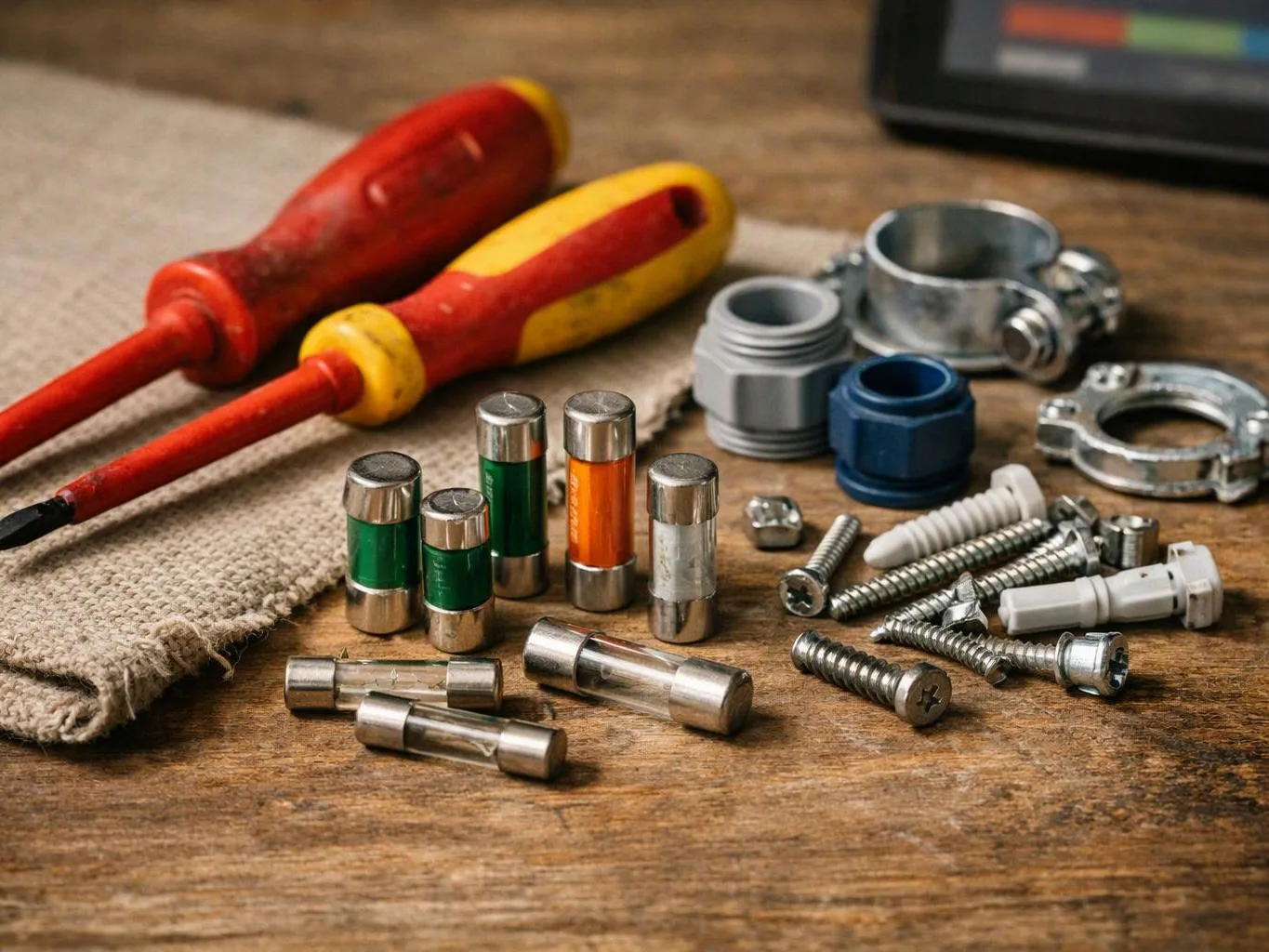
Our team uses continuity testing and voltage testing to check for unwanted connections and unsafe energized parts. We then complete the needed wiring repair, replace damaged components, and perform circuit testing before discussing safe power restoration.
When the fault involves deteriorated or unsafe conductors, our Electrical Wiring Repair work addresses the damaged section and its connections.
When Should You Call Santa Ana Electrician?
Call Santa Ana Electrician when a breaker keeps tripping, wiring shows heat or damage, smoke or sparks appear, or you cannot safely identify the electrical fault; Free Estimates Available.
We inspect unsafe wiring, identify the source of electrical damage, and explain what the repair includes. The work may involve Short Circuit Repair, Electrical Wiring Repair, device replacement, or circuit testing based on the fault.
Request an electrical estimate through our contact page so we can review the problem and outline the appropriate repair.
Questions About Short Circuits
Can a tripped breaker indicate a short circuit?
Yes, a tripped breaker can indicate a short circuit, but it can also signal a circuit overload or another electrical fault. Santa Ana Electrician tests the affected circuit to identify the cause.
Is a short circuit dangerous if the breaker resets?
Yes, a short circuit can remain dangerous even if the breaker resets. Heat, damaged insulation, or an unsafe connection may still be present, so avoid repeated resets and arrange an inspection.
Should I unplug an appliance after a short circuit?
Unplug an appliance only when the plug, cord, outlet, and surrounding area are dry and safe to touch. Leave damaged or hot equipment alone and switch off power only when you can do so safely.
Can water cause a short circuit?
Yes, water can create an unwanted path between energized parts and cause a short circuit. Keep away from wet electrical equipment, shut off power only when safe, and arrange an inspection before reuse.
Why does the same breaker keep tripping?
The same breaker may keep tripping because of a short circuit, circuit overload, damaged wiring, moisture, or a faulty connected device. We isolate the circuit and test its components to locate the cause.