Should carbon monoxide detectors be interconnected?
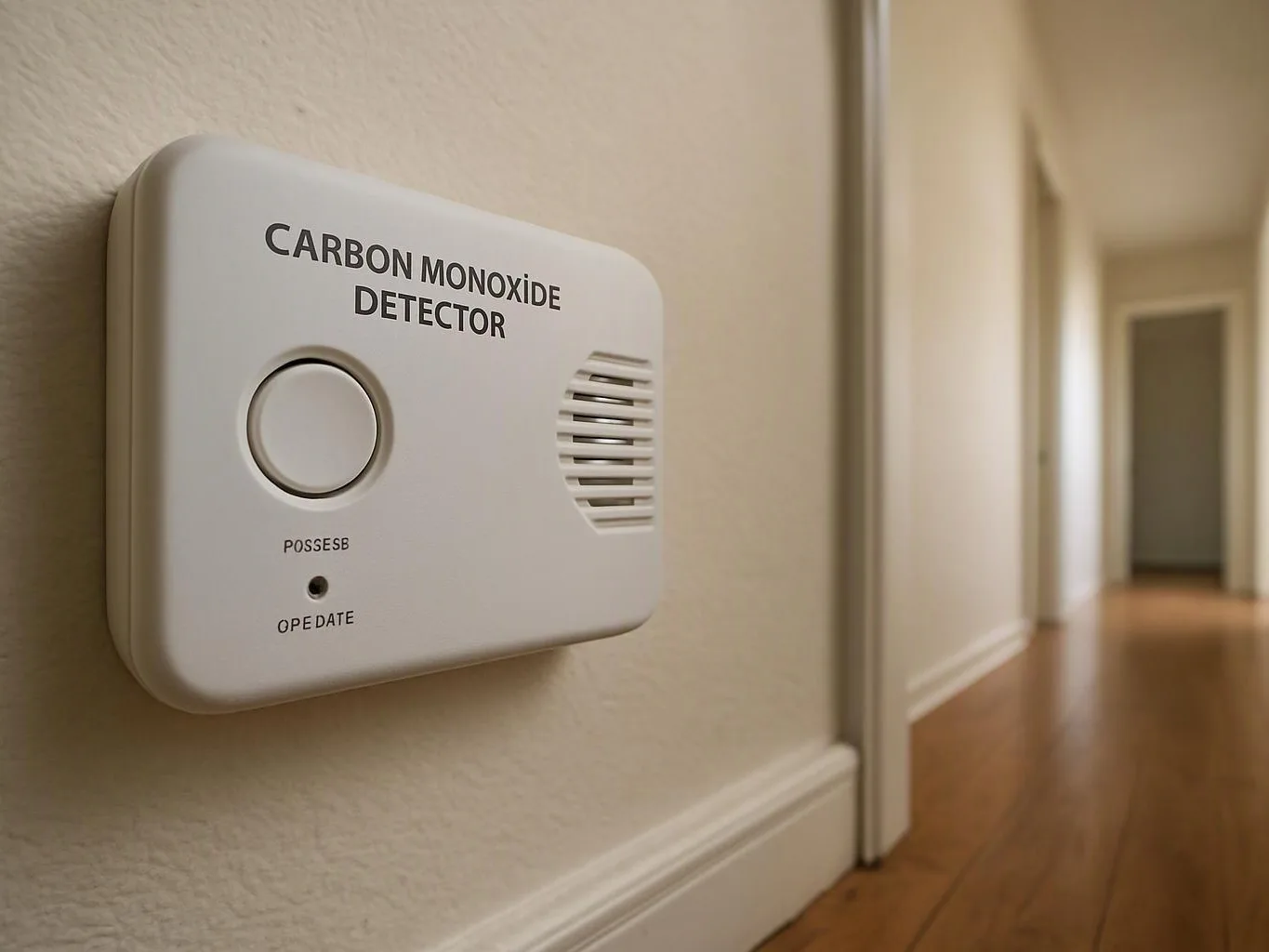
Wireless connection is a good choice when connected alarms should communicate without adding new cable runs. The property layout, detector compatibility, and signal path still need review. Hardwired units may fit buildings with suitable wiring, while battery backup supports continued operation during power loss. Santa Ana Electrician checks the setup and tests the alarm signal after installation.
What should be checked before installation is scheduled?
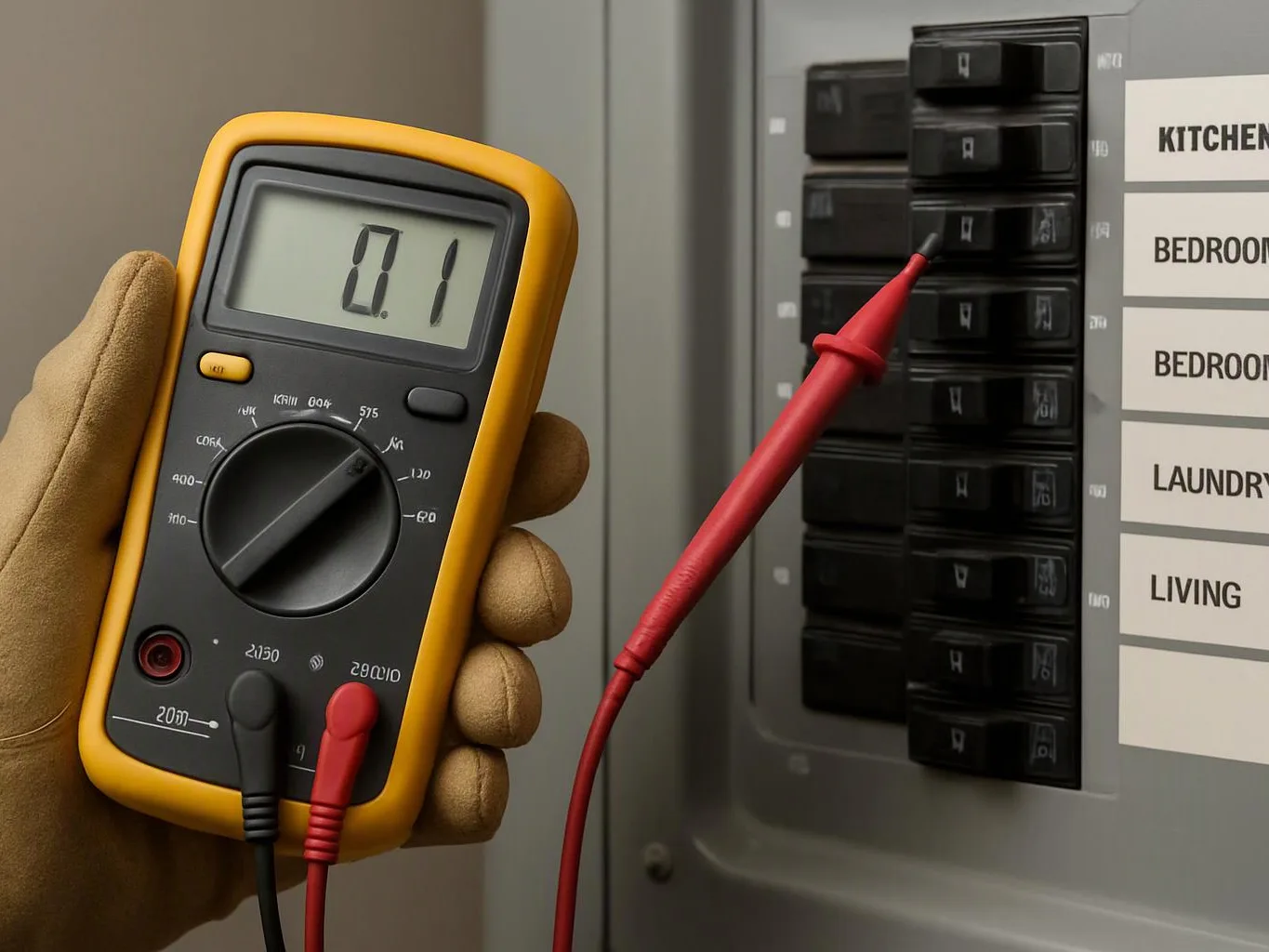
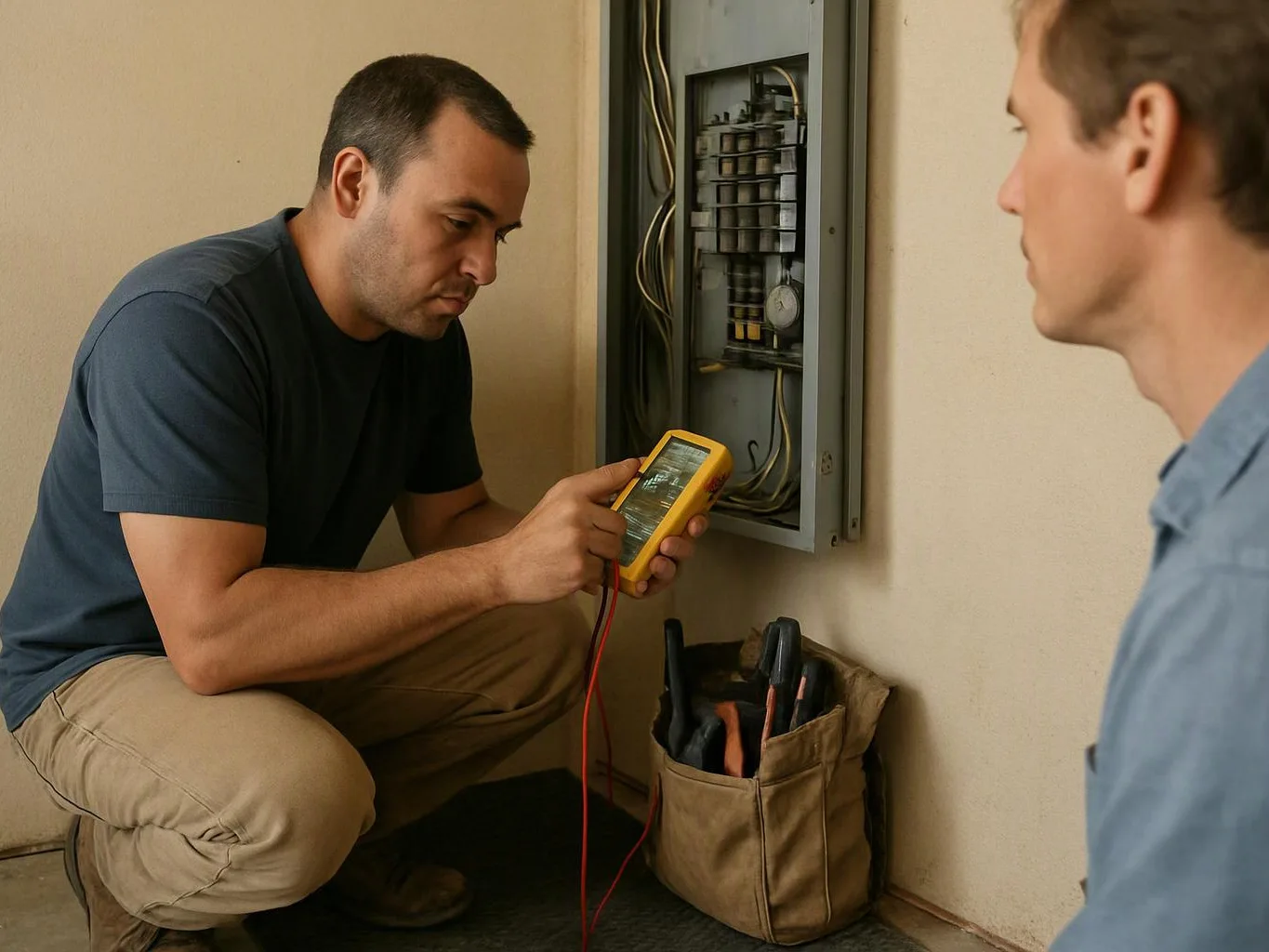
Detector locations, access, power sources, unit compatibility, and alarm paths should be checked first. A property manager should also identify occupied areas that need linked warnings. We review those details before setting the work scope. The assessment helps separate detector installation from electrical repairs involving outlets, breakers, or panels.
Who is a good fit for connected detector installation?
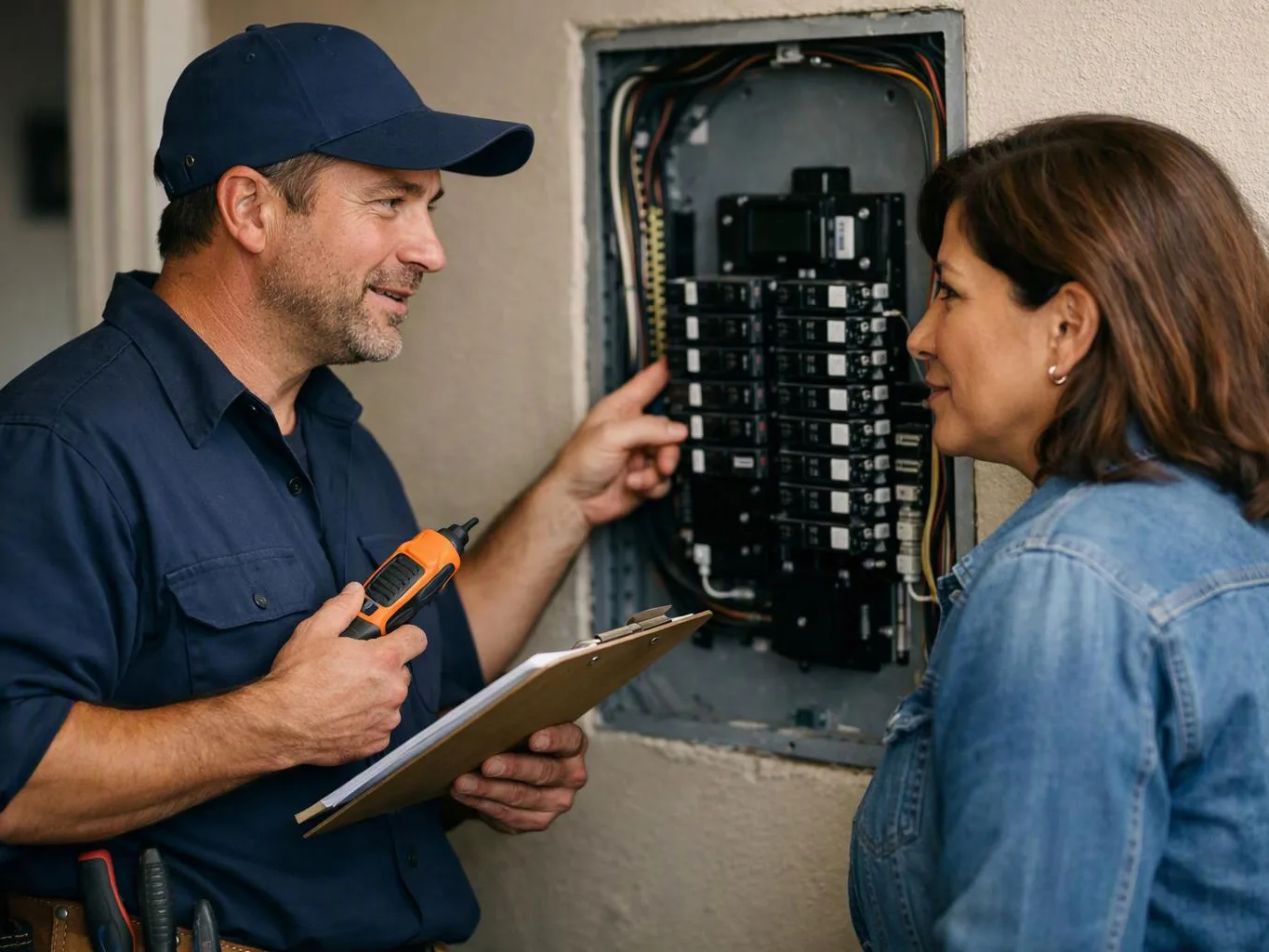
Homeowners, landlords, businesses, and property managers are good fits when they need linked carbon monoxide alarms. Buildings with a faulty circuit, damaged wiring, or a burning smell need electrical troubleshooting first. We can assess the electrical condition and explain whether detector installation or repair should come first.
What happens at each stage of the installation?
The work starts with a location and access review, then moves to connection and power checks. We mount compatible detectors, connect the alarm signal, and test communication between units. The final discussion covers battery backup and the limits of the selected setup. This gives the owner a clear record of what was checked.
Which part of the job changes the estimate?
Access, wiring needs, detector locations, equipment compatibility, and the chosen connection method change the estimate. Wireless units may require signal checks, while hardwired units may require access to existing electrical wiring. Santa Ana Electrician reviews those conditions and provides a free estimate based on the actual scope.
When should a detector setup be reviewed?
A detector setup should be reviewed when alarms do not communicate, units lose power, or a property layout changes. New rooms, rental turnover, and business remodeling can affect detector locations and signal paths. We inspect the affected areas, check the connection, and explain the needed installation or separate electrical repair.
Why might hardwired units need battery backup?
Hardwired units may need battery backup so detection continues during a loss of normal electrical power. The selected equipment and existing wiring determine how the setup is installed. We check the power source, connect the backup where supported, and test the alarm signal before completing the work.