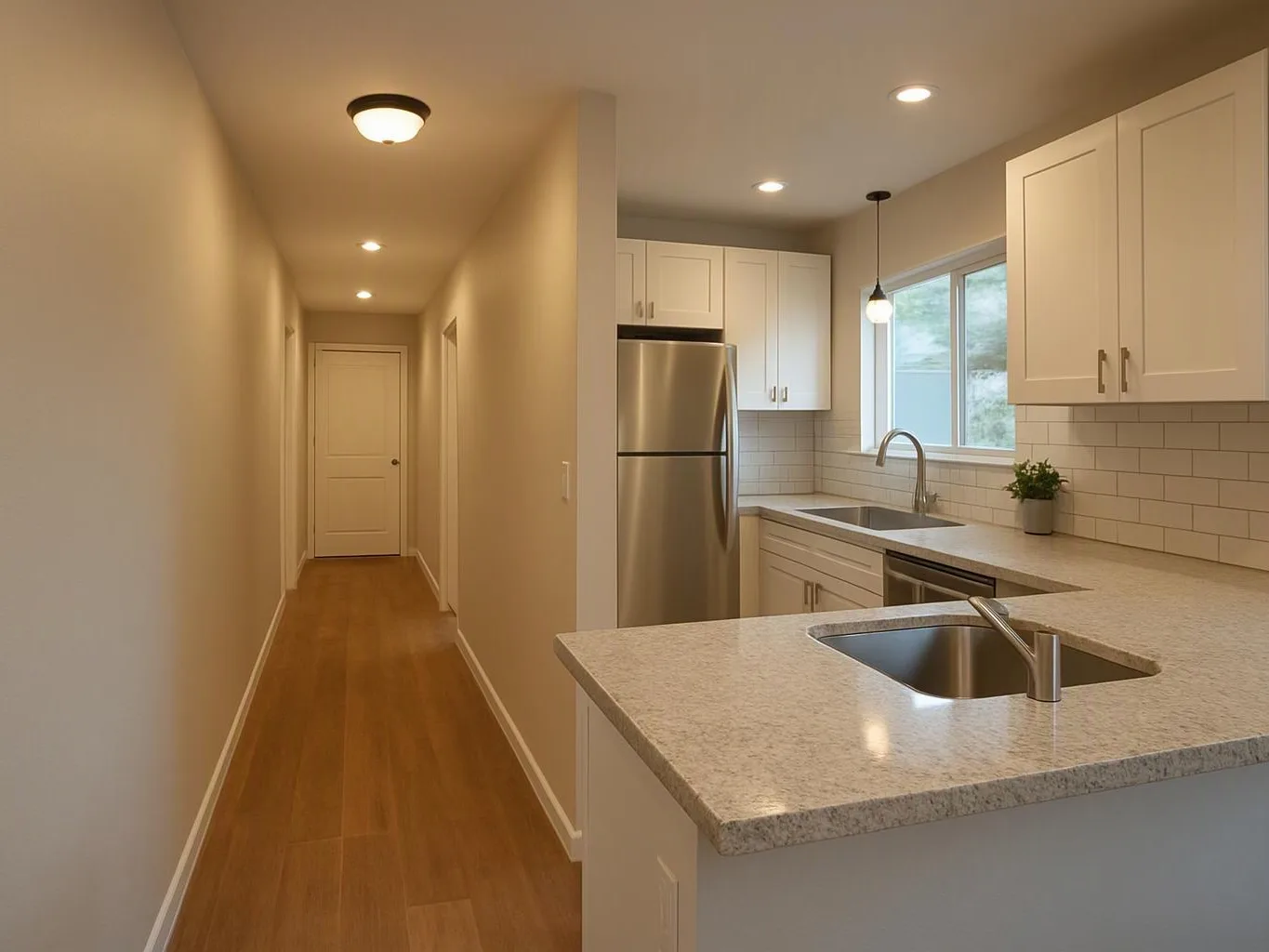
Assess the installation point
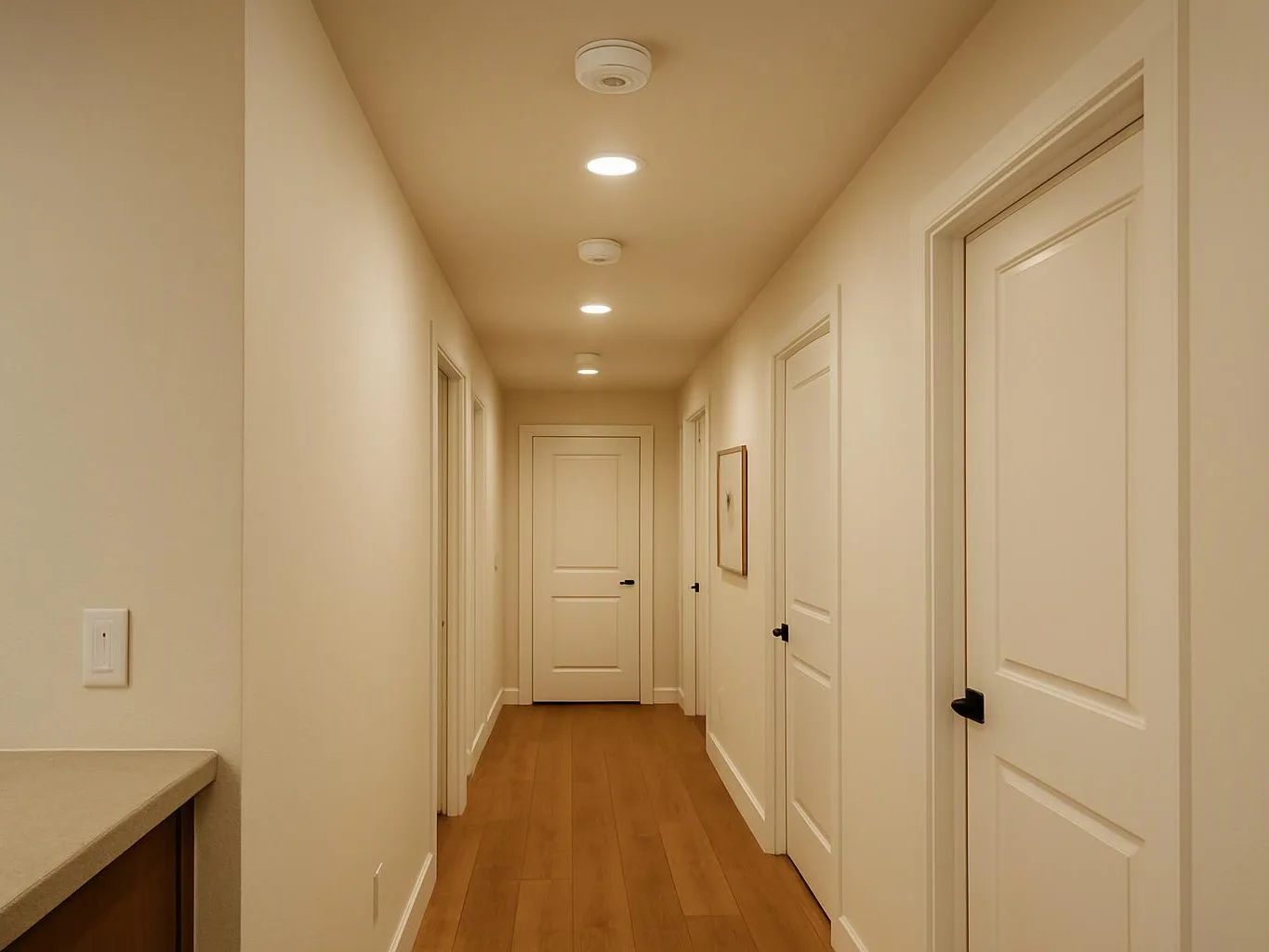
We inspect the room, wall or ceiling surface, nearby power source, and access route. This helps us choose a practical location and identify wiring work.
We install carbon monoxide detectors for homes, rentals, businesses, and managed properties. Our licensed and insured electricians check the electrical connection and test the finished installation.
A tested detector gives occupants an active warning device for carbon monoxide.
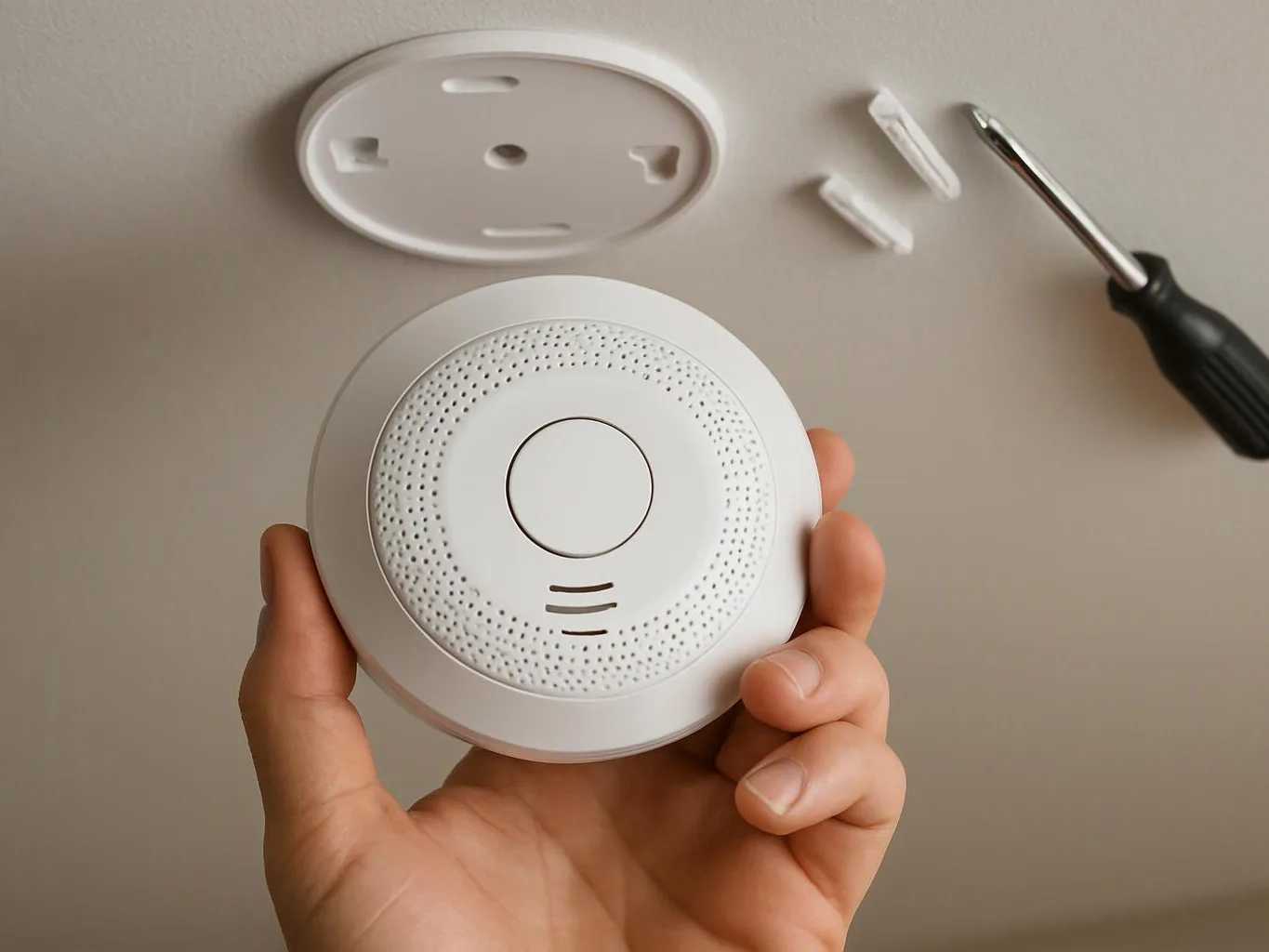
Secure mounting keeps the detector in its intended position after installation.
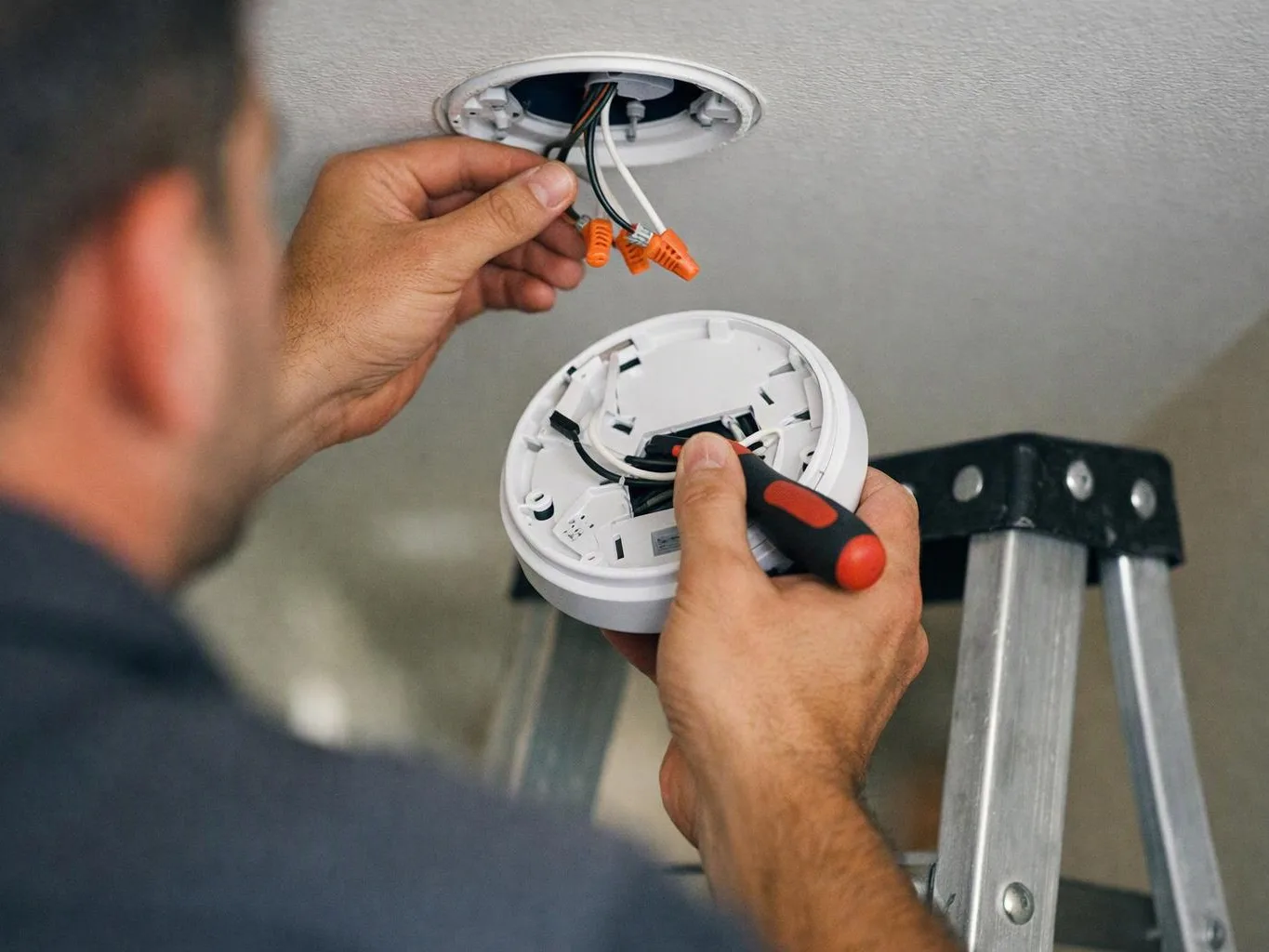
A power and wiring check helps identify faults that could silence the device.
Clear operating guidance helps property managers and occupants respond to test alerts.
Carbon monoxide detector installation is an electrical service that mounts, powers, and tests a device that warns of carbon monoxide.
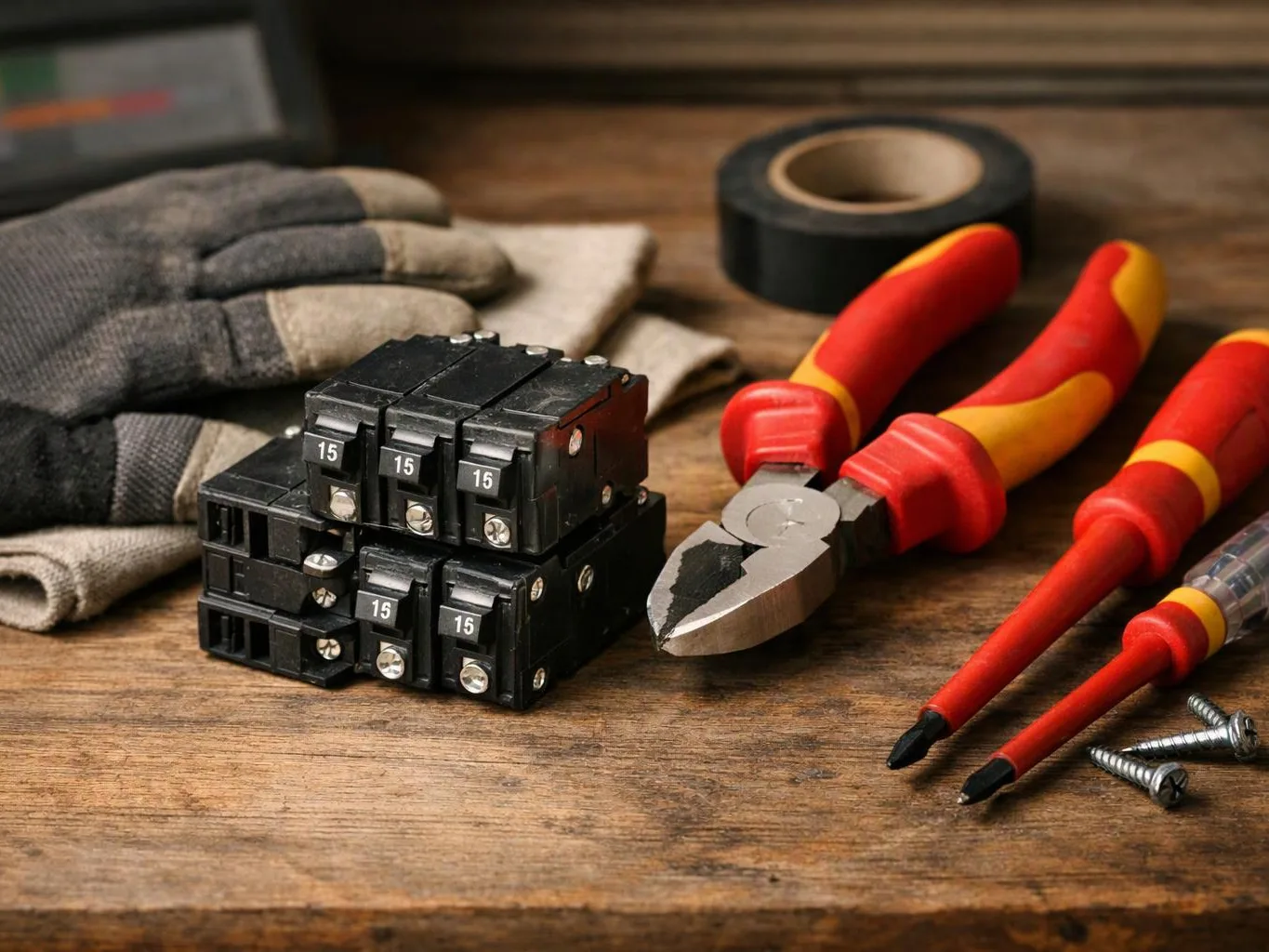
We begin with an assessment of the property and the proposed detector location. The work may include surface mounting, wiring checks, battery placement, and a functional test. The right setup depends on the room, the power source, and the type of detector selected. We explain whether the job needs a new circuit, an existing outlet, or a replacement device. We don't name a product brand without reviewing the property and customer needs. Costs rise when wiring is hard to reach, a new circuit is needed, or several locations require work. Budgets are often wasted when a detector is mounted without checking its power source or when a device is replaced before the cause of a fault is known. We assess the electrical issue first, then provide an estimate for the actual scope.
We inspect the room, wall or ceiling surface, nearby power source, and access route. This helps us choose a practical location and identify wiring work.
We test the existing connection and trace faults before mounting the detector. If the supply is unsuitable, we explain the needed electrical work.
We secure the detector to the selected surface and connect it according to its design. We keep the work area orderly during the installation.
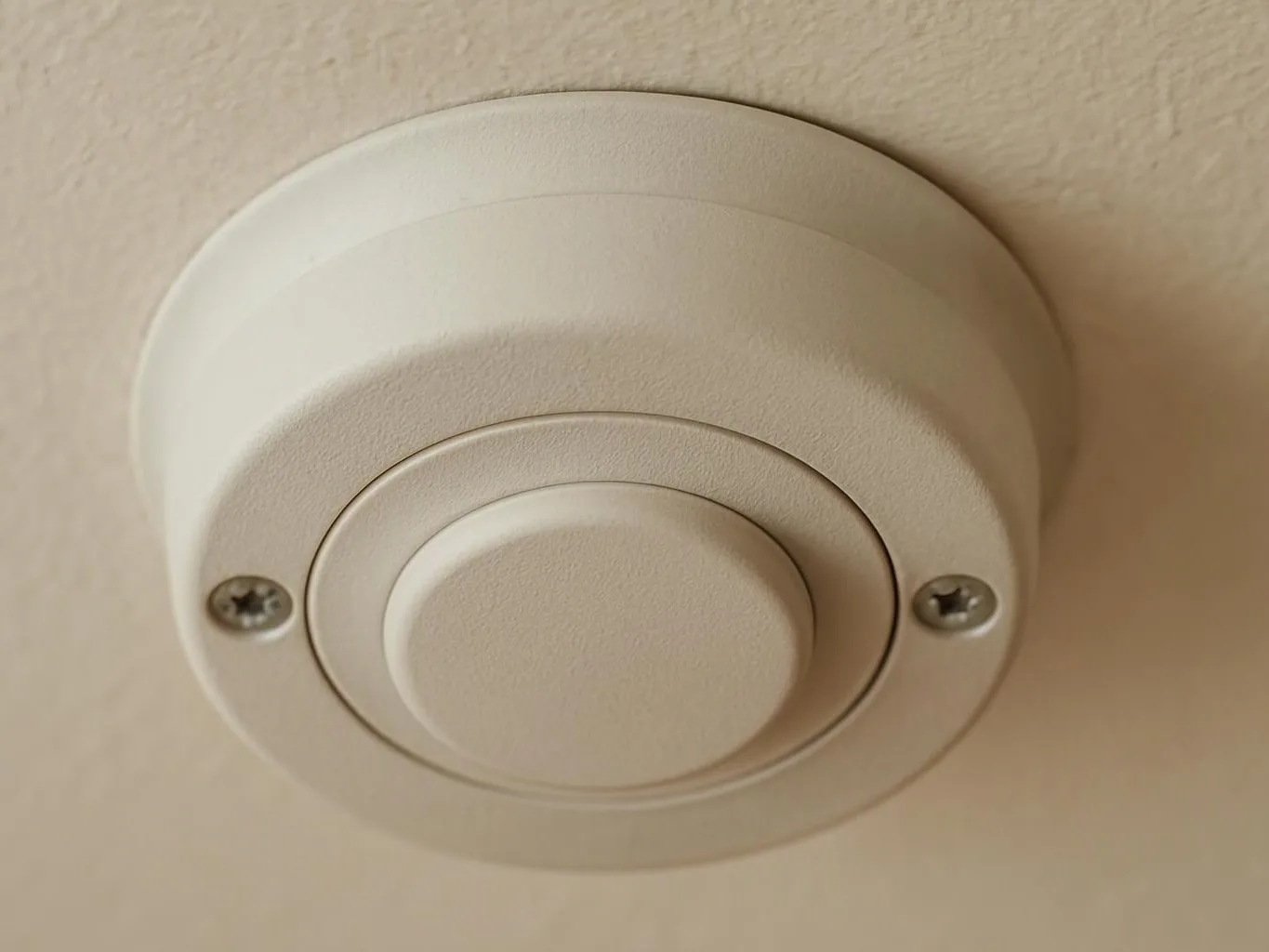
We test the detector, confirm its power indicator, and check the connection. We also explain the test control and basic care.
A few details help us assess the work and prepare the right installation plan.
We assess the mounting point, power source, and detector condition before beginning carbon monoxide detector installation.
We trace detector power faults systematically, then test the connection and device response after installation.
We explain the recommended detector location, wiring scope, test control, and care steps before finishing the work.
Request an estimate for your detector installation and receive clear next steps. Urgent requests get priority scheduling.
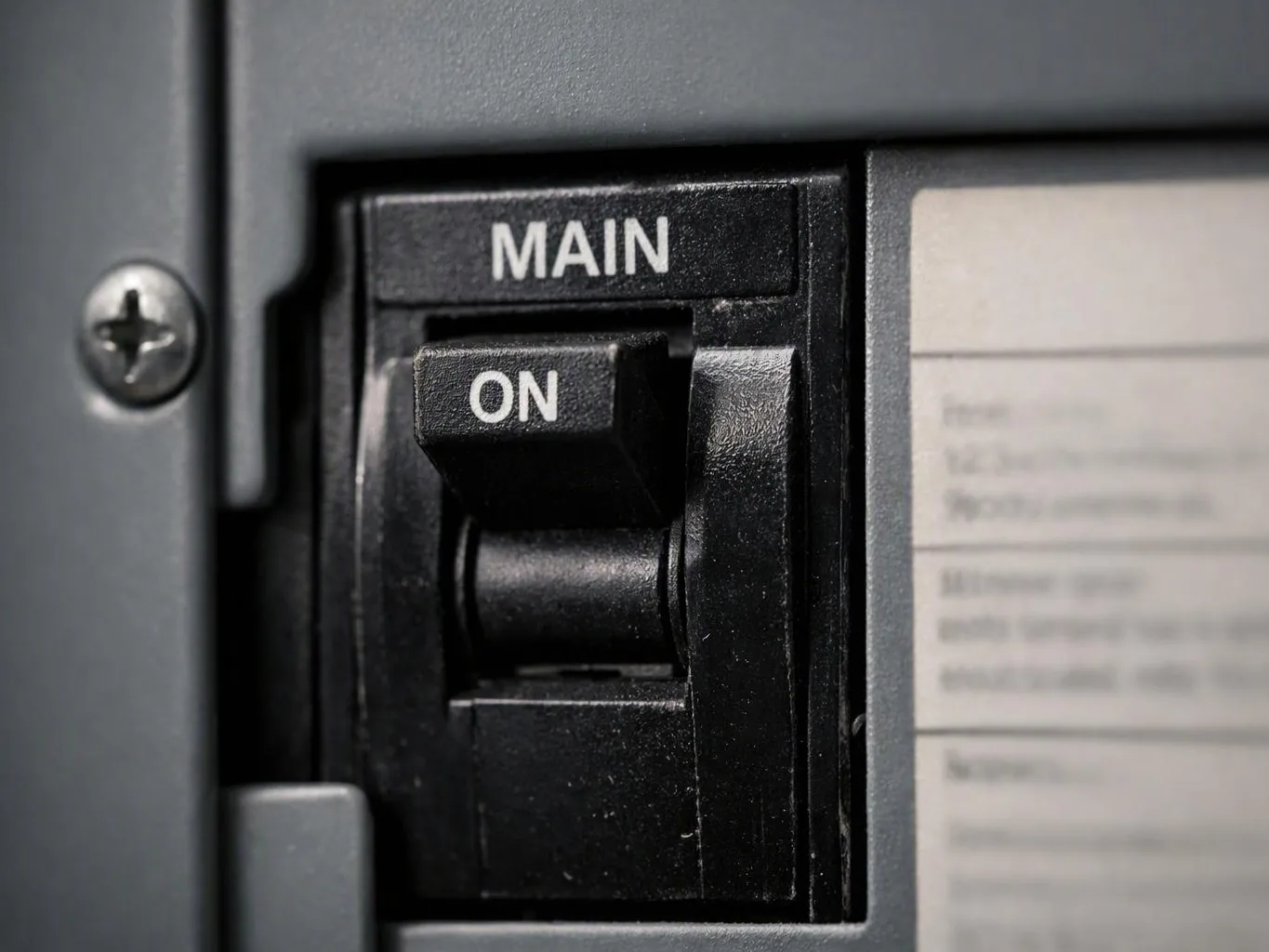
A landlord may need a detector added before a tenant moves into a property. The job depends on the room layout, mounting surface, and available power source. We inspect the proposed location, check the electrical connection, and explain the installation scope before work begins. A property manager can also arrange access for more than one unit.
A chirping detector doesn't always mean the device itself needs replacement. Low battery power, a failed connection, or an aging sensor can produce similar signs. We assess the detector and its supply, then explain whether installation, replacement, or electrical repair fits the finding. If an alarm sounds, occupants should leave first and seek immediate safety help.
A business may add a room or change how a space is used, which can create a need for another detector. The mounting point must suit the room and the device must receive steady power. We review access, wiring, and the proposed layout, then provide a free estimate that matches the work required.