Can dedicated wiring prevent problems from overloaded wiring?
Yes, dedicated wiring can reduce shared-load problems when the circuit matches the equipment demand. We first check the panel, breaker, wire route, grounding, and connections. A separate circuit won't correct a damaged panel, faulty service entrance, or defective equipment. Those issues need diagnosis before the circuit plan is set.
What does the crew look at first during this installation?
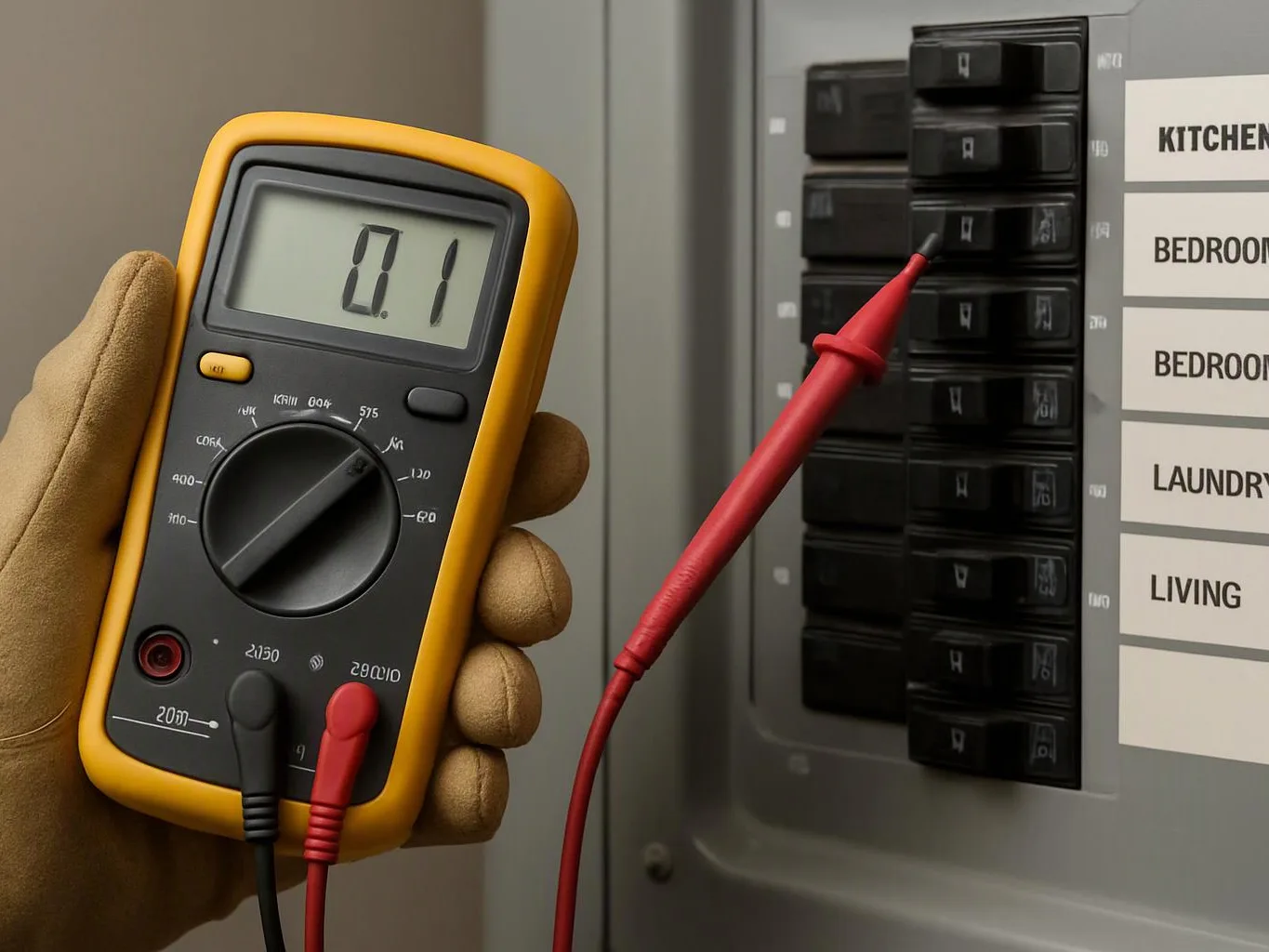
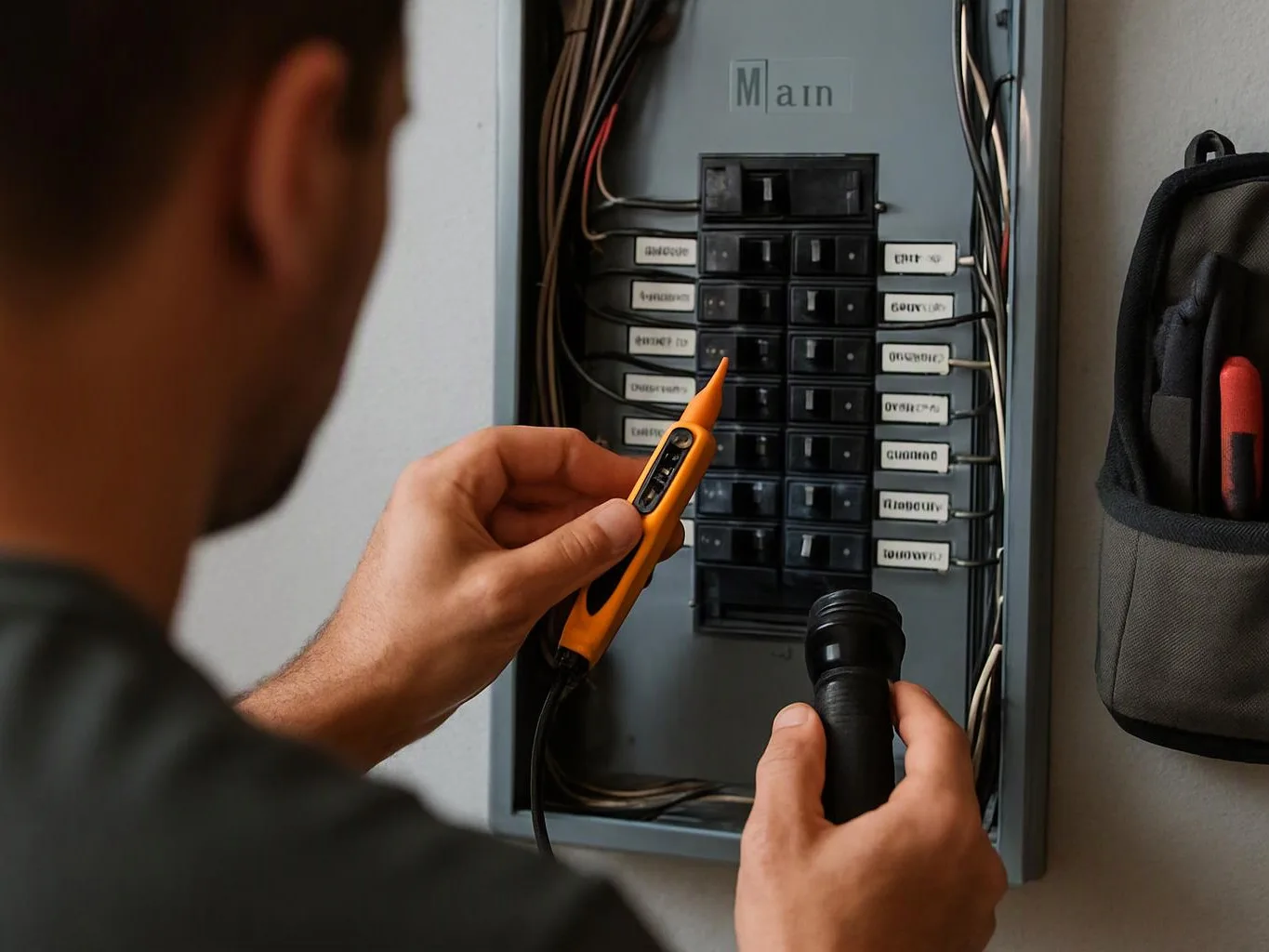
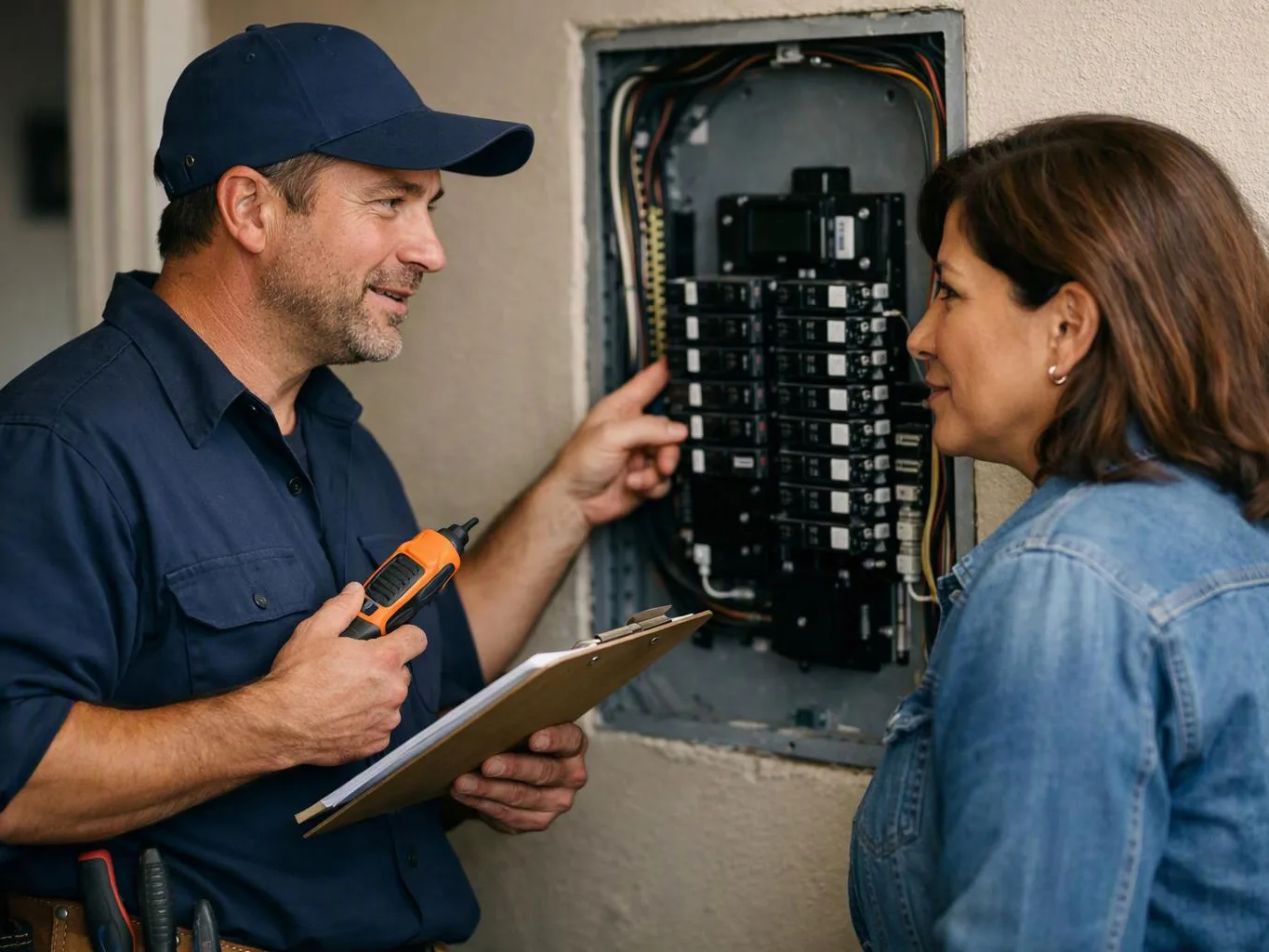
The panel and existing circuit are checked first. We review breaker space, circuit routing, grounding, wire condition, and the equipment load. Customers should share any breaker trips, flickering lights, warm switches, or dead outlets they have noticed. Those details help us separate a capacity issue from a wiring fault.
How does the installation move from inspection to testing?
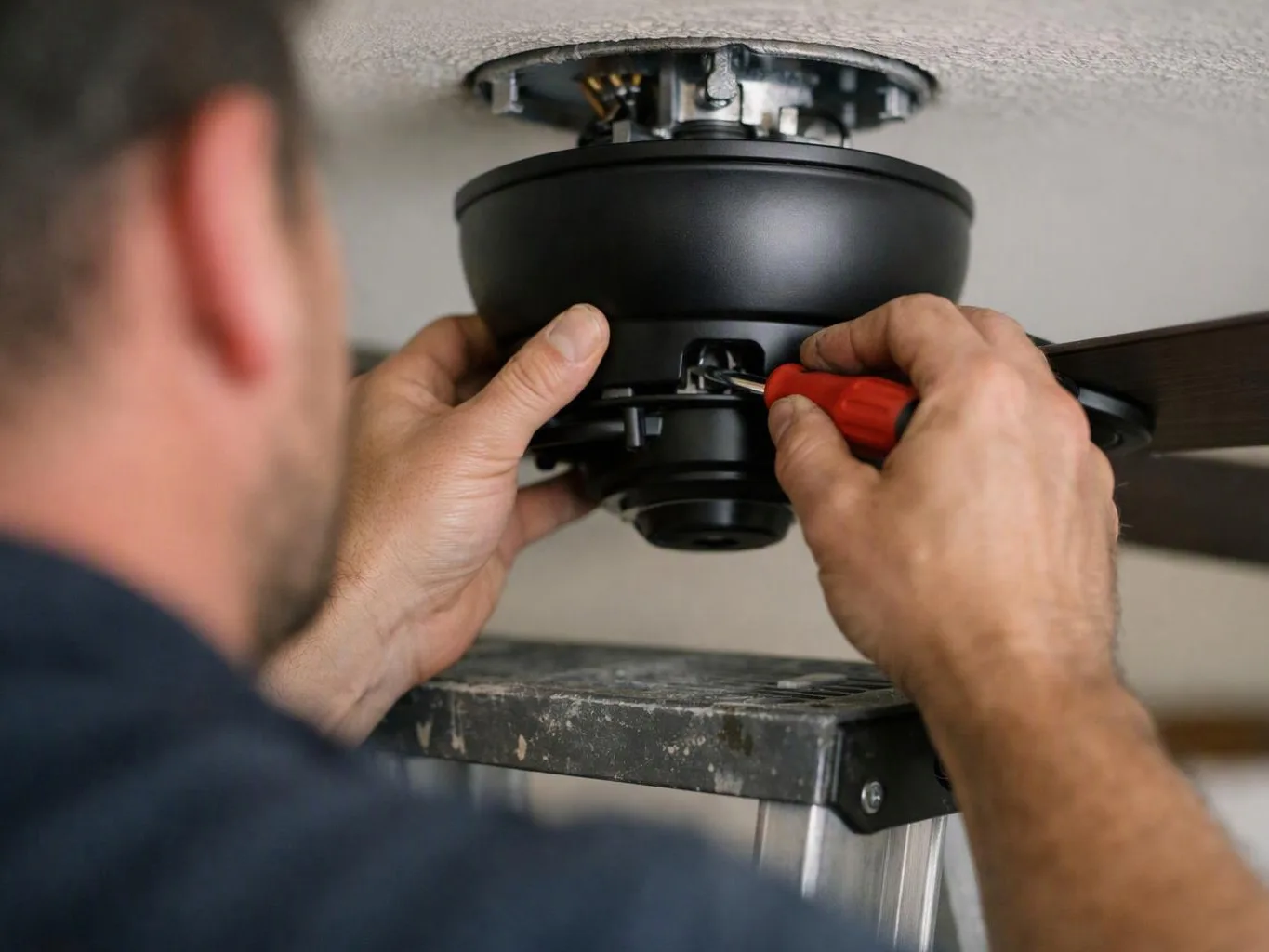
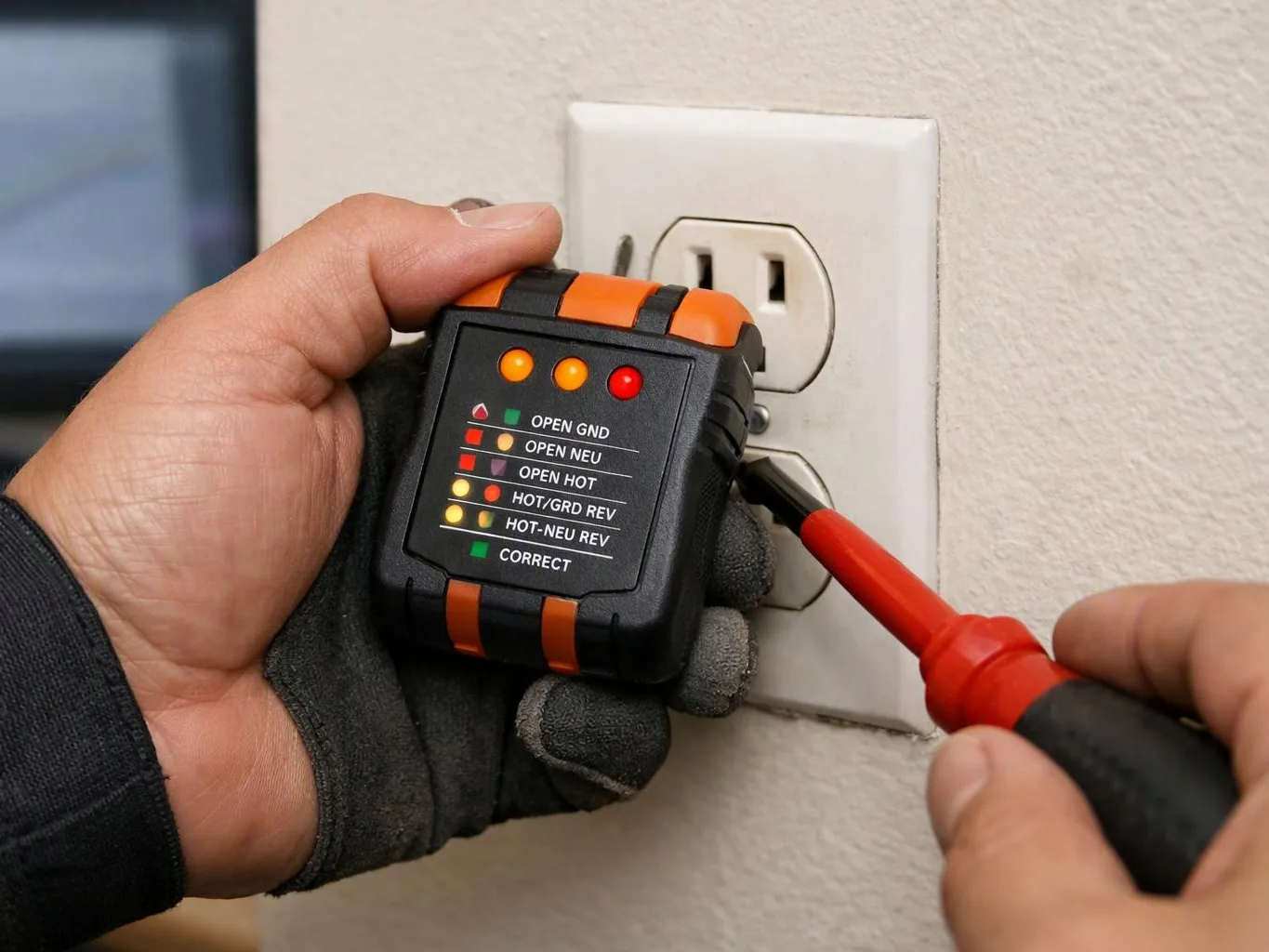
The work moves from load review to panel inspection, route planning, wiring, connections, and final testing.
Which panel conditions can change the installation scope?
Panel space, breaker compatibility, damaged wiring, grounding problems, and limited service capacity can change the installation scope. We inspect those conditions before quoting the work. If the panel cannot support the added demand, a panel upgrade or service entrance work may be needed before the circuit is installed.
When should a customer request a circuit assessment?
A circuit assessment is appropriate when equipment causes breaker trips, flickering lights, warm switch plates, dead outlets, or repeated loss of power. We check the affected circuit and isolate the cause before recommending work. Stop using any outlet with smoke, scorching, sparking, or a burning smell.
Why can a new circuit fail to solve the electrical problem?
A new circuit may not solve the problem when the panel, service entrance, equipment, or existing wiring has a separate fault. We test the affected system before installation and explain what the circuit can address. A dedicated circuit handles load separation, not every electrical repair.
What should be checked before installation is scheduled?
The equipment load, panel condition, breaker space, wiring route, access, and grounding should be checked first. Customers should identify the equipment location and describe any power symptoms. We use that information to define the circuit scope and provide a free estimate.