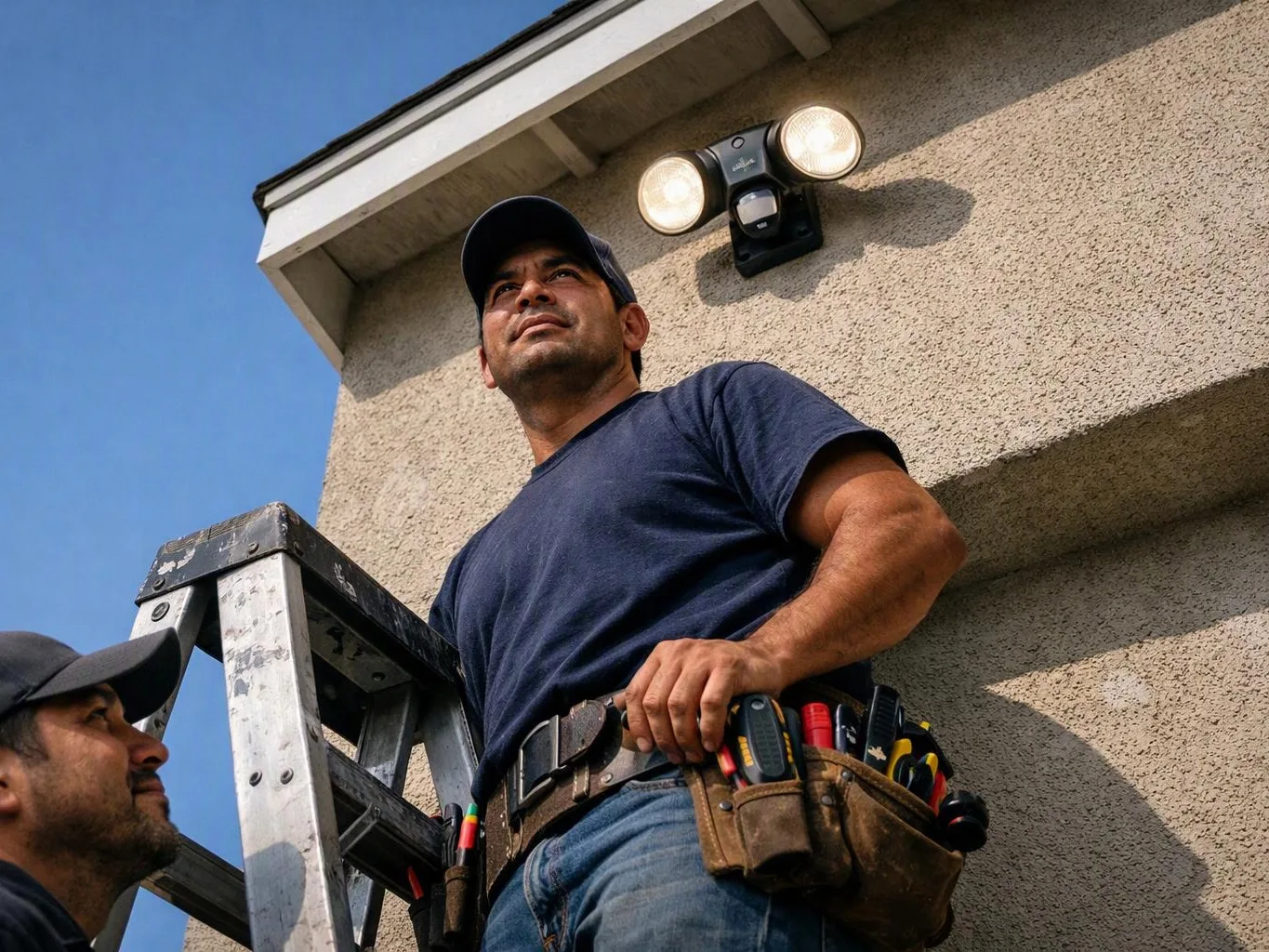
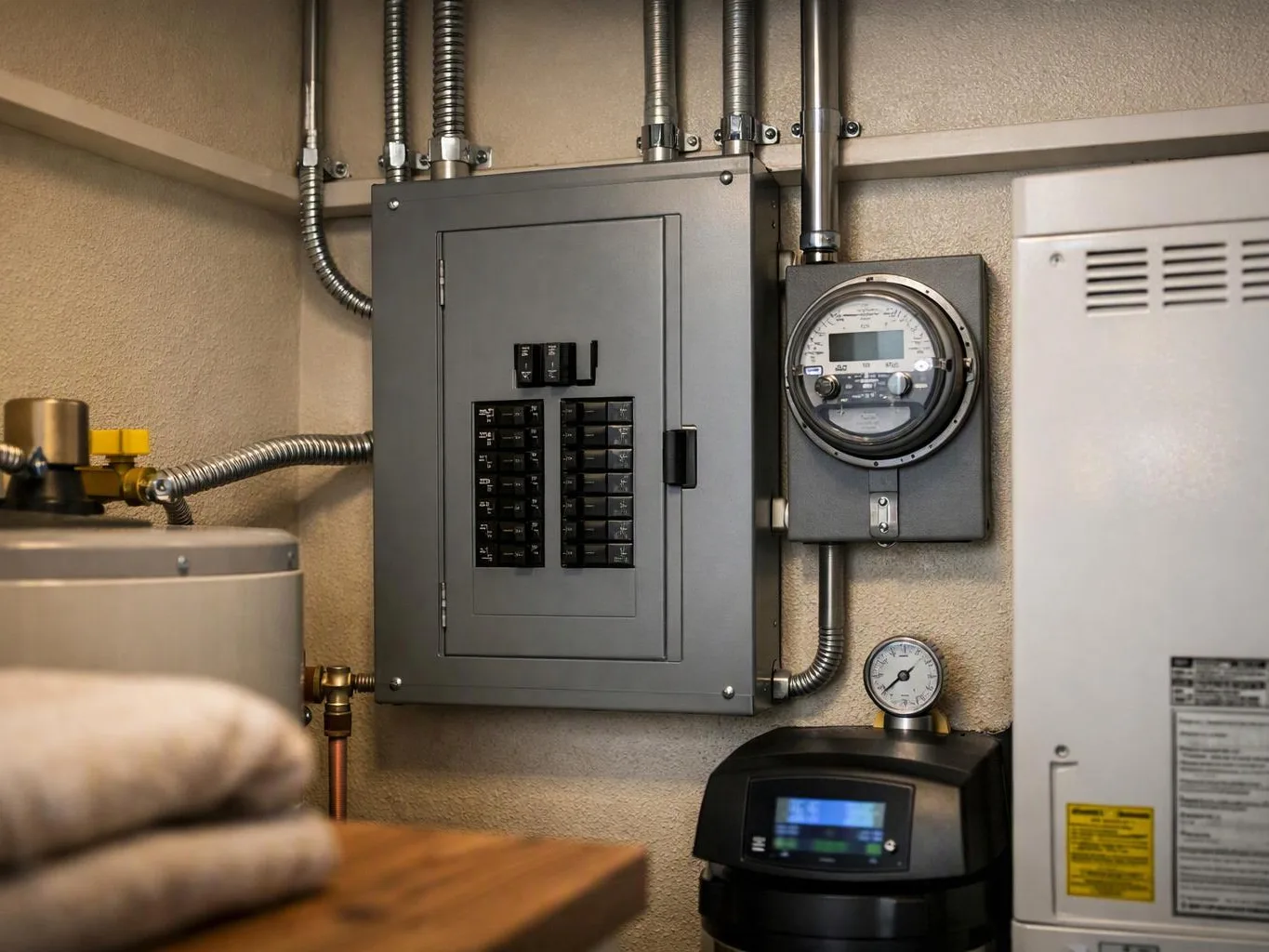
Assess the equipment and panel
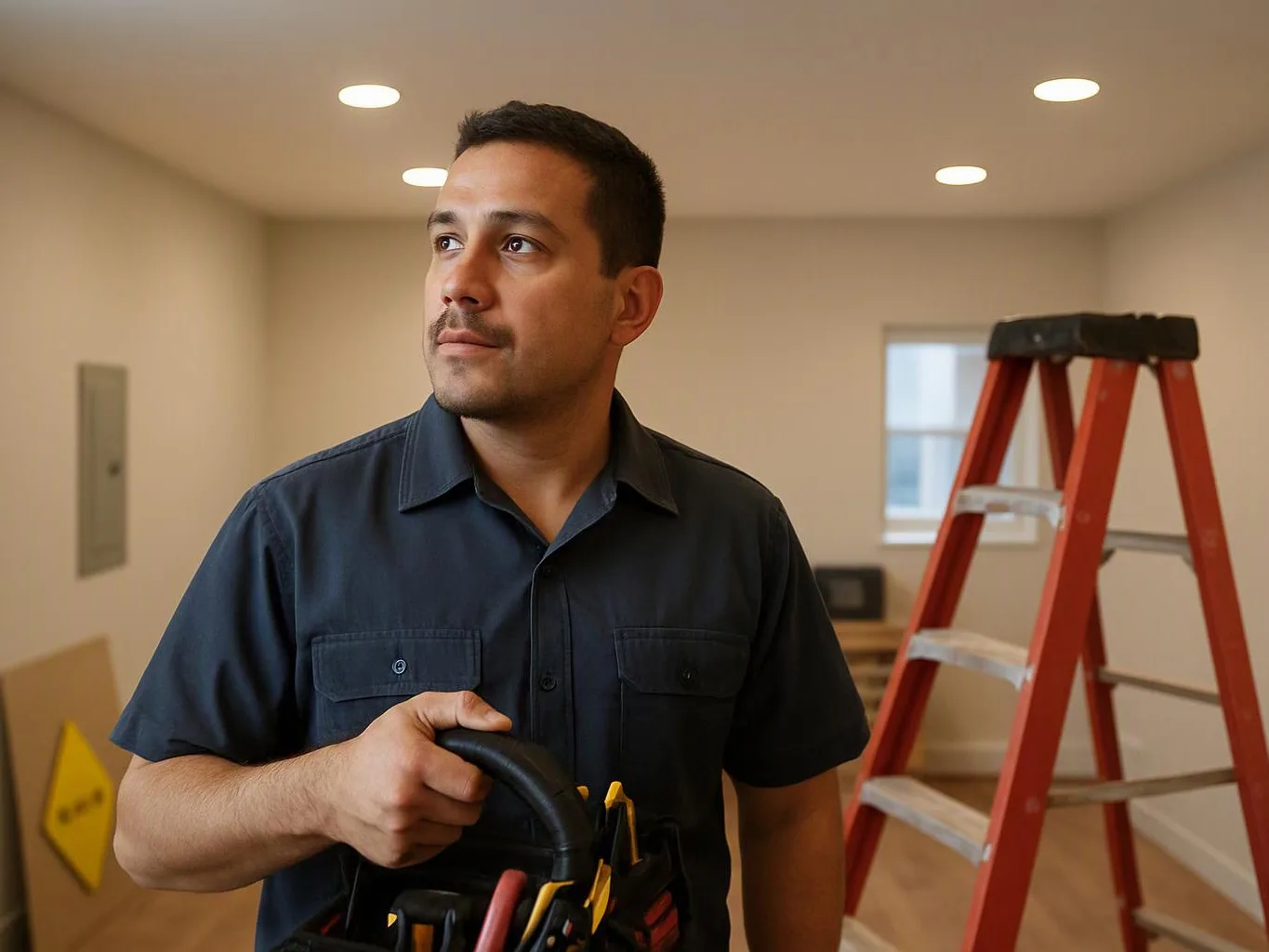
We identify the appliance or system, inspect the panel, and review the existing circuit layout before work begins.
A dedicated circuit gives one major appliance or system its own protected path from the panel. We install circuits for homes, rentals, businesses, and managed properties.
One planned appliance receives its own electrical path.
Shared outlet demand is reduced for the equipment served.
The circuit layout becomes easier to trace during future service.
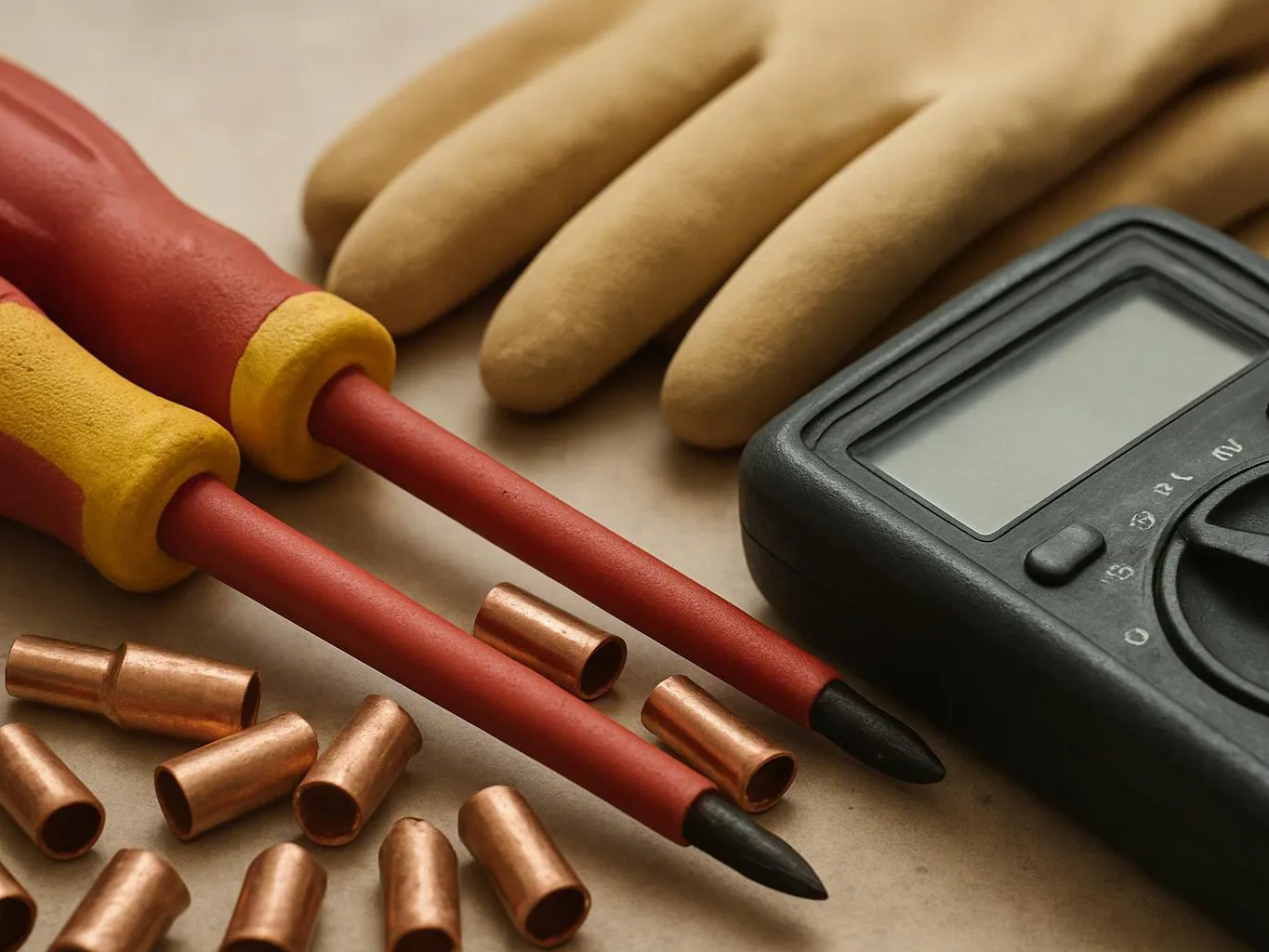
A dedicated circuit supplies one appliance or system from the electrical panel. Common examples include high-demand equipment, kitchen appliances, workshop tools, and charging equipment. We begin with the equipment location and the existing panel. Circuit tracing shows what nearby outlets and loads already share, while a load calculation helps guide the circuit design. Access affects the estimate. Finished walls, long wiring routes, limited panel space, and a needed subpanel can add work. We explain those cost drivers before installation and identify work that is not needed. Our position is simple: don't add a circuit until the existing panel and route have been checked. A new breaker alone won't solve an overloaded system if the panel or wiring has another fault.
Dedicated Circuit Installation is an electrical service that gives one appliance or system its own circuit from the panel.
We identify the appliance or system, inspect the panel, and review the existing circuit layout before work begins.
We follow the route from the panel to the equipment location and account for access through walls, ceilings, or open spaces.
We evaluate available breaker space, circuit demand, conductor needs, grounding, and any panel work tied to the installation.
We place the breaker, route the wiring, connect the outlet or equipment point, and keep the work area orderly.
We test the circuit, verify the connection, and explain the completed work and any recommended follow-up.
A few details help us assess the right circuit and prepare a useful estimate.
Scope and options vary by site conditions, materials, and access. Common options:
Open access near the panel
This option may involve a simpler wire path when the panel and destination are easy to reach.
Walls, ceilings, or enclosed areas
The estimate accounts for access work and the route needed to reach the equipment safely.
Limited breaker space or available load
The panel may need added capacity or related electrical work before the new circuit is connected.
Final scope is confirmed on site. Call for a clear quote before work begins.
We assess the panel, equipment location, existing circuit, and wiring route before planning the new dedicated circuit.
We trace shared loads and test circuit paths systematically before selecting the breaker and connection point.
We check grounding, connections, and circuit operation with safety in mind before explaining the completed installation.
Request a property-specific estimate for the circuit route, panel checks, and equipment connection; urgent requests get priority scheduling.
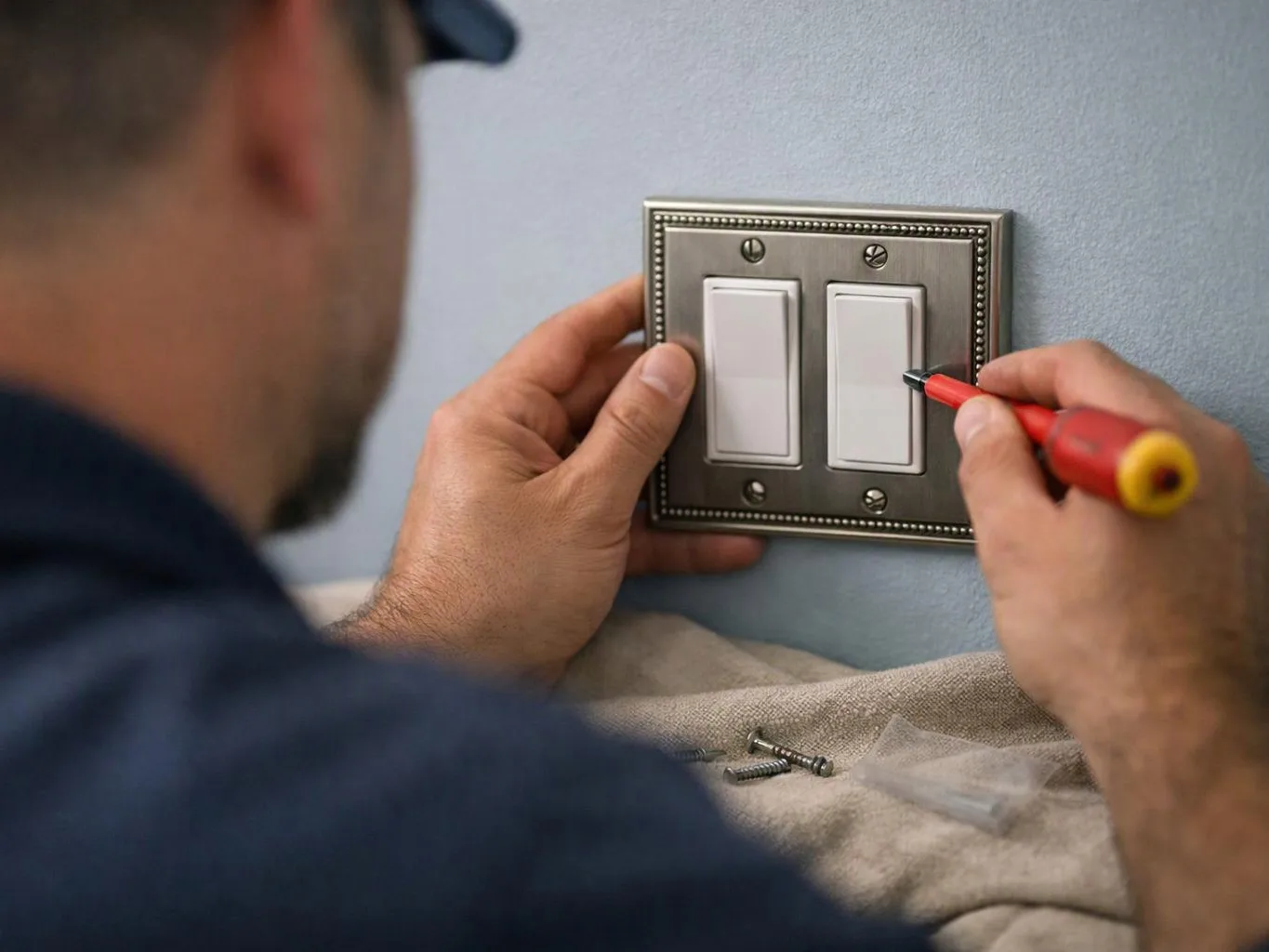
A homeowner adds equipment that draws more power than nearby outlets can share. The key question is whether the panel has room and whether the wiring route reaches the new location safely. We inspect the panel, trace the current circuit, and provide a free estimate for the separate run before the appliance is connected.
A landlord sees a breaker trip whenever one appliance starts, and other outlets lose power at the same time. That pattern can point to shared demand or a fault that needs diagnosis first. We assess the circuit, test the affected equipment connection, and explain whether a new circuit or another repair fits the property.
A business needs power for equipment while keeping nearby outlets available for daily work. The installation depends on panel capacity, access through the space, and the equipment’s electrical needs. We review the planned location with the property manager or owner, map the route, and outline the work before installation begins.