What types of light switches can be installed?
Santa Ana Electrician installs smart, single-pole, three-way, and dimmer switches when the circuit and connected light support the selected type. Smart switches need a wiring and load check before fitting. Three-way switches suit two control locations, while dimmers require compatible fixtures and proper switch ratings. We explain the fit before work begins.
How does a switch installation visit move from the first call to the last step?
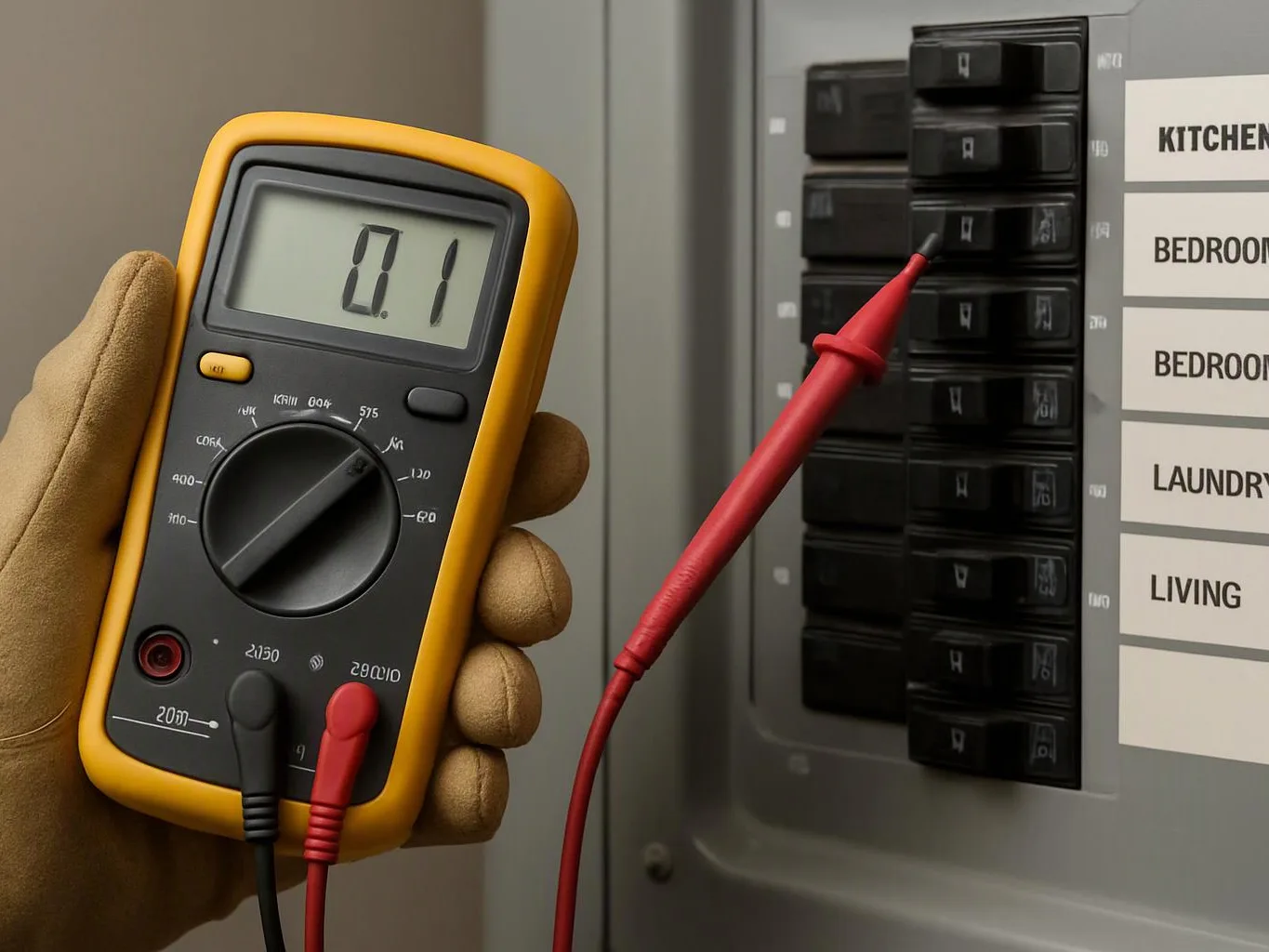
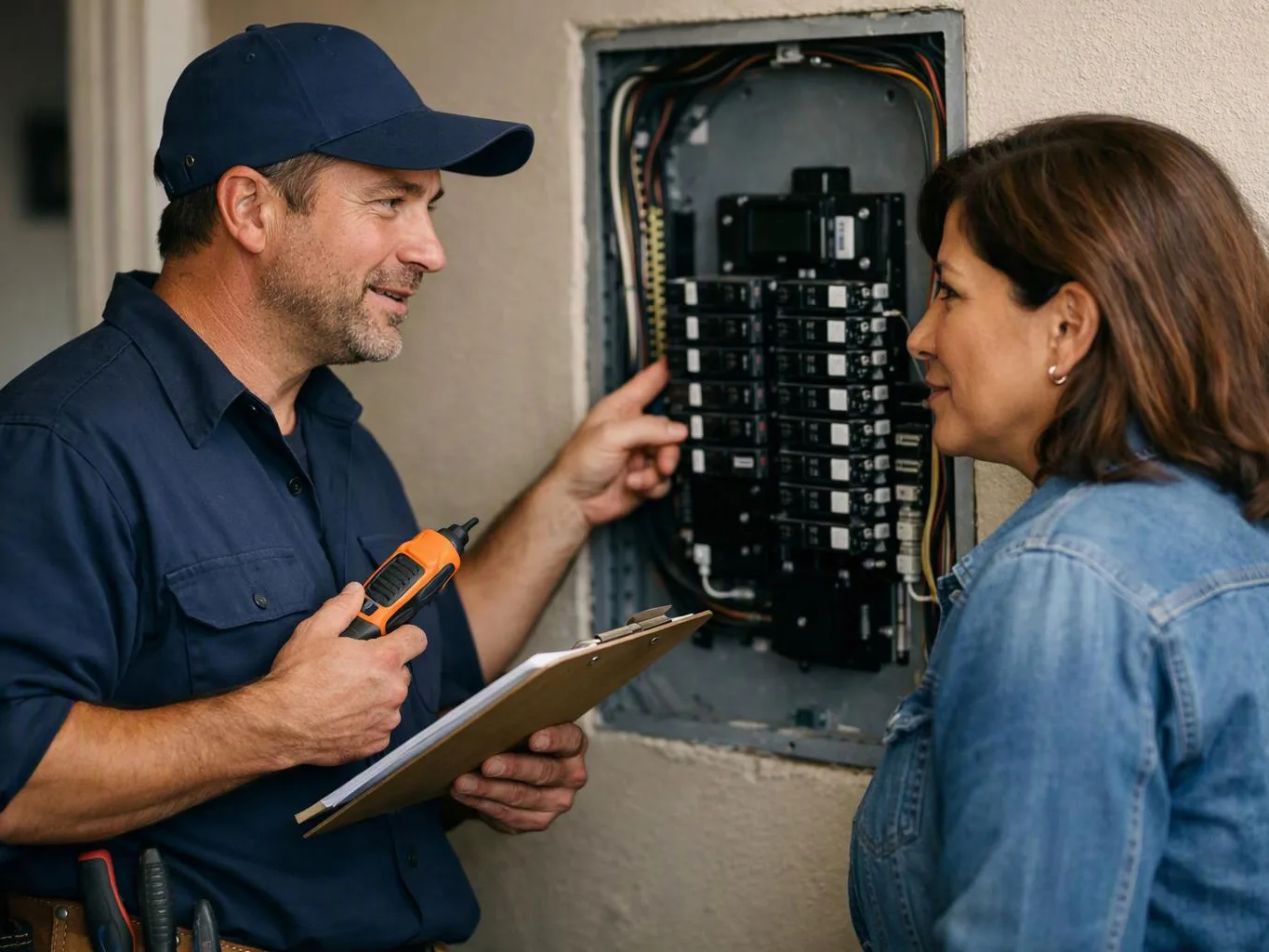
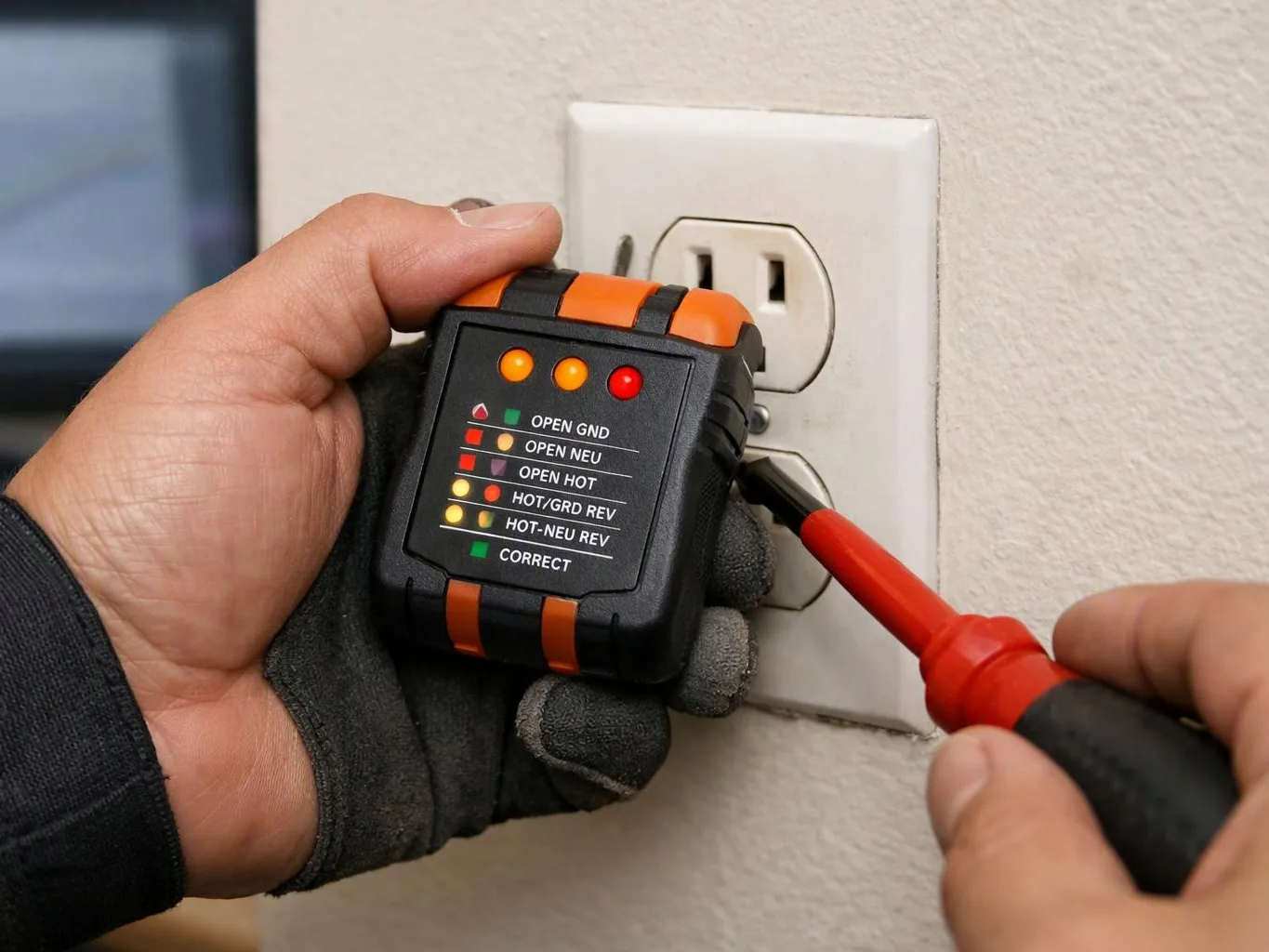
The visit moves from the request to circuit identification, box inspection, switch selection, installation, and testing. We first record the symptom and control goal. Next, we check wiring, grounding, and load fit. After the switch is connected, we test the light and explain any separate electrical repair that the inspection finds.
How can I tell whether a new switch fits my property?
A new switch fits when its wiring, box space, load rating, and control layout match the property. Smart controls need a check for required power and compatible lighting. Dimmer controls need compatible fixtures. We inspect those points before installation, so the selected switch matches the actual circuit.
Which part of the property decides the scope of switch work?
The switch box, circuit, connected light, and control locations decide the scope. A crowded box can require a different fitting approach. Two control locations call for three-way wiring. A damaged circuit or fixture adds separate repair work, so we identify that boundary before giving the estimate.
When should a warm switch plate be checked?
A warm switch plate should be checked when heat continues during normal use or appears with buzzing, odor, flicker, or breaker trips. Turn the switch off and stop using it until the circuit is inspected. We check the switch, wire connections, load, and box for conditions that need repair.
Why does a dimmer switch buzz after installation?
A buzzing dimmer can result from fixture incompatibility, an unsuitable switch rating, loose wiring, or a circuit problem. Turn the dimmer off if the sound continues or the plate feels hot. We check the fixture, switch, connections, and circuit before deciding whether adjustment or replacement is needed.
What information should I give the electrician before the visit?
The useful details are the switch location, light type, control pattern, symptoms, and property type. Tell us whether one or two locations control the light. Mention flicker, heat, buzzing, dead outlets, or breaker trips. Photos of the switch plate and fixture can also help us understand the request.