How disruptive is whole-house rewiring during a circuit shutdown?
Circuit shutdown can limit power in the rooms and circuits being rewired. We reduce overlap by sequencing rooms and identifying access needs first. Wall openings, ceiling access, and drywall repair can affect daily use, so we explain those items during the scope review. The work may suit a planned vacancy better when many occupied rooms need access.
What signs show that a property may need rewiring?
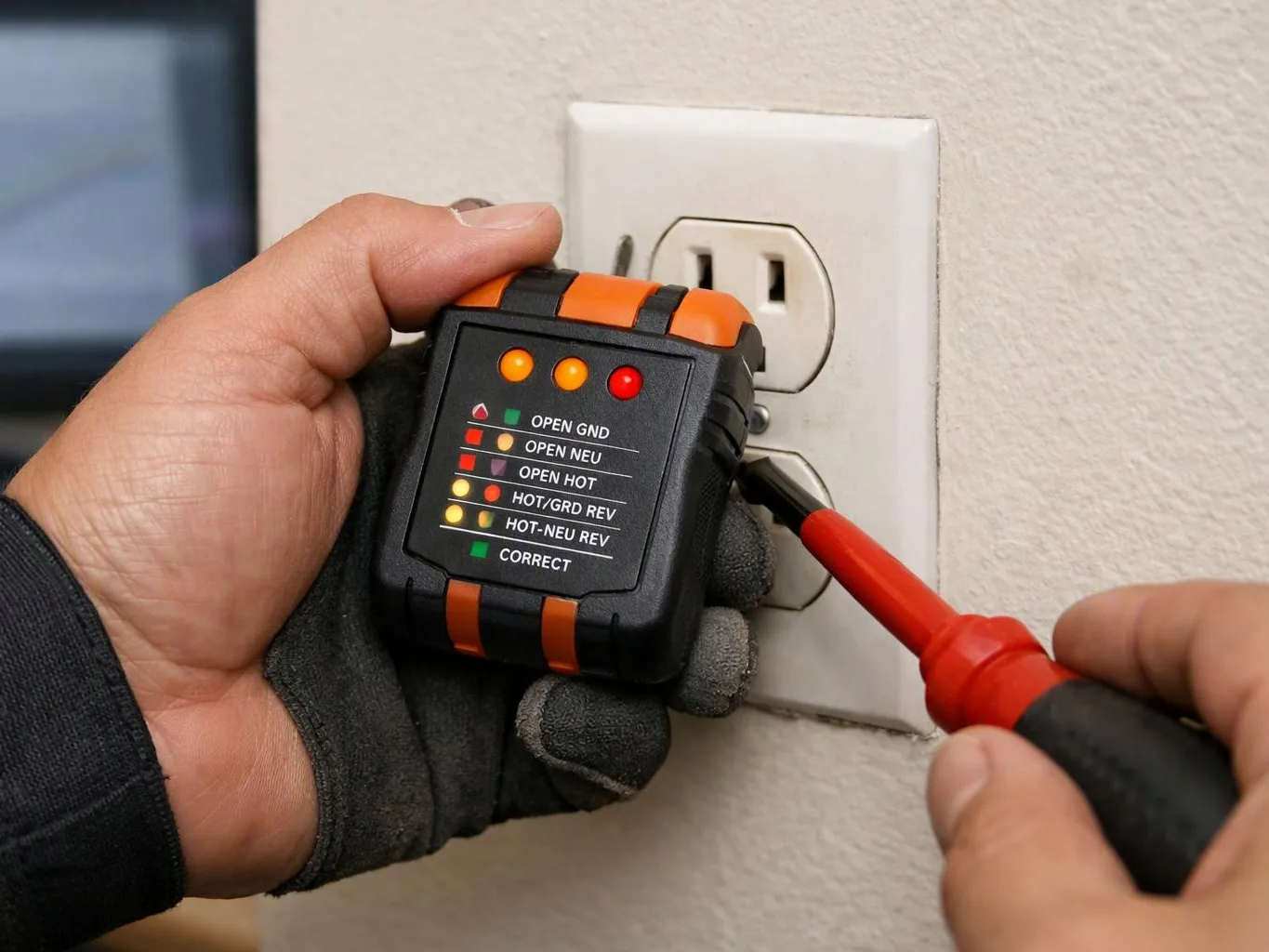
Flickering lights, warm switch plates, burning smells from outlets, and frequent breaker trips warrant an electrical inspection. We trace the affected circuits and check the panel, outlets, switches, and visible wiring. A single faulty device may need repair, while repeated faults across rooms can support a wider rewiring review.
Which part of the property decides the rewiring scope?
The existing circuit layout decides much of the rewiring scope. We check the panel, branch circuits, outlets, switches, wall paths, ceiling paths, and grounding points. Owners also need to identify rooms that require special access. Those details help separate a focused circuit repair from a property-wide wiring project.
How does a rewiring visit move from the first call to the last step?
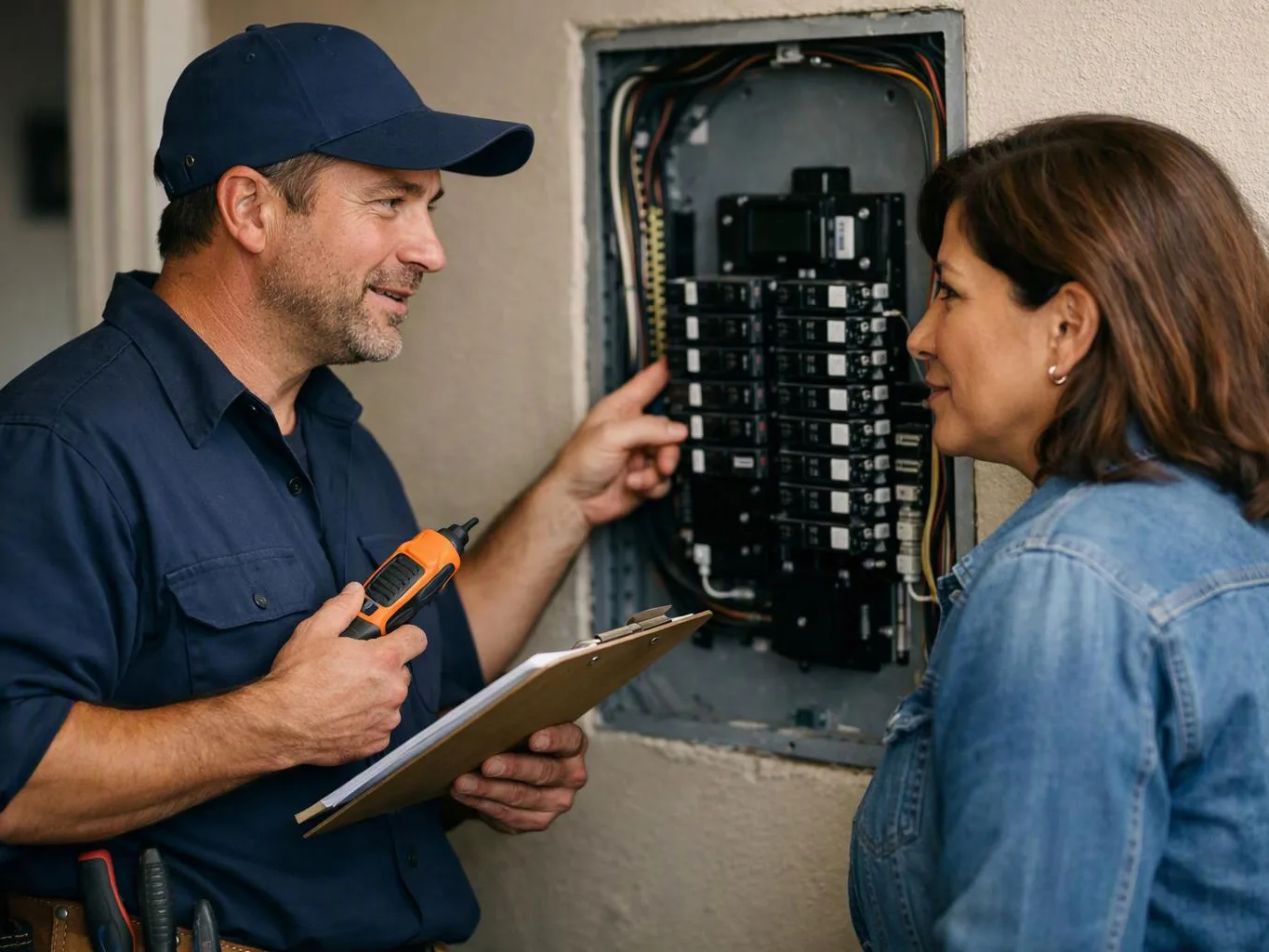
The visit moves from an electrical assessment to circuit mapping, scope planning, wiring replacement, and final testing. We first discuss symptoms and property use. Then we inspect access points, set room sequencing, complete the agreed wiring work, and verify the circuits before reviewing the result with you.
Can a panel upgrade replace the need for whole-house rewiring?
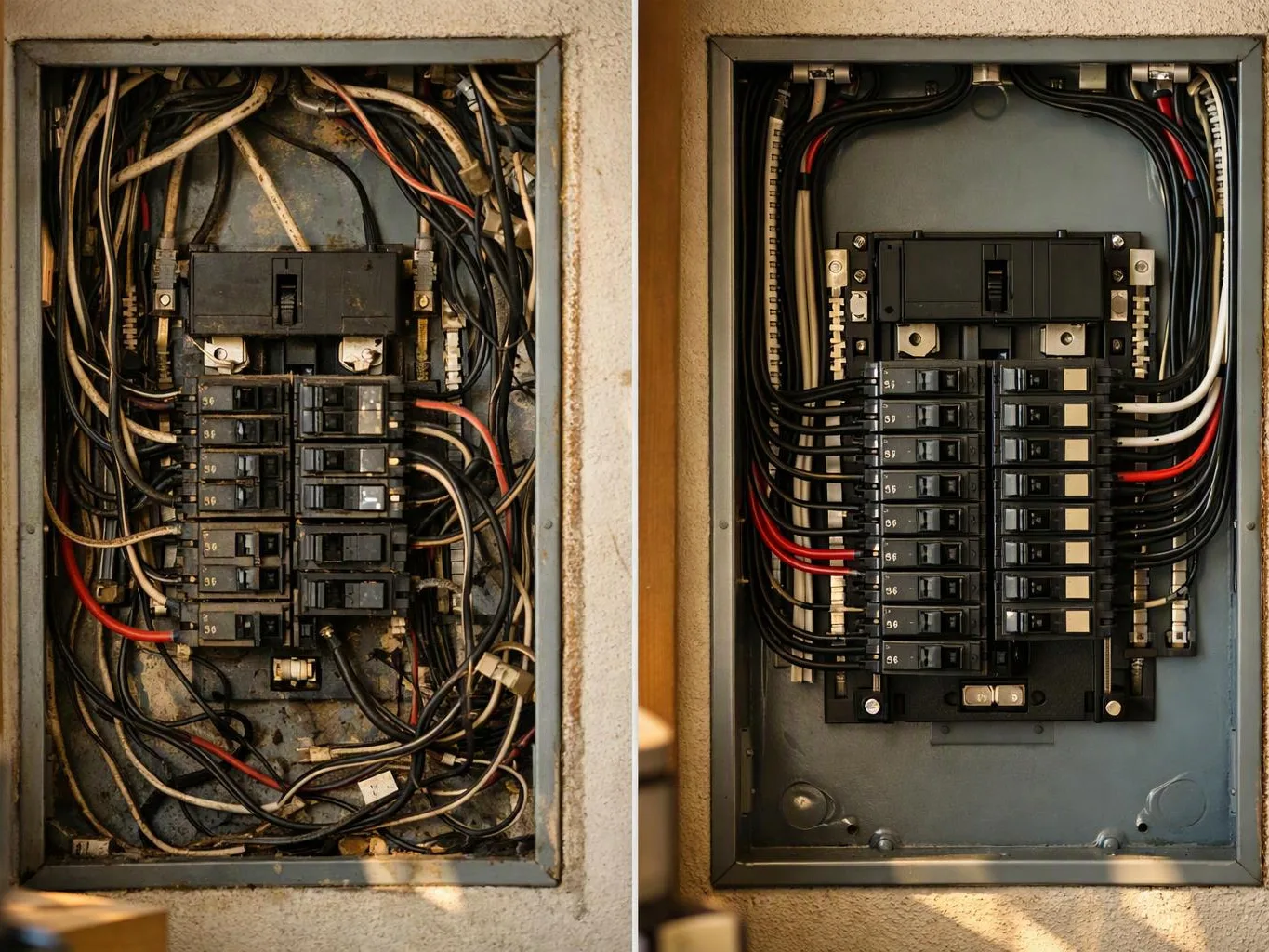
A panel upgrade cannot replace rewiring when unsafe or outdated wiring runs through the property. Panel work changes the service equipment and available capacity. We inspect both the panel and branch circuits, then explain whether the property needs panel work, rewiring, or both within the agreed scope.
Why do landlords need a different rewiring plan?
Landlords need a rewiring plan that accounts for tenant access and occupied rooms. We identify the circuits, walls, ceilings, and devices that require entry. Property managers can then coordinate access and decide whether the work fits an empty unit, a staged plan, or another agreed schedule.
What makes the quote change for this type of work?
Wall and ceiling access, room count, circuit condition, panel changes, device replacement, and drywall repair can change the quote. We review those factors during the assessment and provide a free estimate. The estimate reflects the property scope, not a generic rewiring allowance.