
What is Electrical Grounding?
Electrical Grounding is a safety system that connects electrical equipment and circuits to earth or a grounding network. The connection provides a controlled path for fault current, helping protective devices trip during insulation failure. Grounding also stabilizes voltage and reduces shock, fire, and equipment damage risks when wiring faults occur.
Quick Facts About Electrical Grounding
Category
Electrical safety system
Used for
Fault-current control and voltage reference
Common confusion
Grounding is not the same as bonding or neutral wiring
Relevant standard
National Electrical Code Article 250
Also called
Grounding, Electrical earthing
Often discussed with
Electrical Safety Inspection, Electrical Code Compliance Inspection
Key Takeaways About Electrical Grounding
- Grounding directs fault current away from people and toward a safe return path.
- The grounding electrode system connects an electrical installation to earth.
- A neutral wire carries normal current, while a grounding conductor normally carries no current.
- Grounding does not replace GFCI protection, which detects leakage and disconnects power quickly.
- Loose, corroded, or missing grounding connections can leave metal equipment energized.
Understanding Electrical Grounding
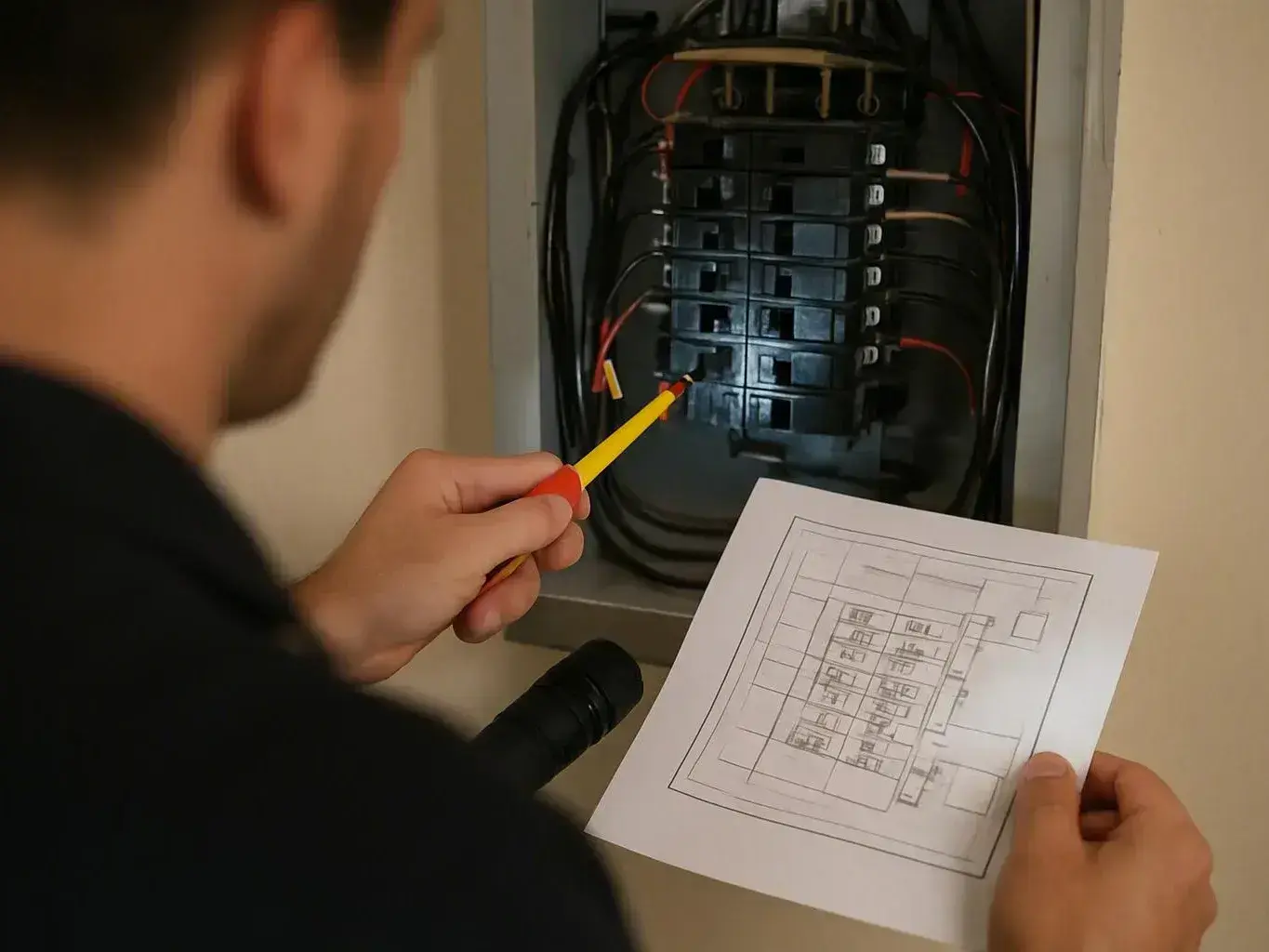
Electrical Grounding connects an electrical system, equipment enclosure, or circuit to earth. It can also connect to a grounded electrical network. This connection gives unwanted current a planned path during a fault. For example, damaged insulation can touch a metal appliance case. Grounding helps fault current return to the source. This helps keep current from passing through a person.
Related glossary terms: Grounding Electrode, Ground-Fault Circuit Interrupter, Neutral Wire.
A grounding system includes several related parts. The equipment grounding conductor connects metal parts to the source grounding point. A grounding electrode connects the system to earth. It can use a rod, metal water pipe, concrete-encased electrode, or another approved electrode. Bonding joins conductive parts together. This keeps them near the same voltage during a fault. These functions work together, but they're not interchangeable.
How Electrical Grounding Works, Is Measured, or Is Used?
Under normal conditions, current travels from the source through the ungrounded conductor. It returns through the neutral conductor. The grounding conductor normally carries no load current. If a line conductor contacts a grounded metal enclosure, the grounding path creates a low-impedance fault circuit. The resulting current should operate a circuit breaker or fuse. This should happen before the enclosure stays dangerous.
Electricians check several parts of grounding. They check conductor continuity, connection security, conductor size, and electrode connections. They also check the link between neutral and ground.multimeter can find voltage differences. A voltage reading alone can't prove a grounding path carries fault current. Special tests may measure loop impedance or electrode resistance. The test depends on the system and the question being studied. The National Electrical Code sets installation rules. Local authorities enforce the adopted code edition.
A grounding electrode doesn't need to carry normal circuit current. Its main safety role is different. It connects the electrical system to earth. It also helps limit voltage during lightning, surges, or contact with higher-voltage systems. Low resistance to earth can help. A low electrode reading alone doesn't confirm branch-circuit equipment grounding is continuous.
Why Electrical Grounding Matters?
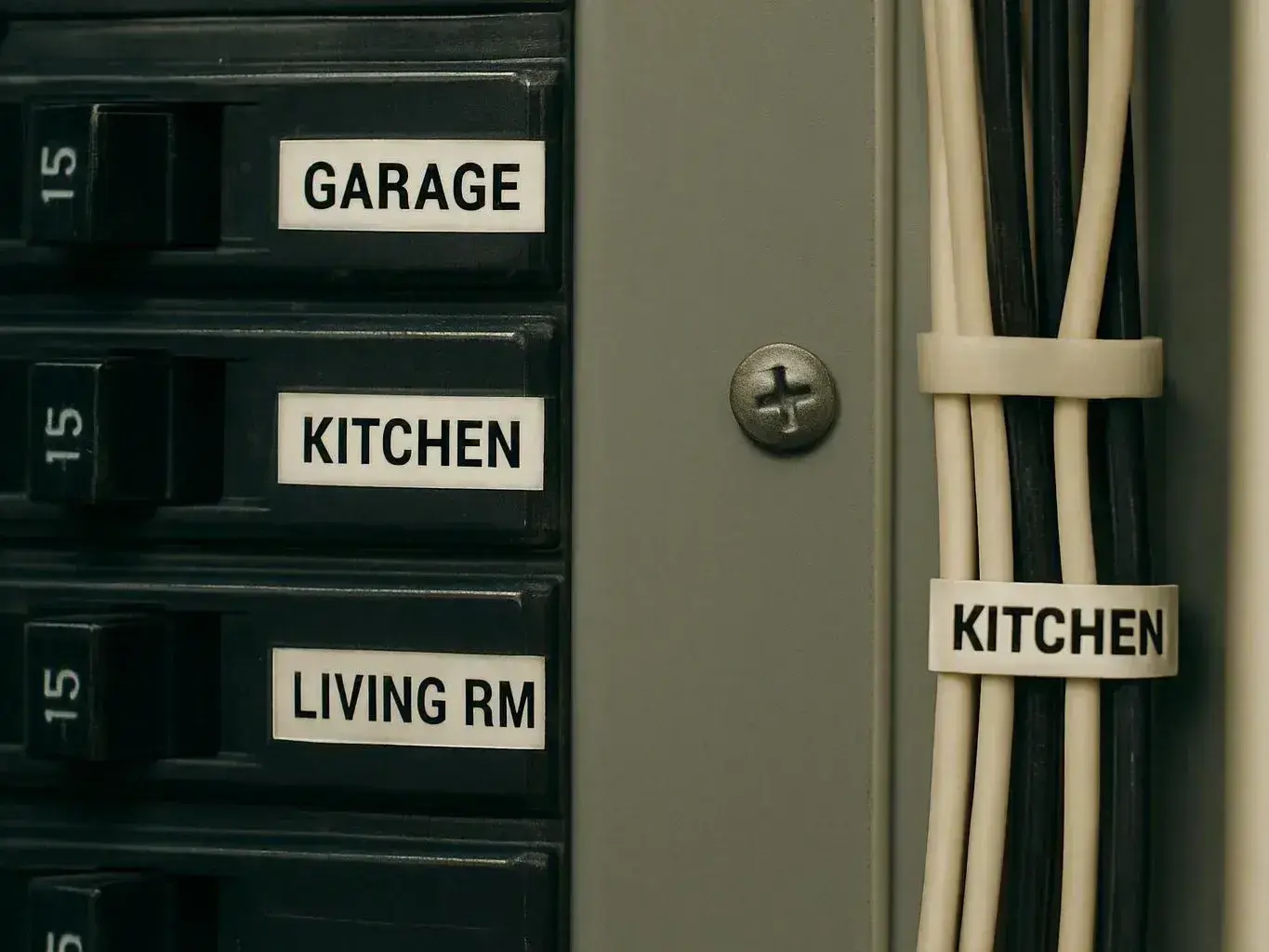
Grounding lowers the chance that exposed metal stays energized. This can happen after insulation failure. Without a dependable fault path, a breaker may not get enough current to trip. An appliance case can still create a shock hazard. Grounding also supports overcurrent protection. It helps safety devices respond to faults as designed.
Grounding differs from a device that senses leakage. A ground-fault circuit interrupter compares current leaving and returning through a circuit. It can cut power when the values differ. GFCI protection is useful in wet areas. However, it doesn't fix a missing grounding conductor. A safe setup may need both protections. It needs a continuous grounding path and correctly installed GFCI protection.
When Electrical Grounding Matters Most?
Grounding needs close attention during panel replacements and rewiring. It also matters during outlet changes, generator installations, and remodeling. Older buildings may have two-slot receptacles or damaged conductors. They may also have changed neutral connections. Their grounding electrodes may no longer meet current rules. Replacing a receptacle with a three-slot model doesn't create a grounding path. The box or circuit must already have an approved grounding connection.
Warning signs include tingling from a metal appliance or repeated breaker trips. Other signs include flickering after a fault, heat at an outlet, or corrosion near service equipment. An outlet tester may also show an open ground. Don't connect a grounding conductor to a random water pipe, gas pipe, or neutral terminal. This includes terminals downstream from the service disconnect. A qualified inspection should trace the circuit. It should identify the service grounding and bonding points. It should also check repairs against the locally adopted electrical code.
How to Evaluate Electrical Grounding?
- Check whether every three-slot receptacle has a verified equipment grounding path.
- Inspect grounding and bonding connections for looseness, corrosion, damage, or unauthorized neutral-to-ground links.
- Ask whether the circuit has a correctly sized equipment grounding conductor.
- Confirm that GFCI protection is present where required and test its operation with the test button.
- Compare repairs with the locally adopted National Electrical Code and permit requirements.
Related Concepts Compared
Electrical Grounding vs. Bonding
Bonding joins conductive parts so they stay at nearly the same electrical potential. Grounding connects a system or equipment to earth or to the grounded source network.
Electrical Grounding vs. Neutral Wire
The neutral wire carries normal return current in many circuits. The equipment grounding conductor normally carries current only during a fault.
Electrical Grounding vs. Grounding Electrode
A grounding electrode is a physical connection to earth, such as a ground rod or concrete-encased electrode. Electrical grounding is the broader safety system that includes electrodes, conductors, bonding, and connections.
Electrical Grounding vs. Ground-fault Circuit Interrupter
A GFCI detects an imbalance between outgoing and returning current and disconnects power. GFCI protection does not replace a continuous equipment grounding path.
Expert Note
A ground rod alone does not make a receptacle safe. Fault clearing depends mainly on a continuous, low-impedance equipment grounding path back to the source and correct bonding at the service equipment.
Common Mistakes or Myths About Electrical Grounding
- Assuming a three-slot receptacle is grounded because its faceplate looks modern.
- Using a neutral wire as an equipment grounding conductor at a downstream receptacle.
- Connecting grounding wires to gas piping or other unapproved paths.
- Believing a ground rod alone will make a faulty branch circuit safe.
- Treating a GFCI receptacle as proof that the circuit has an equipment ground.
Electrical Grounding in Practice: A Real-World Example
A refrigerator has damaged insulation that allows a line conductor to touch its metal cabinet. A continuous equipment grounding conductor carries the fault current back to the panel, allowing the breaker to trip. If that conductor is missing, the cabinet may remain energized until someone provides a path to ground.
Sources & Further Reading on Electrical Grounding
Related Terms
Grounding Electrode
Grounding Electrode is a conductive object that connects an electrical system to the earth. Common examples…
Ground-Fault Circuit Interrupter
Ground-Fault Circuit Interrupter is a protective device that monitors current flowing through a circuit and disconnects…
Neutral Wire
Neutral Wire is a current-carrying conductor that normally returns electricity from a load to the service…
Overcurrent Protection
Overcurrent Protection is a safety function that stops or limits electrical current when it exceeds a…
Santa Ana Electrician
Have Questions About Electrical Grounding?
Contact Santa Ana Electrician for practical guidance on Electrical Grounding and related 24 hour electrician work in Santa Ana.