What is Grounding Electrode?
Grounding Electrode is a conductive object that connects an electrical system to the earth. Common examples include metal underground water pipe, a concrete-encased electrode, and one or more ground rods. The electrode connects to the grounding electrode conductor. Which carries fault current or lightning-related energy toward earth and helps stabilize system voltage.
Quick Facts About Grounding Electrode
Category
Electrical grounding component
Used for
Connecting an electrical system to earth
Common confusion
A grounding electrode is not the same as a ground rod.
Relevant standard
National Electrical Code Article 250
Also called
Grounding electrode system, Ground electrode
Often discussed with
Electrical Safety Inspection, Electrical Code Compliance Inspection
Key Takeaways About Grounding Electrode
- A grounding electrode connects the electrical system to earth through an approved path.
- Ground rods are one type of grounding electrode used in electrical work.
- The grounding electrode conductor links the electrode to the service equipment or separately derived system.
- Earth grounding does not replace circuit breakers or equipment grounding conductors.
- Electrodes must meet National Electrical Code rules for material, placement, and connections.
Understanding Grounding Electrode

Grounding Electrode is a conductive object that connects an electrical system to earth. The object may be a ground rod, metal underground water pipe, or concrete-encased electrode. It may also be building steel or another approved electrode. A grounding electrode doesn't normally carry current during ordinary operation. It provides a reference to earth and a path for fault, lightning, and surge conditions.
Related glossary terms: Electrical Grounding, National Electrical Code, Service Entrance.
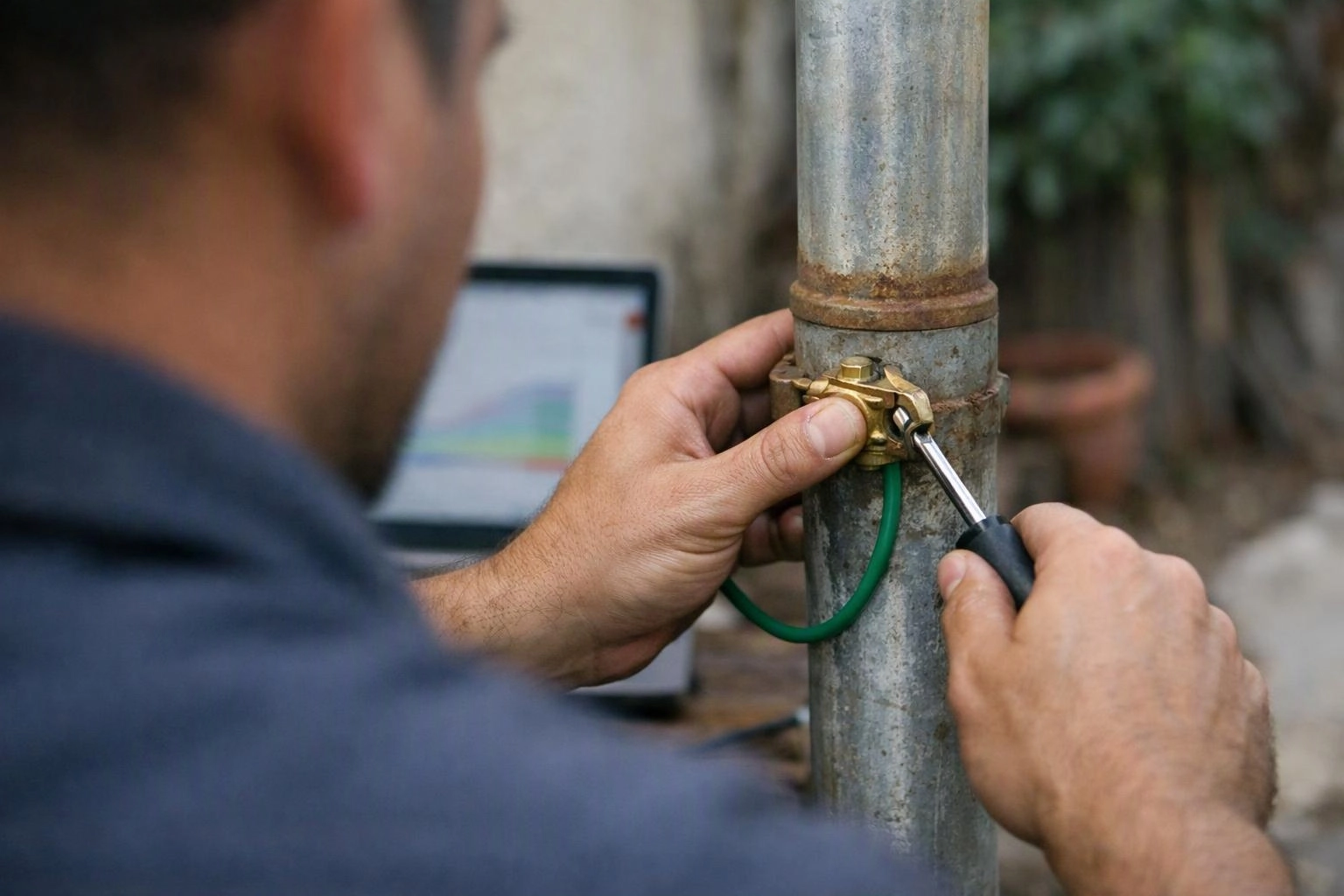
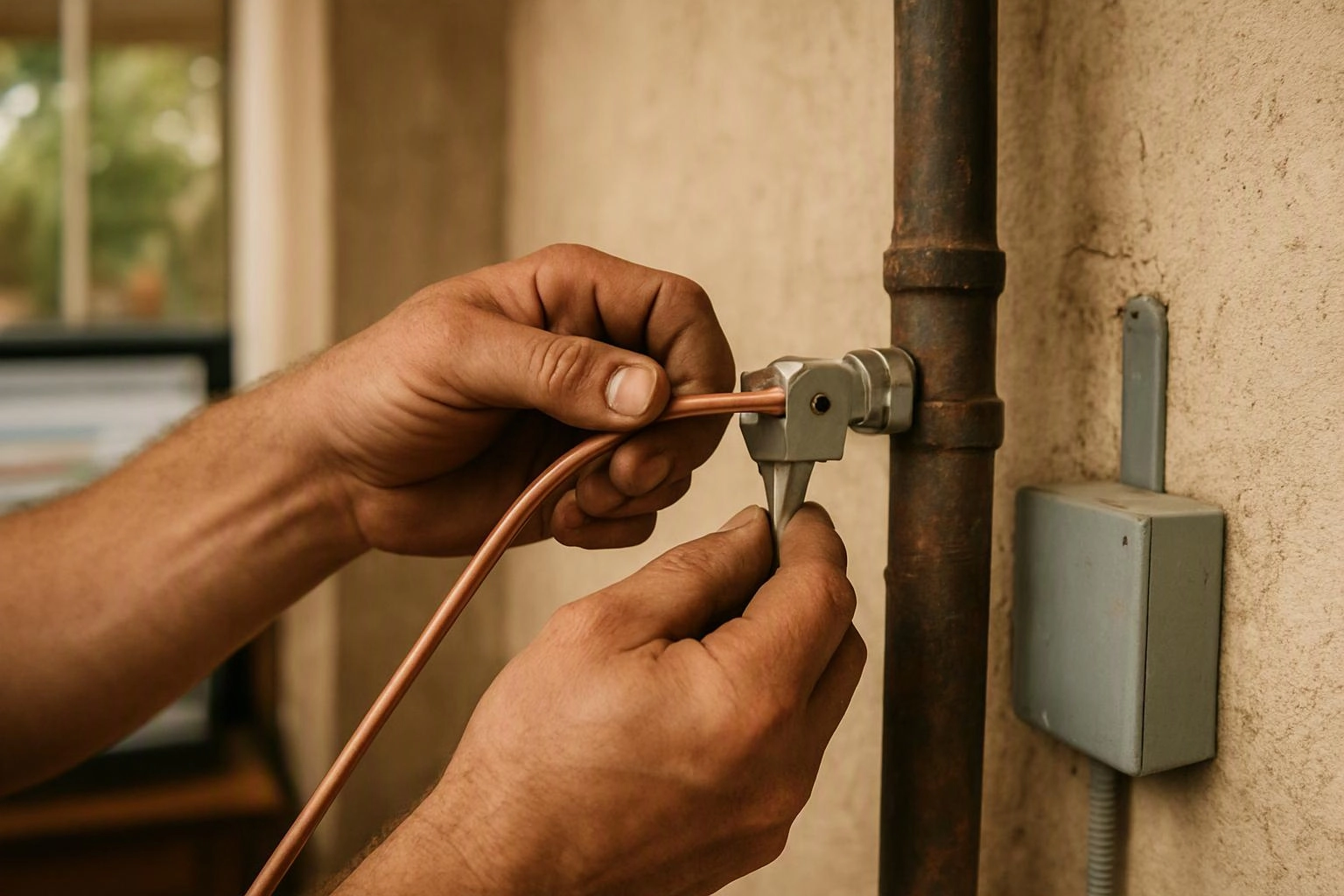
The electrode connects to service equipment or a separately derived system through.grounding electrode conductor. That conductor is different from a neutral conductor and an equipment grounding conductor. These parts connect at specific points under electrical code rules. The complete arrangement includes the electrode, conductor, connections, and bonding points. Each part must remain continuous and mechanically secure.
How Grounding Electrode Works, Is Measured, or Is Used?
During installation, an electrician identifies every available electrode at the building. A concrete-encased electrode may be present in a new foundation. Older buildings may have metal water pipe or building steel. Ground rods are installed where other qualifying electrodes are absent. They may also be installed when the design requires them. The electrode conductor then connects the electrode to the service grounding and bonding point.
Grounding electrodes aren't judged only by a simple resistance reading. Soil moisture, electrode length, spacing, corrosion, connection quality, and nearby metal systems affect speed. A ground resistance test may help diagnose a system. A passing measurement alone doesn't prove code compliance. The National Electrical Code also sets rules for electrode types, conductor sizing, protection, grounding electrode connections, and bonding.
Ground rods are commonly driven into the soil. But the rod is only one option. A second rod may be required with prescribed spacing and connection methods. This applies when one rod doesn't meet the code condition. The correct decision depends on the electrode system already available. It also depends on local inspection rules, soil conditions, and electrical service design.
Why Grounding Electrode Matters?

A properly installed electrode helps keep exposed conductive parts and the electrical system more predictable to earth. It can provide a path for lightning-related energy and certain surge currents. It also supports bonding between the electrical system and other metallic systems. This helps reduce dangerous voltage differences.
Earth itself isn't a reliable substitute for an overcurrent path. A ground rod usually has too much impedance to trip a circuit breaker. This happens during a typical line-to-case fault.equipment grounding conductor and effective fault-current path perform that protective function. Confusing these roles can leave metal enclosures energized while the breaker remains closed.
When Grounding Electrode Matters Most?
Grounding electrode design becomes especially important during new construction and service replacements. It also matters during panel upgrades and generator or transformer installations. A remodel may reveal an existing concrete-encased electrode. It may also reveal a damaged water-pipe connection that wasn't documented. A service change also requires review of bonding, conductor routing, electrode access, and local inspection rules.
Warning signs include a loose clamp or corrosion at the connection. Other signs include a cut or undersized conductor. An abandoned metal water pipe is another warning sign. A ground rod installed without checking other electrodes is also a concern. Never remove a grounding connection to solve nuisance tripping or electrical noise. A qualified inspection should trace the complete grounding and bonding system. It should verify the electrode type and compare the installation with the adopted code.
How to Evaluate Grounding Electrode?
- Identify whether the property has concrete-encased electrode, building steel, metal water pipe, or driven rod electrodes.
- Check that the grounding electrode conductor is continuous, protected from damage, and securely connected.
- Confirm that clamps and fittings are listed for the electrode material and approved for the installation.
- Review whether the service or separately derived system complies with adopted National Electrical Code requirements.
- Look for corrosion, loose hardware, cut conductors, damaged insulation, or disconnected bonding points.
Related Concepts Compared
Grounding Electrode vs. Ground Rod
A ground rod is one specific type of grounding electrode. A grounding electrode can also be concrete-encased, metallic building steel, or an underground metal water pipe.
Grounding Electrode vs. Grounding Electrode Conductor
The grounding electrode conductor is the wire or bus connection between the electrical system and the grounding electrode. The electrode is the conductive object in contact with earth.
Grounding Electrode vs. Equipment Grounding Conductor
An equipment grounding conductor connects circuit equipment and metal enclosures to the fault-current path. It is not the same as the grounding electrode conductor and is not intended to rely on earth to trip a breaker.
Grounding Electrode vs. Neutral Wire
A neutral wire normally carries return current from line-connected loads. A grounding electrode supports system grounding and bonding, but it should not carry normal load current.
Expert Note
A ground rod reading by itself does not establish a safe or code-compliant grounding system. Inspection should identify all available electrodes, verify bonding and conductor protection, and confirm that fault current has a dependable metallic path back to the source.
Common Mistakes or Myths About Grounding Electrode
- Treating a ground rod as the complete grounding and bonding system.
- Assuming earth grounding alone will trip a circuit breaker during a fault.
- Leaving a grounding electrode conductor loose, exposed to damage, or disconnected.
- Using a clamp that is not approved for the electrode material.
- Ignoring concrete-encased electrodes or other qualifying electrodes already present.
Grounding Electrode in Practice: A Real-World Example
A Santa Ana home gets a service panel replacement. The electrician finds a concrete-encased electrode in the foundation and an older ground rod near the service equipment.
Related Terms
Electrical Grounding
Electrical Grounding is a safety system that connects electrical equipment and circuits to earth or a…
National Electrical Code
National Electrical Code is a safety standard published by the National Fire Protection Association that sets…
Service Entrance
Service Entrance is the part of an electrical system that connects the utility supply to a…
Neutral Wire
Neutral Wire is a current-carrying conductor that normally returns electricity from a load to the service…
Santa Ana Electrician
Have Questions About Grounding Electrode?
Contact Santa Ana Electrician for practical guidance on Grounding Electrode and related 24 hour electrician work in Santa Ana.