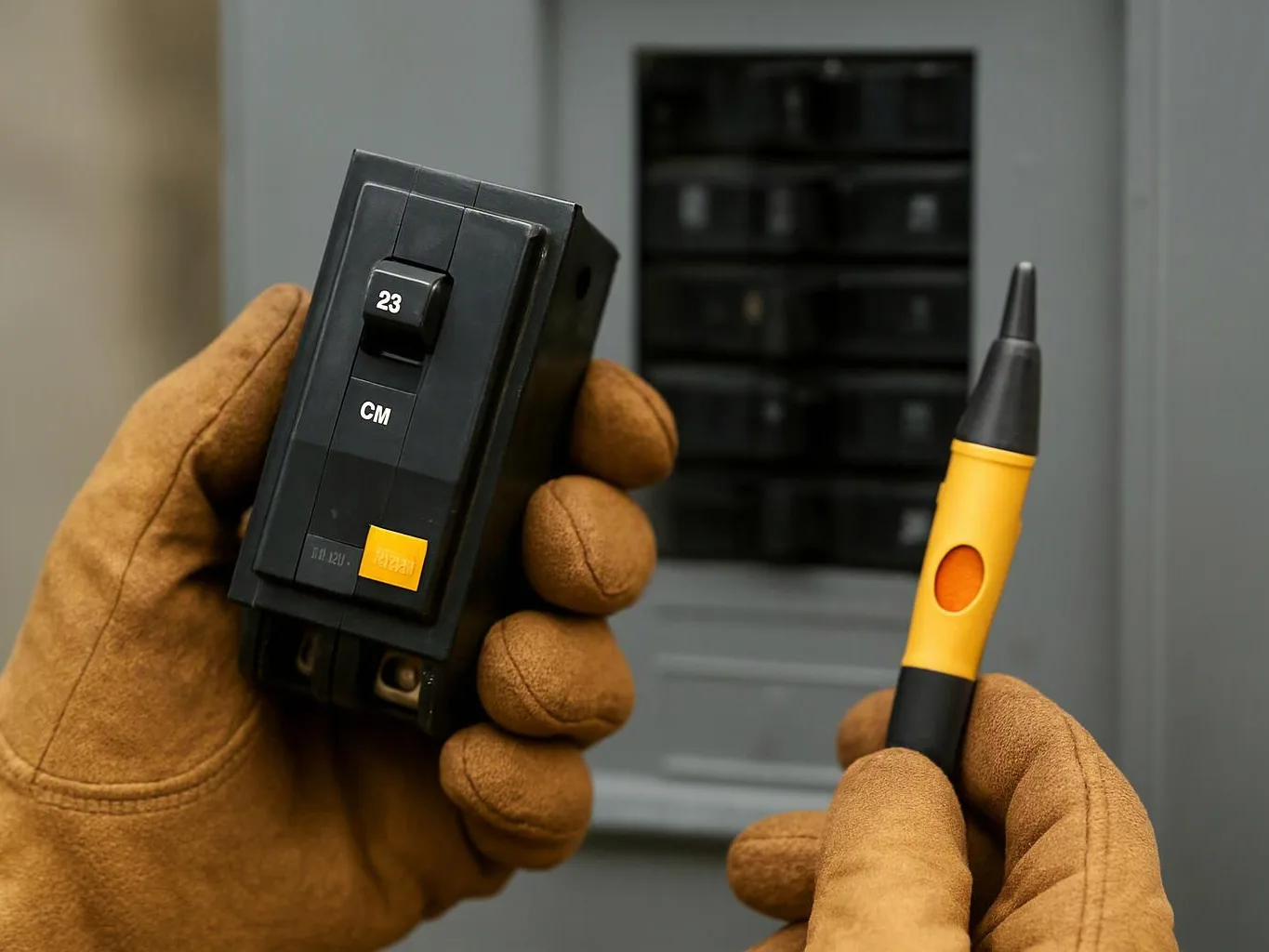
Commercial Electrical Maintenance for Safer, More Reliable Operations
Commercial electrical maintenance helps identify electrical hazards, reduce disruption, support code compliance, and improve operational reliability; Santa Ana Electrician checks, maintains, and repairs commercial systems according to site needs.
Get a Free EstimateWhat Commercial Electrical Maintenance Involves
Commercial electrical maintenance is planned inspection, testing, servicing, and repair that keeps business electrical systems safe and functional. We examine the commercial electrical system as a connected group of equipment, including electrical distribution, switchgear, circuit breakers, wiring, electrical panels, and lighting systems.
Our team uses commercial electrical servicing to review visible conditions, identify electrical faults, and address concerns before they affect daily work. Maintenance may include circuit testing, electrical panel inspection, lighting maintenance, and repairs to damaged or deteriorating components.
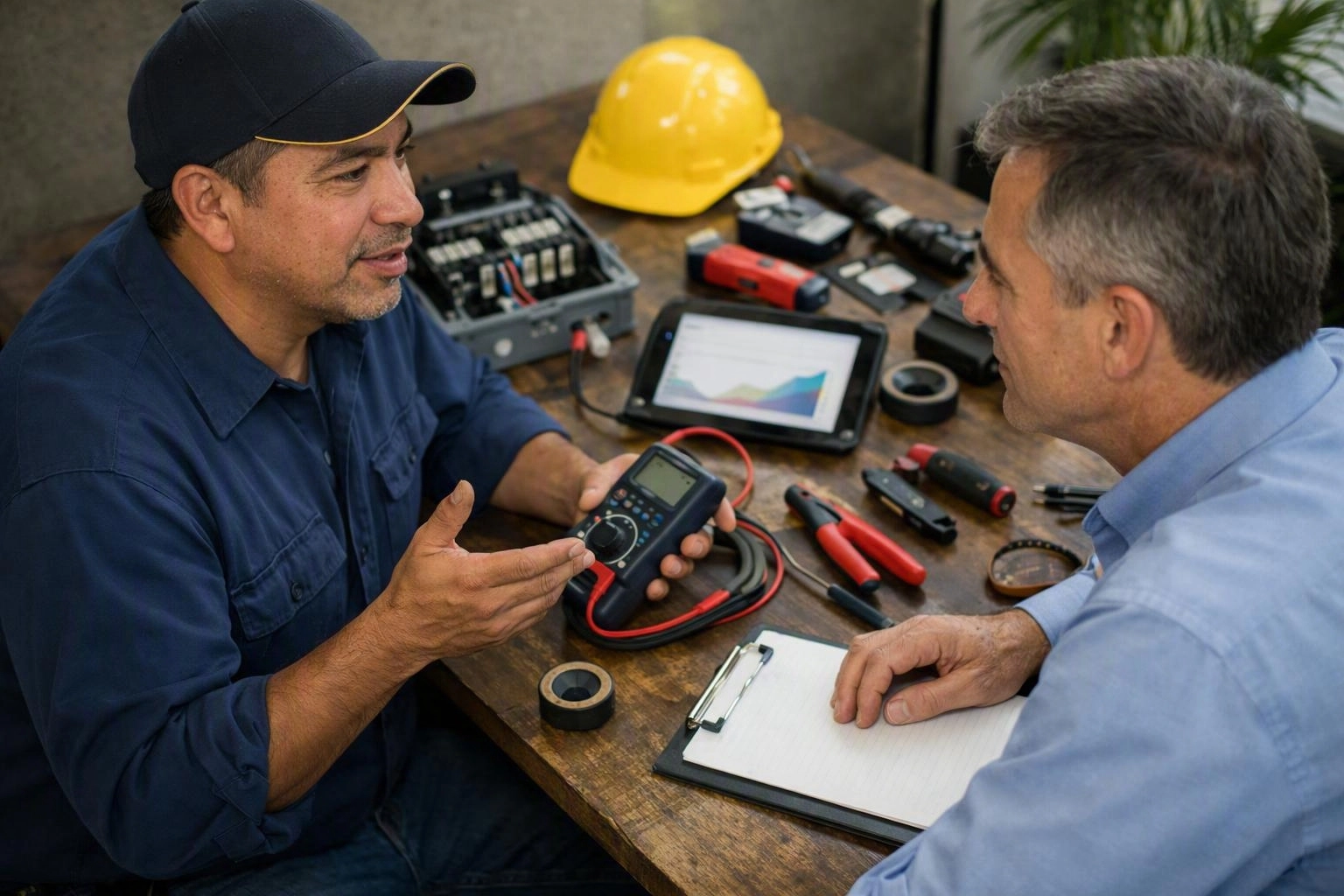
Why Businesses Need Preventive Electrical Maintenance
Preventive electrical maintenance gives businesses a planned way to manage safety and reliability concerns. We use maintenance findings to help reduce avoidable disruption and support business continuity.
Our team records the conditions we observe and explains which repairs support immediate safety and which work can be planned. This approach helps businesses make informed maintenance decisions.
How Maintenance Supports Safer, More Reliable Operations
Preventive electrical maintenance supports safer operations by identifying deteriorating components and unsafe conditions before they cause disruption or damage.
Fault detection can reveal overheating, loose connections, overloaded circuits, and other causes of equipment stress. We review these conditions and recommend corrective maintenance when a repair is needed.
Power quality concerns may affect sensitive equipment, lighting, and connected systems. Our team considers the operating symptoms, the affected equipment, and the condition of the electrical distribution when planning the next step.
Regular maintenance supports operational continuity because businesses can address known concerns before they become a larger interruption. We also help organize maintenance records so future inspections can be based on clear information.
How Commercial Electrical Needs Differ by Customer
Commercial electrical needs depend on the building type, equipment, occupancy, and work performed on the property. We adjust our inspection and maintenance focus to the way each customer uses the site.
| What is being compared | Businesses and commercial facilities | Other customers |
|---|---|---|
| Primary concern | Operational reliability and safe use of building systems | The needs of the specific property and its occupants |
| Office buildings | Lighting, receptacles, panels, and equipment serving work areas | Service focus changes with the building's use |
| Retail locations | Customer-area lighting, signs, displays, and sales equipment | The electrical load and operating environment may differ |
| Industrial facilities | Distribution equipment, machinery connections, and demanding loads | Equipment type determines the maintenance focus |
| Property managers and tenant improvements | Coordinating building systems, tenant work, access, and documentation | Individual customers may have a narrower project scope |
Property managers often need clear records that separate building concerns from tenant improvements. We explain the observed condition and organize recommendations around the areas that affect the site.
Key Maintenance Features That Matter to Businesses
Businesses benefit from maintenance that connects inspection findings to practical repairs and records. Our team can shape the work around the building's electrical systems and operating needs.
For a broader service overview, businesses can review our Commercial Electrical Maintenance service information. We explain the work included in the requested scope before preparing a quote.
Common Commercial Electrical Maintenance Challenges
Commercial buildings can develop electrical problems that are difficult to identify during normal operation. We focus on the symptoms, the affected equipment, and the conditions that may be contributing to the problem.
Business interruption is often the result of a problem that has not been isolated. Our team uses electrical troubleshooting to narrow the cause and explain the repair path.
When Should a Commercial Electrical System Be Inspected?
A commercial electrical system should be inspected when its condition, use, equipment, or operating symptoms indicate that safety and reliability need review.
A preventive maintenance schedule can help businesses plan inspections based on equipment condition and site needs. We also recommend review when equipment changes, renovation, or occupancy changes affect how the system is used.
Recurring electrical faults, unusual heat, damaged wiring, flickering lights, or repeated breaker operation are reasons to arrange an electrical inspection. Our team assesses the reported symptoms and checks the related electrical equipment.
Commercial electrical inspections are also useful before work changes the load or layout of a facility. We use the findings to support repair planning and safer operation.
What Our Commercial Electrical Maintenance Process Covers
Our commercial electrical maintenance process connects the site condition to practical recommendations and a clear scope of work. We explain each step so the business can plan the work around its needs.
The exact scope depends on the condition of the commercial electrical system and the work requested. We do not treat every building as having the same maintenance needs.
How We Help Businesses Plan Electrical Repairs
Santa Ana Electrician reviews the observed condition, explains the recommended work, and prepares a quote based on the electrical systems and repairs involved.
We separate repair priorities from longer-term preventive maintenance needs so the business can understand the scope of work. Our team also explains whether the recommendation involves corrective maintenance, component servicing, lighting work, or further electrical troubleshooting.
Repair planning considers access, affected equipment, operating concerns, and the condition found during the inspection. This gives the business a practical basis for deciding how to address the work.
What Businesses Can Do When Electrical Problems Interrupt Operations
Businesses should stop using equipment that shows dangerous electrical symptoms and arrange electrical troubleshooting to identify the source safely.
A power interruption, burning odor, tripped circuit breaker, or flickering lights can indicate an electrical hazard. We recommend keeping people away from damaged equipment and avoiding repeated attempts to reset a breaker when the problem continues.
Our team provides emergency electrical troubleshooting by reviewing the reported symptom, checking related equipment, and identifying the safest repair path. Do not touch exposed wiring, damaged panels, or equipment that shows signs of burning.
When operations are affected, we help connect the immediate safety concern with the broader maintenance plan. That may include fault detection, corrective maintenance, and follow-up preventive maintenance.
Questions About Commercial Electrical Maintenance
Can commercial electrical maintenance help prevent unexpected outages?
Yes, commercial electrical maintenance can help reduce unexpected outages by identifying deteriorating equipment, overloaded circuits, loose connections, and other faults before they interrupt operations. Santa Ana Electrician checks the affected systems and explains the repairs that support reliable business operation.
What signs indicate that a commercial electrical system needs attention?
Warning signs include recurring power loss, burning odors, flickering lights, unusual heat, damaged wiring, and circuit breakers that trip repeatedly. We inspect the related equipment and identify whether the issue calls for troubleshooting, repair, or planned maintenance.
What should a business prepare before a commercial electrical inspection?
A business should prepare access to electrical panels and equipment, a record of recurring faults, details about recent equipment changes, and information about areas affected by the problem. We use those details to focus the inspection and prepare practical recommendations.
Can indoor lighting problems be included in commercial electrical maintenance?
Yes, indoor lighting problems can be included when failed fixtures, wiring concerns, controls, or changed workspace needs affect the facility. We inspect the related lighting system and explain whether the work involves maintenance, repair, or indoor lighting installation.
Santa Ana Electrician can review your commercial electrical maintenance needs, explain the repair priorities, and prepare a quote for the requested scope.
Contact our team to arrange the next step for your commercial electrical system.