How Long Does a Residential Electrical Inspection Take?
A residential electrical inspection does not have one fixed duration because the scope, access, electrical system condition, testing needs, and added work affect the time. Santa Ana Electrician reviews those factors before explaining what the inspection involves.
Get a Free Estimate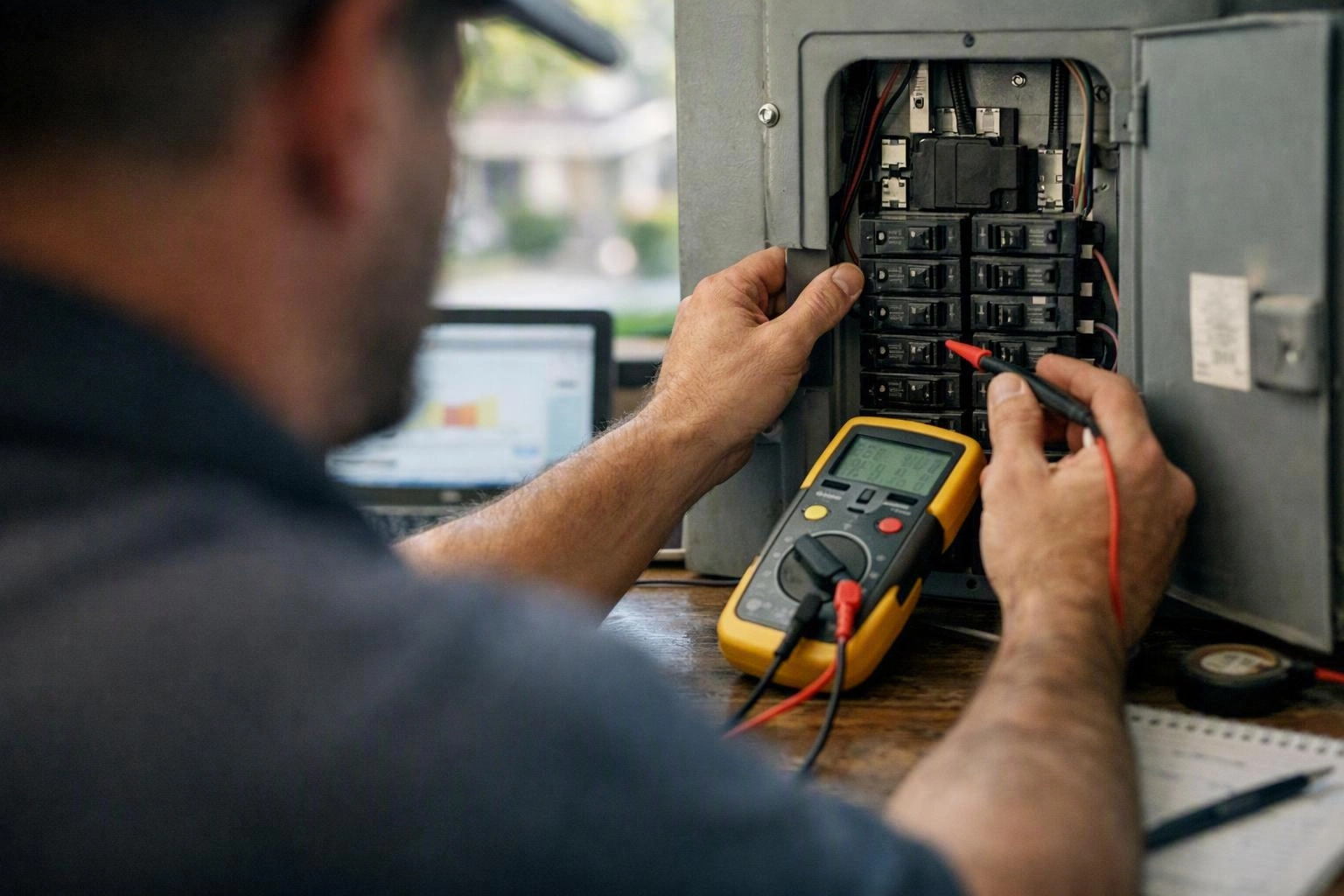
What Determines How Long a Residential Electrical Inspection Takes?
Residential electrical inspection time depends on what the inspection covers, how easily we can access the electrical system, and what testing the property needs.
Inspection scope sets the work plan. A focused electrical safety inspection may review visible equipment and common hazards, while a broader assessment may include more circuits, devices, and requested concerns.
Property access also affects the schedule. We need safe access to the electrical panel, outlets, switches, attics, crawl spaces, and other areas included in the request.
Electrical system condition can add careful review when we see damaged equipment, aging wiring, overloaded circuits, or other electrical hazards. Testing requirements also change the plan because circuit testing and functional checks take different steps from a visual review.
What Happens During a Residential Electrical Inspection?
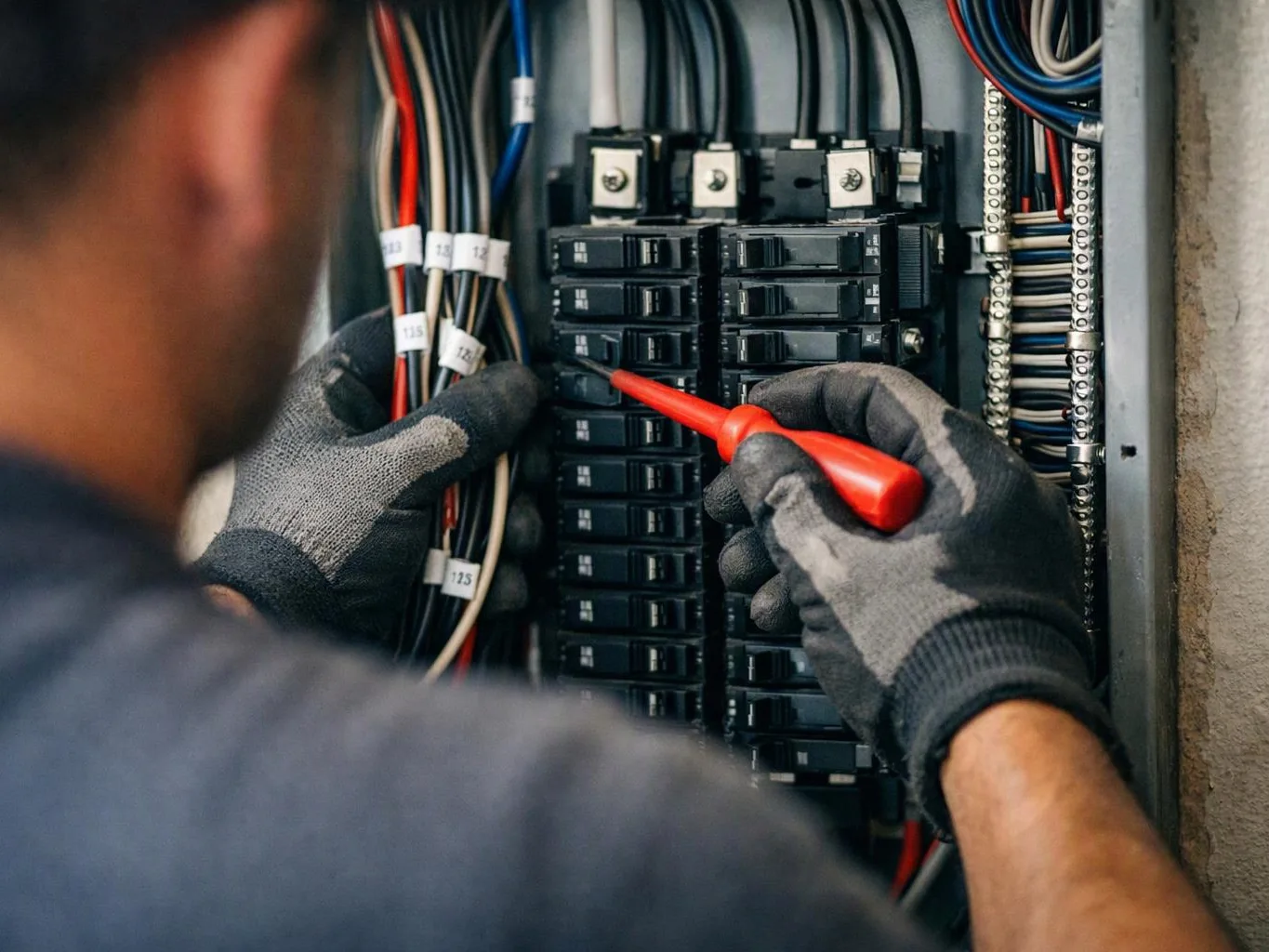
A residential electrical inspection follows an ordered review of visible electrical equipment, safety conditions, system operation, and requested inspection items.
Our team records inspection findings and explains which conditions need attention. Functional testing is performed when the equipment and access conditions make that testing appropriate.
How Does Inspection Scope Change the Schedule?
Inspection scope changes the schedule because a focused safety review requires different checks from a broader code compliance inspection or an inspection combined with smoke detector installation.
The table below shows how the requested service changes the work plan. We confirm the inspection areas, functional testing, and access requirements before preparing the quote process.
| Requested service | Work that may affect the schedule | Access or testing needs |
|---|---|---|
| Electrical safety inspection | Visible equipment, safety devices, panel condition, and requested concerns | Access to the panel and relevant rooms |
| Electrical code compliance inspection | A broader review of accessible installation conditions and inspection areas | Access to equipment, wiring paths, and areas covered by the request |
| Smoke detector installation | Planning, device placement, installation work, and operation checks | Access to installation locations and related electrical connections |
We adjust the work plan when the request includes multiple services. A clear scope helps us explain what will be reviewed and what preparation the property needs.
What Can Extend or Shorten the Inspection Timeline?
The inspection timeline changes when equipment is difficult to access, wiring is concealed, safety conditions require additional care, or the requested inspection area is limited.
Electrical panel access can shorten the work plan when the panel is clear and easy to reach. Stored items, locked areas, or blocked equipment can require added preparation before we begin.
Crawl spaces and attics may need extra care when they are tight, obstructed, or difficult to enter safely. Occupied rooms can also affect the sequence when furniture or belongings block outlets, switches, or visible wiring.
Concealed wiring cannot be reviewed in the same way as visible wiring. When we identify electrical hazards, we pause to protect people and property before continuing with any appropriate inspection steps.
Five Factors That Affect Inspection Time
Five property and service factors commonly shape the inspection work plan. We review these details before explaining the requested inspection and quote process.
These factors do not create a universal schedule. Our team uses the property details and requested services to build a practical plan for the inspection.
How Can You Prepare for a Residential Electrical Inspection?
You can help the inspection proceed smoothly by providing access to electrical equipment, identifying known concerns, and explaining which areas or devices you want reviewed.
Clear access to the electrical panel, outlets, switches, and smoke detectors helps us complete the requested checks safely. Move personal items away from equipment when you can do so without handling electrical parts.
Write down inspection questions and point out flickering lights, warm outlets, tripping breakers, or other safety concerns. We use those details to connect your concerns with the inspection scope.
Do not remove covers or enter unsafe areas to prepare for the visit. Our crew handles the electrical review and explains any access issue that affects the work plan.
When Should You Request a More Detailed Electrical Inspection?
You should request a more detailed electrical inspection when the property has recurring electrical problems, planned electrical work, uncertain wiring conditions, or a broader safety concern.
An electrical safety inspection can help when you want a focused review of hazards and accessible safety devices. We can discuss a wider scope when the concern involves several rooms or parts of the residential electrical system.
An electrical code compliance inspection may fit electrical remodeling or a property purchase when you need a broader review of accessible installation conditions. Older wiring also supports a careful discussion about what the inspection can and cannot reveal.
Repeated circuit problems deserve clear attention because the cause may involve a device, branch circuit, panel condition, or wiring. We use the reported symptoms to plan the inspection and explain any related electrical service.
How Can You Get an Inspection Plan for Your Home?
Santa Ana Electrician can review your property details and requested services to explain the inspection scope, preparation needs, and quote process.
Tell us whether you need an electrical safety inspection, an electrical code compliance inspection, smoke detector installation, or a combination of services. We use the information about your property, access conditions, and concerns to outline the work plan.
Our team can also explain which areas need to be accessible and whether functional testing is part of the requested service. Request an inspection plan through our contact page so we can discuss the details.
Questions About Residential Electrical Inspections
Does a residential electrical inspection include the electrical panel?
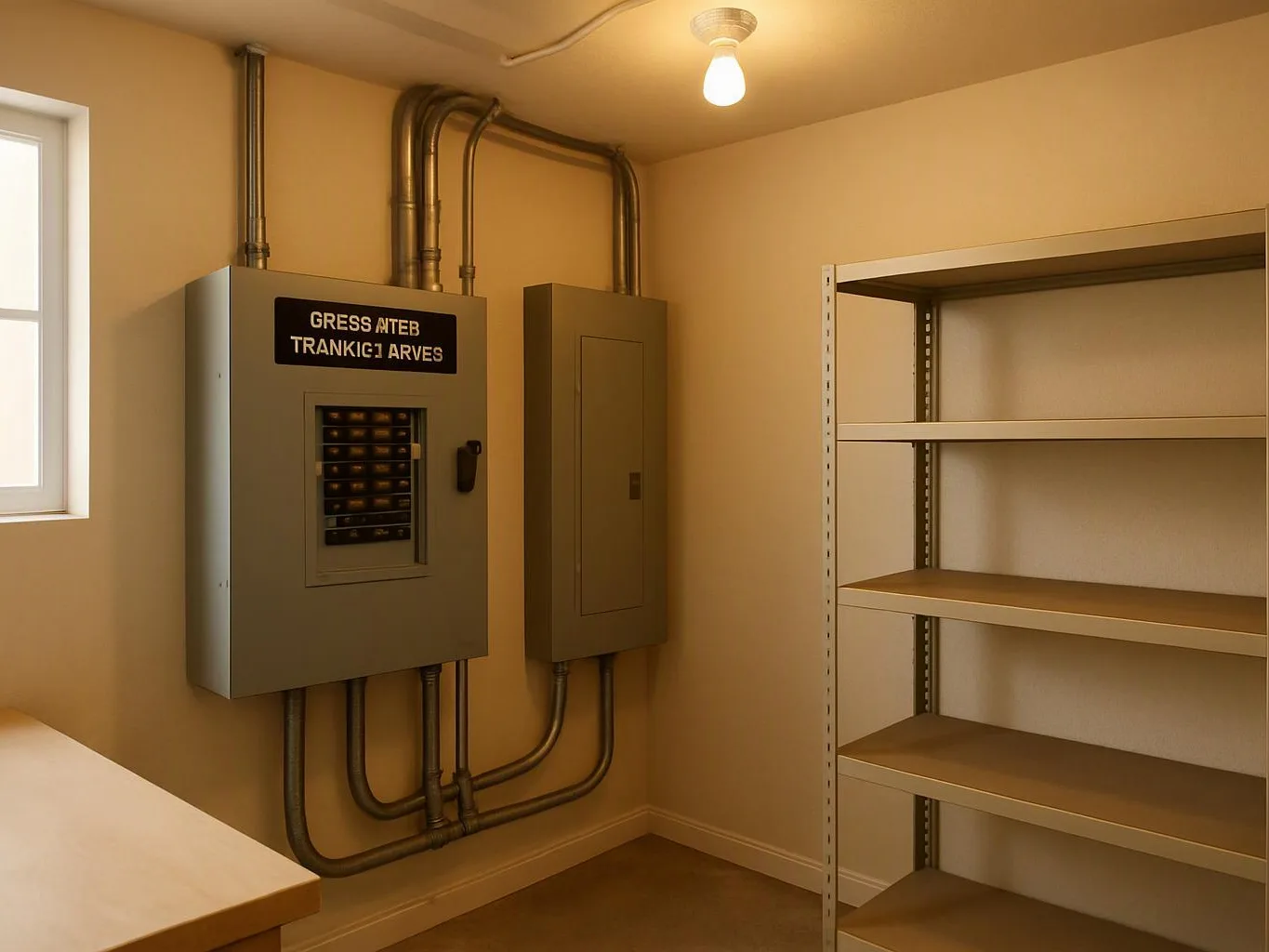
Yes, Santa Ana Electrician includes the electrical panel when the requested inspection scope covers the panel and access is available. We review visible panel condition, labeling, connections, and signs of damage.
Can smoke detector installation be included with an electrical inspection?
Yes, smoke detector installation can be included when it is requested as part of the service plan. The added work may include placement review, installation, access, and operation checks.
What should I make accessible before an electrical inspection?
Make the electrical panel, requested outlets, switches, smoke detectors, and other inspection areas accessible. Clear stored items without handling electrical components, and tell us about any room or area that cannot be reached safely.
Will an electrical inspection identify hidden wiring problems?
No, a standard visual inspection cannot confirm every concealed wiring condition. We report accessible findings and explain when a concern may require additional investigation.
Does a home inspection replace a dedicated electrical inspection?
No, a general home inspection does not always replace a dedicated electrical inspection. We focus the electrical review on the panel, circuits, wiring, grounding, safety devices, and other items included in the requested scope.