Electrical Inspections for Home Buyers and Sellers
Electrical inspections before buying a home identify safety hazards, wiring defects, panel limitations and code concerns; Santa Ana Electrician checks these conditions and explains which repairs or upgrades may affect the decision.
Get a Free EstimateWhy Home Buyers and Sellers Need an Electrical Inspection
An electrical inspection gives buyers and sellers a clearer view of electrical safety, repair needs and system condition before a property transaction. Our team documents accessible concerns so the inspection findings can support a practical decision.
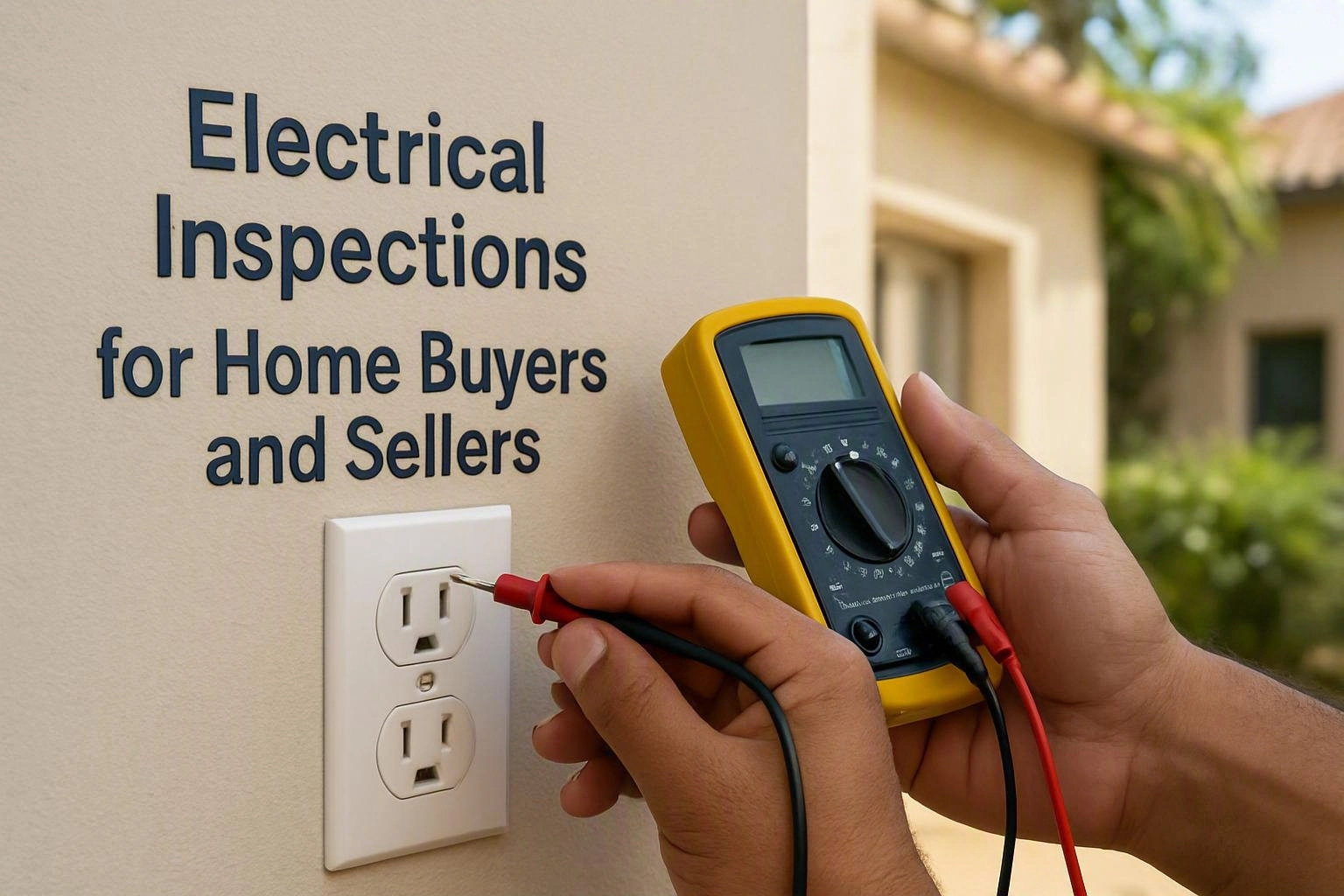
What Home Buyers and Sellers Need From an Electrical Inspection?
Home buyers and sellers need different inspection outcomes because buyers assess risk and future work while sellers prepare for disclosure and negotiations. We organize the findings around the real estate transaction, accessible conditions and useful electrical documentation.
| What is being compared | Home buyers and sellers | Other customers |
|---|---|---|
| Primary concern | Buyers assess safety, defects and likely electrical work; sellers identify conditions that may affect disclosure or negotiation. | Landlords and homeowners focus on ongoing maintenance, tenant safety or planned improvements. |
| Timing | The inspection supports a purchase decision or helps prepare a property for listing. | Other customers usually schedule an inspection after an electrical concern, renovation plan or maintenance need. |
| Documentation | Written findings help clarify visible defects, recommended repairs and questions for the transaction. | Other customers may need service records, repair details or planning information for their own property. |
| Decision affected | Findings can influence repair requests, disclosure decisions, negotiation and whether further evaluation is needed. | Other customers use findings to prioritize maintenance, safety work or upgrades. |
What We Check During an Electrical Inspection Before Buying a Home
An electrical inspection examines accessible electrical components for visible hazards, unsafe conditions, functional concerns and possible code compliance issues. We review the electrical service, electrical panel and circuit breaker condition before explaining the findings.
Our team looks at visible wiring, grounding and bonding, receptacles, light switches and signs of electrical damage. We also check for GFCI outlet protection and AFCI protection where accessible, while noting conditions that may require further testing or correction.
Which Electrical Problems Matter Most When Buying an Older Home?
Electrical problems in older homes matter most when they create immediate safety risks, limit modern electrical use or indicate that major system work may be needed. Our team helps separate visible hazards from conditions that require deeper evaluation.
Electrical Inspection Features That Matter to Buyers and Sellers
The most useful inspection features are clear safety findings, accessible-system checks, practical repair recommendations and documentation that supports the property decision. We focus on information that can be understood by the buyer, seller and real estate agent.
Common Challenges With Electrical Inspections During a Home Sale
Home-sale inspections can be limited by concealed conditions, restricted access, previous alterations and disagreements about which repairs should be completed. We explain the limits of an accessible inspection so the parties can ask informed questions.
How an Electrical Inspection Supports a Home Purchase or Sale
The inspection process moves from reviewing the property and accessible electrical systems to documenting findings, explaining priorities and planning any needed work. We keep the process focused on the transaction stage and the condition that prompted the request.
When Should Sellers Schedule an Electrical Inspection?
Home sellers should schedule an electrical inspection before listing when they want to understand electrical issues, plan repairs or prepare more complete property disclosures. A pre-listing inspection gives our team a chance to explain visible concerns before a buyer inspection raises them.
We can help organize repair priorities so the seller and real estate agent understand which electrical repair may affect the listing or later negotiation. Sellers can then decide how to address documented conditions before presenting the property.
How Buyers Can Act on Electrical Inspection Findings
Home buyers should separate urgent safety concerns from improvement recommendations, then use the documented findings to guide repair requests and purchase decisions. Our team explains what each finding means for safety, use and possible future work.
An inspection report can support questions about repair priority, a safety hazard, an electrical upgrade or a condition that needs further evaluation. Buyers should keep the repair request tied to the documented issue and the scope needed to address it.
How Santa Ana Electrician Helps With Electrical Inspection Findings
Santa Ana Electrician reviews electrical inspection concerns and explains the work needed to address safety defects, code-related issues, rewiring needs, panel limitations or GFCI protection. We connect the inspection findings to a clear repair or upgrade scope.
Our team can discuss an Electrical Safety Inspection, Electrical Code Compliance Inspection, Electrical Rewiring, Electrical Panel Upgrade or GFCI Outlet Installation when the property condition calls for that next step. We explain what the work addresses so buyers and sellers can make an informed decision.
Questions About Electrical Inspections for Home Buyers and Sellers
Can a home inspection replace an electrical inspection?
Santa Ana Electrician provides an electrical inspection that focuses on accessible electrical components and electrical safety concerns. A general home inspection may note visible electrical issues, while an electrical inspection gives those conditions more focused review.
Should I get an electrical inspection for an older house?
Yes, an older house can benefit from an electrical inspection when its wiring, panel, grounding or protective devices may not suit current use. We identify accessible concerns and explain whether further evaluation or repair planning is appropriate.
What happens if an electrical inspection finds problems before closing?
Inspection findings before closing can lead to questions, repair requests, disclosure updates, further evaluation or a change in the purchase decision. We explain the condition and the likely repair scope so the parties can discuss the next step.
Can an electrical inspection identify hidden wiring problems?
No, an accessible electrical inspection cannot confirm every concealed wiring condition without access to enclosed areas. We document visible evidence, note inspection limits and explain when additional evaluation may be needed.
Should sellers repair electrical issues before listing a home?
Yes, sellers should consider addressing documented electrical issues before listing when the work improves safety, clarifies disclosure or reduces repair negotiation. We help define the repair scope so the seller can make that decision with clearer information.
Santa Ana Electrician reviews your electrical inspection findings and explains the next repair or upgrade step. Contact us to discuss the property, accessible concerns and the scope needed for a clear estimate.
Contact Santa Ana Electrician