How Long Does Electrical Troubleshooting Take in Santa Ana, CA?
Electrical troubleshooting takes 30 minutes to 2 hours for simple issues. Average faults often take 2 to 4 hours. Complex problems may take several hours or more. A Santa Ana electrician can work faster with clear symptoms and open access. The affected circuit and electrical panel also matter. Emergency troubleshooting may take longer after testing begins. Damaged wiring, overloaded circuits, and hidden faults can add time. Safety hazards may also require extra steps. Circuit breaker repair and safety inspections may fit into one visit. Replacement parts, wall access, or utility work can extend the job. At Santa Ana Electrician, we explain the cause and repair choices first.
Get a Free EstimateHow Long Does Electrical Troubleshooting Usually Take?
Electrical troubleshooting usually takes 30 minutes to 2 hours for simple faults. Average problems often take 2 to 4 hours. Complex wiring issues may take several hours or more. A Santa Ana electrician may need more time for hidden or unsafe faults.
The first visit may include testing and a repair plan. These times cover diagnosis, not always the full repair. Most simple jobs take 30 minutes to 4 hours. This estimate assumes the circuit is easy to reach.
| Project scope | Typical duration | What it may involve |
|---|---|---|
| Simple | 30 minutes to 2 hours | One outlet, switch, light, or accessible breaker |
| Average | 2 to 4 hours | Several devices, a short circuit, or a circuit that needs tracing |
| Complex | Several hours or more | Hidden wiring, multiple circuits, panel defects, or unsafe conditions |
Typical Timelines by Electrical Problem
A breaker that trips once may need only a quick check. This is true when the connected load is known. A failed outlet or light can also be a short visit. The electrician must still test the wires and connections. Testing checks for shorts, loose connections, and ground faults.
Power loss in one room may take longer to trace. Several outlets may share the same circuit. A wider outage may involve the panel or service equipment. It may also involve the utility. Older Santa Ana homes may have mixed wiring from past remodels. Their circuits may also have limited panel capacity. Circuit mapping may show which breaker serves each outlet or appliance.
Local site conditions can affect the visit. Santa Ana has a warm, dry Southern California climate. Exterior wires and outdoor equipment may face heat and weather. High-use circuits may need more testing. These conditions don't cause the same issue at every home.
What Happens During an Electrical Troubleshooting Visit?
Electrical diagnosis starts with a symptom review and visual check. Next, the electrician tests voltage, continuity, and the circuit. The electrician finds the fault and checks connected devices. The panel also gets checked. Then, the electrician explains the cause and repair choices.
We ask when the issue began and what changed. We ask if one appliance, outlet, room, or weather event affects it. This history helps separate a device failure from a circuit problem. We also check for heat marks, loose covers, and moisture. Damaged insulation and past changes can also matter.
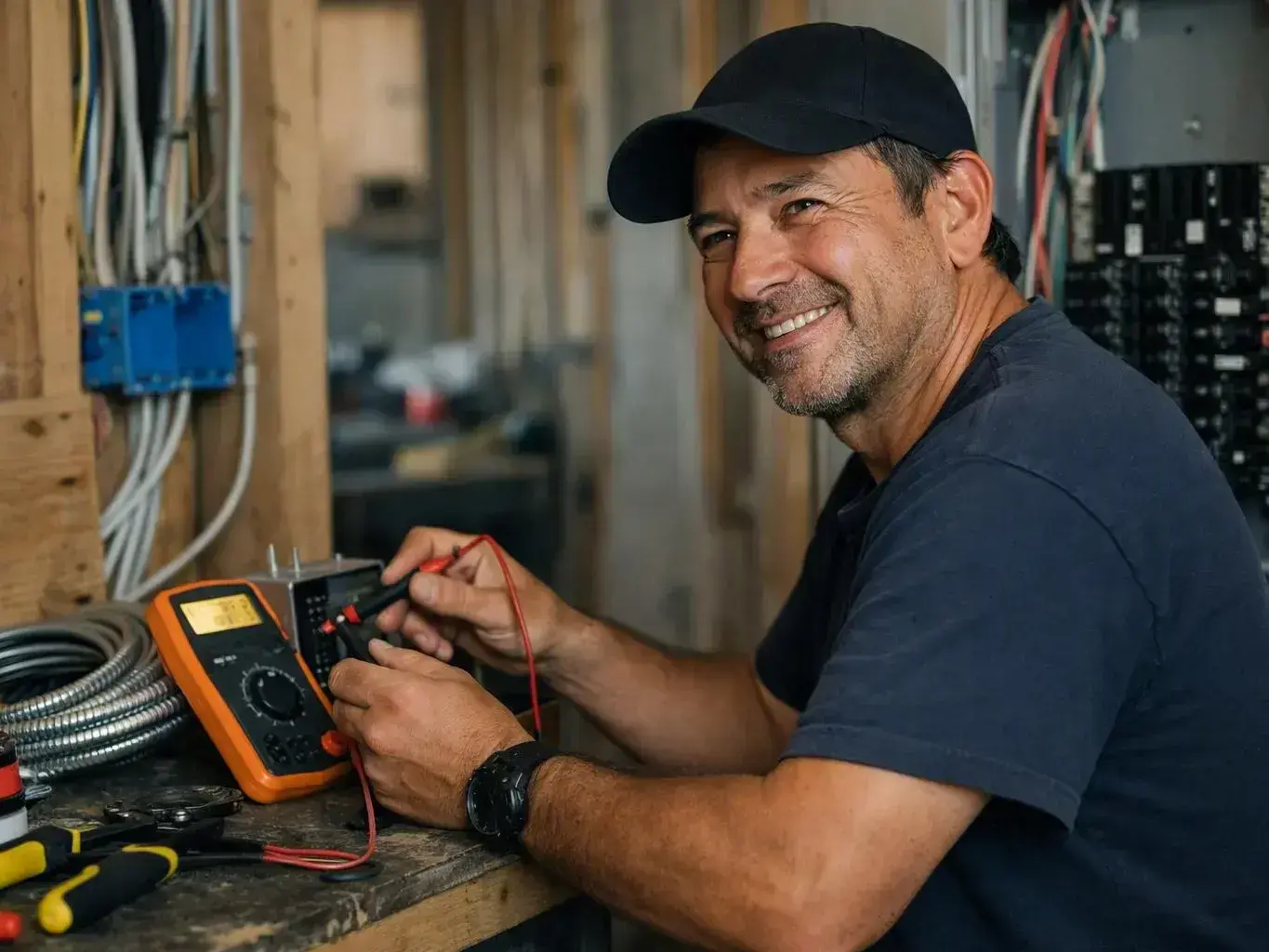
During voltage testing, a qualified electrician checks for power. The readings should also remain steady. Continuity testing checks for broken wires or open connections. The circuit must be made safe before this test. Resetting a breaker isn't enough. The goal is to find why power is missing.
Circuit mapping may help when labels are wrong. It also helps when several rooms share one circuit. We find which outlets, lights, and appliances connect together. Then, we test each part in order. This step helps in older homes and remodeled homes.
An electrical safety inspection may follow a wider concern. The electrician can check grounding, visible wires, and the panel. Device covers and signs of overload also need review. We explain which issues need quick action. Other repairs may be planned for later.
Limited access can add time to the visit. Panels, garages, crawlspaces, and tenant areas may be hard to reach. Clear access helps the electrician work safely. A locked area or finished wall may stop testing. Proper access must be arranged before work continues.
What Can Make Electrical Troubleshooting Take Longer?
Electrical troubleshooting takes longer when faults come and go. Hidden or damaged wires can also slow the work. Multiple circuits and older panels may add testing time. Access, safety shutdowns, and parts can extend the visit. Utility work may also be needed. Clear symptoms and safe access can shorten the diagnosis.
Some faults are easy to repeat. Others disappear before the electrician arrives. Those issues need more tests and checks. Our team records what was tested. We explain the facts behind each repair choice.
Panel age can also affect the timeline. Old breakers, poor labels, and heat marks may signal larger issues. Limited capacity can change a small repair into a bigger plan. Permits and inspections may be needed for some work. This includes panel replacement, new circuits, and service upgrades. Current City of Santa Ana rules should be checked first.
When an Emergency Electrical Problem Needs Immediate Attention?
Emergency electrical troubleshooting is needed for smoke, sparks, or burning smells. It is also needed after an electrical shock. Repeated breaker trips with heat or noise need quick help. Turn off power only if it's safe. Leave the area if smoke or fire appears. Call emergency services for an active fire. Don't touch damaged equipment.
- A burning smell, smoke, or hot panel may signal a serious hazard.
- Don't use a sparking outlet, even if it still works.
- Shock, tingling, or repeated trips may show a dangerous fault.
- Keep children and others away from exposed wires and wet equipment.
A 24 Hour Electrician may help after hours. The electrician can isolate the danger and check the property. Emergency service doesn't always finish the full repair. Parts, wall access, and utility work may still add time.
How Long Do Breaker Repair and Safety Inspections Take?
Circuit breaker repair often takes less time than hidden wire repair. The cause of the trip still controls the total time. An electrical safety inspection may take longer. It checks outlets, grounding, panels, visible wires, and other hazards.
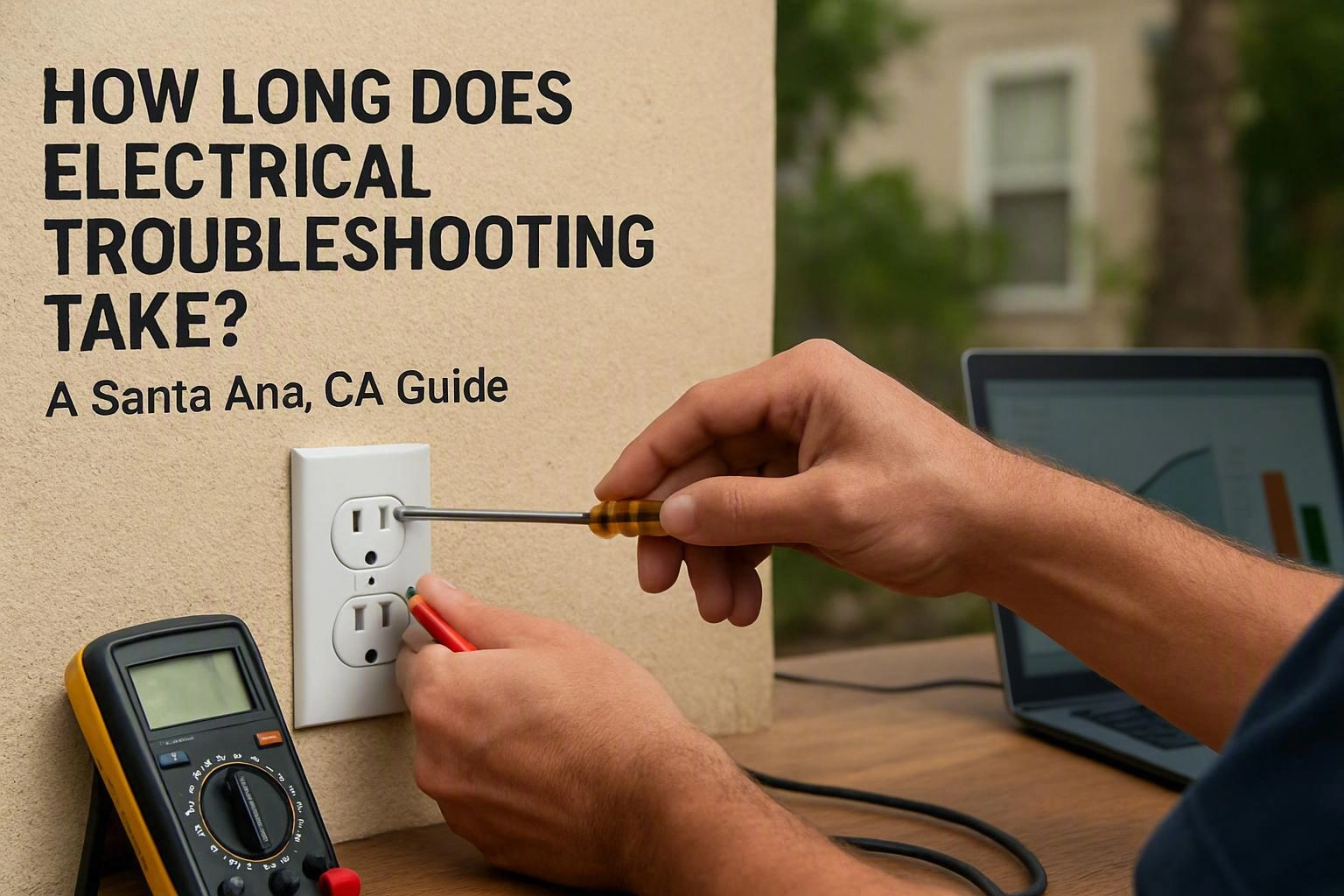
A simple breaker repair starts with finding the failed breaker. The electrician checks the circuit load and connected wires. Resetting the breaker isn't a complete repair. A short, ground fault, loose wire, or bad appliance may cause another trip.
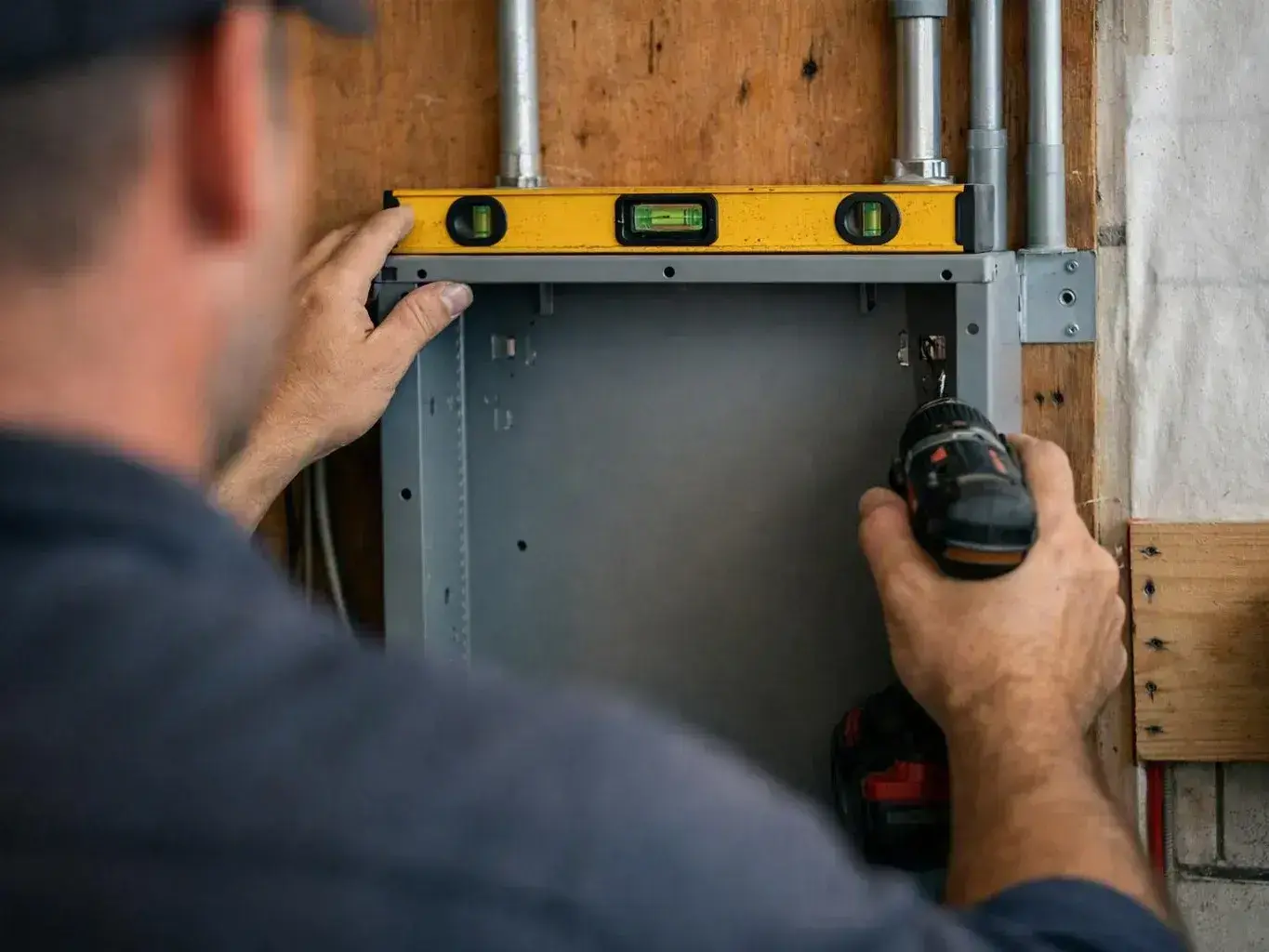
Panel repairs take longer when parts are damaged or outdated. Poor labels and limited space can also slow the work. The electrician may need to shut down more of the home. An incompatible or unavailable breaker may require another visit.
An electrical safety inspection covers more than one fault. We may check outlets, switches, grounding, and visible wires. Outdoor equipment and the service panel may also need review. We check arc-fault circuit interrupter protection when needed. We also check ground-fault circuit interrupter protection. These devices help lower fire and shock risks. They don't replace testing for damaged wires.
A new circuit, service upgrade, or panel replacement may need permits. City inspections may also affect the schedule. Current City of Santa Ana rules should be confirmed. Hidden access and utility work usually add more time. A visible device replacement is often faster.
How Can You Prepare for a Faster Electrical Diagnosis?
Electrical diagnosis can move faster with clear details. Note when the problem happens and which devices are affected. Keep the electrical panel easy to reach. Tell the electrician about remodels or water exposure. Don't remove panel covers or touch damaged wires.
Write down if the issue happens at a set time. Note if it follows hot weather, rain, or a large appliance. Also note buzzing, flickering, odors, heat, or power loss. These details can show whether one device or the circuit has failed.
Never test a wet outlet or exposed wire yourself. Don't use a damaged appliance. Safe access means reaching the area without touching electrical parts. Good preparation can shorten the visit. It can't replace professional testing.
When Should You Call a Santa Ana Electrician?
Buzzing panels, sparks, shocks, and unexplained power loss also need review. Warm electrical parts can signal danger. Turn off power only when it's safe. Request emergency electrical troubleshooting for smoke or exposed live wires.
Call for help when a reset doesn't restore power. Get help when one circuit keeps failing. Several rooms losing power may show a larger fault. We find the hazard before replacing parts.
Homeowners in Santa Ana, CA may need an inspection for older homes. Mixed wiring, recent remodeling, and weathered outdoor equipment are also reasons. A small panel may not handle today's load. Early electrical problem inspection can find issues before an outage.
Questions About 24 Hour Electrician
How Long Does It Take an Electrician to Diagnose a Problem?
Simple problems often take 30 minutes to 2 hours to diagnose. Average faults often take 2 to 4 hours. Hidden, intermittent, or multi-circuit problems may take several hours. Access, panel condition, and safety shutdowns affect the time.
How Long Does It Take to Fix a Tripped Circuit Breaker?
A breaker may be checked during a short visit. This applies when the cause is clear and the panel is easy to reach. An overloaded circuit, short, ground fault, appliance, or damaged wire can take longer.
Why Does Electrical Troubleshooting Take so Long?
The fault may come and go or hide behind a wall. It may also affect several circuits. An electrician must test safely and confirm the cause. Panel or wiring hazards may need extra care.
How Much Does an Electrician Charge for Troubleshooting?
The charge depends on time, urgency, access, testing, parts, and repair size. Ask how the diagnostic fee works. Also ask if repair work costs extra. Don't choose a repair by price alone.
Can an Electrician Find a Short Circuit in a House?
Yes. An electrician can isolate circuits and perform safe tests. The electrician can map devices and inspect reachable wires. A fault inside a wall may need more access and repair planning.
Clear symptoms and safe access can shorten electrical fault finding. Prompt testing can help prevent worse damage. Arrange an evaluation for heat, sparks, smoke, power loss, or damaged wires.
Request Electrical ServiceRelated Resources
How Much Does a 24-Hour Electrician Cost in Santa Ana?
24 hour electrician cost Santa Ana CA
How It WorksWhat Happens When You Call an Emergency Electrician?
emergency electrical troubleshooting process
How It WorksElectrical Safety Inspections: Cost, Timing, and What the Electrician Checks
electrical safety inspection cost and process
Compared ToCircuit Breaker Repair, Replacement, or Fuse Replacement: Which Do You Need?
circuit breaker repair vs fuse replacement