Electrical Safety Inspections in Santa Ana, CA: Cost and Process
An electrical safety inspection in Santa Ana, CA typically costs according to the property size, electrical system complexity, and inspection scope. An electrician examines the service panel, wiring, outlets, switches, grounding, GFCI and AFCI protection, smoke alarms, carbon monoxide detectors, and visible safety hazards. Most inspections take about one to three hours. While larger or older properties may require longer. The electrician provides findings, explains urgent risks, and may recommend code-compliance repairs. Buyers should schedule an inspection before closing so defects, safety concerns, and likely repair costs can inform the purchase decision. At Santa Ana Electrician, we explain the inspection scope clearly before work begins.
Get a Free Estimate
How Much Does an Electrical Safety Inspection Cost in Santa Ana, CA?
Electrical inspection costdepends on property size, system complexity, access, and the requested inspection scope.Santa Ana, CA electrician should clarify whether the service covers a visual safety assessment, code-compliance review, or testing of devices and circuits. Repairs, permit work, and detector or surge-protection installation are separate services.
There is no single price for every property inspection. A small, accessible home with one service panel may need less labor than an older property with several additions, a detached structure, or hard-to-reach wiring. The electrician's labor reflects the time needed to inspect equipment, test selected devices, document findings, and discuss next steps.
Ask whether the written scope includes the service panel, branch circuits, outlets, switches, grounding, protective devices, and visible wiring. Also ask if testing is limited to accessible areas. Concealed conditions cannot be confirmed without opening walls or other finishes, and invasive work is normally quoted separately.
Santa Ana housing stock includes older homes, remodeled properties, and mixed-era electrical components. Those conditions can increase the inspection scope because concealed alterations, aging wiring, and unpermitted work may need closer review. A clear scope helps prevent confusion between an inspection fee and a later repair estimate.
For a purchase, request the report before important transaction deadlines. We can separate urgent safety work from improvements that may be planned later. If a problem needs correction, the owner can then compare a defined repair scope rather than relying on a vague allowance.
What Can Change the Inspection Price?
Several site conditions affect the time and detail required. A phone discussion before the appointment can help identify the right inspection level and reduce surprises.
Exterior equipment also deserves attention. Warm, dry conditions and occasional moisture exposure around outdoor equipment can contribute to enclosure, connection, or corrosion concerns where those parts are accessible.
What Does an Electrical Safety Inspection Include?
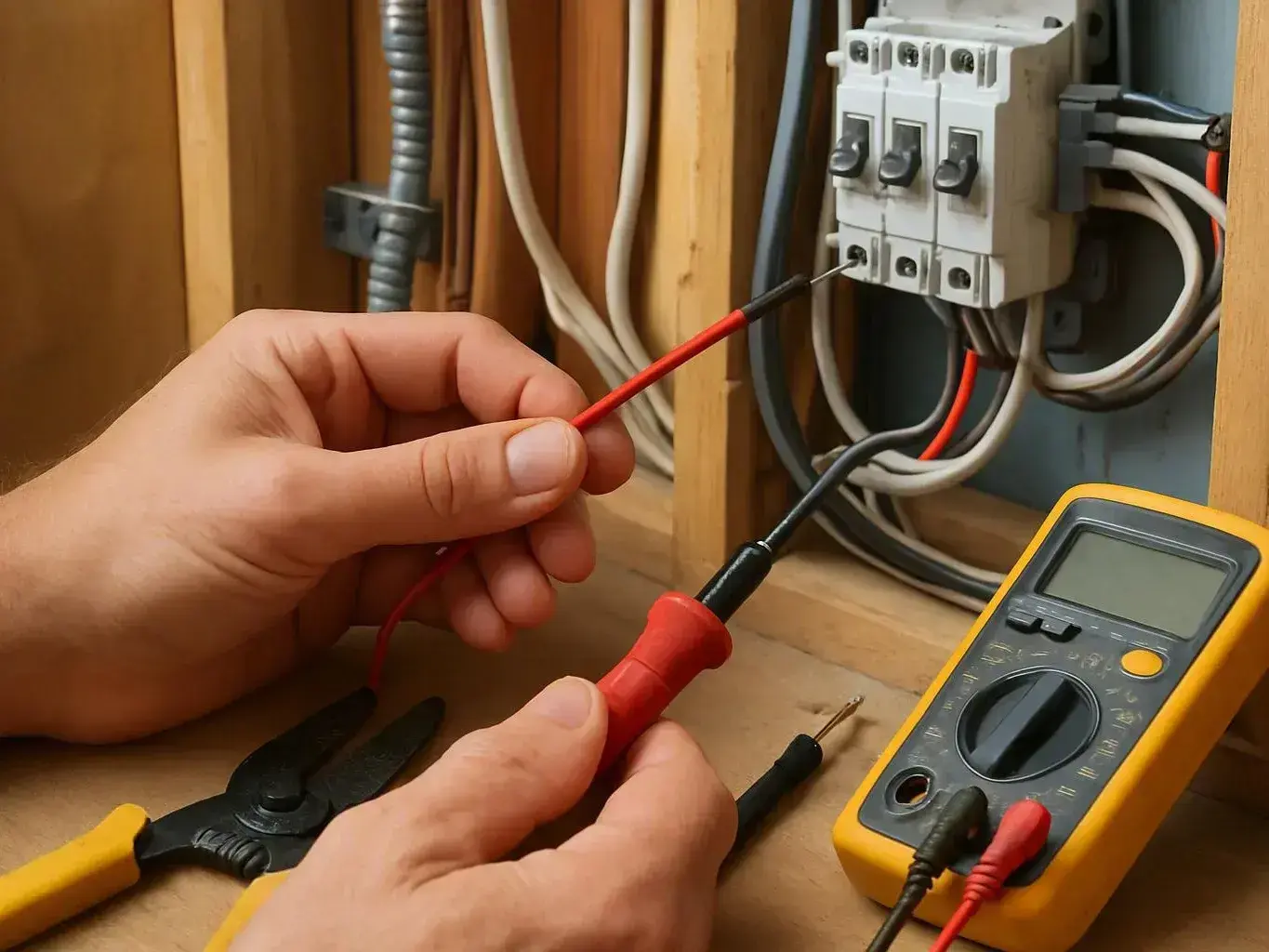
An electrical safety inspection includes a visual review of wiring, the service panel, breakers, outlets, switches, grounding, bonding, and protective devices. The electrician also checks accessible hazards, GFCI and AFCI protection, smoke and carbon monoxide detectors, and signs of overheating or damage, then documents defects and recommended corrective work.
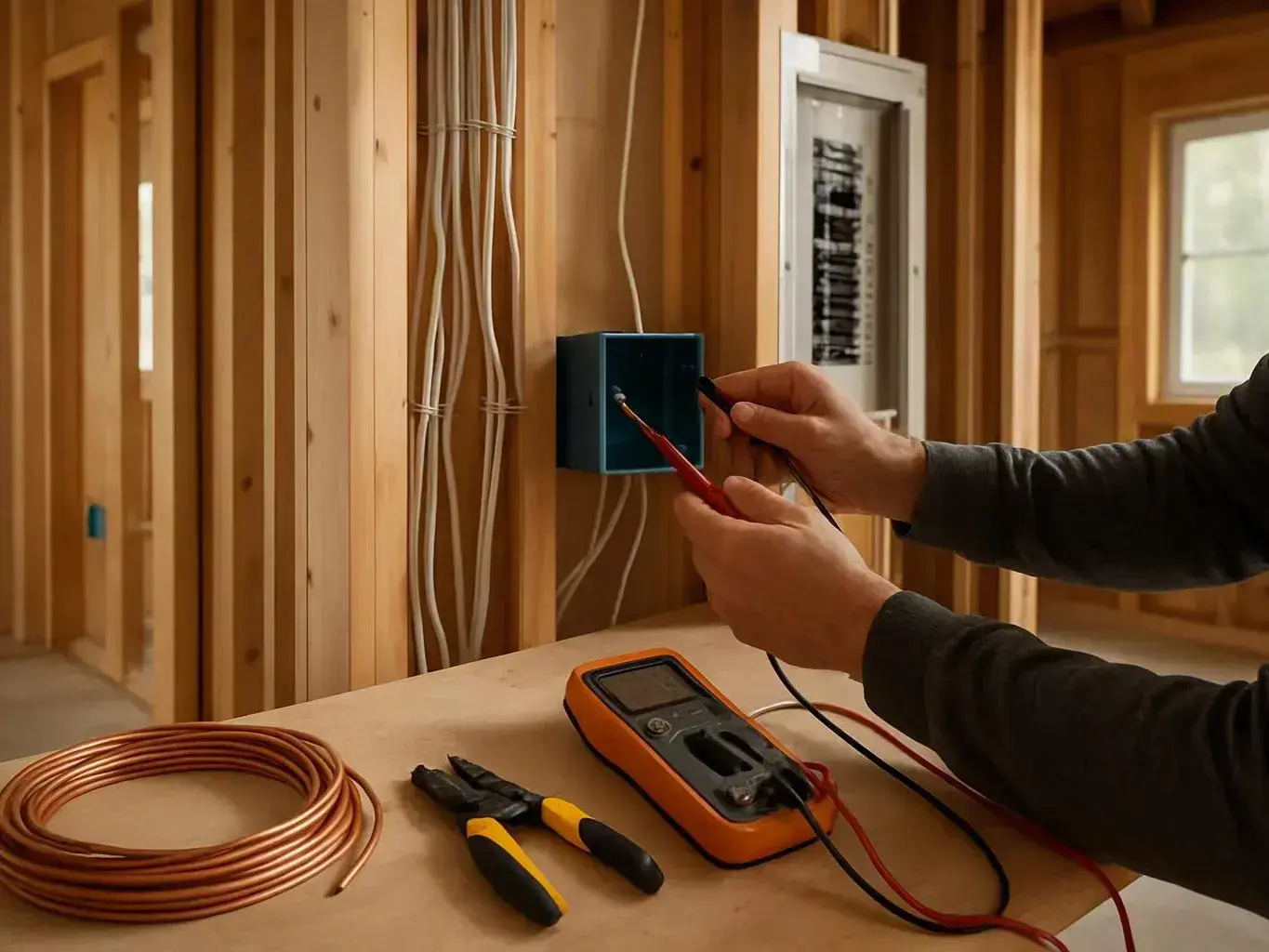
Our team begins with the main electrical service and follows power into accessible branch circuits. We look for damaged insulation, improper splices, loose fittings, overloaded circuits, missing covers, and signs that equipment was altered during remodeling. We do not assume that a working outlet is safe, correct polarity, grounding, protection, and physical condition all matter.
The service panel and circuit breakers receive close attention. The inspection may identify double-tapped conductors, missing blanks, heat marks, incorrect breaker sizing, poor labeling, or a panel that does not match the property's apparent electrical needs. Grounding and bonding are reviewed where visible. Including connections that help fault current travel safely.
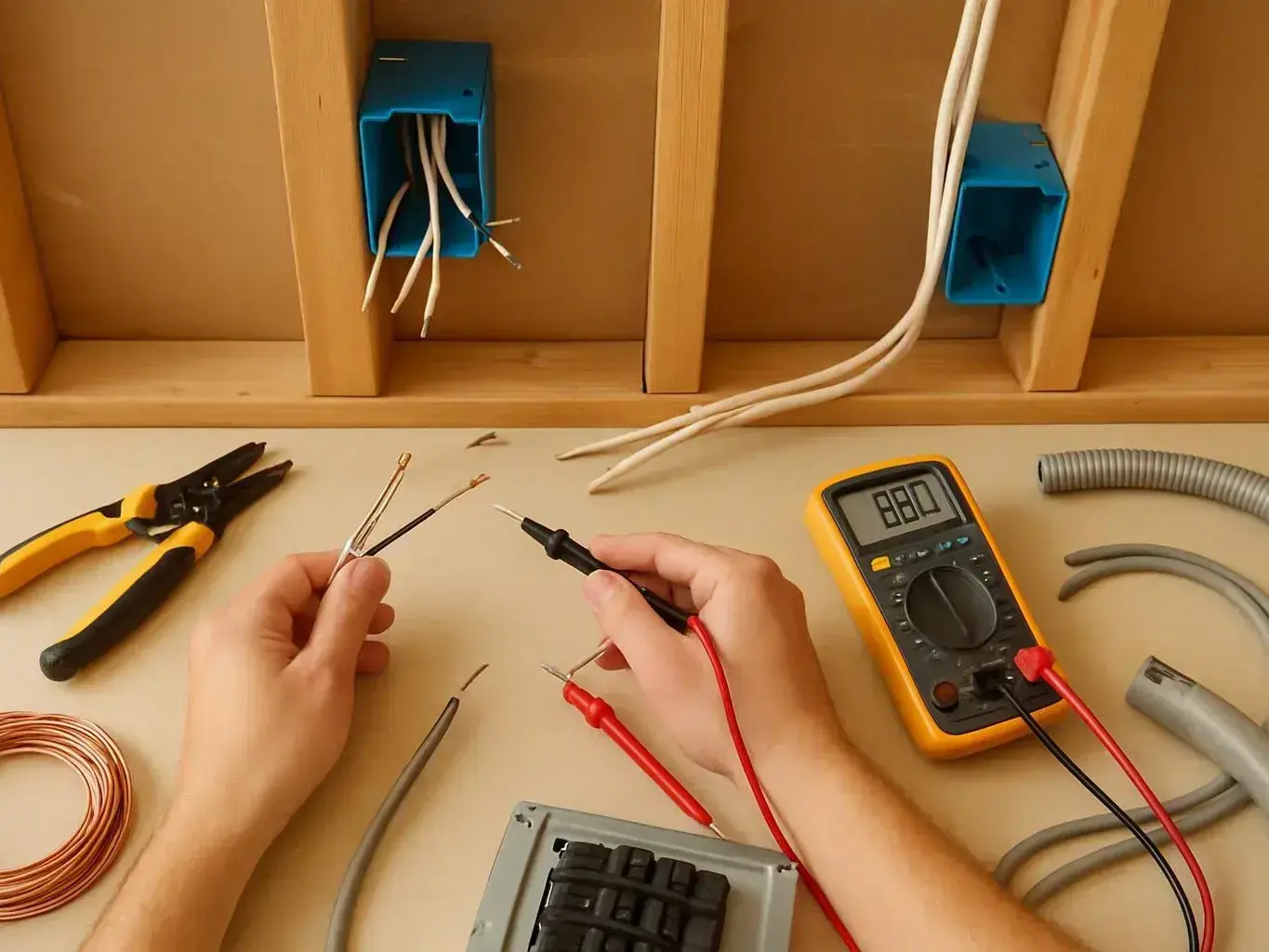
Testing may include GFCI outlets in kitchens, bathrooms, garages, laundry areas, and outdoor locations. GFCI protection helps reduce shock risk from ground faults. AFCI protection is also checked where applicable because an arc fault can start a fire inside wiring or equipment. The exact testing method depends on access, device type, and the inspection scope.
Life-safety equipment is part of the review when present and accessible. We note the condition and placement of smoke detectors and carbon monoxide detectors, but detector replacement or installation is separate work. The final report should explain observed home electrical hazards in plain language and identify what needs prompt correction.
This building safety assessment is not destructive testing. Hidden defects may remain unknown unless the owner authorizes additional investigation. We explain those limits so the report is useful without overstating what a visual inspection can prove.
Which Electrical Problems Require Immediate Attention?
Immediate attention is appropriate when a defect can cause shock, fire, or rapid equipment damage. Turn off unsafe equipment when possible and request expert help rather than touching damaged conductors.
- Electrical arcing, Crackling, flashing, burning smells, or visible sparks can indicate a dangerous fault.
- Overheating, Hot breakers, warm receptacles, discoloration, or melted plastic may signal excessive current or a poor connection.
- Exposed conductors, Bare energized wiring, missing covers, and open boxes create a direct shock risk.
- Loose connections can create heat and intermittent power, especially at panels, switches, receptacles, or junction boxes.
- Receptacle damage, including broken faces, loose mounting, scorch marks, or water exposure, should not be ignored.
Do not use water near electrical equipment, remove a panel cover without proper training, or repeatedly reset a tripping breaker. A 24 Hour Electrician may be appropriate when there is active smoke, burning odor, sparking, or loss of power tied to a visible hazard.
What Happens During the Electrical Inspection Process?
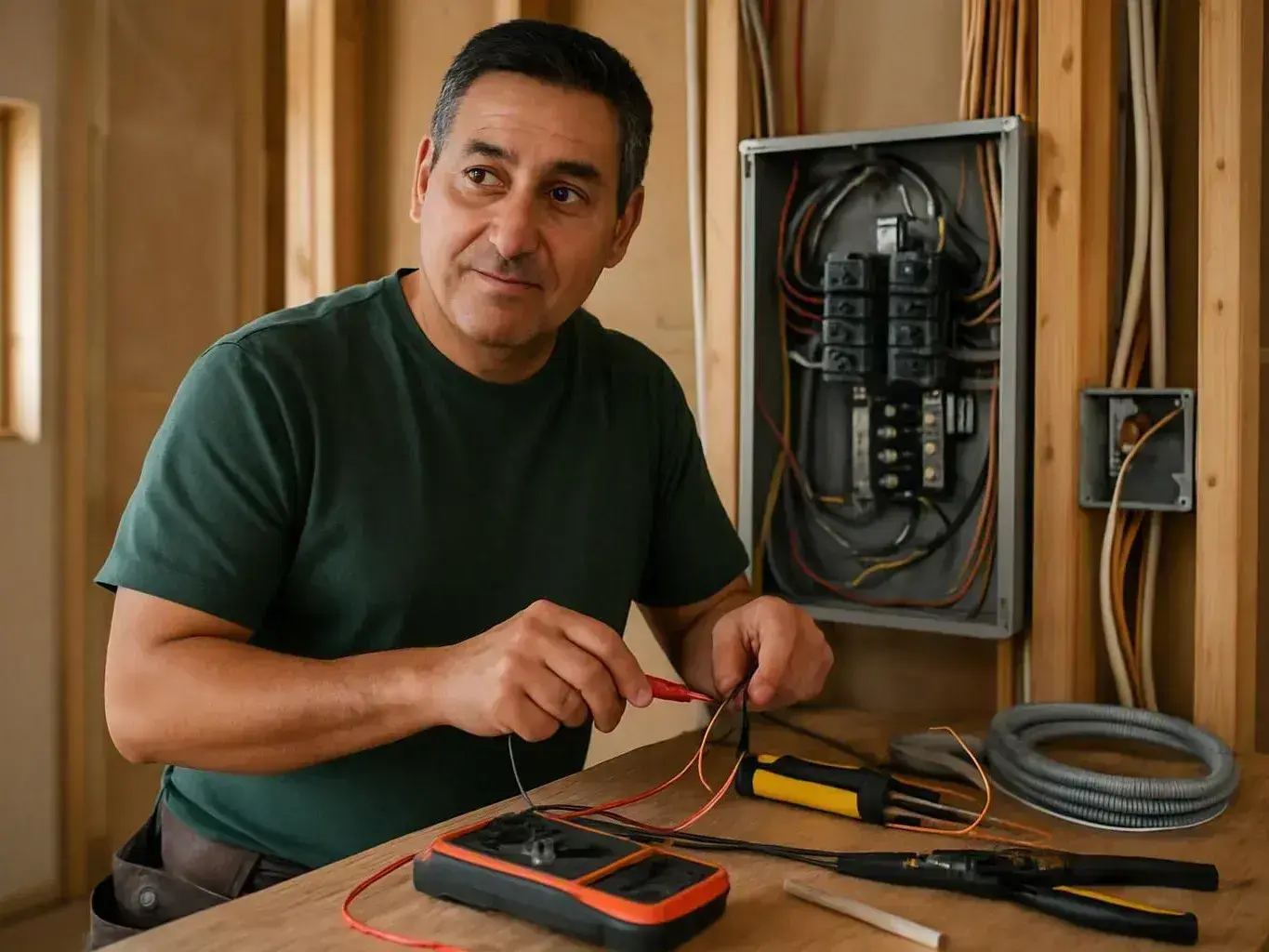
The electrical inspection process starts with a discussion of the property's age, concerns, and inspection purpose. The electrician then examines accessible equipment, tests selected circuits and safety devices, records deficiencies, explains their severity, and provides recommendations. The visit may also identify work needing a qualified repair electrician or local permit review.
An expert electrical contractor should explain findings without pressuring the customer to approve unrelated work. The report is a decision tool. Not a promise that every concealed condition has been found.
For buyers, the process should fit the real estate transaction. Share inspection contingency dates and request permission for reasonable access before the appointment. This helps the buyer understand life-safety defects, likely repair costs, and any need for repair negotiation before closing.
How Long Does an Electrical Inspection Take?
Electrical inspection duration depends on the property's size, number of panels and circuits, system age, accessibility, and testing requested. A small inspection may take under two hours, an average residential inspection commonly takes a few hours, and a large or complicated property can require additional time or a return visit.
Most straightforward residential jobs take about one to three hours as a typical range, but that is not a guarantee. Limited access, multiple structures, suspected concealed work, or a detailed code review can extend the appointment. The customer should allow time for both field work and the explanation of results.
| Project size | Typical duration | Common timing factors |
|---|---|---|
| Small property | Under two hours | One panel, easy access, limited testing |
| Average property | About one to three hours | Several circuits, normal documentation, device testing |
| Large property | Several hours or more | Multiple panels, additions, detached structures, limited access |
Property access is one of the easiest factors to control. Clear storage near panels, unlock rooms, identify detached areas, and provide records for recent work. If an area cannot be reached safely. The report should state that limitation and explain whether another appointment is useful.
Typical Inspection Timeline by Property Size
The table below gives a practical planning guide for an inspection appointment. Actual timing changes with the number of circuits, safety concerns, and the amount of documentation requested.
| Property size | Typical appointment plan | Possible added time |
|---|---|---|
| Small property | One focused visit | Limited access or urgent testing |
| Average property | One scheduled inspection appointment | Extra circuits, devices, or report detail |
| Large property | Long visit or staged review | Multiple structures or return visit |
What Is an Electrical Code Compliance Inspection?
An Electrical Code Compliance Inspection compares an existing electrical installation with applicable electrical safety requirements and the work’s permitted scope. It can identify unapproved alterations, missing protection, improper wiring, or installation defects. Code compliance is not the same as a general condition assessment, and final approval belongs to the authorized permitting authority.
In California, the California Electrical Code provides the technical framework used for applicable electrical work. The local authority having jurisdiction reviews permits and inspections for work within its authority. Our field review can identify conditions that appear inconsistent with the code or permit record, but it does not replace the official decision of that authority.
The distinction matters for older properties. An existing electrical installation may have been acceptable when built but may still contain safety concerns today. Remodeling, additions, panel replacements, and converted spaces can create questions about permit requirements, inspection history, and whether later work was completed correctly.
A general electrical system inspection focuses on condition and safety. A code compliance review focuses more closely on rules, permitted work, installation methods, and documentation. The requested service should match the customer's goal. Buyers may need a condition report. While an owner completing permitted work may need an official approval inspection.
We document visible findings and recommend questions for the local permitting authority when appropriate. Do not assume that a private report creates approval, closes a permit, or guarantees acceptance. The authority with jurisdiction controls final compliance decisions.
Should You Get an Electrical Inspection Before Buying a House?
A home buyer should get a pre-purchase electrical inspection before buying a house when the property is older, has visible defects, includes remodeling, or has an uncertain electrical history. The inspection can reveal safety risks and probable repairs before closing, helping the buyer request corrections, negotiate terms, budget for work, or reconsider the purchase.
Santa Ana, CA housing stock includes older and remodeled homes with concealed alterations, aging wiring, mixed-era components, and possible unpermitted work. A standard property inspection may identify an electrical concern but may not provide the detailed testing or repair planning a qualified electrician can offer.
Schedule the inspection early enough to meet the real estate transaction timeline. Confirm the inspection contingency, access rules, seller permissions, and report deadline. Buyers should ask for a written scope that explains whether the service panel, branch circuits, GFCI outlets, AFCI protection, grounding, and visible wiring will be reviewed.
Use the findings during repair negotiation, but keep the report in context. Not every recommendation is an emergency, and not every hidden condition can be found without invasive work. A clear priority list helps the buyer distinguish life-safety corrections from upgrades that can be planned after closing.
For older or heavily remodeled homes. The inspection may also raise questions about electrical permits and the local authority having jurisdiction. Confirm those questions before relying on a seller statement or assuming that all work was approved.
What Should You Do After the Electrician Finds a Problem?
After an electrician finds a problem, the property owner should separate immediate hazards from maintenance recommendations, review the written findings, and obtain a clear repair scope. Corrective options may include wiring repairs, detector installation, panel work, or whole-home surge protection. Permit requirements and any needed reinspection should be confirmed before work begins.
Start with the inspection report. Mark findings that involve shock, fire, overheating, exposed conductors, water damage, or loss of protective function. Ask what should be corrected now, what can wait, and what action is needed to make the system safe until repairs are complete.
Next, request a written electrical repair scope. It should identify the affected location, planned work, equipment or wiring involved, access needs, and whether testing will follow the repair. This makes it easier to compare options and avoid combining urgent work with unrelated upgrades.
Recommendations may include replacing damaged wiring, correcting panel or breaker issues, improving grounding and bonding, or restoring GFCI and AFCI protection. Smoke detector installation.carbon monoxide detector installation may be advised when devices are missing, outdated, damaged, or poorly located. Surge protection installation can be considered as an optional improvement based on the home's equipment and risk concerns.
Before work begins, ask whether an electrical permit is required and whether the local permitting authority must inspect the completed work. A follow-up inspection may be useful after corrections, especially when the original report identified several related defects. We can explain the difference between a repair, an upgrade, and a code-driven correction.
Do not cover, disconnect, or modify a suspected hazard yourself. Keep records of the report, repair documents, permits, and final findings for future maintenance or a later sale.
Schedule an inspection consultation so we can discuss the property's age, access, concerns, and requested scope.
Questions About 24 Hour Electrician
How Much Does an Electrical Safety Inspection Cost?
The cost depends on property size, system age, access, panel count, circuit complexity, and the requested scope. A visual review, device testing, code-focused review, repairs, permits, and installations may be separate services. Ask for a written scope before scheduling.
What Does an Electrical Safety Inspection Include?
It commonly includes a visual review of electrical wiring, the service panel, circuit breakers, outlets, switches, grounding and bonding, GFCI outlets, AFCI protection, smoke detectors, carbon monoxide detectors, and accessible home electrical hazards. The electrician documents findings and recommended corrections.
How Long Does an Electrical Inspection Take?
Most straightforward residential inspections commonly take about one to three hours. Small properties may take less time, while large homes, older systems, multiple panels, limited access, or detailed testing can require several hours or a return visit.
What Is an Electrical Code Compliance Inspection?
It compares an installation with applicable California Electrical Code requirements and the permitted work scope. It can identify improper wiring, missing protection, or unapproved alterations. Final approval belongs to the local authority having jurisdiction, not a private inspection report.
Should I Get an Electrical Inspection Before Buying a House?
Yes, especially for an older, remodeled, altered, or electrically uncertain property. A pre-purchase review can reveal safety risks and likely repair costs before closing, supporting repair negotiation, budgeting, contingency decisions, or reconsideration of the purchase.
Related Resources
Signs You Need an Emergency Electrician Right Away
signs you need an emergency electrician
What It SolvesWhat to Do After an Electrical Shock or Tingling Outlet.
electrical shock from outlet or appliance
What It SolvesWhat to Do When Water Gets Near Your Electrical System.
water near electrical panel or outlet
What It SolvesWarning Signs Your Electrical Panel Needs Immediate Attention
electrical panel buzzing or overheating