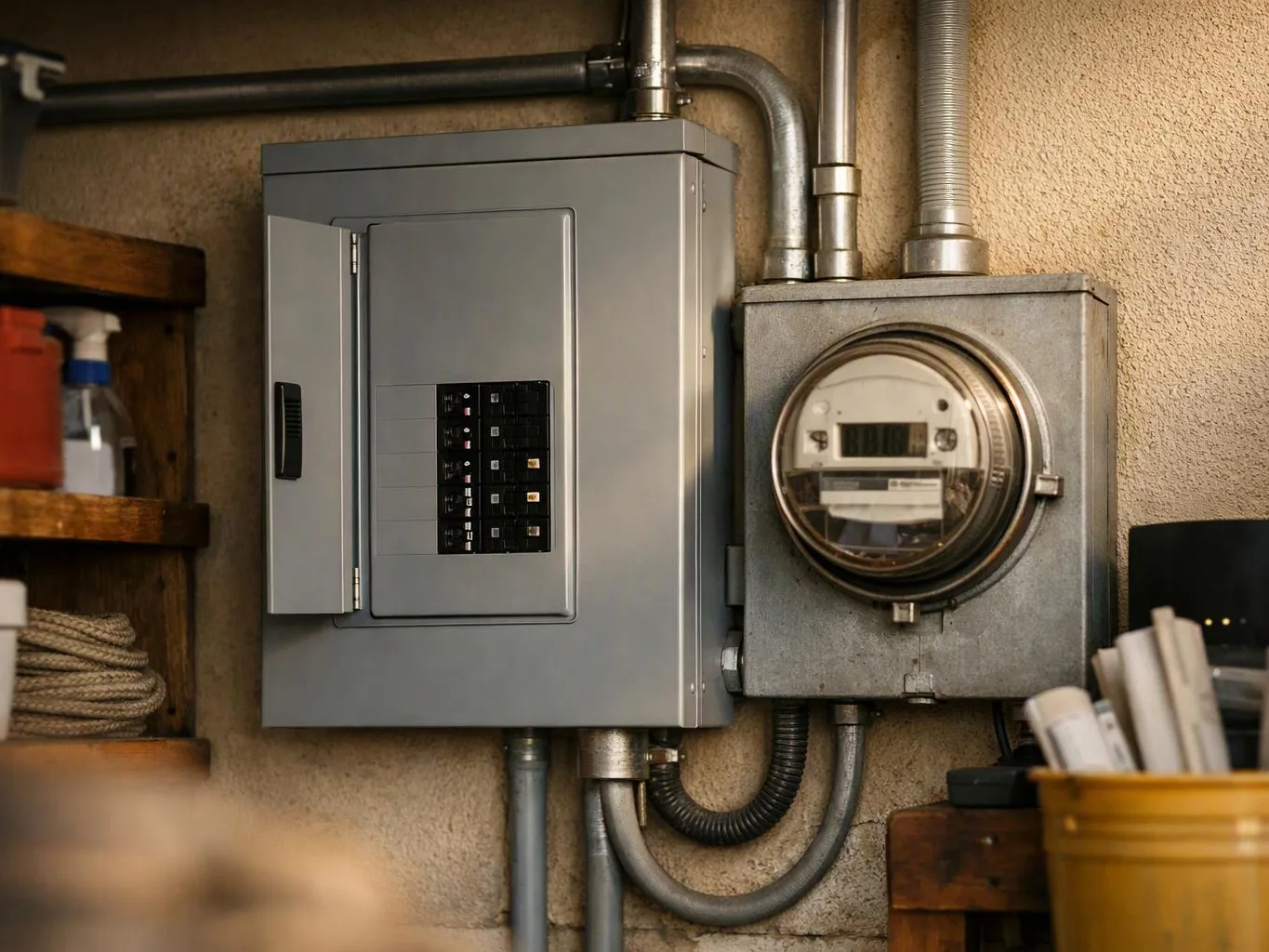
Signs You Need an Emergency Electrician Right Away
Electrical emergency signs include smoke, burning odors, sparks, exposed energized wiring, repeated breaker trips, electrical shock, or an outage affecting only part of a property. Santa Ana Electrician checks the hazard, restores power when safe, and identifies the underlying electrical fault.
Get a Free EstimateWhich Electrical Problems Need Emergency Attention?
Emergency electrical service is needed when an electrical problem creates an immediate risk of fire, shock, equipment damage, or unsafe loss of power. Santa Ana Electrician assesses the danger, isolates the affected circuit, and plans safe power restoration.
An electrical emergency can involve an outlet, switch, circuit breaker, electrical panel, or wiring. A power outage that affects only part of a property can also point to a fault that needs prompt attention.
Warning Signs You Should Not Ignore
These warning signs can point to an electrical hazard or an underlying fault. Stop using the affected equipment and move away from danger when you notice any of them.
These signs are not normal operating conditions. Our team traces the fault before deciding whether the circuit can be repaired or whether power must remain off.
What to Do Before the Electrician Arrives
Before the electrician arrives, move away from the hazard, avoid touching damaged equipment, and shut off power only when doing so is safe. Your first priority is electrical safety, not locating the fault yourself.
Do not reset a breaker repeatedly after it trips. We use the reported symptoms to guide safe fault isolation when our crew assesses the property.
When You Can Troubleshoot Safely and When We Need to Step In
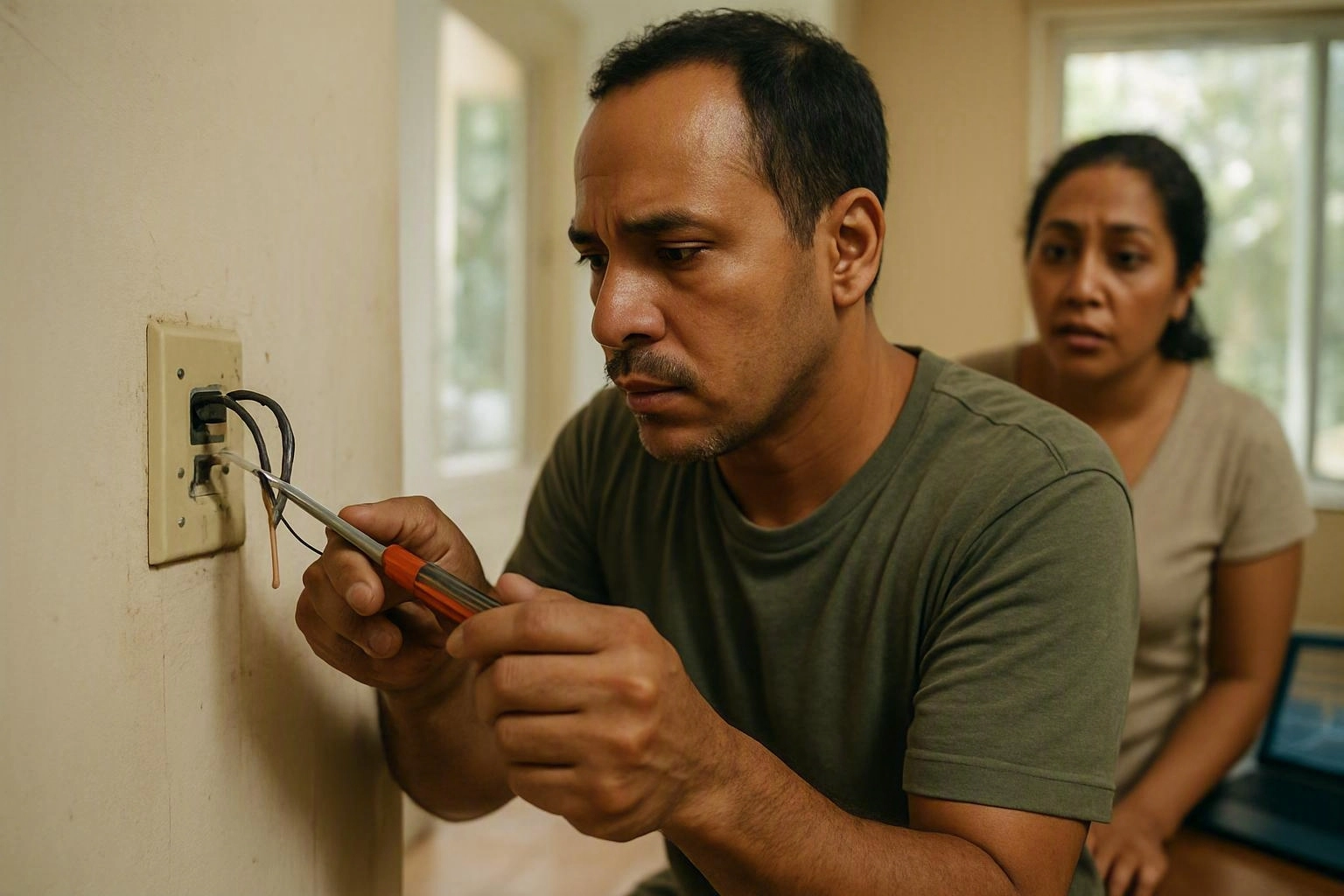
DIY electrical troubleshooting is limited to safe observations and simple checks that do not involve damaged equipment or exposed conductors. Our team steps in when the problem involves fault isolation, wiring, the electrical panel, or unsafe power loss.
The table separates low-risk checks from work that requires Emergency Electrical Troubleshooting, Power Restoration, or an Electrical Safety Inspection.
| Factor | What you can do yourself | What we do |
|---|---|---|
| Breaker operation | Observe whether a breaker has tripped and reset it only when the area is dry and there are no danger signs. | Test the circuit, identify the cause of the trip, and determine whether safe power restoration is possible. |
| Outlet or switch | Stop using the device and note heat, odor, noise, flickering, or visible damage. | Inspect connections, wiring, device condition, and the related branch circuit. |
| Smoke, sparks, or arcing | Leave the area, avoid contact, and call emergency services when fire or continuing smoke is present. | Perform Emergency Electrical Troubleshooting after the area is safe and locate the damaged section. |
| Partial power outage | Check whether nearby rooms or neighbors have power and record which areas are affected. | Trace the loss of power through the panel, branch circuit, connections, and equipment. |
How Santa Ana Electrician Assesses an Electrical Emergency
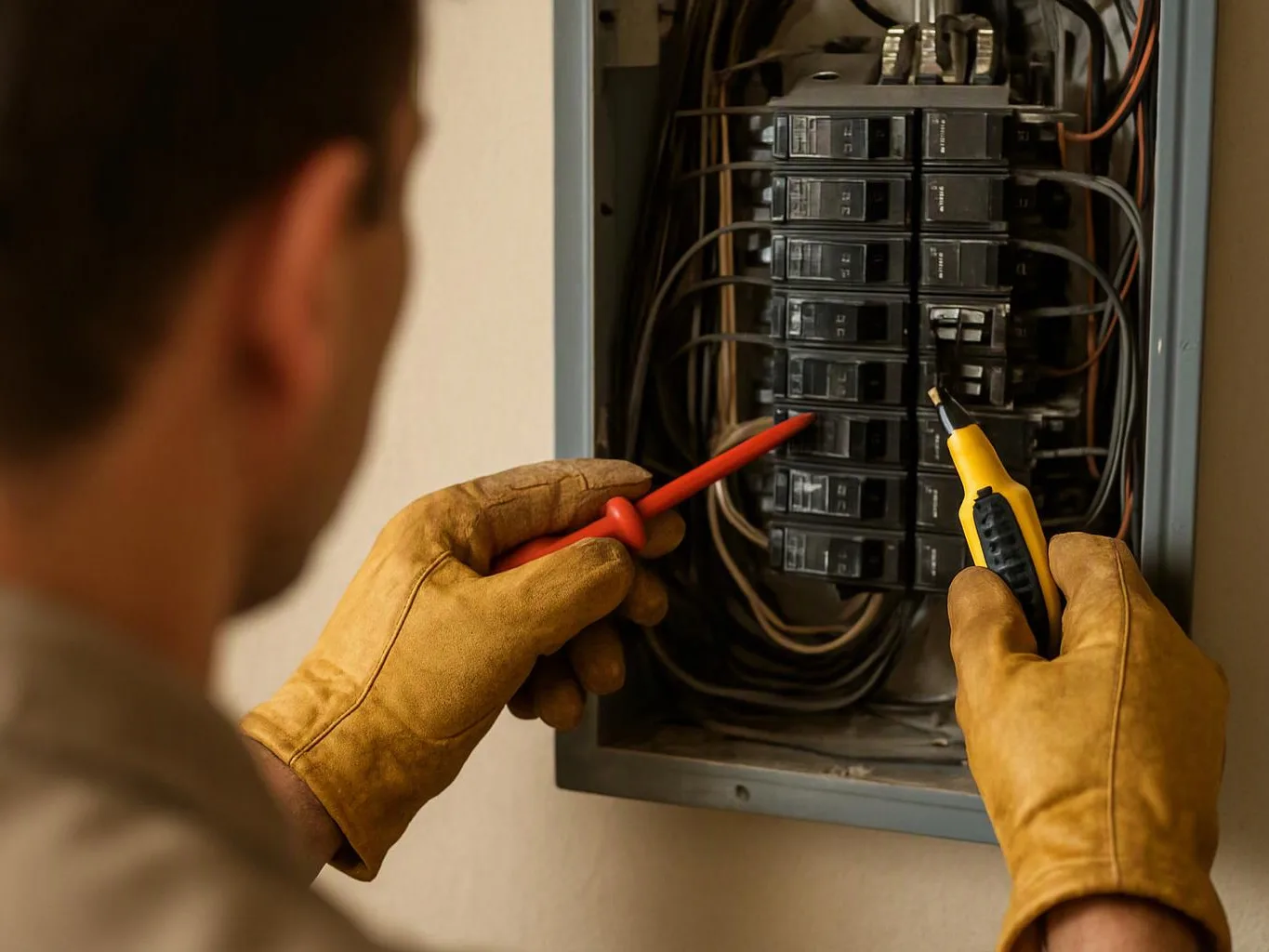
Electrical diagnosis begins with the symptoms, affected areas, and condition of the electrical panel. We inspect the circuit breaker, wiring, outlets, switches, and connected equipment without restoring power blindly.
Our team isolates the suspected fault and checks for damaged insulation, loose connections, overheating, and unsafe current paths. We then explain the repair decision and complete Power Restoration only when the system can operate safely.
When the cause is not limited to one device, we complete an Electrical Safety Inspection to review the related circuits and identify conditions that could create another emergency.
What Changes the Work Needed for an Emergency Electrical Call?
The work needed changes with the location of the fault, the condition of the wiring and equipment, the affected circuit, and whether power can be restored safely. A fault at an outlet may require a different repair decision from damage inside an electrical panel or along a branch circuit.
Our team checks access to equipment, the extent of damaged wiring, the condition of the grounding system, and whether other circuits show related symptoms. These findings guide fault isolation, safe shutdown, repair, and Power Restoration.
Emergency work may focus on making the system safe first. Further repair can follow when hidden damage or an underlying fault extends beyond the first visible symptom.
How to Request an Emergency Electrical Assessment
To request an emergency electrical assessment, describe the warning signs, identify whether power is affected, and ask Santa Ana Electrician about the work required; Free Estimates Available.
Share whether you noticed a burning odor, smoke, sparks, arcing, heat, shock, exposed wiring, repeated breaker trips, flickering lights, or partial power. Our team uses those details to prepare for electrical troubleshooting and to explain the next safe step.
Request an assessment through our contact page. We can review the symptoms, assess the risk, and explain what the estimate covers before proceeding with the work.
Questions About Electrical Emergencies
Can a burning smell from an outlet be an electrical emergency?
Yes, a burning smell from an outlet can be an electrical emergency because heat may be damaging the outlet, wiring, or insulation. Santa Ana Electrician checks the affected circuit and keeps power off until the hazard is understood.
Should I turn off the breaker if I see sparks?
Turn off the breaker only when you can reach it without passing through smoke, water, flames, or the electrical hazard. Leave the area and call emergency services if safe shutdown is not possible.
What should I do if only part of my home loses power?
Check the electrical panel for a tripped breaker only if the area is dry and there are no signs of smoke, heat, or burning odor. Avoid repeated resets and request an assessment when the breaker trips again or the partial power outage continues.
Is a warm electrical outlet dangerous?
Yes, a warm electrical outlet can indicate a loose connection, overload, or failing device. Stop using the outlet and request an inspection before using it again.
Can repeated breaker trips indicate a wiring problem?
Yes, repeated breaker trips can indicate a wiring problem, overloaded circuit, damaged equipment, or another electrical fault. Our team tests the circuit and identifies the underlying cause before restoring power.
Related Resources
How Long Does a 24 Hour Electrician Take to Arrive in Santa Ana, CA?
How Long It TakesGenerator Installation Timeline: How Long It Takes in Santa Ana, CA
How Long It TakesHow Long Does a Residential Electrical Inspection Take?
How to HireHow to Choose an Emergency Electrician: Questions to Ask Before Hiring