Electrical Outlet Repair, Installation, and GFCI Safety
Electrical outlet repair is needed when an outlet shows heat, damage, looseness, sparking, or unreliable power; Santa Ana Electrician checks the outlet, wiring, grounding, and circuit before repairing, replacing, or installing the correct device.
Get a Free EstimateWhen Does an Electrical Outlet Need Repair?
An electrical outlet needs repair when its physical condition or electrical behavior shows a safety or power-delivery problem. Santa Ana Electrician checks the device and the surrounding electrical system before choosing outlet repair or replacement.
Electrical wiring, the electrical box, grounding, and the circuit breaker can all affect outlet performance. We correct the underlying issue so the repair supports safe and reliable electrical use.
Warning Signs an Outlet Should Not Be Used
Outlet warning signs show that the electrical receptacle may have a damaged device, unsafe connection, or circuit problem. Stop using the outlet when you notice a condition below, and we can inspect the cause.
Do not keep operating an outlet that shows heat, smoke, burning, or repeated sparking. We can isolate the circuit and determine whether the receptacle, wiring, or box needs correction.
What Commonly Causes Outlet Problems?
Outlet problems commonly begin with a connection, device, circuit, grounding, or box condition. We identify the cause before completing outlet repair.
Several symptoms can come from the same source, so replacing the faceplate alone may not solve the problem. Our team tests the affected circuit and repairs the part that is actually failing.
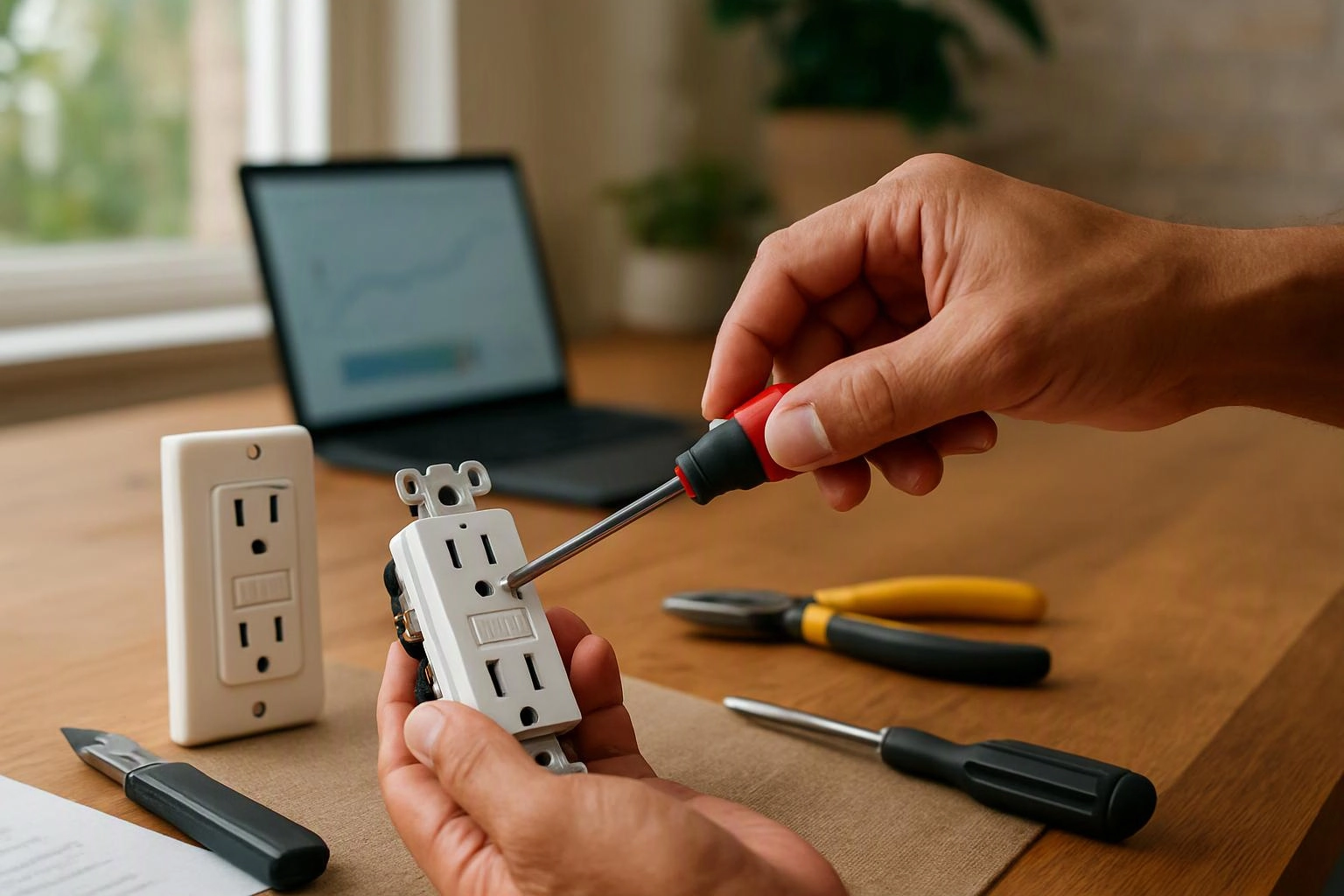
How We Check an Outlet Before Repair
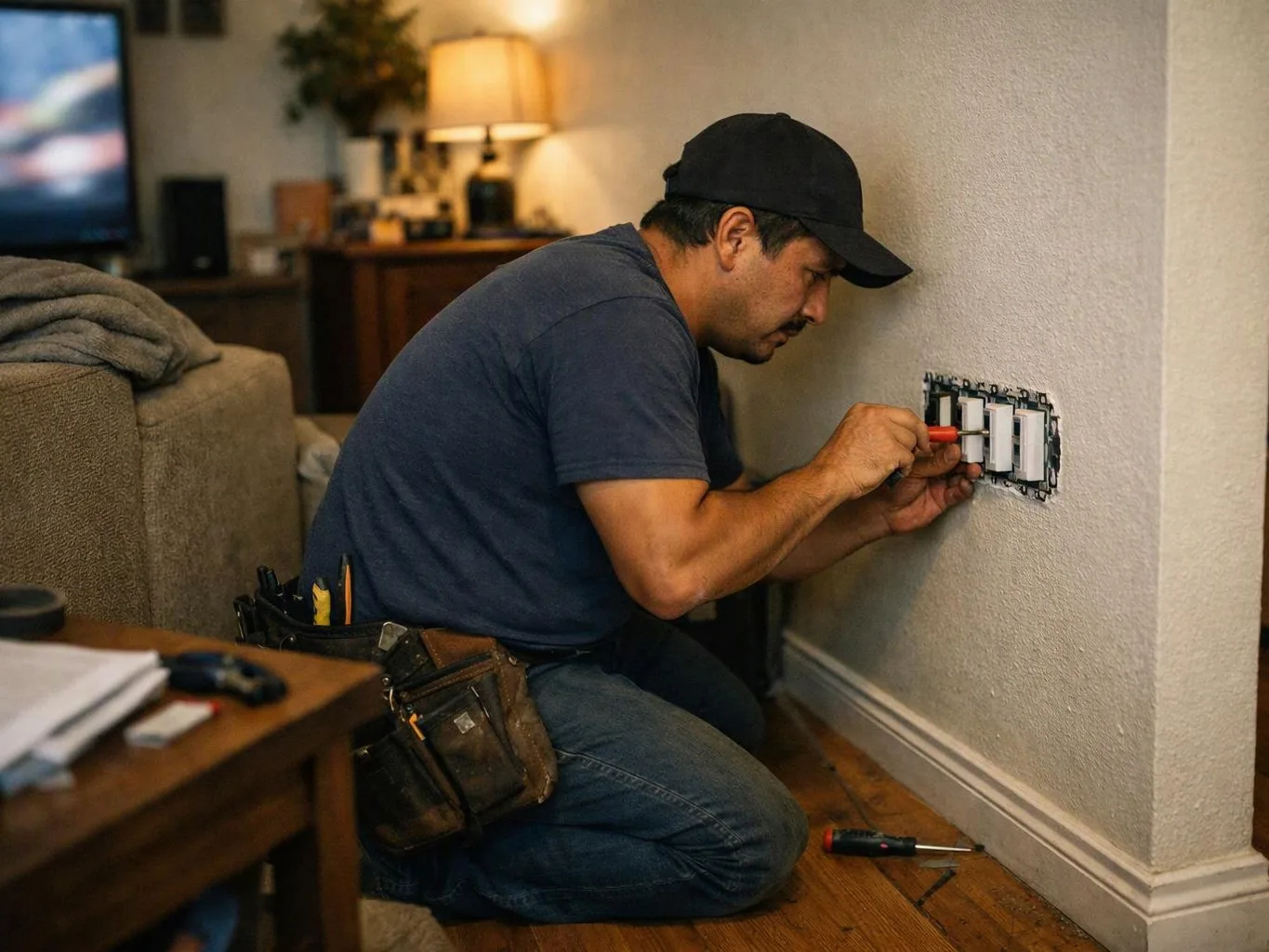
We check the receptacle, circuit, wiring connections, grounding, and electrical box so the repair addresses the cause rather than only the visible symptom.
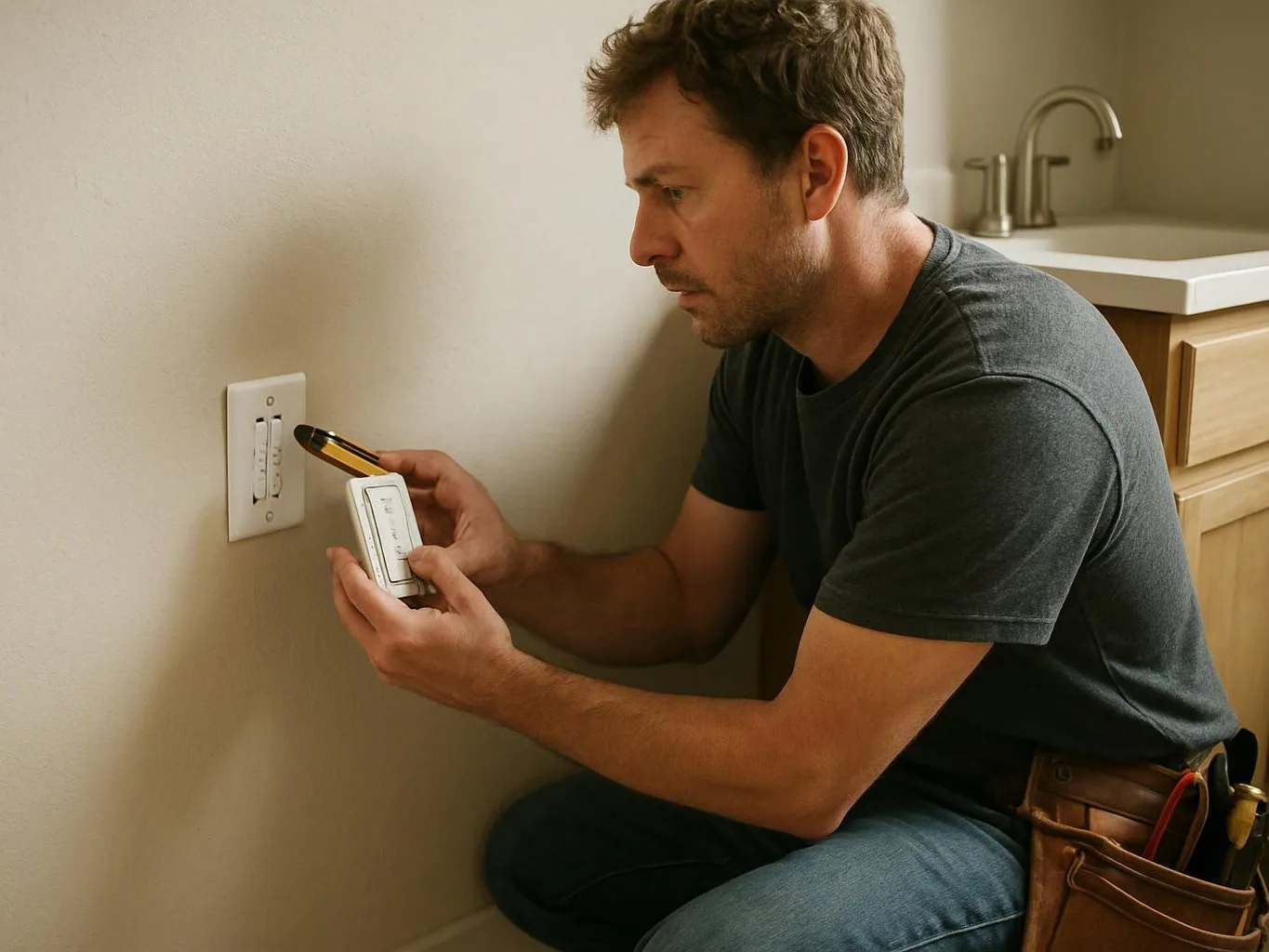
Our inspection begins with voltage testing and a review of the circuit breaker. We then examine the wire connection, grounding path, box condition, and receptacle body for damage or improper installation.
Testing also helps show whether the issue is limited to one outlet or affects other devices on the circuit. We explain the repair scope before work begins.
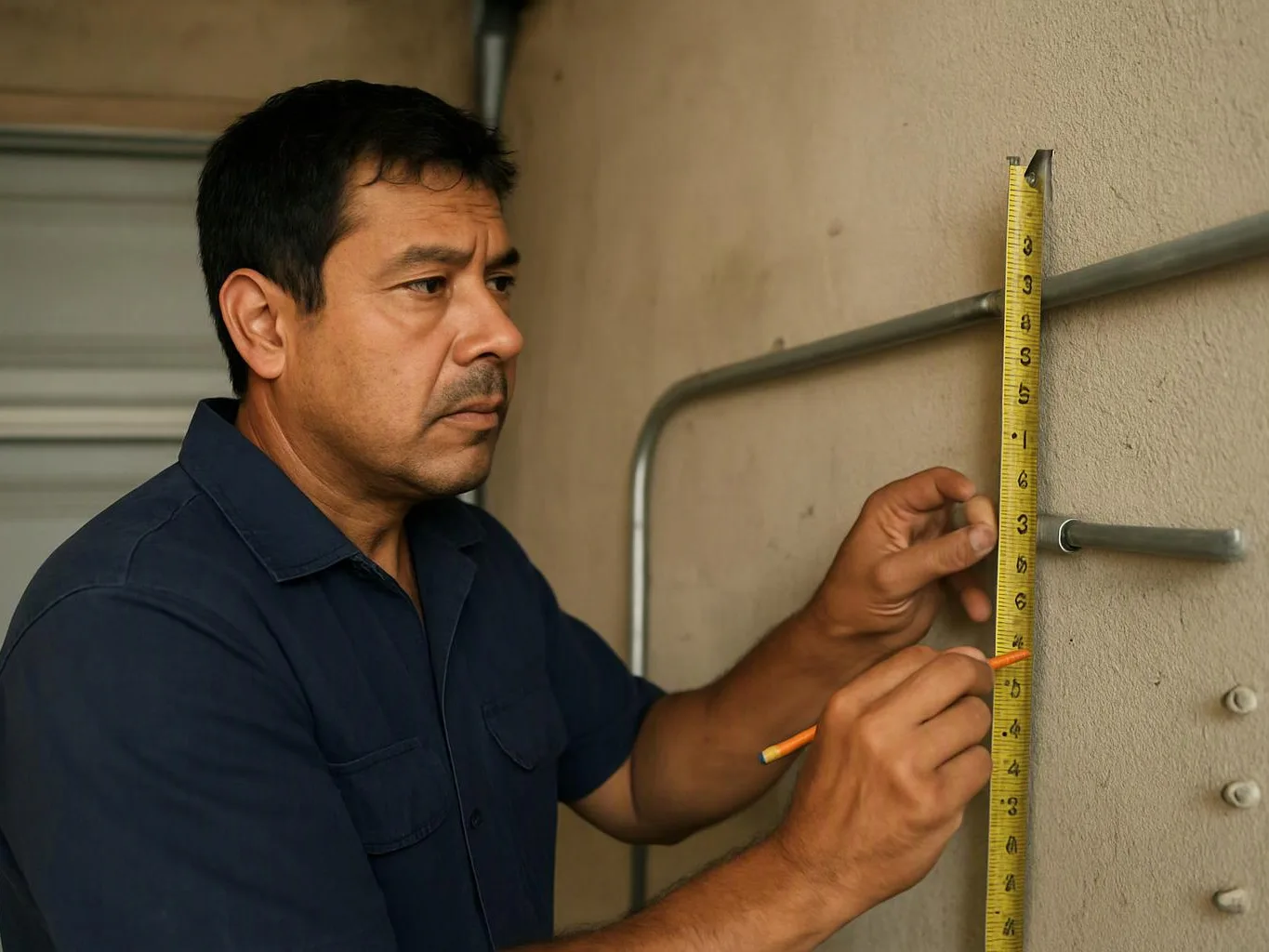
How to Plan a New Electrical Outlet Installation
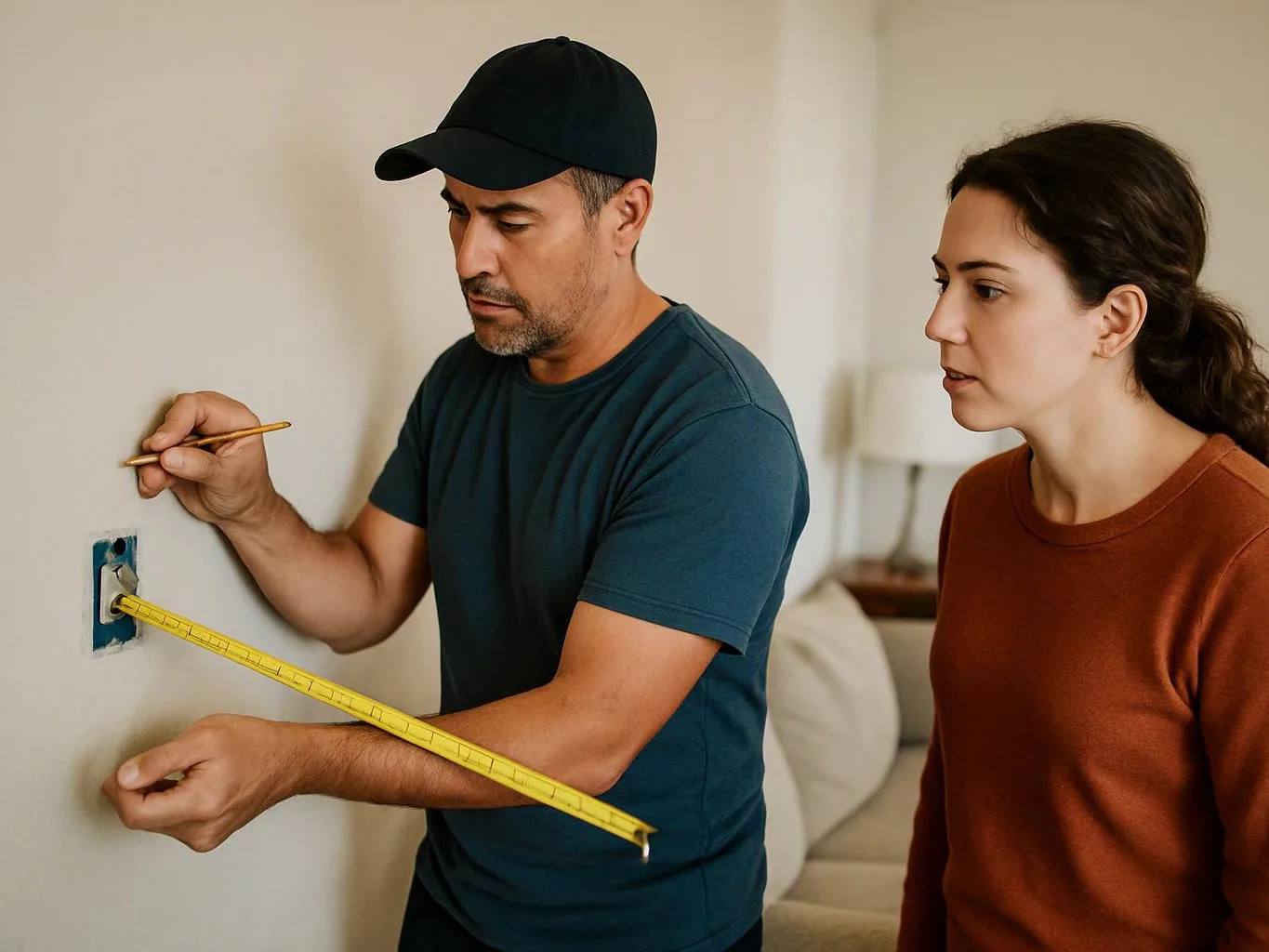
A new electrical outlet installation should begin with the intended use and location, followed by a review of circuit capacity, wiring access, box placement, and required protection. We plan the installation around how the outlet will serve the space.
We confirm the installation plan before cutting into finished surfaces or modifying a circuit. The final outlet should be secure, accessible, properly connected, and suited to its intended use.
When Is a GFCI Outlet the Safer Choice?
A GFCI outlet is the safer choice where electrical equipment may contact water or where ground-fault protection is required for the installation. GFCI protection can help reduce shock risk by interrupting power when it detects an imbalance.
Wet areas and locations with water exposure need careful device selection and placement. We check the circuit and install the appropriate GFCI receptacle with accessible test and reset buttons.
Pressing the test button should interrupt power, while the reset button should restore it when the condition is safe. We verify the device after installation as part of the electrical safety assessment.
Common GFCI Outlet Problems and Safe Responses
A GFCI outlet that will not reset, trips repeatedly, or fails its test indicates a fault, wiring issue, device problem, or downstream condition that requires investigation. We determine whether the problem is at the GFCI receptacle or elsewhere on the protected circuit.
A GFCI trip can result from moisture, a ground fault, a damaged appliance, or a downstream outlet. We inspect the connected circuit and check the line and load wiring before replacing the device.
If the GFCI reset does not hold, do not force the button or continue using connected equipment that may be faulty. Our team can test the test button, receptacle, downstream outlet, and wiring to identify the safe correction.
For related breaker concerns, our guide titled “What to Do When a Circuit Breaker Keeps Tripping or Won’t Reset” explains why repeated breaker operation should be investigated.
How to Prevent Outlet Damage and GFCI Problems
Regular attention to outlet condition can help identify problems before they become more serious. We can assess the device, wiring, and circuit when inspection reveals a concern.
Prevention does not replace testing when an outlet shows symptoms. We investigate recurring trips, heat, sparks, or intermittent power before the device is used again.
What Our Electrical Outlet Service Includes
Santa Ana Electrician provides electrical outlet repair, electrical outlet installation, and GFCI outlet installation based on the condition of the device, wiring, circuit, and installation location.
Our work can include receptacle replacement, correction of a loose outlet, wiring connection repairs, electrical box concerns, and circuit review. We match the electrical receptacle to its intended use and the protection required at the location.
We also perform an electrical safety assessment when outlet symptoms suggest a wider issue. The goal is a secure device, sound connections, appropriate grounding, and dependable circuit operation.
How We Determine the Work and Quote
We determine the work from the outlet condition, wiring access, circuit requirements, device type, and any correction needed before providing a quote; Free Estimates Available.
An electrical inspection helps us define whether the job involves repair, outlet replacement, new wire routing, circuit modification, or a combination of tasks. We also account for the electrical box, grounding, receptacle type, and access to the work area.
Our quote explains the planned repair scope and replacement parts. Contact us through Electrical Outlet Repair to arrange an assessment and exact quote.
Questions About Electrical Outlet Repair and GFCI Safety
Can a loose electrical outlet be repaired?
Santa Ana Electrician can repair a loose electrical outlet when the receptacle, mounting, electrical box, and wire connections are suitable for correction. We replace damaged parts and secure the device when inspection shows that repair is not sufficient.
Why does a GFCI outlet keep tripping?
A GFCI outlet can keep tripping because of moisture, a ground fault, damaged equipment, incorrect line and load wiring, or a downstream outlet problem. We test the protected circuit and device to locate the condition before resetting or replacing the GFCI receptacle.
What should I do if an electrical outlet smells burnt?
A burnt-smelling electrical outlet should not be used until the power and cause have been checked. Turn off the circuit breaker if you can do so safely, keep away from smoke or sparks, and contact us for an inspection of the receptacle, wiring, and electrical box.
Can I install a GFCI outlet where a standard outlet is installed?
Yes, a GFCI outlet can replace a standard outlet when the location, wiring, box, grounding, and circuit conditions support the installation. We verify the line and load connections, protection requirements, and downstream outlets before completing the change.
What changes the quote for an electrical outlet repair?
The outlet condition, replacement parts, wiring access, electrical box, circuit modification, grounding work, and required receptacle type can change the quote. We inspect these factors and explain the repair scope before providing an exact quote.
Electrical outlet problems can involve more than the visible faceplate or receptacle. Santa Ana Electrician checks the device, wiring, grounding, circuit, and protection so the work supports safe operation.
Get a Free Estimate