Skip to content

Bidirectional EV Charging System Installation in Chino Hills

Utility connection planning decides how bidirectional charging links to a building in Chino Hills. We match the charger, panel, load controller, and backup circuit to the property.

Licensed & InsuredFree EstimatesWarranty AvailableSame-Day Service

Quick Summary: Bidirectional EV Charging Systems in Chino Hills, California

Bidirectional EV Charging System Installation in Chino Hills is provided by Santa Ana Electrician for homes and businesses. The work covers panel checks, load control, grounding, and backup circuit planning across Santa Ana and nearby Orange County communities.

  • What we do: Santa Ana Electrician provides Bidirectional EV Charging System Installation for Chino Hills, California properties, including panel assessment, load control, grounding, and backup circuit planning.
  • What is included: We assess electrical panels, trace circuits, check grounding, plan load control, and install EV charging equipment for residential and commercial properties.
  • What you get: The building receives a planned charging connection that matches its panel capacity, grounding path, load control, and backup circuit needs.

Why does bidirectional charging need a building connection in Chino Hills, California?

A building connection lets the charging system exchange power with the property safely. The panel, grounding path, load controller, and backup circuit must work together before the system is installed.

Local Expertise in Chino Hills

Bidirectional charging connects an electric vehicle and its charger to the building's electrical system. The key buyer decision is whether the existing panel, circuits, grounding, and load control can support that connection.

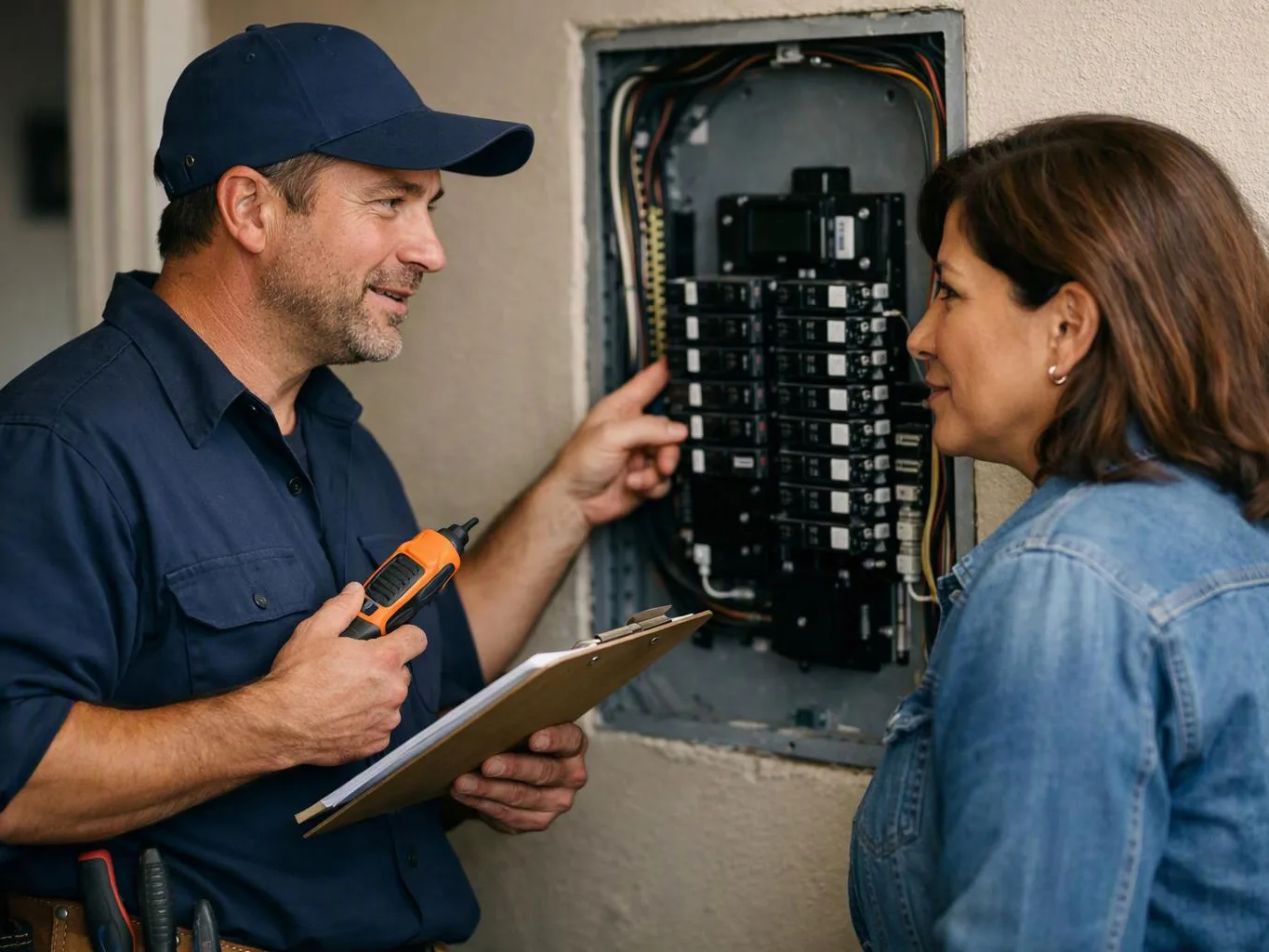
We check the electrical panel and trace the relevant circuits before recommending the work. A load calculation helps show whether the property needs a panel upgrade, subpanel installation, or another change before the charger is connected.

This page focuses on the building connection, not just the wall-mounted charger. That distinction matters when a customer wants backup power, controlled energy flow, or a clear boundary between vehicle charging and ordinary electrical repairs.

  • Confirm whether the electrical panel has suitable capacity for the planned charging load.
  • Check the grounding path and identify any circuit work needed before connection.
  • Decide whether a load controller or backup circuit belongs in the installation scope.
  • Ask for an assessment when the property needs a panel upgrade or related electrical repair.
A quiet storefront glows at sunset, with a dark door, window, and wall lamps on a worn facade

Service Overview

Bidirectional EV Charging System Installation is an electrical service that connects an EV charger to a building so power can move in both directions.

  • A standard EV charging installation sends power to the vehicle, while a bidirectional system also manages approved power flow back to the property.
  • Santa Ana Electrician provides this service for Chino Hills homes, businesses, landlords, and property managers.

What the building connection changes

A load calculation gives you a clearer basis for deciding whether the existing panel can support the system.

Grounding checks address a core safety point before charging equipment connects to the building.

A load controller can help manage charging and building demand within the planned electrical design.

A separate backup circuit can help define which building loads belong in the backup plan.

The assessment separates bidirectional charging work from ordinary outlet or breaker repairs.

What bidirectional charging installation includes

Santa Ana Electrician provides comprehensive Bidirectional EV Charging System Installation in Chino Hills. Here's what you get:

  • We inspect the electrical panel and identify the circuit path for the charging system.
  • We complete a load calculation to assess the planned charging demand.
  • We review grounding and correct related electrical issues within the agreed work scope.
  • We plan load controller connections where the building needs managed power flow.
  • We install or arrange the required charging circuit and related wiring.
  • We test the connection and explain the system's practical operating limits.

How we approach bidirectional charging decisions

Panel capacity before equipment choice

The electrical panel gets checked before we set the charger connection plan. A panel upgrade or subpanel may belong in the scope when the existing setup cannot support the planned load. This service is the wrong job for a property that only needs a standard outlet repair.

Load control for changing demand

A load controller helps manage power between the vehicle and the building. We review the intended use, panel capacity, and connected circuits before deciding whether load control belongs in the installation.

Grounding and backup circuit limits

Grounding and backup circuits need separate attention because they affect safe power flow and which loads receive backup power. We explain the boundary of the work before the installation proceeds.

A situation this service fits

A property manager plans bidirectional charging for a building and wants to know whether the current panel can support it. We inspect the panel, trace circuits, review grounding, and map any backup circuit before preparing the work scope. If the panel needs an upgrade, that becomes part of the electrical decision rather than an assumption about the charger.

Process

How we complete the building connection

1

Inspect the electrical panel

We inspect the panel, identify available circuit space, and look for conditions that affect the charging connection.

2

Complete the load calculation

We review existing electrical demand and the planned charging load before deciding whether load control, a subpanel, or a panel upgrade belongs in the scope.

3

Trace circuits and grounding

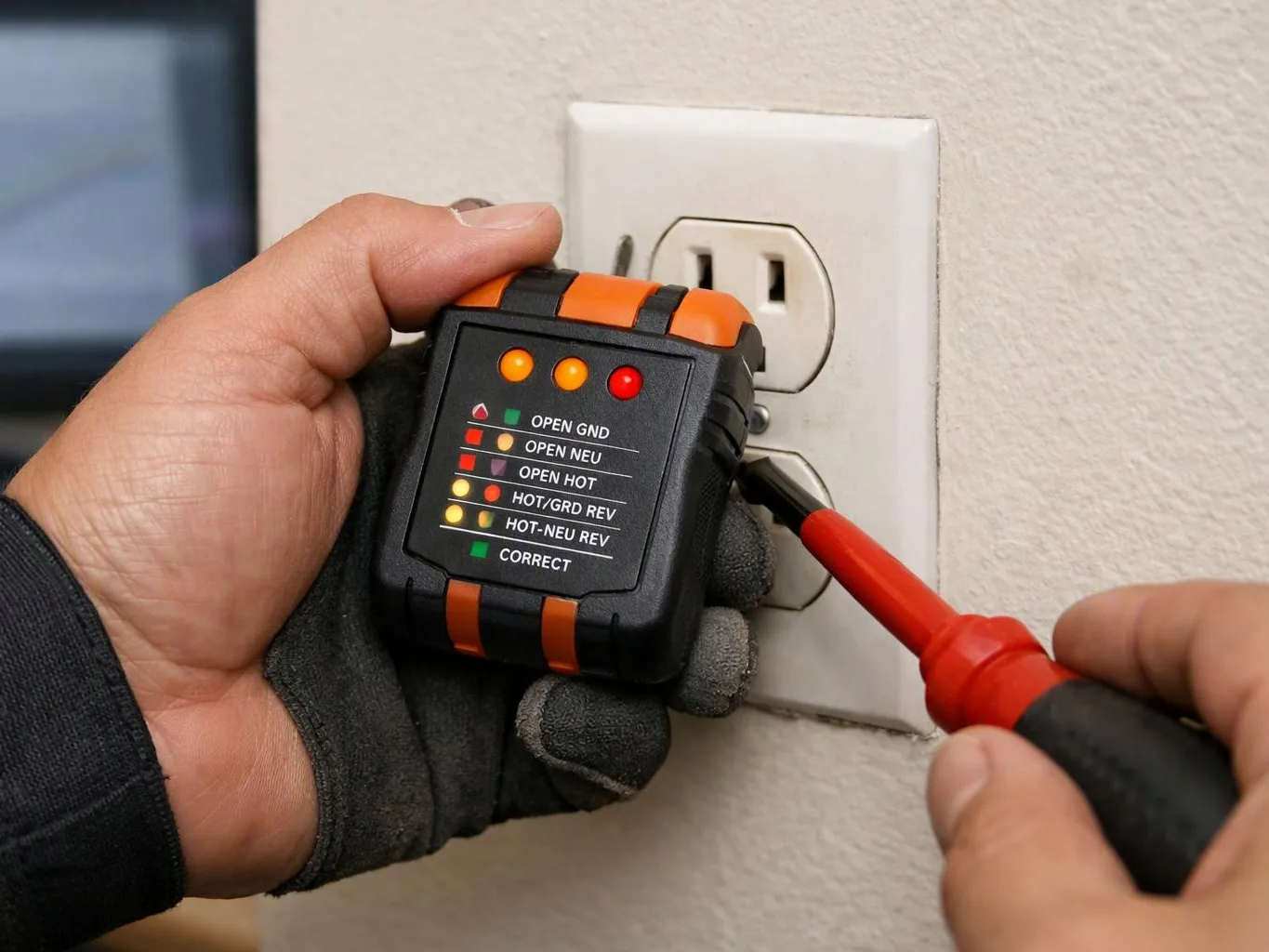
Circuit tracing identifies connected loads, while grounding checks confirm the electrical path is ready for the planned equipment.

4

Plan the backup circuit

We identify the building loads that belong in the backup plan and separate them from circuits outside the agreed scope.

5

Install and test the connection

We install the planned wiring and charging connection, then test and verify the work before explaining the system to you.

Building connection choices for bidirectional charging

These options describe distinct electrical decisions within the planned installation.

Connection optionWhat it coversWhen it fits
Existing panel connectionUses suitable panel capacity and circuit spaceThe panel passes inspection and load review
Panel upgrade connectionAdds panel work before the charger connectionThe existing panel cannot support the planned load
Backup circuit connectionDefines selected building loads for backup useThe customer wants backup power for specific circuits

The Santa Ana Electrician Standard

  • Initial Assessment
  • Systematic Troubleshooting
  • Safety-Minded Repairs
  • Clear Recommendations

Questions about bidirectional charging installation

Who installs a bidirectional EV charging system for a building?

Santa Ana Electrician installs bidirectional EV charging systems for homes, businesses, landlords, and property managers. We review the panel, load calculation, grounding system, and planned backup circuit before setting the work scope. Our team also handles related panel upgrades, wiring, circuit tracing, and electrical inspections when the building connection needs more than charger wiring.

How does the utility connection link charging to the building?

The utility connection feeds the building panel, and the bidirectional charger links the vehicle to that electrical system. The panel distributes power to building circuits while the load controller manages demand when included in the plan. We check grounding and test the connection so the charging equipment fits the property's electrical design.

What does the crew look at first during installation?

The electrical panel gets checked first because it shows the available circuit space and existing electrical demand. We inspect panel condition, trace relevant circuits, and review grounding before selecting the connection point. A load calculation then helps decide whether the work needs a panel upgrade, subpanel, or load controller.

What should be checked before installation is scheduled?

The panel, circuit path, grounding system, and intended backup loads should be checked before scheduling. We also need to understand whether the property is residential or commercial and how the customer plans to use the system. Those details help us prepare a quote that matches the actual electrical work.

Which part of the job changes the quote most?

The existing panel and required wiring usually shape the quote because they determine how much electrical work the connection needs. Load control, grounding correction, a subpanel, and a backup circuit can also change the scope. We inspect these items before providing a free estimate.

When does a property need a panel upgrade for bidirectional charging?

A panel upgrade belongs in the plan when the existing panel cannot support the charging load or lacks suitable circuit capacity. We confirm that condition through panel inspection, circuit tracing, and a load calculation. We then explain the upgrade scope before the charging equipment is installed.

Why is a grounding check part of the installation?

A grounding check confirms that fault current has a safe path through the electrical system. We inspect the grounding system and correct related issues within the agreed scope. This check matters before the charger, panel, load controller, and backup circuit operate together.
Contact

Request a Bidirectional EV Charging Installation Estimate

Are you planning bidirectional charging for your Chino Hills property? Request a free estimate, and urgent requests get priority scheduling.

A man stands on a ladder tightening a ceiling fan in a bedroom with a bed and window

ZIP Codes We Serve in Chino Hills, California

91709

Bidirectional EV Charging System Installation in Other Areas

(949) 850-2844