Skip to content

Bidirectional EV Charging System Installation in Eastvale, California

Bidirectional charger installation supports electric vehicle charging and controlled power flow for Eastvale homes and businesses. We assess the panel, transfer switch, energy meter, and battery storage before work begins.

Licensed & InsuredFree EstimatesWarranty AvailableSame-Day Service

Quick Summary: Bidirectional EV Charging System Installation in Eastvale, California

Bidirectional EV Charging System Installation in Eastvale is provided by Santa Ana Electrician for homes, businesses, landlords, and property managers. The service covers equipment checks, electrical connections, testing, and code-compliant improvements, with free estimates available.

  • What we do: Santa Ana Electrician installs bidirectional EV charging systems in Eastvale, California, with panel checks, transfer switch planning, energy meter connections, and system testing.
  • What is included: Electrical inspections, load checks, EV charging installation, transfer switch installation, communication cable routing, and testing and verification.
  • What you get: The property receives a tested charging system with defined power flow and suitable electrical connections.

What equipment is needed for bidirectional EV charging installation?

A bidirectional charger, transfer switch, energy meter, battery storage, and communication cable may form the main equipment set. The panel and wiring also need inspection before installation.
How We Serve Clients in Eastvale

Bidirectional charging installation is for property owners who want an EV system that supports controlled power flow. The job covers the charger connection, panel review, transfer switch planning, energy measurement, communication wiring, and final testing.

The key decision is whether the existing electrical system can support the planned equipment. We inspect the panel and trace the needed circuits before recommending changes. A standard one-way charger may be the better fit when the property only needs vehicle charging and no power export.

This service suits homes, commercial properties, rental buildings, and managed sites. We explain the equipment scope, identify access needs, and provide a free estimate before work begins.

  • Confirm the planned use for vehicle charging and power export.
  • Inspect the main panel and available circuit capacity.
  • Identify the transfer switch and energy meter requirements.
  • Plan communication cable routing between system components.
  • Test connections and verify system operation after installation.
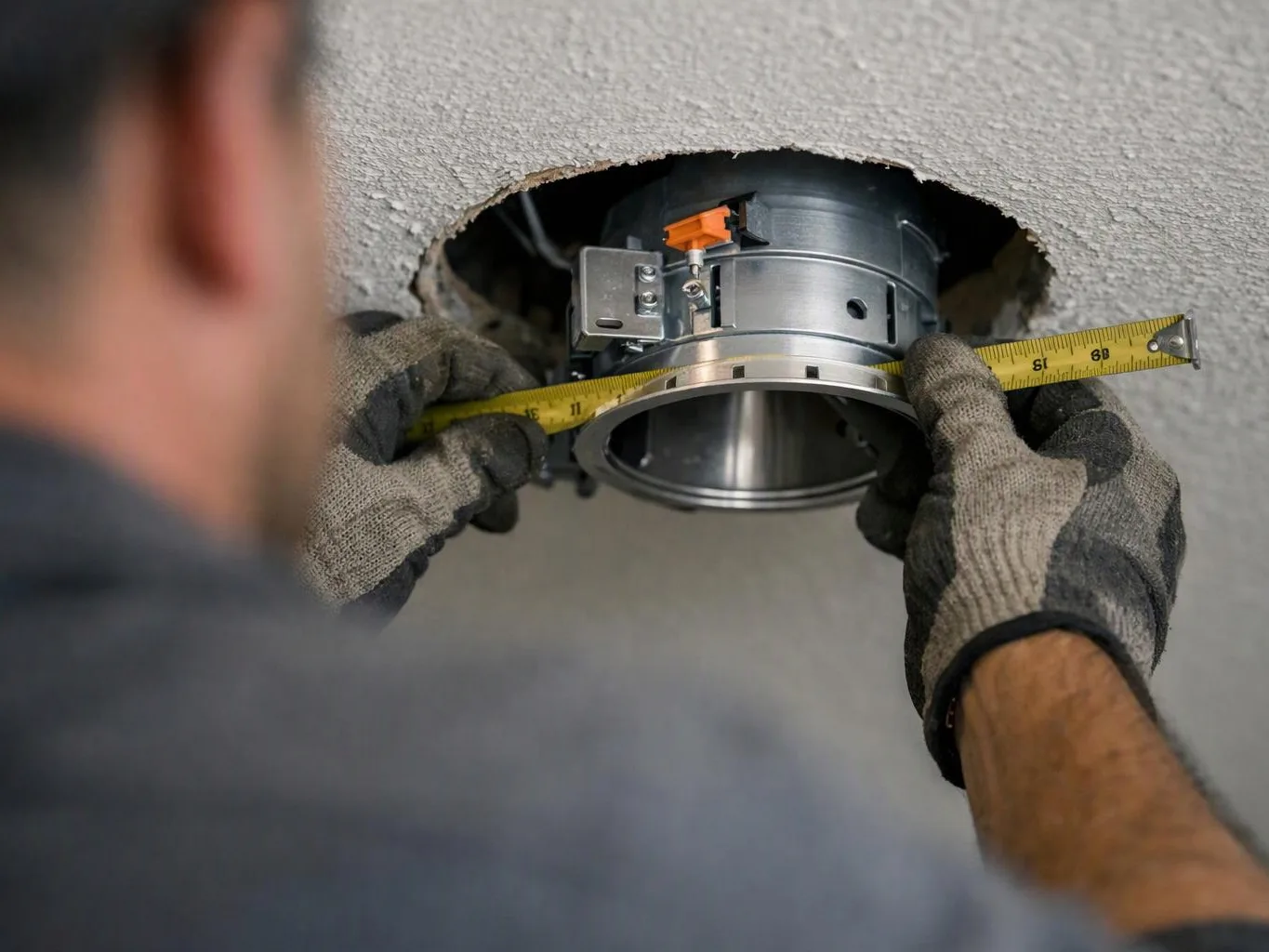
Gloved hands measure a round metal vent fitting in a ceiling opening with a tape measure

Service Overview

Bidirectional EV Charging System Installation is an electrical service that connects a charger to a property so power can move between an EV and the building.

  • Unlike a standard EV charging installation, bidirectional work also manages power leaving the vehicle or storage system.
  • Santa Ana Electrician provides this service for Eastvale homes, businesses, landlords, and property managers.

What Bidirectional Charging Changes for Your Property

Bidirectional equipment gives the property a controlled path for power to move between the EV and building.

An energy meter helps track power flow through the connected system.

A transfer switch helps separate and control circuits that receive power from another source.

Planned communication wiring helps the charger, meter, and storage equipment exchange operating data.

A system review helps you choose between bidirectional charging and a standard EV charger.

Process

How We Install Bidirectional Charging Equipment

1

Inspect the panel and circuits

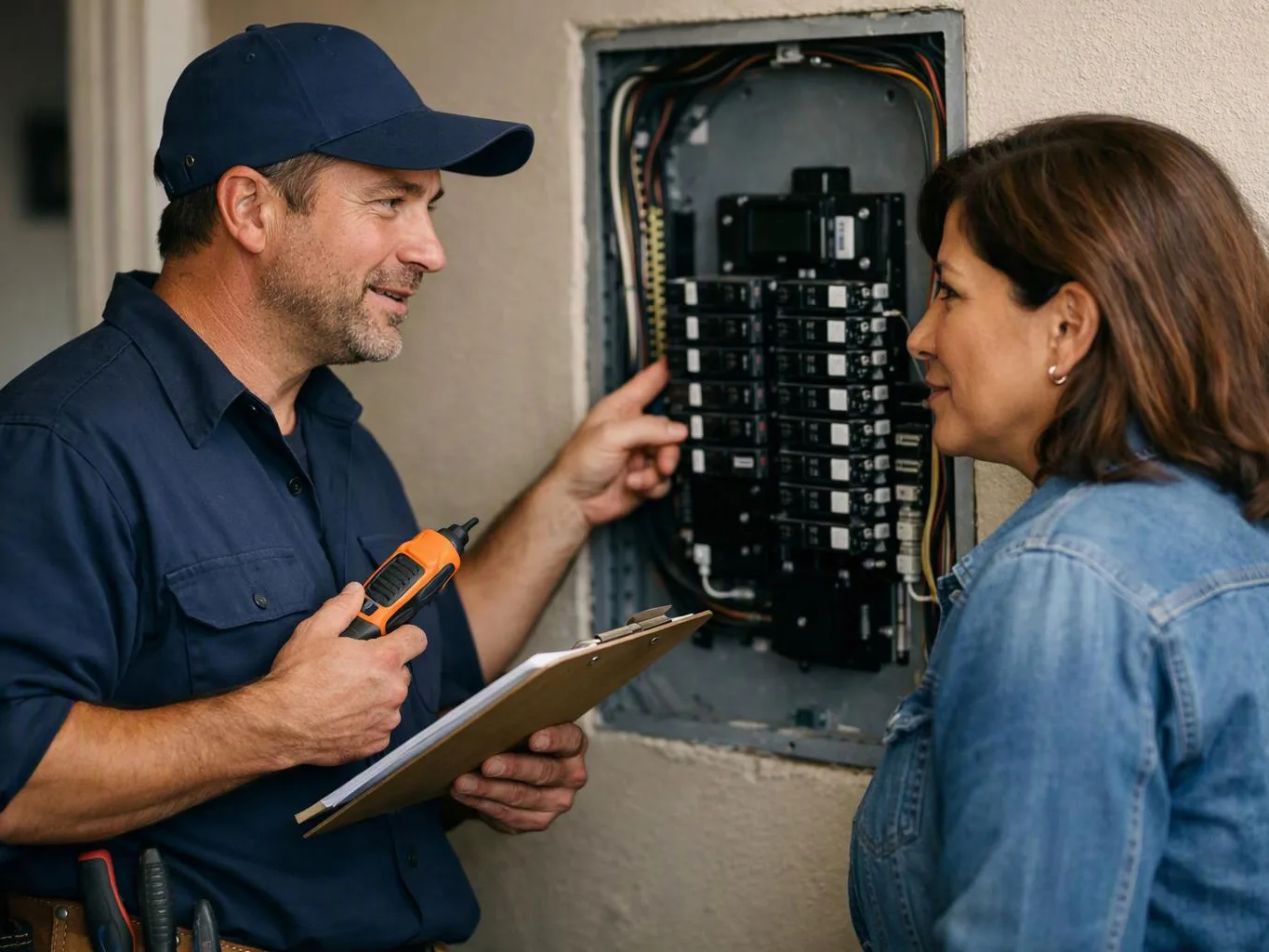
We review the main panel, trace relevant circuits, and check the available electrical capacity for the planned equipment.

2

Plan the power flow

The transfer switch, energy meter, battery storage, and charger connections are placed within a clear system plan.

3

Route communication wiring

We plan and install the communication cable path between compatible equipment while keeping access and service needs in view.

4

Connect and test the system

We complete the electrical connections, test system response, and verify that the connected parts operate as intended.

What You Get From Our Charging Installation Approach

Equipment matched to the electrical system

The inspection starts with the panel, circuit paths, and planned load. The charger and related equipment must fit the property's wiring. A standard EV charger is the wrong job when you need controlled power flow from the vehicle or storage system.

Power flow planned before wiring

The transfer switch and energy meter need a clear place in the system. We map those connections before installation, so the work has a defined electrical purpose.

Testing follows the installation

We check connections, communication cable paths, and system response after the equipment is installed. Our licensed and insured electricians explain the operating setup in plain language.

What Bidirectional EV Charging System Installation Includes

Santa Ana Electrician provides comprehensive Bidirectional EV Charging System Installation in Eastvale. Here's what you get:

  • We inspect the electrical panel and trace circuits that may serve the charging system.
  • We plan connections for the bidirectional charger and transfer switch.
  • We install or connect an energy meter when the system design requires one.
  • We route communication cable between compatible equipment.
  • We connect battery storage when it forms part of the approved system scope.
  • We test the installation and explain the system's operating functions.

Charging Options For Different Power Goals

This table compares the equipment choice with the power function it supports.

Equipment optionPower directionBest fit
Standard EV chargerPower moves to the vehicleVehicle charging without planned power export
Bidirectional charging systemPower can move between the vehicle and property systemCharging plus controlled power flow
Bidirectional system with battery storagePower flow includes connected storageA design that includes storage as part of the electrical plan

The Santa Ana Electrician Standard

  • Initial Assessment
  • Systematic Troubleshooting
  • Safety-Minded Repairs
  • Clear Recommendations

Questions About Bidirectional Charging Installation

How does an installation visit move from the first call to the last step?

The visit moves from an electrical assessment to system planning, installation, testing, and operating guidance. We inspect the panel and circuits first. Next, we set the equipment scope and cable route. After connections are complete, our team tests the system and explains the result.

How can I tell whether bidirectional charging fits my property?

Bidirectional charging fits when the property needs controlled power flow between an EV and building circuits. The panel, intended circuits, equipment location, and power goals decide the fit. We review those points before quoting the work. A standard charger fits better when the property only needs one-way vehicle charging.

Which part of the property decides the installation scope?

The main electrical panel usually sets the installation scope because it determines circuit access and available capacity. Circuit paths, equipment placement, transfer switch location, and communication cable routing add further work. We inspect these parts before setting the estimate and installation plan.

Why does a bidirectional system need an energy meter?

An energy meter measures power moving through the connected system. The meter helps the charger and related equipment track whether power is flowing to the property, the vehicle, or storage. We confirm its location and wiring needs during the system assessment.

What does a transfer switch do in this installation?

A transfer switch controls how selected property circuits connect to an alternate power source. It supports planned separation and power control within the electrical design. We review the circuits, panel connections, and intended use before including a transfer switch in the work.

When is a standard EV charger a better fit?

A standard EV charger is a better fit when the property only needs one-way power for vehicle charging. Bidirectional equipment adds control and power-flow requirements. We compare the intended use with the panel and wiring so the estimate matches the actual need.
Contact

Get A Free Estimate For Bidirectional Charging Installation In Eastvale

Request a free estimate for your charging system scope, and urgent requests get priority scheduling.

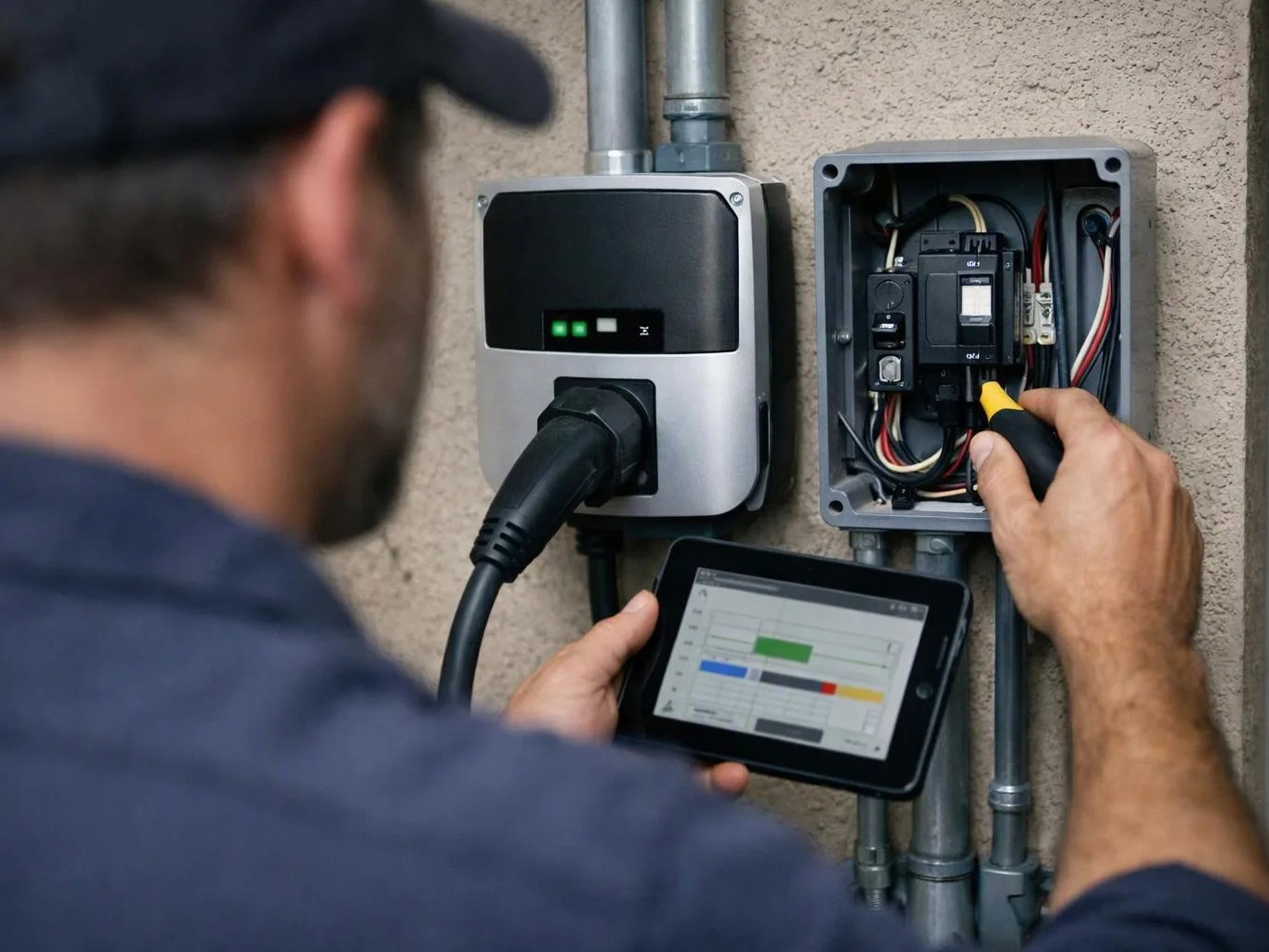
A technician inspects an open electrical box beside a wall-mounted charging unit while holding a tablet

Bidirectional EV Charging System Installation in Other Areas

(949) 850-2844