Assess the service and vehicle plan
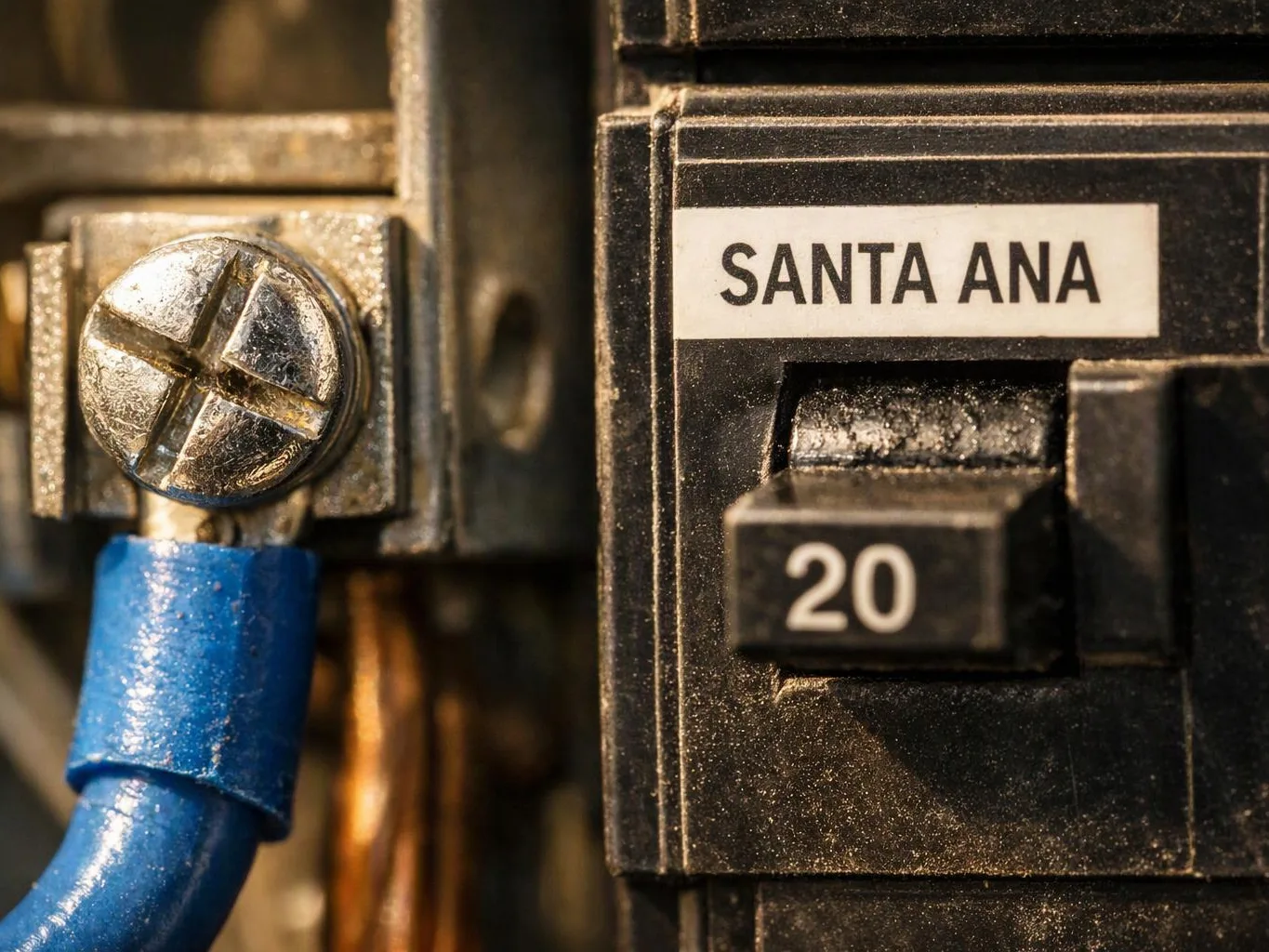
We inspect the service panel, existing circuits, grounding, equipment location, and intended energy use. This shows whether the property can support the planned connection.
We install bidirectional charging systems for homes, landlords, businesses, and property managers. Our electricians check the electrical system before work begins.
A compatible vehicle can support more than one energy direction.
The planned circuit is matched to the property's available electrical capacity.
Testing helps confirm charging, connection, and control functions before handover.
Bidirectional EV Charging System Installation is electrical work that connects charging equipment so energy can move between an electric vehicle and a property.
Bidirectional charging lets energy move between a compatible vehicle and a property. The work may include a dedicated circuit, charging equipment, panel changes, grounding checks, and system testing. We start with the property and the planned use. A home backup setup has different needs from a commercial charging area. We review the service panel, circuit path, equipment location, and access before we recommend the installation. Compatibility is a key buyer decision. The vehicle, charger, controls, and property wiring must support the same energy flow. We explain those limits before work begins, then provide a quote for the selected scope. Our electricians assess electrical issues first and troubleshoot faults systematically. We also keep the work area orderly while the installation progresses.
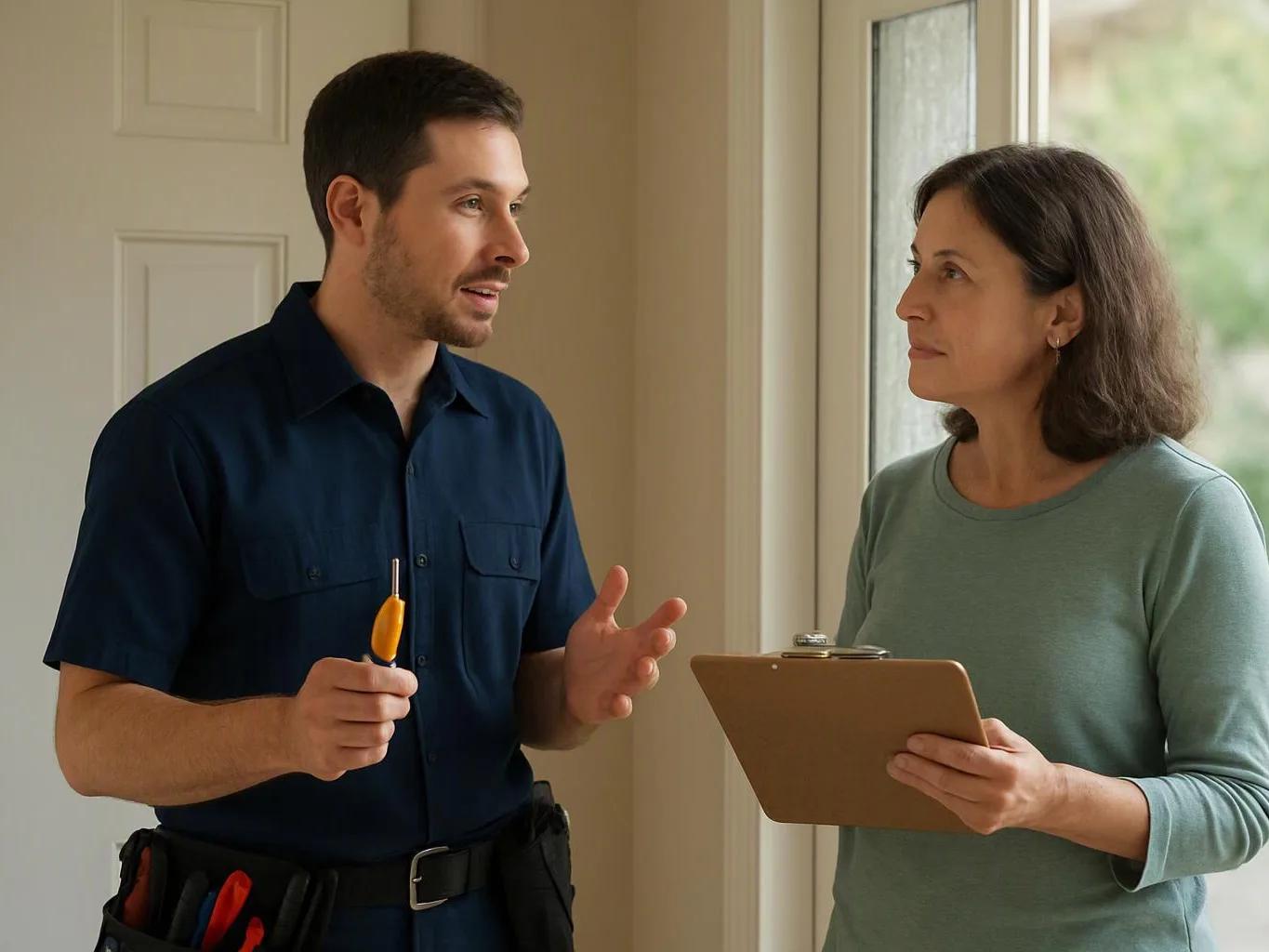
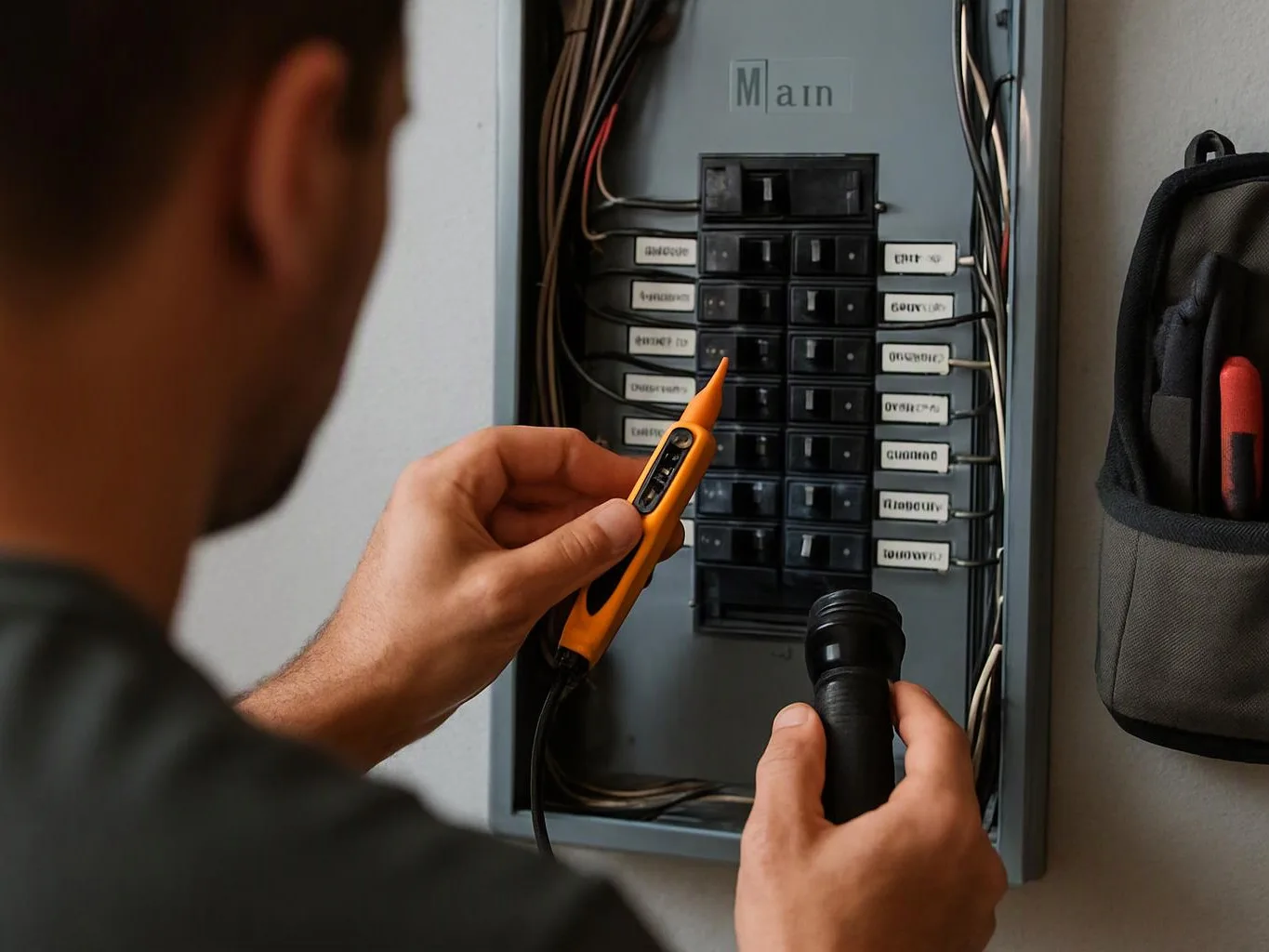
We inspect the service panel, existing circuits, grounding, equipment location, and intended energy use. This shows whether the property can support the planned connection.
We trace the circuit path and identify panel changes, conduit needs, disconnect locations, and access points. The estimate reflects the actual electrical scope.
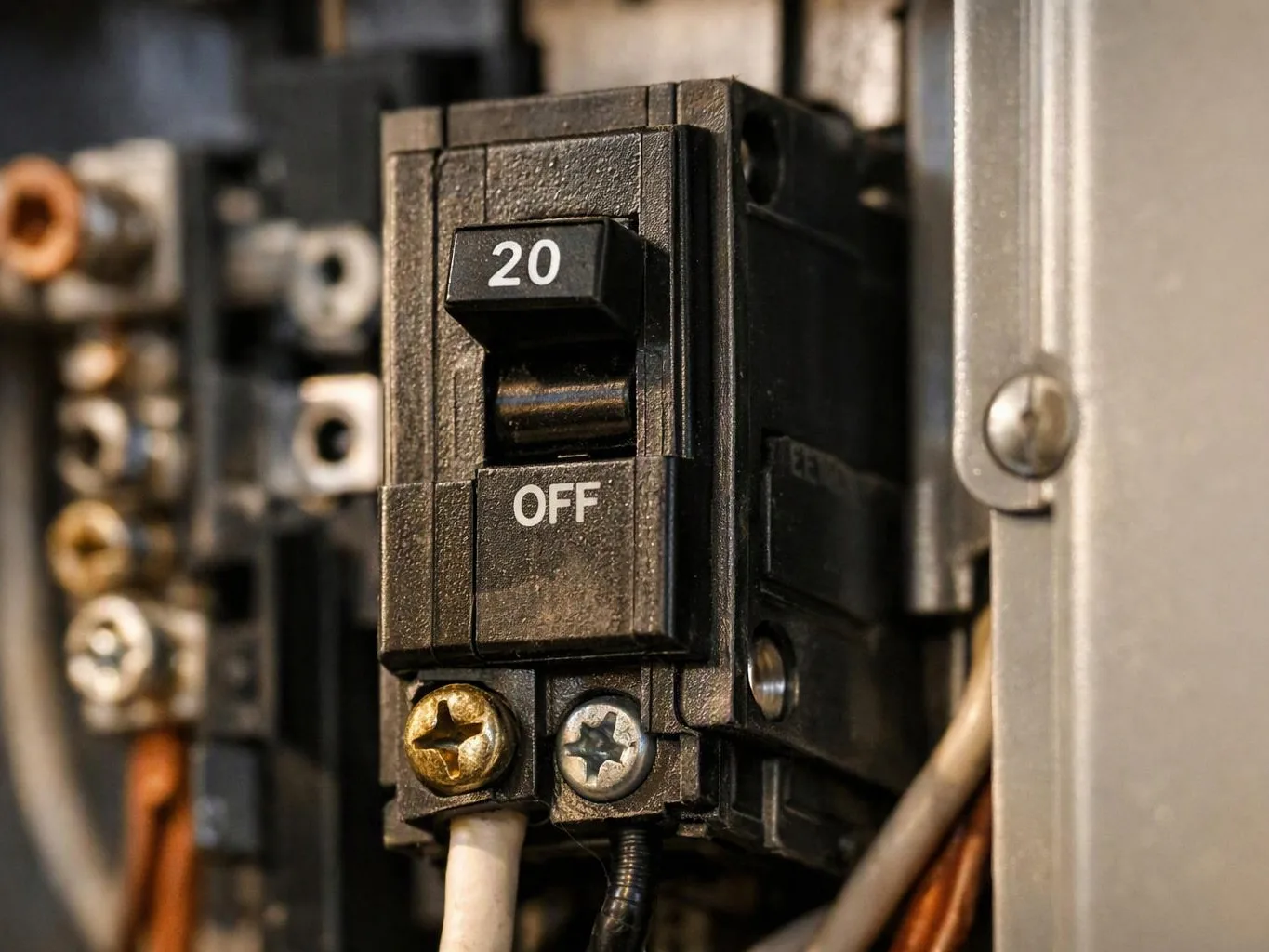
We install the dedicated electrical connections and related components for the selected system. We keep the work area orderly during the installation.
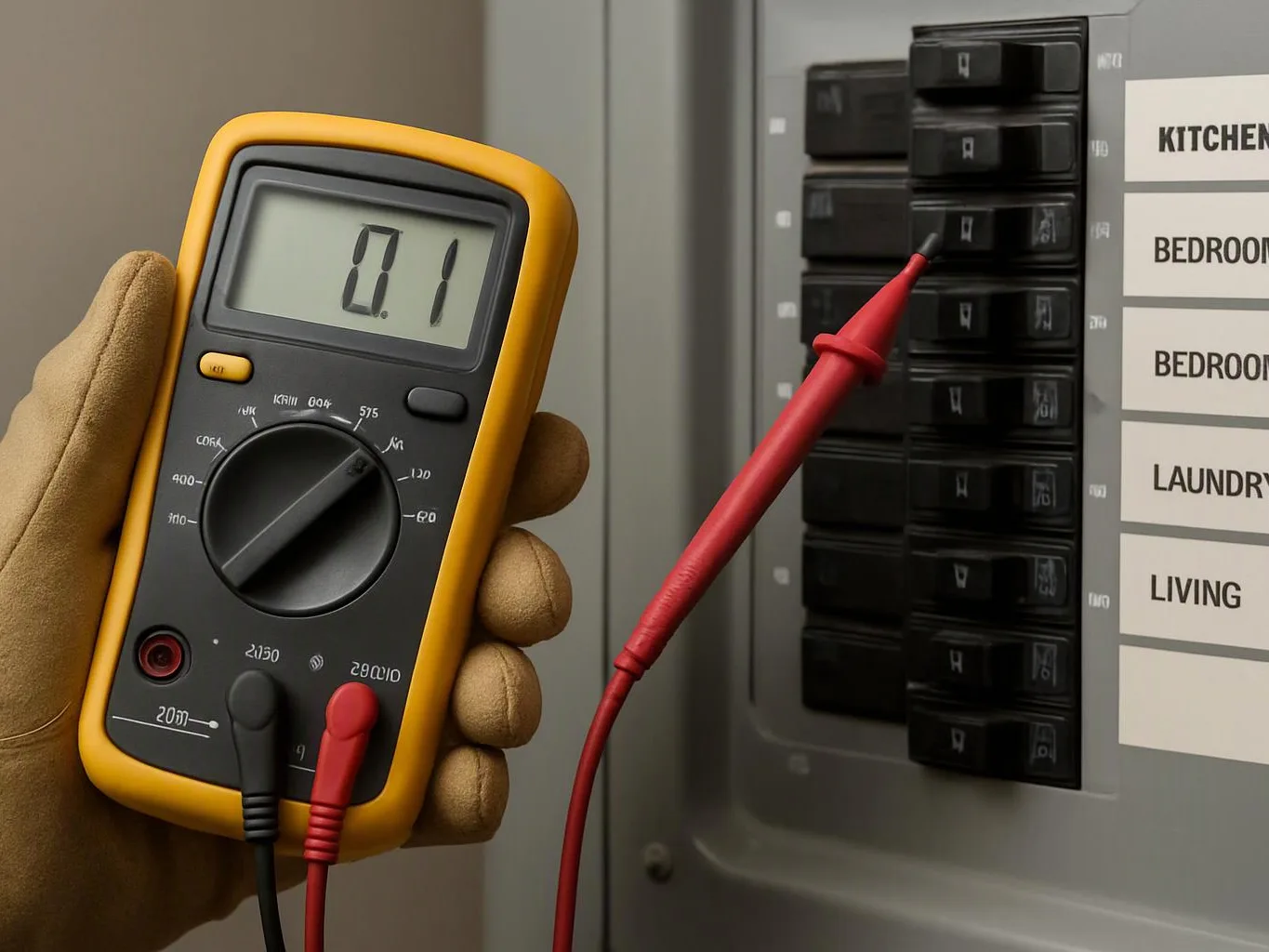
We test charging, connection points, protective devices, and available control functions. Faults are diagnosed before any component replacement.
We review the system operation, tested functions, and practical limits. We also explain any follow-up electrical work the property may need.
These details help us assess the property and prepare a useful estimate.
We assess the service panel, charging circuit, vehicle fit, and equipment location before connecting bidirectional equipment.
We trace charging faults through the circuit, protective devices, controls, and connected equipment before recommending changes.
We explain the tested charging functions, backup limits, panel needs, and follow-up electrical work before handing over the system.
Ask Santa Ana Electrician for an estimate on your charging project, and urgent requests get priority scheduling.
The vehicle charges, but the property does not receive energy during a backup test. Compatibility between the vehicle, charger, controls, and transfer equipment matters before any wiring change. We inspect the circuit path and system connections, then explain whether the issue needs setup changes, electrical work, or equipment support.
A homeowner wants bidirectional charging, but the service panel has few open spaces and several active circuits. The load calculation and panel condition matter more than the charger location alone. We inspect the panel, trace the planned circuit, and outline the electrical work needed for a safe connection.
A business or property manager needs vehicle charging that fits its building use and parking layout. Circuit routing, equipment access, panel capacity, and future operating needs all affect the plan. We review the site information, assess the electrical system, and prepare an estimate for the selected charging scope.