Skip to content

Bidirectional EV Charging System Installation in Corona, California

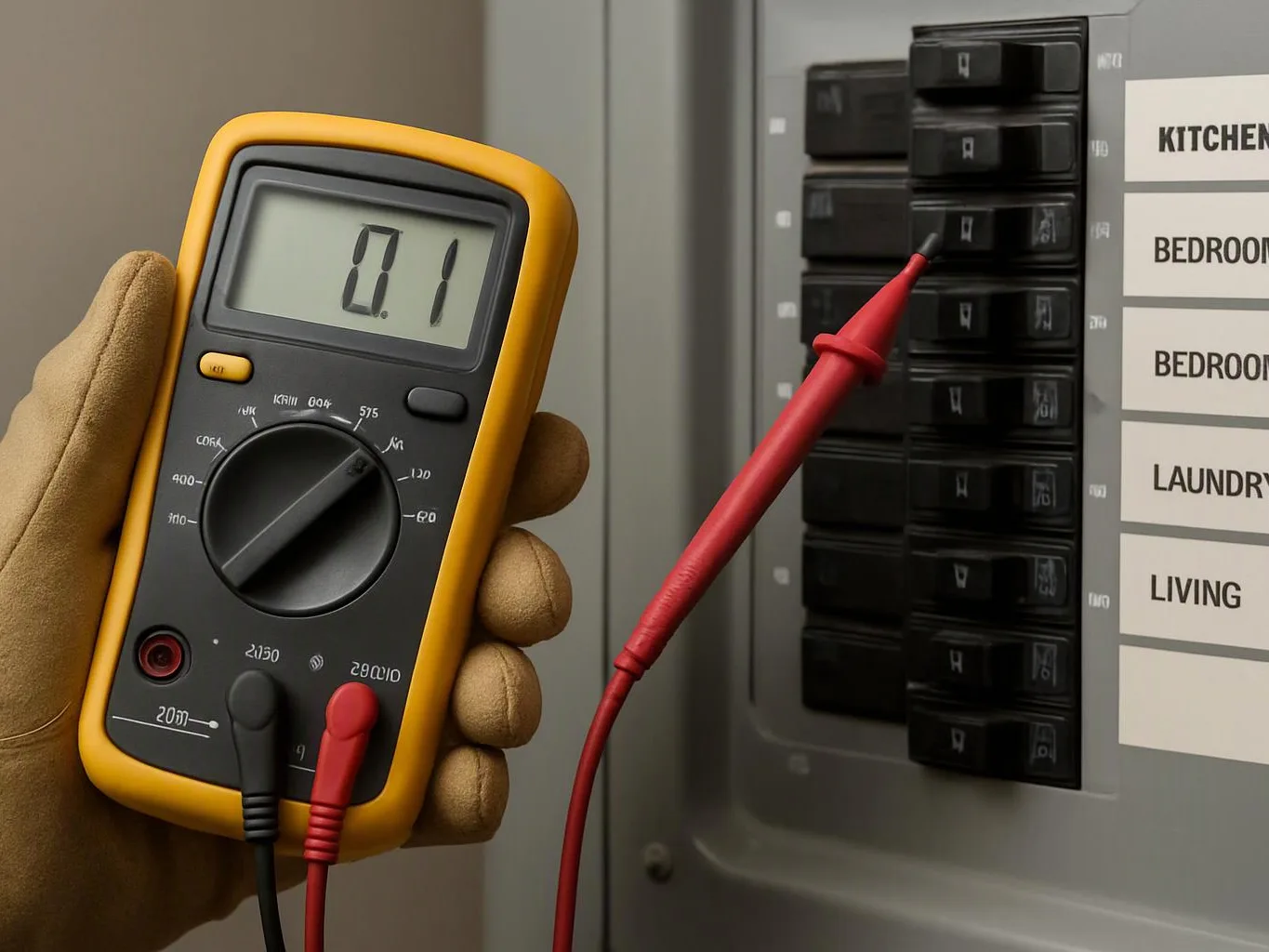
How will the utility connection support bidirectional charging in Corona? We check the building load, panel capacity, and backup circuit needs before planning the work.

Licensed & InsuredFree EstimatesWarranty AvailableSame-Day Service

Quick Summary: Bidirectional EV Charging Systems in Corona, California

Bidirectional EV Charging System Installation in Corona is provided by Santa Ana Electrician for homes, businesses, landlords, and property managers. The work covers panel review, load checks, grounding, backup circuit planning, and related electrical upgrades.

  • What we do: Santa Ana Electrician provides Bidirectional EV Charging System Installation for properties in Corona, California.
  • What is included: Panel review, load calculation, load controller planning, grounding checks, backup circuit planning, and electrical upgrades.
  • What you get: The property receives a defined charging and power-flow plan with the required electrical work identified.

Why does bidirectional EV charging keep stopping during a power event?

Bidirectional charging can stop when the panel, load controller, grounding system, or backup circuit does not support the planned power flow. We inspect those parts and trace the circuit before recommending an installation change.
How We Serve Clients in Corona

Bidirectional charging connects an EV to the building's electrical system through a planned path. The job may include panel work, circuit tracing, load calculation, grounding correction, and a load controller that manages power flow.

This service fits property owners who want an EV system that can do more than charge a vehicle. The key decision is whether the existing panel and service capacity can support the charger, the building, and any backup circuit at the same time.

A standard EV charger installation may be the better fit when the goal is vehicle charging only. We explain that choice after checking the electrical layout and the requested power use.

  • Confirm the building's existing panel capacity and circuit layout.
  • Check whether a load controller is needed for safe power management.
  • Review grounding and bonding before connecting bidirectional equipment.
  • Define which backup circuit, if any, should receive stored vehicle power.
  • Separate charging needs from whole-building backup expectations.
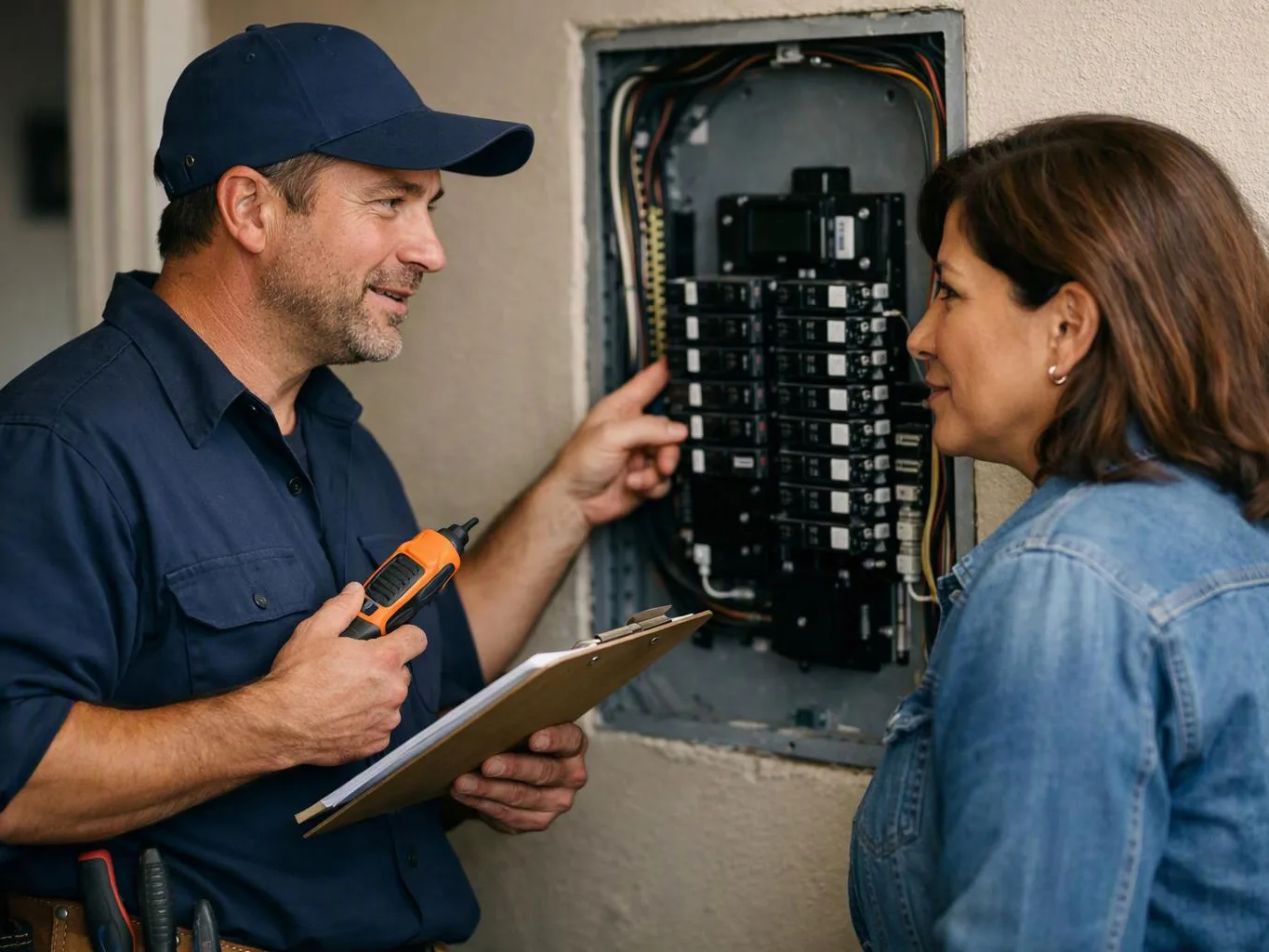
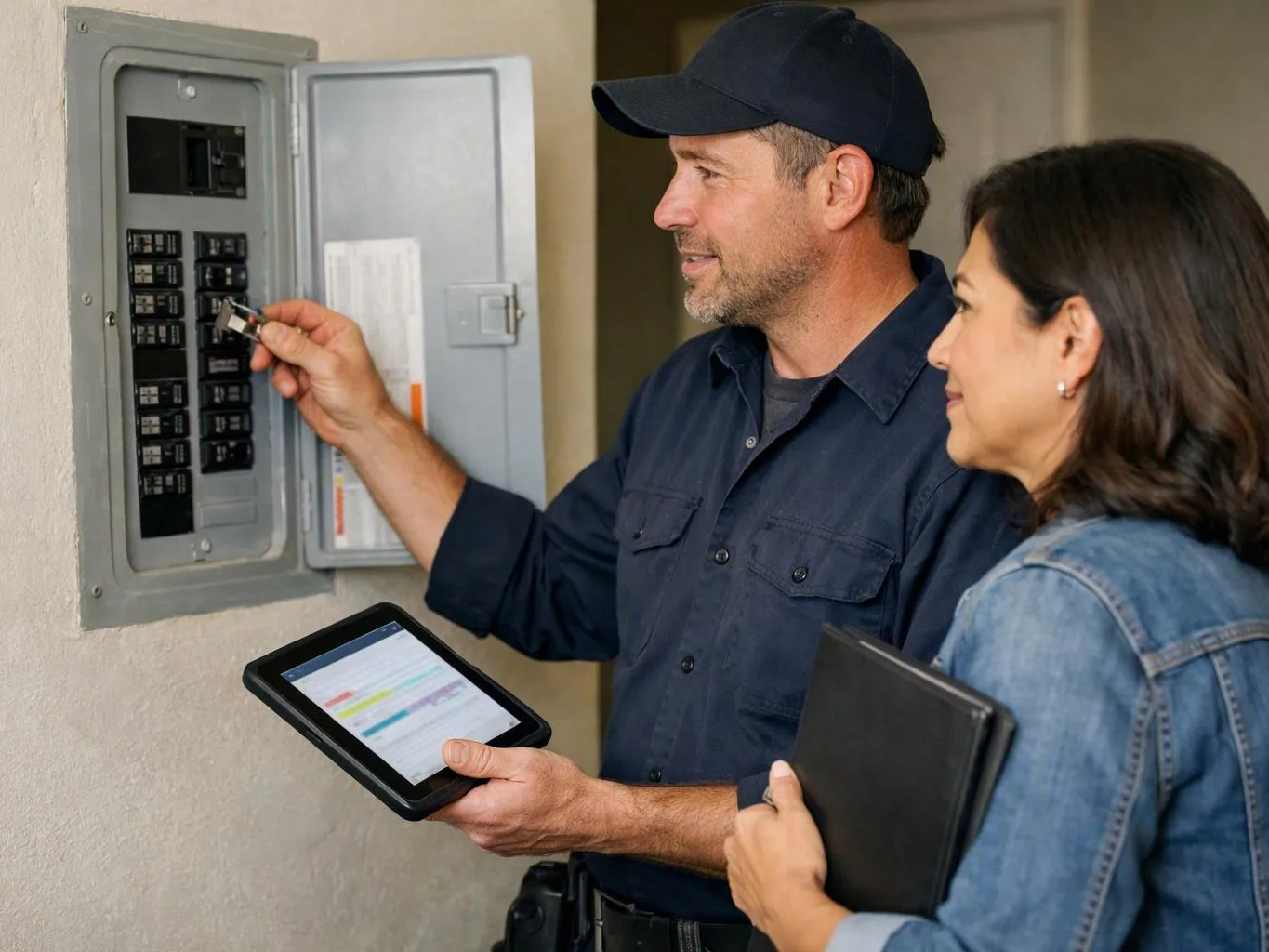
A man checks an electrical breaker panel with a woman holding a tablet beside him

Service Overview

Bidirectional EV Charging System Installation is an electrical service that connects a compatible vehicle and charger to a building so power can move in both directions.

  • Unlike standard EV charging installation, this work also considers power export, load control, backup circuits, and building protection.
  • Santa Ana Electrician provides this service for homes, businesses, landlords, and property managers in Corona.

What Bidirectional EV Charging Installation Includes

Santa Ana Electrician provides comprehensive Bidirectional EV Charging System Installation in Corona. Here's what you get:

  • We inspect the electrical panel and trace the circuits that affect the charger.
  • We complete a load calculation for the building and planned charging equipment.
  • We assess the need for a load controller to manage charging and power export.
  • We check the grounding system and identify correction work when needed.
  • We plan the backup circuit and explain which loads it can serve.
  • We provide a clear estimate for the electrical work identified during the assessment.

A situation this service fits

A typical property question involves a building that has room for an EV charger but no confirmed capacity for vehicle-to-building power. We inspect the panel, map the relevant circuits, check grounding, and define a backup circuit before preparing the estimate. The owner then has a clear choice between bidirectional charging work and a standard charging installation.

How We Approach Bidirectional EV Charging Work

Start with the building load

The load calculation comes before equipment placement or circuit work. We compare existing demand with the planned charger and backup loads, then explain the next step.

Separate charging from backup

Bidirectional charging and whole-building backup are different goals. We identify the backup circuit and discuss what the planned system can support.

Check the control path

The load controller, panel, grounding system, and connected circuits must work together. We trace that path so the estimate reflects the actual electrical scope.

Know when another service fits

This service is the wrong job when you only need a basic one-way EV charger. We can discuss standard EV charging installation when bidirectional power flow is not part of the plan.

Process

How We Plan Bidirectional EV Charging Installation

1

Review the vehicle power goal

We identify whether the goal is vehicle charging, selected backup loads, or both. That choice shapes the panel and circuit review.

2

Inspect the electrical panel

We check the panel, service capacity, existing circuits, and available connection points before setting the electrical scope.

3

Complete the load calculation

The load calculation compares building demand with the planned charger and backup circuit. We use it to identify capacity concerns.

4

Plan control and grounding

We determine whether a load controller is needed and inspect the grounding system before connection work proceeds.

5

Define the backup circuit

We identify the selected backup loads and explain how they relate to the planned vehicle-to-building power flow.

6

Provide the estimate

We outline the recommended work, explain the factors that drive the cost, and provide an estimate for the defined scope.

What This Charging Setup Changes for You

A load review shows whether the existing electrical service fits the planned system.

A load controller can help manage competing electrical demand during charging or power export.

A defined backup circuit keeps the discussion focused on selected loads, not an assumed whole-building backup.

Grounding checks address a key safety point before bidirectional equipment is connected.

You receive practical options when the panel needs an upgrade or the planned system needs a different scope.

Charging Only or Bidirectional Power Flow

These options serve different electrical goals and require different planning.

Service optionPrimary purposeMain planning focus
Standard EV charging installationCharges the vehicle from the buildingCharger circuit, panel capacity, and grounding
Bidirectional EV charging installationCharges the vehicle and supports controlled power exportPanel, load controller, grounding, and selected backup circuit

The Santa Ana Electrician Standard

  • Initial Assessment
  • Systematic Troubleshooting
  • Safety-Minded Repairs
  • Clear Recommendations

Questions About Bidirectional EV Charging Installation

How does bidirectional EV charging connect to a building?

The utility connection feeds the building panel, while the bidirectional charger manages power between the vehicle and selected building circuits. Santa Ana Electrician checks the panel, load controller, grounding system, and backup circuit before defining the connection. The result is a planned electrical path for charging and controlled power export.

What should be checked before installation is scheduled?

The electrical panel, service capacity, circuit layout, grounding system, and planned backup loads should be checked first. We complete a load calculation and trace the relevant circuits before setting the work scope. That review shows whether panel changes or load control work belongs in the estimate.

Who is a good fit for bidirectional EV charging, and who needs a different service?

Homeowners, landlords, businesses, and property managers with a compatible vehicle and a power-flow goal are good fits. A standard EV charging installation suits customers who only want one-way vehicle charging. We compare those goals with the panel capacity and requested backup circuit before recommending the service.

What happens at each stage of the installation?

The work follows a review, load check, circuit plan, grounding check, and installation scope.

  1. We discuss charging and backup goals.
  2. We inspect the panel and calculate the load.
  3. We plan control equipment and selected circuits.
  4. We explain the estimate and next steps.

Each stage supports the next decision.

Which part of the job can change the estimate?

Panel capacity and the requested backup circuit often shape the electrical scope. Existing circuit paths, grounding correction, load controller needs, and panel upgrades can also change the estimate. We inspect those items before providing a free estimate for the defined work.

Why might bidirectional charging stop during a power event?

A bidirectional system may stop when its control path, grounding, panel capacity, or backup circuit does not match the planned load. We inspect the panel and connected circuits instead of treating the symptom as a simple charger fault. The assessment identifies whether the issue calls for circuit work, control changes, or a different service.
Contact

Request a Bidirectional EV Charging Installation Estimate

Tell Santa Ana Electrician about your vehicle, panel, and backup goals, and urgent requests get priority scheduling.

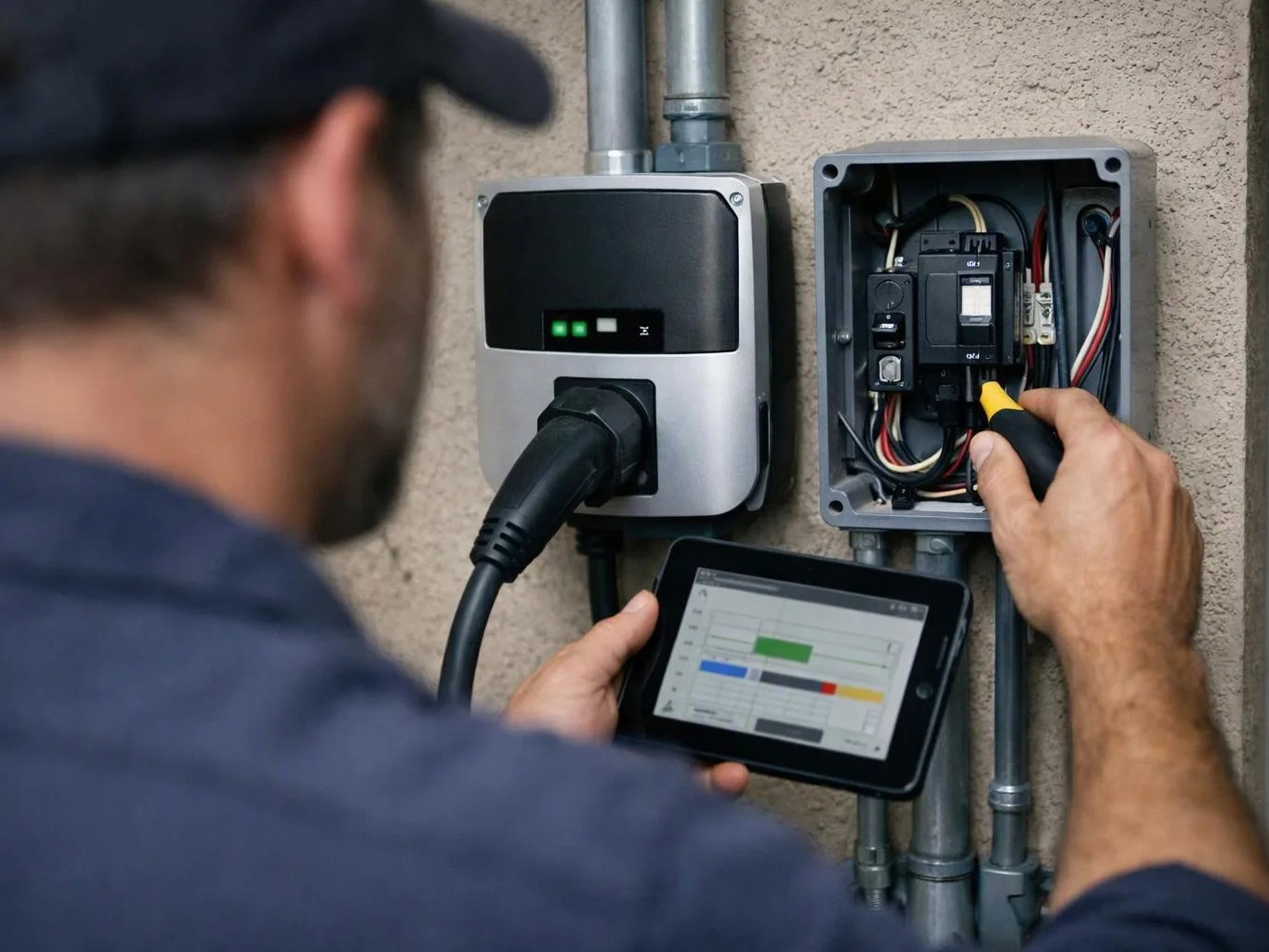
A technician inspects an open electrical box beside a wall-mounted charging unit while holding a tablet

ZIP Codes We Serve in Corona, California

92877928789287992880928819288292883

Bidirectional EV Charging System Installation in Other Areas

(949) 850-2844