Skip to content

Bidirectional EV Charging System Installation in Fountain Valley

Firmware errors can stop bidirectional charging in Fountain Valley. We check the charging system, communication path, and safety controls.

Licensed & InsuredFree EstimatesWarranty AvailableSame-Day Service

Quick Summary: Bidirectional EV charging system installation in Fountain Valley, California

Bidirectional EV Charging System Installation in Fountain Valley is provided by Santa Ana Electrician for homes, businesses, landlords, and property managers. The service covers system checks, electrical connections, fault diagnosis, and code-compliant improvements across Santa Ana and nearby Orange County communities.

  • What we do: Santa Ana Electrician provides Bidirectional EV Charging System Installation for homes, businesses, landlords, and property managers in Fountain Valley, California.
  • What is included: We diagnose firmware errors, trace communication faults, check grounding, assess overload conditions, and address charging interruptions.
  • What you get: The finished work leaves the charging system tested, connected, and matched to the property's electrical needs.

Why do bidirectional EV charging systems stop during a charge?

Firmware errors can stop bidirectional charging by disrupting the charger, vehicle, or energy-control signals. Communication faults, overload conditions, grounding faults, and charging interruptions can cause similar symptoms. We isolate the fault, inspect the related circuit, and explain whether the next step involves installation, repair, or another electrical service.

Bidirectional EV Charging System Installation for Fountain Valley properties

Bidirectional charging supports more than one-way vehicle charging. The work connects the charging equipment to the property's electrical system and checks how power moves between the vehicle and building.

The key buyer decision is whether the issue needs a new installation, fault diagnosis, or a broader electrical repair. We inspect the circuit, panel capacity, grounding path, and communication points before recommending work.

This page focuses on system faults that interrupt charging. A standard outlet repair or basic EV charging installation follows a different scope when bidirectional power exchange is not involved.

  • Confirm whether the vehicle and charger support bidirectional power flow.
  • Check the dedicated circuit, panel capacity, and grounding path.
  • Trace communication faults between the vehicle, charger, and control system.
  • Test for overload conditions and repeated charging interruptions.
  • Separate installation needs from repair or troubleshooting needs.
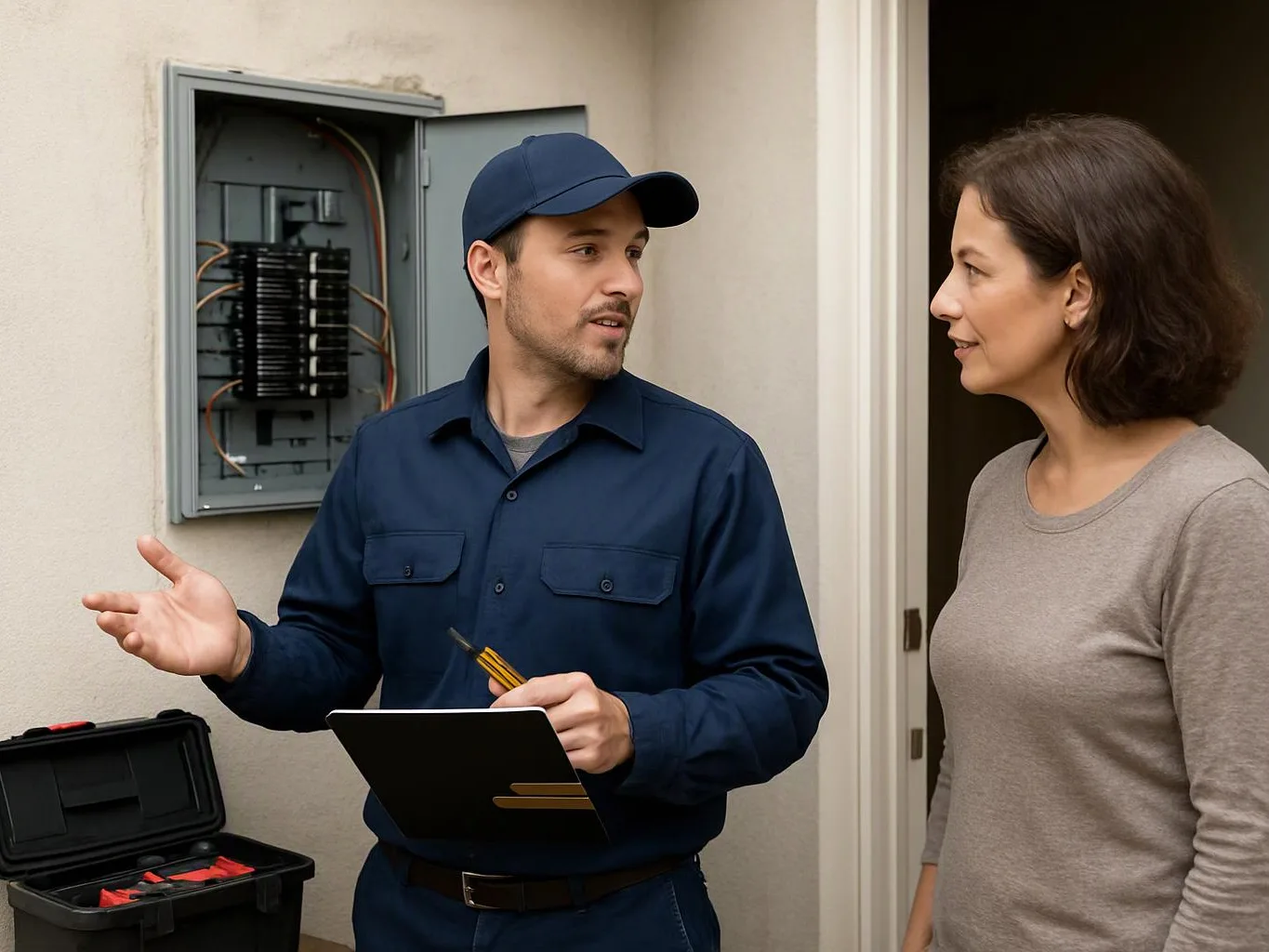
A repairman in a blue uniform talks with a woman beside an open electrical panel and tool case

Service Overview

Bidirectional EV charging system installation is electrical work that lets an EV exchange power with a building or charging system.

  • Unlike a standard EV charging installation, bidirectional work also checks power flow in both directions and the control signals that manage it.
  • We provide this service for homes, businesses, landlords, and property managers in Fountain Valley.

What bidirectional charging installation includes

Santa Ana Electrician provides comprehensive Bidirectional EV Charging System Installation in Fountain Valley. Here's what you get:

  • We inspect the proposed charging location and the electrical circuit serving it.
  • We check panel capacity and complete a load calculation when the scope calls for one.
  • We trace communication faults that affect charging control.
  • We inspect grounding and look for conditions that can interrupt safe operation.
  • We test the system after the electrical work and explain the findings.

What you get from a focused bidirectional charging assessment

Fault-specific electrical checks

The inspection follows the symptom, such as repeated charging interruptions or a charger that loses communication. We check the related circuit and control path before setting the work scope.

A scope matched to the property

Panel capacity, grounding, circuit routing, and equipment placement shape the installation. We explain which electrical changes apply to the home or business.

When this service is the wrong job

A basic one-way EV charger does not need bidirectional system work. We identify that distinction before quoting this service, so a standard EV charging installation can be considered when appropriate.

Process

How we complete bidirectional charging system work

1

Record the charging symptom

We note when charging stops, whether the vehicle still connects, and whether the breaker trips or the charger shows a fault.

2

Inspect the electrical supply

We check the panel, breaker, wiring, grounding, and available capacity for the proposed charging circuit.

3

Trace control communication

We inspect communication points between the vehicle, charger, and energy-control equipment when charging interruptions suggest a signal fault.

4

Set the electrical scope

We explain whether the property needs installation, circuit work, a panel upgrade, or fault diagnosis before preparing the quote.

5

Test the completed work

We test the electrical connection and verify the system behavior after the approved work is complete.

What this charging work helps you decide

Fault tracing identifies whether a charging interruption starts in the electrical circuit or control system.

A load calculation shows whether the existing panel can support the planned equipment.

Grounding checks help address safety issues before bidirectional power exchange begins.

Clear findings help you choose between installation, repair, and a panel upgrade.

Testing gives you documented next steps for the property and charging equipment.

Bidirectional charging work compared with standard EV charging

The main difference is the direction of power flow and the testing required for each system.

Charging optionPrimary electrical scopeMain decision point
Standard EV chargingSupplies power from the property to the vehicle.Focuses on circuit capacity, wiring, grounding, and charger connection.
Bidirectional EV chargingSupports power exchange between the vehicle and property.Adds control-signal checks, fault tracing, and verification of both-way operation.

The Santa Ana Electrician Standard

  • Initial Assessment
  • Systematic Troubleshooting
  • Safety-Minded Repairs
  • Clear Recommendations

Questions about bidirectional charging system work

What problems can occur with bidirectional EV charging systems?

Firmware errors can interrupt charging by disrupting control signals between the vehicle, charger, and energy system. Communication faults, overload conditions, grounding faults, and charging interruptions can create similar symptoms. Santa Ana Electrician checks the electrical circuit and control path, then explains whether the work calls for installation, repair, or further diagnosis.

What does the crew look at first during bidirectional charging installation?

The existing electrical supply comes first, including the panel, breaker, wiring, grounding, and available capacity. We also record the charging symptom and inspect the connection between the vehicle and charger. That first review separates an electrical fault from a control or equipment issue before the scope is set.

What should be checked before bidirectional charging is scheduled?

The vehicle, charger, panel capacity, dedicated circuit, grounding path, and communication connection should be checked first. We use those findings to decide whether the property needs installation, repair, or a panel upgrade. A clear symptom record also helps us focus the inspection.

How does the installation process handle charging interruptions?

Charging interruptions are handled through symptom tracking, circuit inspection, communication checks, and final testing. We check whether a breaker, grounding path, overload condition, or control signal caused the stop. The findings guide the approved electrical work and the final verification.

Which electrical conditions can trigger an overload during charging?

An overloaded panel, undersized circuit, incorrect breaker, or competing electrical load can trigger charging problems. We complete a load calculation and inspect the charging circuit before recommending changes. The result shows whether the existing electrical service can support the planned bidirectional equipment.

When does bidirectional charging need a panel upgrade?

A panel upgrade becomes relevant when the existing service lacks capacity for the charging load and other property demands. We review the panel, service entrance, breakers, and load calculation before recommending that work. The quote separates the panel scope from the charging installation.

Why does a charger lose communication with the vehicle?

A charger can lose communication because of a control fault, wiring issue, firmware error, or equipment connection problem. We inspect the communication path and related electrical circuit instead of treating the symptom as a simple breaker issue. The diagnosis identifies the next electrical step.
Contact

Request a quote for bidirectional EV charging installation

Get a clear scope for your charging system, and urgent requests get priority scheduling.

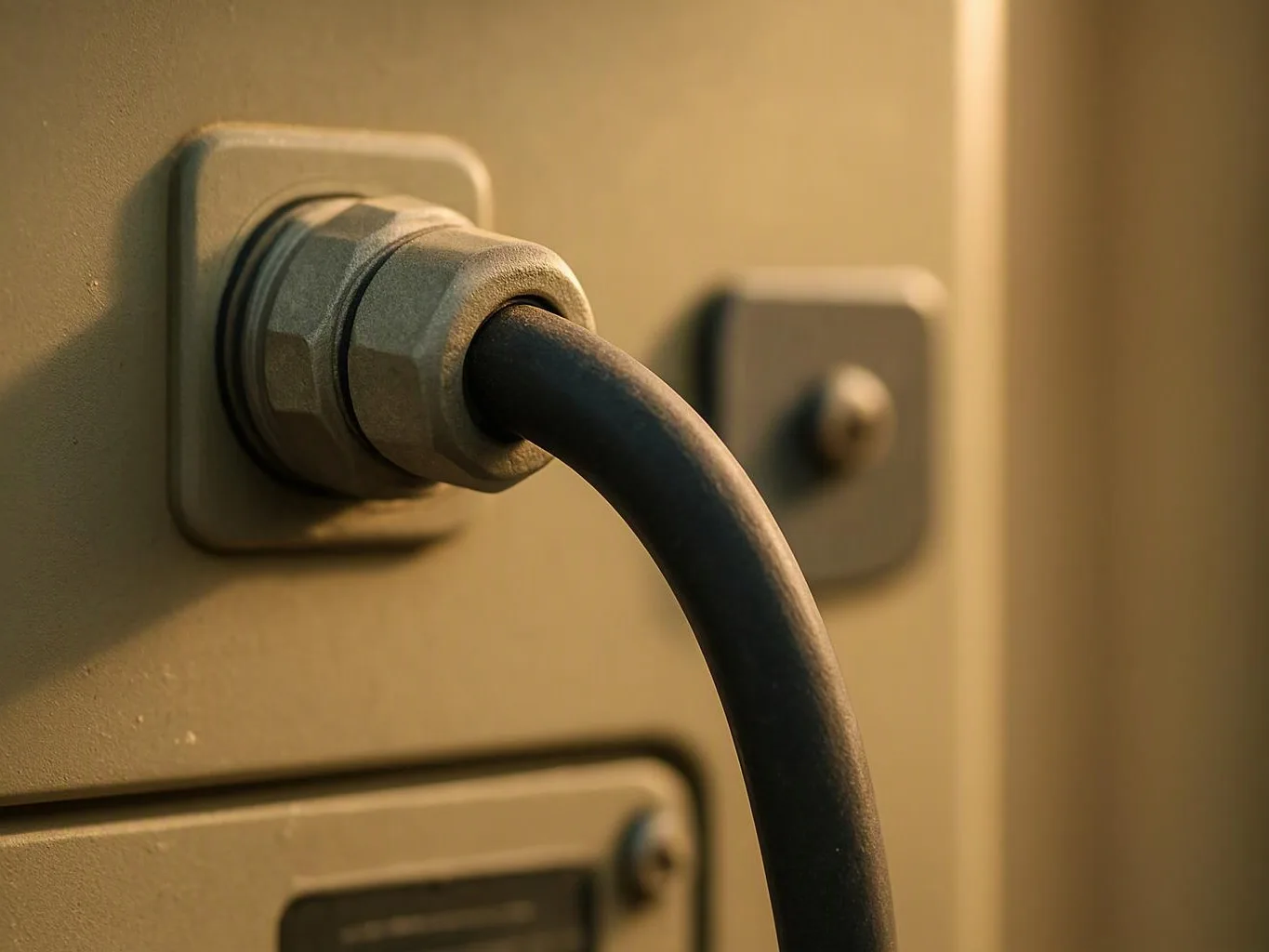
A thick black cable plugs into a metal panel on a beige machine wall

ZIP Codes We Serve in Fountain Valley, California

9270892728

Bidirectional EV Charging System Installation in Other Areas

(949) 850-2844