Skip to content

Bidirectional EV Charging System Installation in Paramount, California

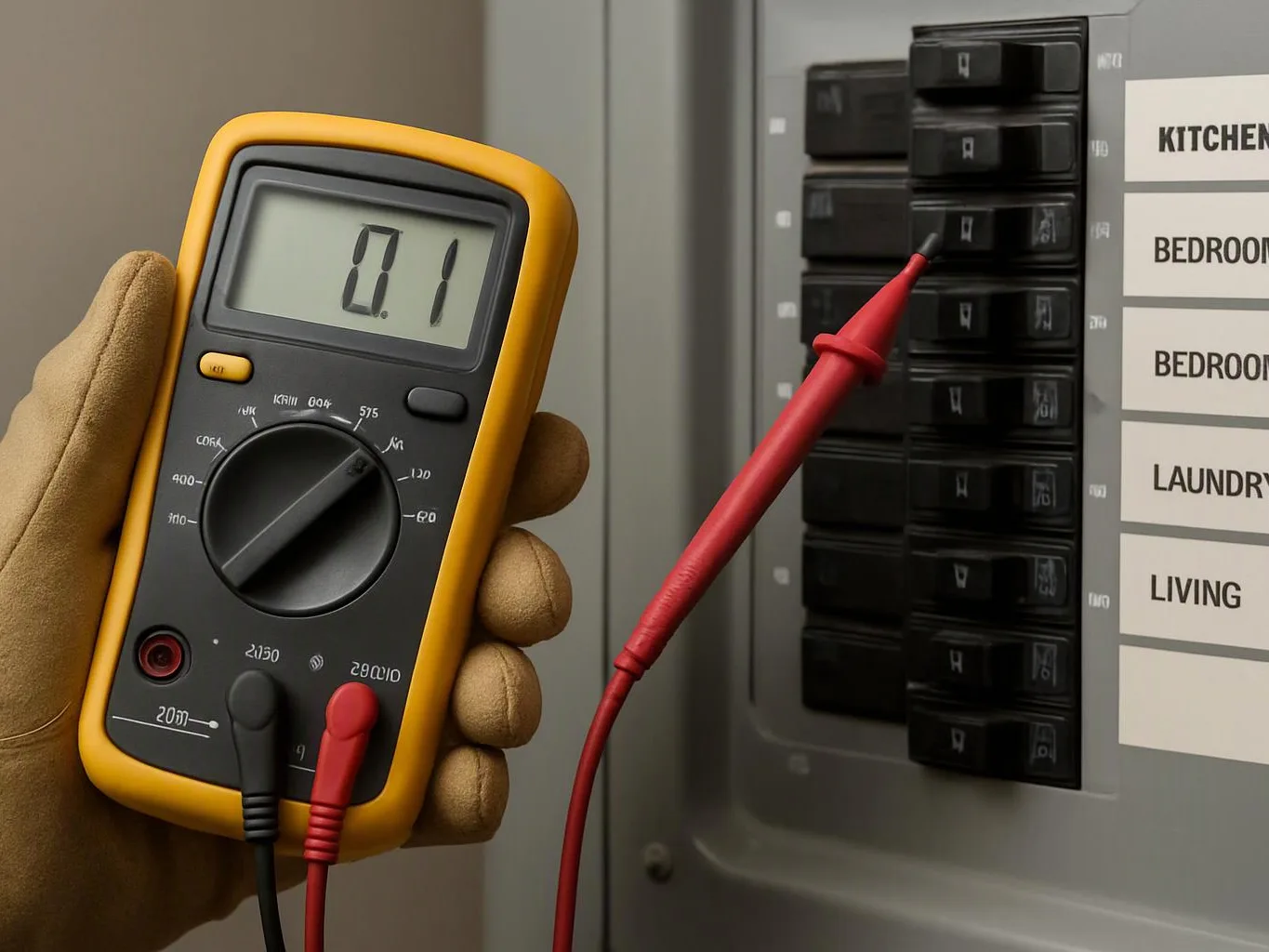
Bidirectional charger equipment is checked for safe two-way power flow in Paramount. We plan the transfer switch, energy meter, and battery storage connection around the property.

Licensed & InsuredFree EstimatesWarranty AvailableSame-Day Service

Quick Summary: Bidirectional EV Charging System Installation in Paramount, California

Bidirectional EV Charging System Installation in Paramount is provided by Santa Ana Electrician for homes, businesses, landlords, and property managers. The work covers bidirectional charger equipment, transfer switch planning, energy meter checks, and related electrical connections across Santa Ana and nearby Orange County communities.

  • What we do: Santa Ana Electrician installs bidirectional EV charging systems for Paramount, California homes, businesses, landlords, and property managers.
  • What is included: Equipment review, transfer switch planning, energy meter checks, battery storage connections, and communication cable installation.
  • What you get: The property receives a planned charging system with compatible equipment and a defined electrical connection path.

Why does my bidirectional charger need extra equipment?

A bidirectional charger needs supporting equipment because power must move safely between the vehicle, property, and connected loads. A transfer switch helps manage power paths, while an energy meter tracks flow. Battery storage and communication cables support system control when the design calls for them.
Bidirectional EV Charging System Installation for Paramount Properties

Bidirectional EV Charging System Installation focuses on more than mounting a charger. The work includes equipment planning, circuit checks, power-flow controls, and communication links between the charger and related devices.

Customers must decide whether their property needs battery storage, a transfer switch, or an energy meter as part of the design. We explain those choices before work begins, so the equipment list matches the intended use.

This page suits homeowners, landlords, businesses, and property managers in Paramount who want a two-way EV charging setup. It does not replace a general panel upgrade when the property needs broader electrical repairs.

  • Confirm the bidirectional charger matches the planned electrical system.
  • Check the transfer switch and energy meter requirements.
  • Plan battery storage and communication cable connections when needed.
  • Review the property’s existing circuits before installation.
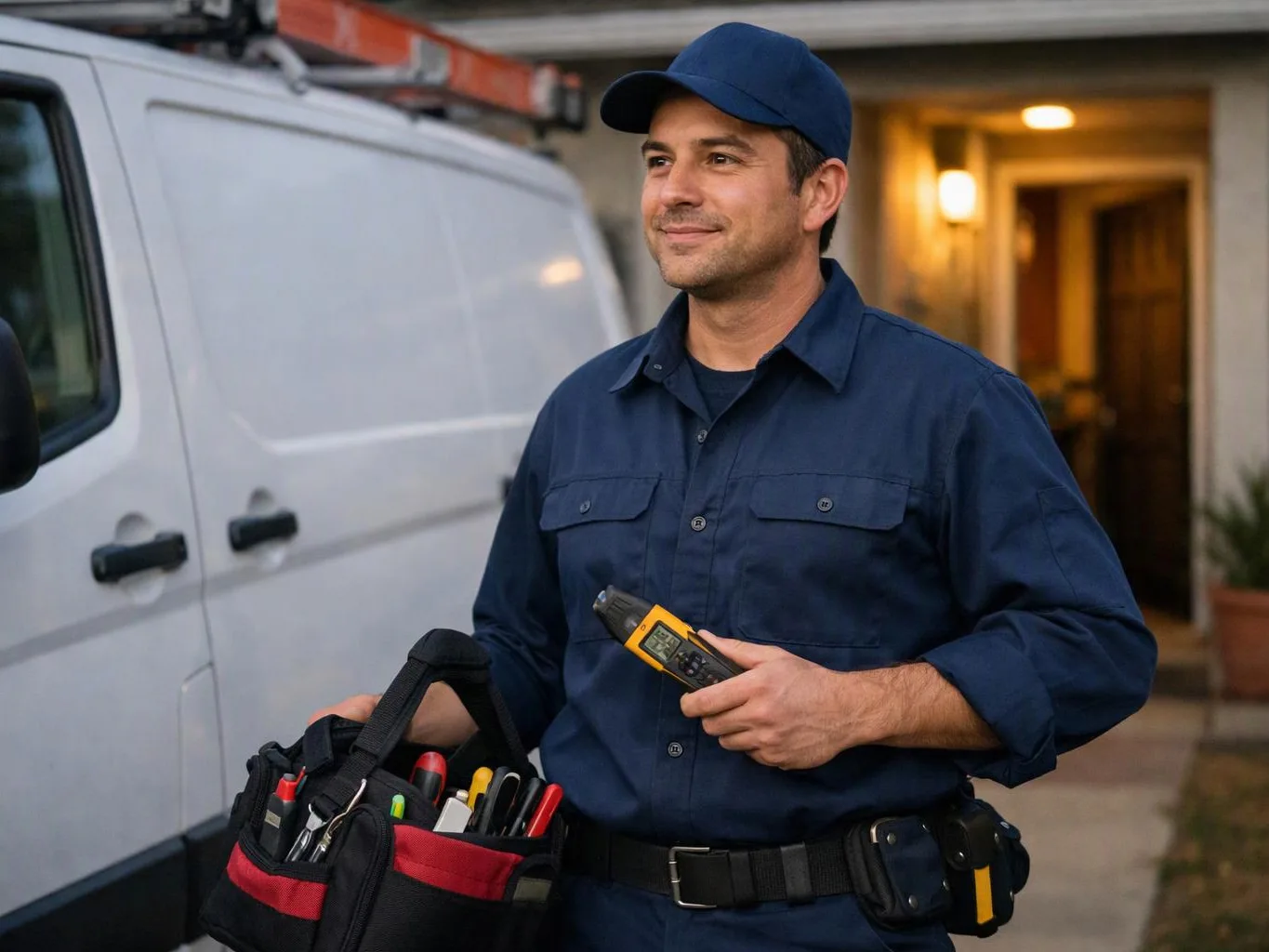
A smiling handyman in blue work clothes holds a tool bag and a yellow tester beside a white van at a house entrance

Service Overview

Bidirectional EV Charging System Installation is electrical work that connects a two-way EV charger with a property’s power system.

  • Unlike a standard EV charger, this setup can support power moving from the vehicle back toward approved property loads.
  • Santa Ana Electrician provides this service for properties in Paramount and nearby Orange County communities.

What Bidirectional EV Charging System Installation Includes

Santa Ana Electrician provides comprehensive Bidirectional EV Charging System Installation in Paramount. Here's what you get:

  • We review the bidirectional charger and its planned electrical connection.
  • We identify the transfer switch needs for the intended power path.
  • We check where an energy meter fits within the system design.
  • We plan battery storage connections when the project includes storage.
  • We route communication cable connections needed for system control.
  • We test the installed connections and explain the system’s basic operation.

What This Charging Setup Changes for the Property

A two-way charger gives the property a planned path for EV charging and approved power flow.

Equipment checks help reduce mismatched parts and unclear wiring decisions.

A defined energy meter location makes power use easier to track.

Planned communication cables help connected equipment share operating information.

Property managers receive a clearer scope for coordinating work across residential or commercial spaces.

Process

How We Complete This Charging Installation

1

Review the charger equipment

We confirm the bidirectional charger, transfer switch, energy meter, and related parts match the planned use.

2

Check the electrical connection

We inspect the available circuit path and identify how the charger connects with property loads and storage equipment.

3

Plan control and data wiring

We locate communication cable routes and confirm how connected equipment will exchange operating information.

4

Install the planned equipment

We install the approved equipment and complete the required electrical connections for the defined scope.

5

Test the system connections

We test the installation, check the power path, and explain the basic operation to the customer.

What to Check Before Choosing This Charging Work

Match the charger to the electrical plan

The charger, transfer switch, energy meter, and wiring must work as one system. Customers should request this service when they need two-way power flow, not only routine EV charging.

Plan storage and control equipment

Battery storage and communication cable needs depend on the planned system. We review these parts before installation so the equipment list stays tied to the property’s goal.

Know when another service fits

A standard EV charger installation is the better fit when the vehicle only needs one-way charging. A panel upgrade or electrical repair may be needed first if the existing system has separate capacity or safety issues.

Standard and Bidirectional EV Charging Options

The table shows the main equipment difference between one-way charging and planned two-way power flow.

Charging optionPower directionSupporting equipment
Standard EV chargingVehicle charging onlyCharger and required circuit
Bidirectional EV chargingVehicle charging and planned power flow to approved loadsCharger plus possible transfer switch, energy meter, storage, and communication cable

The Santa Ana Electrician Standard

  • Initial Assessment
  • Systematic Troubleshooting
  • Safety-Minded Repairs
  • Clear Recommendations

Questions About Two-Way EV Charging Installation

What equipment is needed for bidirectional EV charging installation?

Santa Ana Electrician reviews the bidirectional charger, transfer switch, energy meter, battery storage, and communication cable.

  • The charger handles two-way power flow.
  • The transfer switch manages the power path.
  • The meter and communication cable support monitoring and control.

The final equipment list follows the property’s electrical layout and planned use.

How does a charging installation visit move from the first call to the last step?

The visit moves from equipment review to electrical checks, installation, testing, and customer guidance.

  1. We discuss the charger and property goal.
  2. We check circuits and supporting equipment.
  3. We install the defined scope.
  4. We test connections and explain operation.

Customers receive a quote after the work scope is clear.

Which material changes how long the charging installation takes?

Communication cable and the wiring path can change the work required for this installation. Existing access, circuit condition, and the distance between connected equipment also matter. We inspect those points before setting the scope. The quote explains the planned wiring work instead of assuming every property has the same layout.

How can a customer tell whether this charging system fits the property?

The system fits when the property can support the planned charger, power path, controls, and connected loads. We review the electrical panel, available circuits, transfer switch needs, and storage plans. Customers in Paramount can request an assessment for a home, business, rental property, or managed building before choosing equipment.

What is the difference between a standard EV charger and this setup?

A standard EV charger sends power to the vehicle, while a bidirectional system supports planned two-way power flow. The added design may include a transfer switch, energy meter, storage connection, and communication cable. We explain which parts apply to the customer’s goal and separate them from unrelated electrical upgrades.

Why would battery storage be included with an EV charger?

Battery storage may be included when the planned system needs a place to hold electrical energy. Storage adds equipment, wiring, and control needs to the installation. We check how the battery connects with the charger and property loads. Customers receive a quote that separates storage work from the charging equipment.

What should a property manager prepare before the installation review?

A property manager should prepare access details, equipment information, and the intended use of the charging system. Helpful details include the charger model, storage plans, electrical panel location, and any tenant or business access limits. We use that information to define the inspection and quote scope.

Bidirectional EV Charging System Installation in Other Areas

Contact

Request a Free Estimate for Bidirectional EV Charging System Installation in Paramount

Are you planning two-way EV charging equipment? Santa Ana Electrician can review the system scope and prepare a free estimate, and urgent requests get priority scheduling.

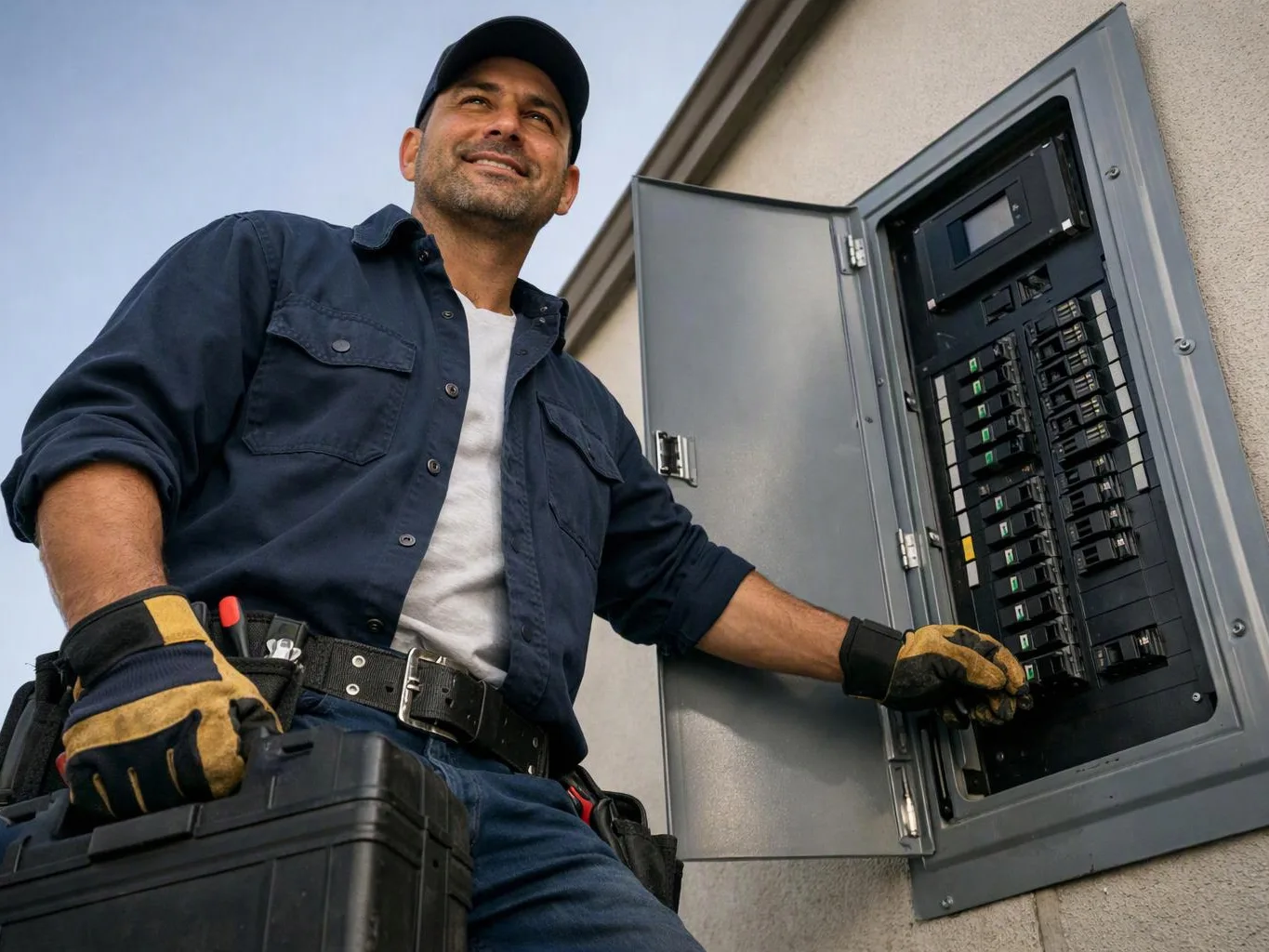
A man in work gloves opens an electrical panel outdoors while holding a tool case

ZIP Codes We Serve in Paramount, California

90723
(949) 850-2844