What problems can occur with bidirectional EV charging systems?
Firmware errors can stop a bidirectional EV charging system from starting or transferring power. Communication faults, overload conditions, grounding faults, and charging interruptions can also affect operation. We test the charger, vehicle connection, control signals, circuit capacity, and grounding path. That diagnosis shows whether the issue calls for electrical work, system settings, or equipment review.
What does the crew look at first during installation?
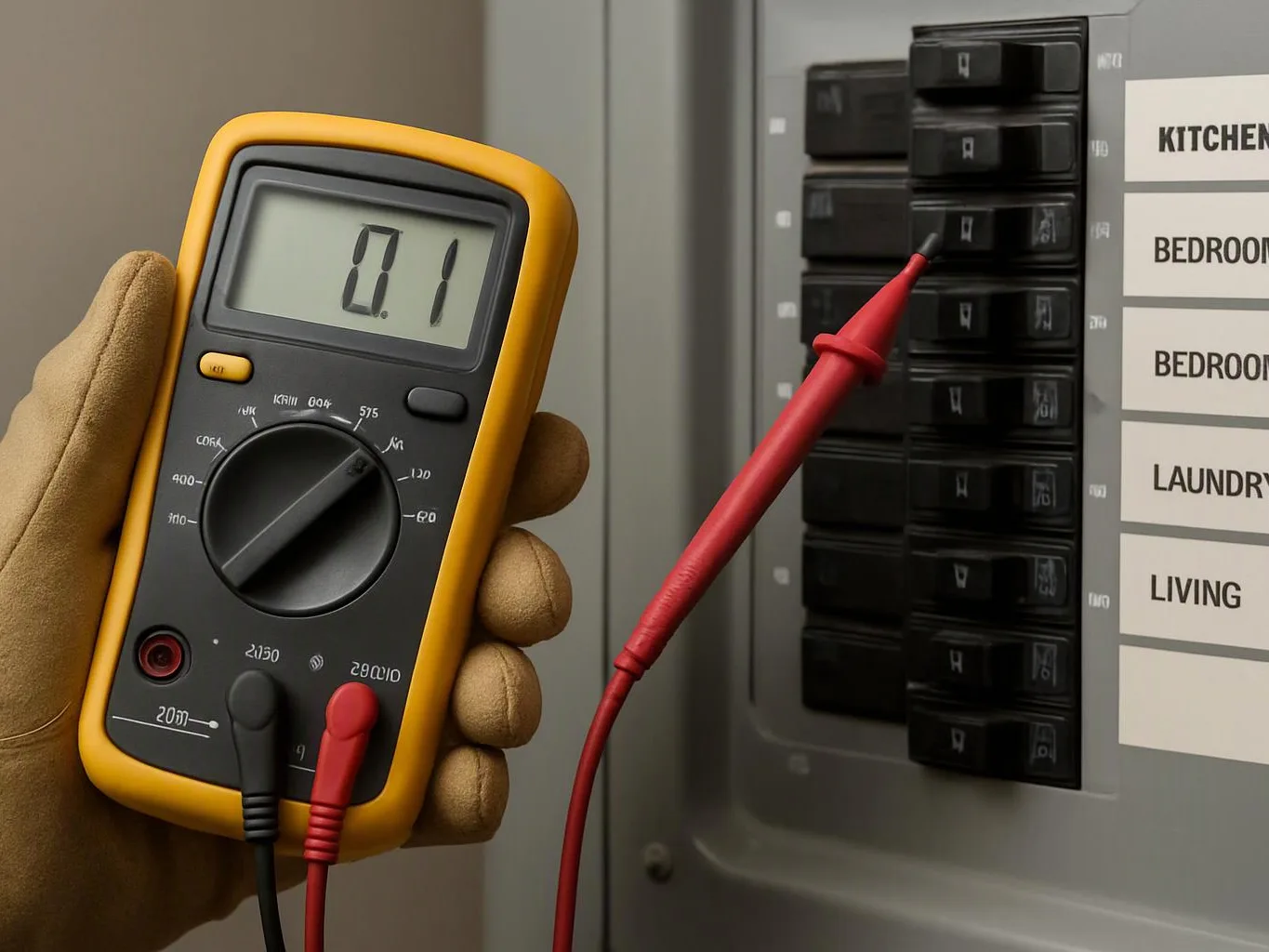
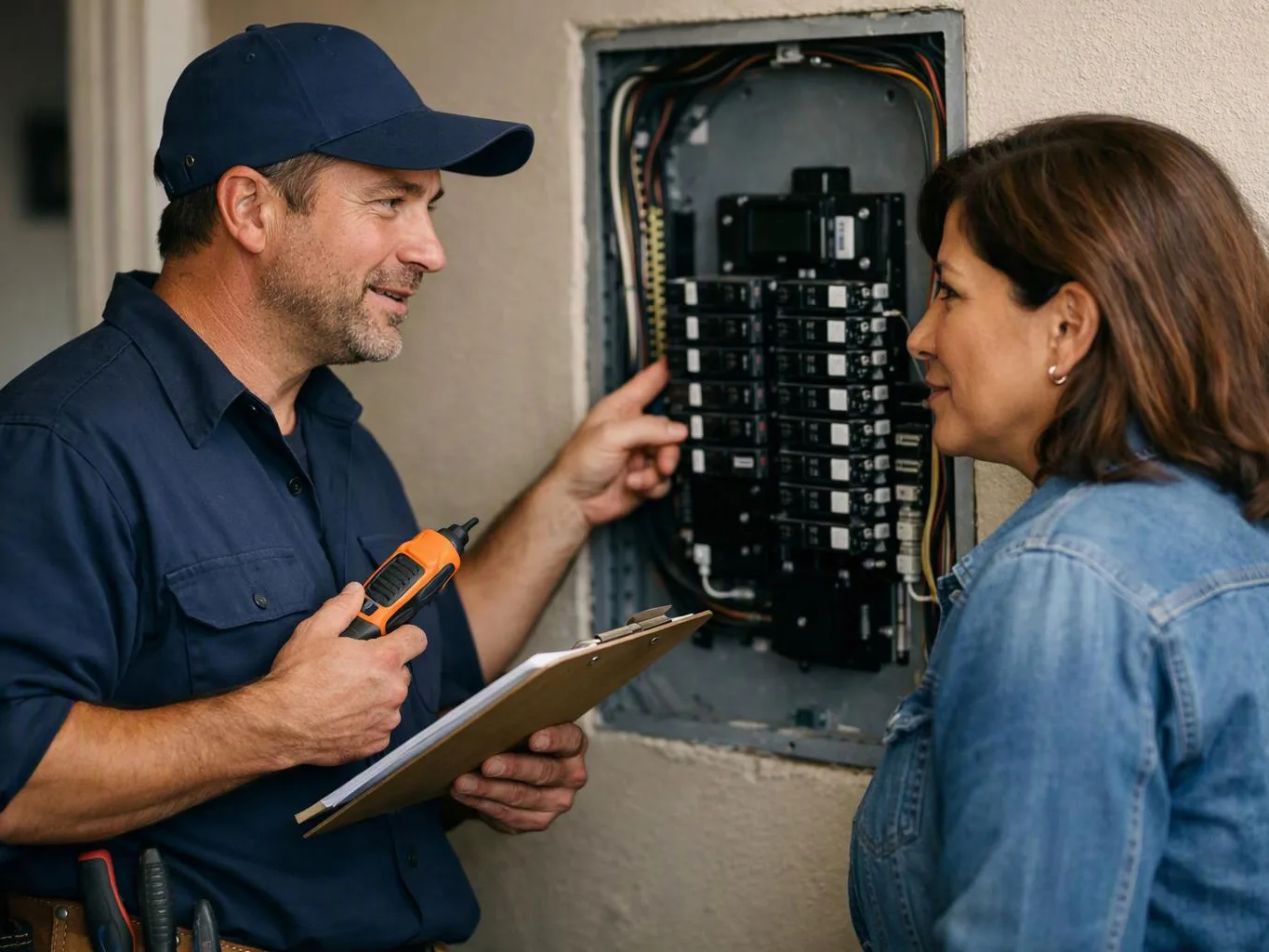
The electrical supply is checked first during bidirectional charging installation. We inspect the panel, grounding, circuit path, available capacity, and planned charger location. The vehicle and charger are then reviewed for bidirectional compatibility. This order helps us define safe work before wiring or equipment changes begin.
What should be checked before installation is scheduled?
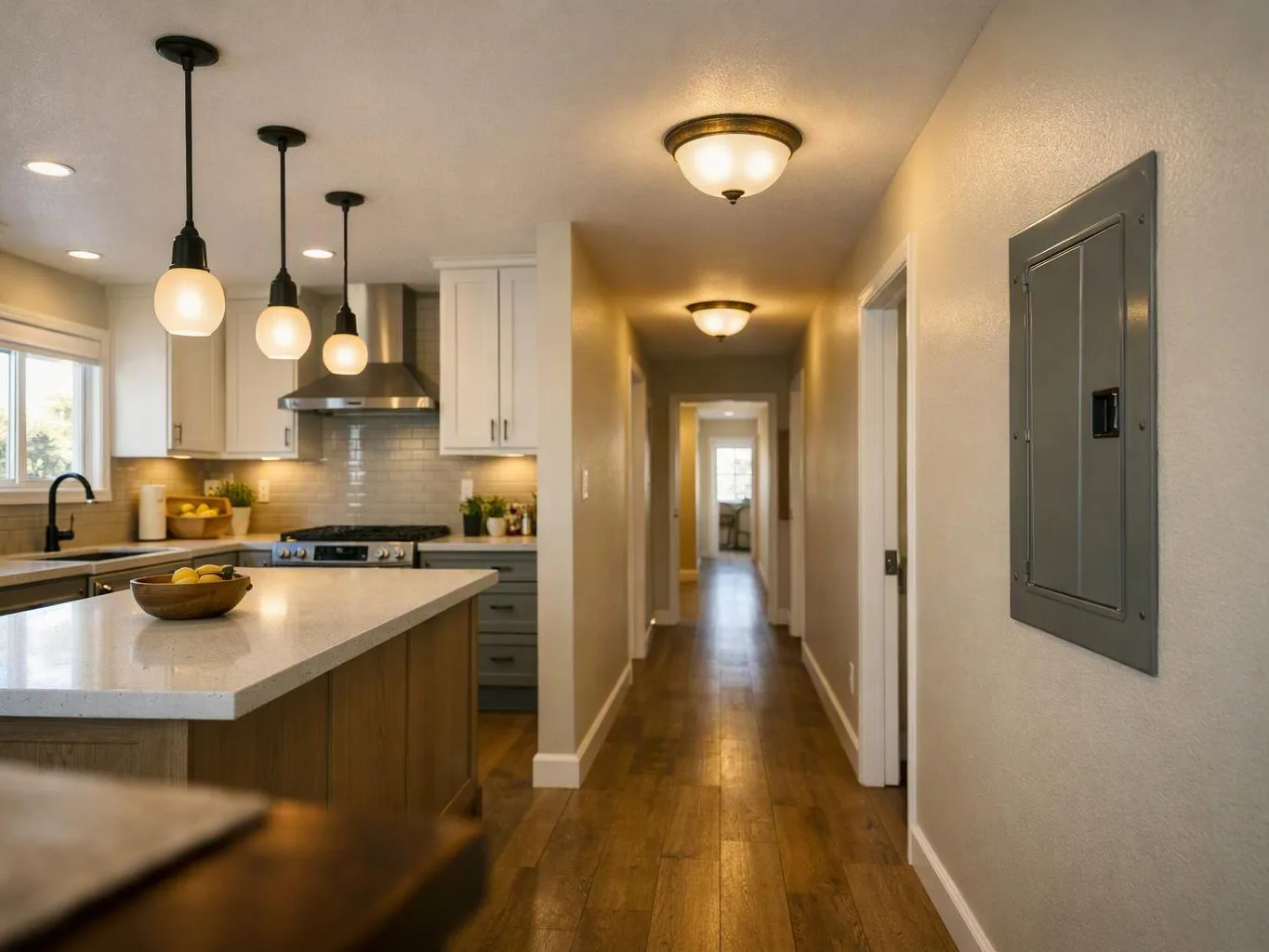
Vehicle and charger compatibility should be checked before bidirectional installation is scheduled. The property also needs a review of panel capacity, grounding, wiring access, and the intended building loads. Share the equipment details and the building's electrical concerns with us so we can prepare a useful assessment.
How does a load calculation affect this charging project?
A load calculation shows whether the existing electrical supply can support the planned charger and connected building loads. We review current circuits, panel capacity, and the proposed charging load. If capacity is limited, the scope may include a panel upgrade, subpanel installation, or another electrical change.
Which faults can cause charging interruptions?
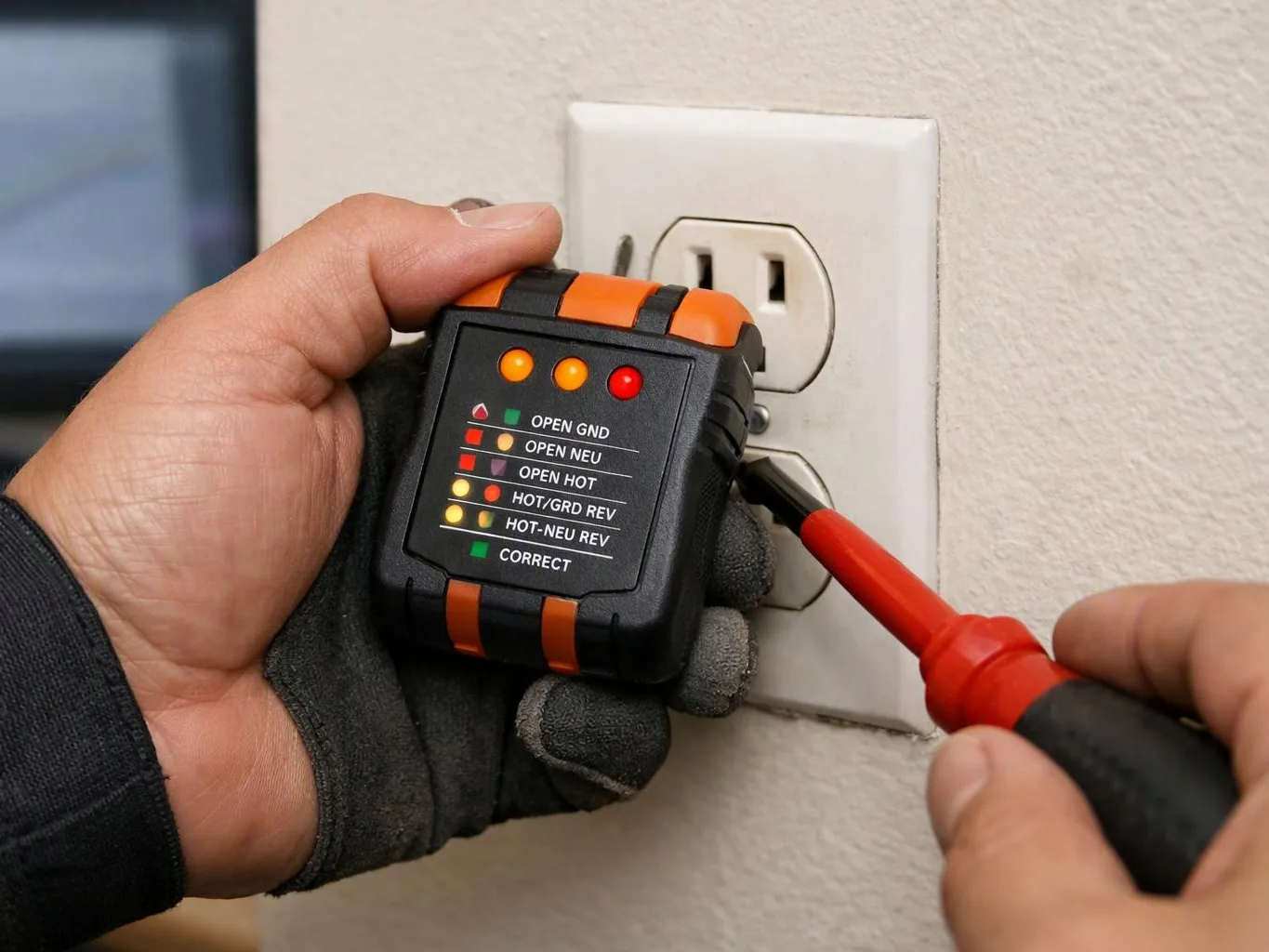
Communication faults, overload conditions, grounding faults, and firmware errors can interrupt bidirectional charging. We test each area instead of treating every stoppage as a failed charger. The check includes control signals, breaker behavior, grounding, wiring, and power flow.
When is a standard EV charger a better fit?
A standard EV charger is a better fit when the vehicle or equipment does not support power flowing back to the building. We confirm the intended use before recommending bidirectional work. One-way charging may meet the need without adding reverse-power controls and related electrical checks.
Who installs bidirectional EV charging systems in South Whittier?
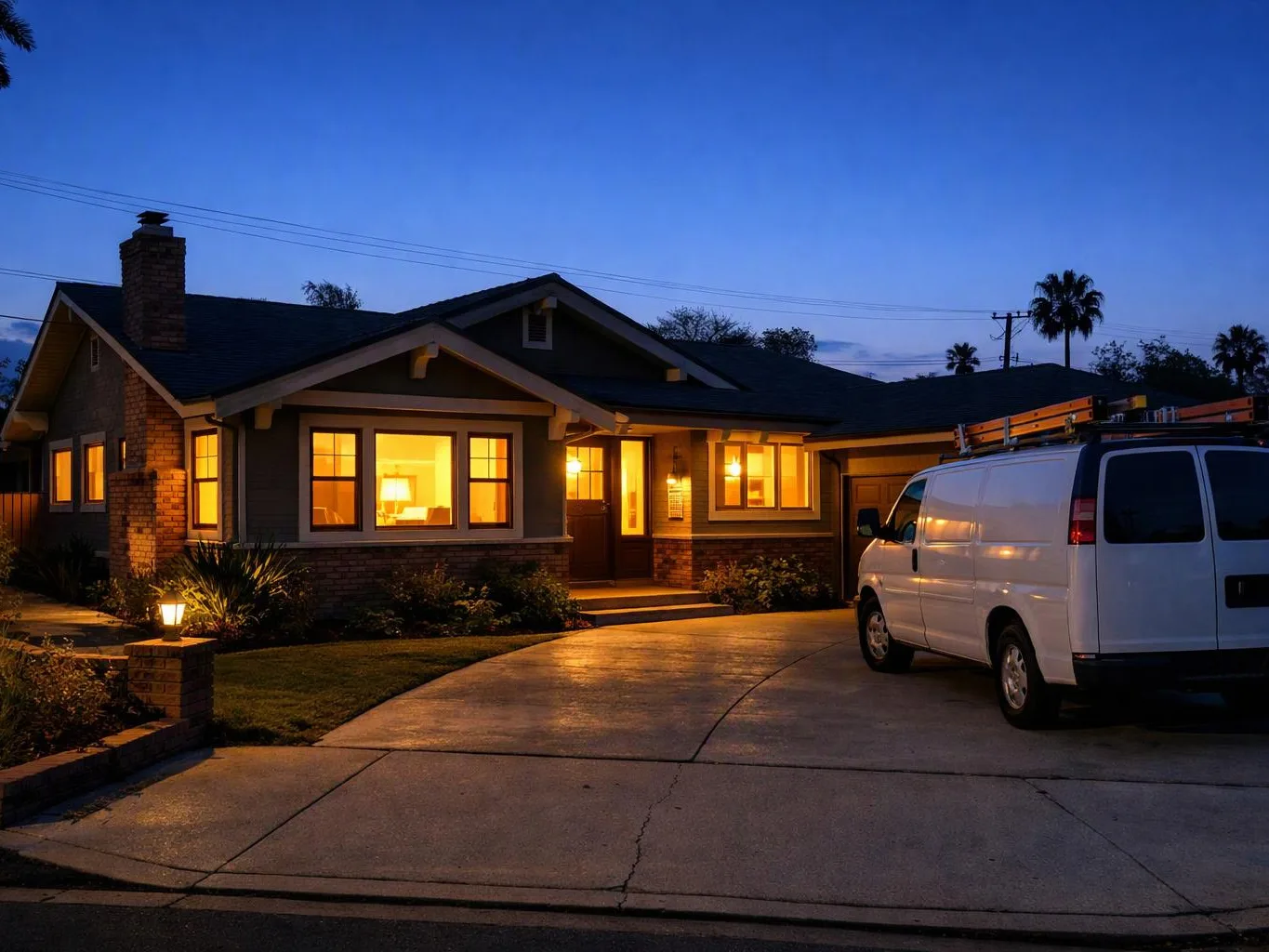
Santa Ana Electrician installs bidirectional EV charging systems in South Whittier. We provide electrical services for homeowners, landlords, businesses, and property managers. Our assessment covers the panel, circuit path, grounding, communication, and testing needs for the planned system.