Skip to content

Carbon Monoxide Detector Installation in Montebello, California

A buzzing alarm or missing alarm signal can point to a coverage issue. Hardwired units help connect carbon monoxide alerts across a Montebello property.

Licensed & InsuredFree EstimatesWarranty AvailableSame-Day Service

Quick Summary: Carbon Monoxide Detector Setup in Montebello, California

Carbon Monoxide Detector Installation in Montebello is provided by Santa Ana Electrician for homes, businesses, landlords, and property managers. The service covers detector placement, wiring, alarm signal checks, and battery backup across Santa Ana and nearby Orange County communities.

  • What we do: Santa Ana Electrician provides Carbon Monoxide Detector Installation for Montebello homes, businesses, landlords, and property managers.
  • What is included: Hardwired units, wireless connection, battery backup, alarm signal checks, wiring review, and electrical safety assessment.
  • What you get: Carbon monoxide detectors are installed, connected, and checked so the alarm signal reaches the intended areas.

Why might carbon monoxide detectors fail to alert every room?

A weak alarm signal, missing connection, wiring fault, or dead backup battery can limit coverage. Detector installation should include a connection check and testing of each linked alarm.

Carbon Monoxide Detector Installation for Montebello Properties

Carbon monoxide detector installation focuses on how alarms communicate across the property. The buyer's key decision is whether hardwired units, wireless connection, or a mix of both suits the building and its wiring.

We inspect access points, power sources, existing electrical faults, and the planned alarm path. A detector that sounds locally but fails to pass its signal needs more than a battery change.

This service fits new alarm coverage, detector replacement, and electrical work tied to safety concerns. It does not replace testing for an active carbon monoxide leak, appliance repair, or emergency response from fire services.

  • Confirm which rooms need carbon monoxide alarm coverage.
  • Check the available wiring and power source.
  • Decide whether linked alarms need a wired or wireless connection.
  • Test the alarm signal after installation.
  • Check battery backup and explain the completed work.
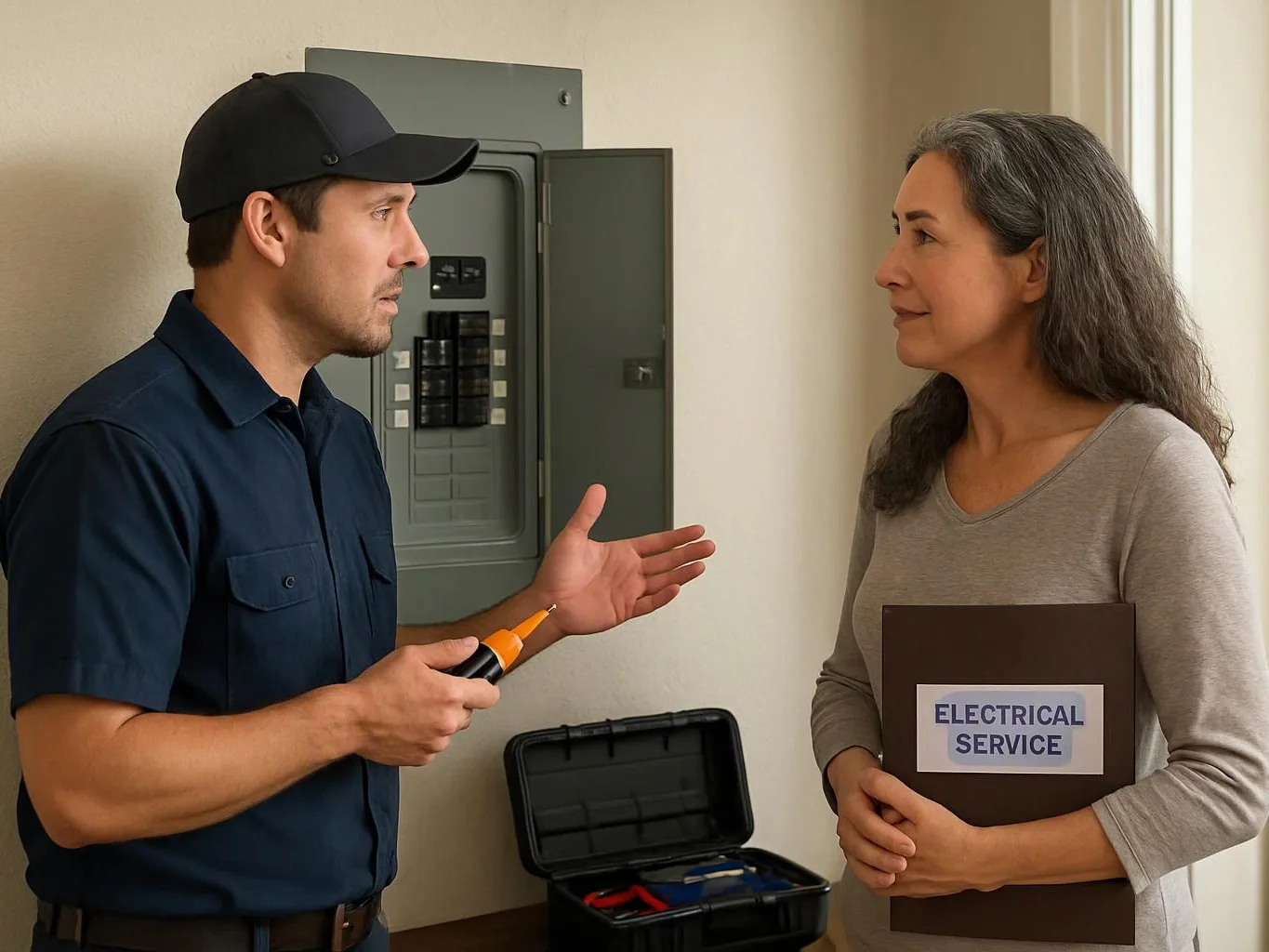
A technician talks with a woman beside an open breaker panel, holding a tester and electrical service folder

Service Overview

Carbon Monoxide Detector Installation is an electrical service that mounts, connects, powers, and tests carbon monoxide alarms.

  • The work differs from detector replacement because installation also checks wiring, interconnection, battery backup, and alarm signals.
  • Santa Ana Electrician provides this service for Montebello homes, businesses, landlords, and property managers.

What Connected Carbon Monoxide Alarms Change

A linked alarm system can help an alert reach more occupied areas.

Battery backup helps keep a detector powered when normal power fails.

Testing the alarm signal identifies connection faults before the system is relied.

A wiring review can reveal dead outlets, faulty connections, or other electrical concerns near the work.

Property managers receive a clear explanation of what was installed and checked.

What This Detector Installation Includes

Santa Ana Electrician provides comprehensive Carbon Monoxide Detector Installation in Montebello. Here's what you get:

  • We review the property and identify practical detector locations.
  • We install and connect detector units using the selected power method.
  • We check wiring paths, connections, and visible electrical conditions.
  • We test the alarm signal between connected units.
  • We check battery backup and explain basic user checks.
  • We discuss repairs needed when existing wiring cannot support the planned setup.
Process

How We Install and Check Connected Detectors

1

Review the property and alarm needs

We discuss the rooms, occupants, current detectors, and reason for the installation.

2

Inspect power and wiring access

We check available power, wiring paths, connection points, and visible electrical conditions.

3

Choose the connection method

We explain whether hardwired units, wireless connection, or a mixed setup fits the property.

4

Install and connect the detectors

We mount the units, connect the selected power source, and fit battery backup where required by the equipment.

5

Test every alarm signal

We test each detector and confirm that connected units respond as intended.

6

Explain the completed work

We review what was installed, note any wiring concerns, and outline practical next steps.

What This Work Helps You Decide

Choose the right connection method

Hardwired units suit properties with usable wiring paths and a need for linked alarms. Wireless connection may fit areas where new cable access is limited.

Check the signal, not just the sound

A local test sound does not confirm that every connected detector receives the alarm signal. We test the linked system so the result reflects the full setup.

Know when another service is needed

Detector installation is the wrong job for an active carbon monoxide emergency, a gas leak, or an appliance fault. Leave the area and contact emergency services when an immediate danger exists.

When this service is the right fit

A property manager may find that a replacement detector sounds during a local test but does not alert other occupied areas. We trace the connection, check the power source and backup battery, then explain whether the existing wiring supports linked alarms. If the issue involves an active leak or faulty fuel-burning appliance, detector installation is not the complete remedy.

Connection Choices for Detector Installation

The table compares the main connection choices by wiring need and practical fit.

Connection methodWiring needBest fit
Hardwired unitsUses an available electrical wiring pathProperties with suitable access and a need for linked alarms
Wireless connectionUses a compatible wireless linkAreas where new cable access is limited

The Santa Ana Electrician Standard

  • Initial Assessment
  • Systematic Troubleshooting
  • Safety-Minded Repairs
  • Clear Recommendations

Questions About Connected Carbon Monoxide Detectors

Should carbon monoxide detectors be interconnected?

Hardwired units should be interconnected when the property needs one alarm to alert other connected areas. Santa Ana Electrician checks the alarm signal, wiring, and battery backup before choosing the setup. Wireless connection may suit areas where cable access is limited. The final choice depends on the property layout and compatible equipment.

How is the detector setup matched to a property?

The property layout, wiring access, power source, and occupied areas guide the detector setup. We review existing alarms and identify where a linked signal must travel. Hardwired units may fit an accessible wiring path, while wireless connection may reduce new cable work. We explain the practical choice before installation begins.

What should be ready before installation starts?

Clear access to existing detectors, electrical panels, and planned alarm locations helps the installation begin safely. Please share known wiring issues, past alarm faults, and any rooms that need coverage. We then inspect the power source, connection path, and battery backup before setting the work scope.

Which part of the job changes the estimate?

Wiring access, detector count, connection method, and existing electrical faults shape the estimate. Open access can reduce the work involved, while hidden or damaged wiring may require added repair. We review those conditions on site and provide a free estimate based on the actual scope.

When should a detector connection be repaired?

A detector connection needs repair when alarms fail to link, power drops out, or one unit does not receive the signal. We inspect the wiring, terminals, backup battery, and linked response. A detector that repeatedly alarms also needs an assessment, but an active carbon monoxide threat requires immediate evacuation and emergency services.

Why does one alarm sound while others stay quiet?

A failed connection, weak wireless link, wiring fault, or depleted battery can stop other detectors from sounding. We test the local alarm and the linked response separately. That check shows whether the problem belongs to the detector, its power source, or the connection between units.

What should a customer ask before agreeing to the work?

Ask which detectors will connect, how the alarm signal will be tested, and what happens if existing wiring fails. We explain the power method, battery backup, access needs, and any repair outside the installation scope. You can then compare the proposed work with the property's actual needs.

Contact

Request a Carbon Monoxide Detector Installation Estimate

Get a clear scope for your Montebello property, and urgent requests get priority scheduling.

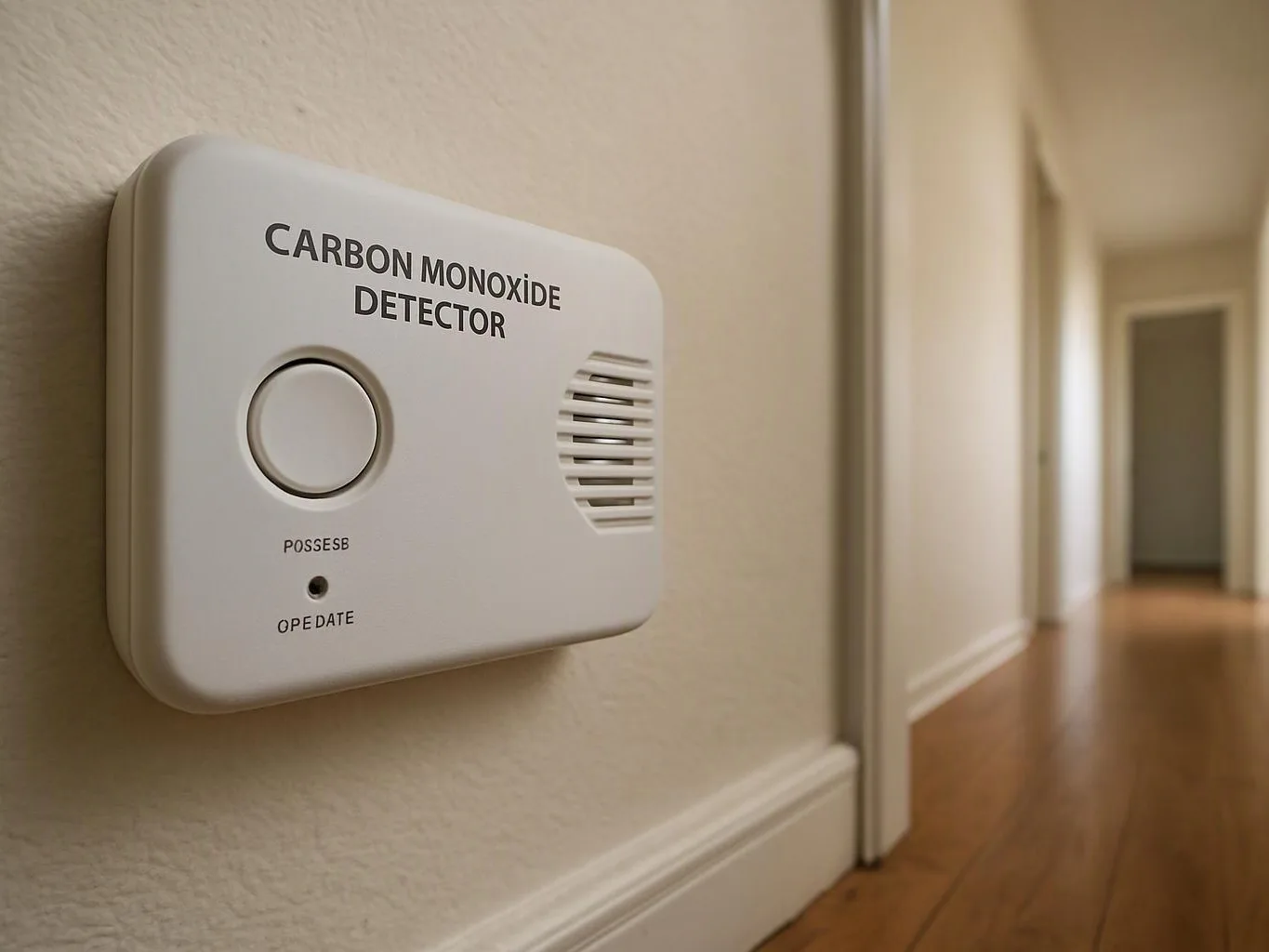
A carbon monoxide detector is mounted on a hallway wall beside a wooden floor and open doorway

ZIP Codes We Serve in Montebello, California

90640

Carbon Monoxide Detector Installation in Other Areas

(949) 850-2844